
Air Conditioning
Why 2026 Tariffs Made AC Units Cost 18% More
The 2026 tariffs on imported HVAC components increased air conditioner prices by nearly 18 percent and changed costs across every system type.
George Templeton
5 min read
The 2026 tariffs on imported HVAC components increased air conditioner prices by nearly 18 percent and changed costs across every system type.
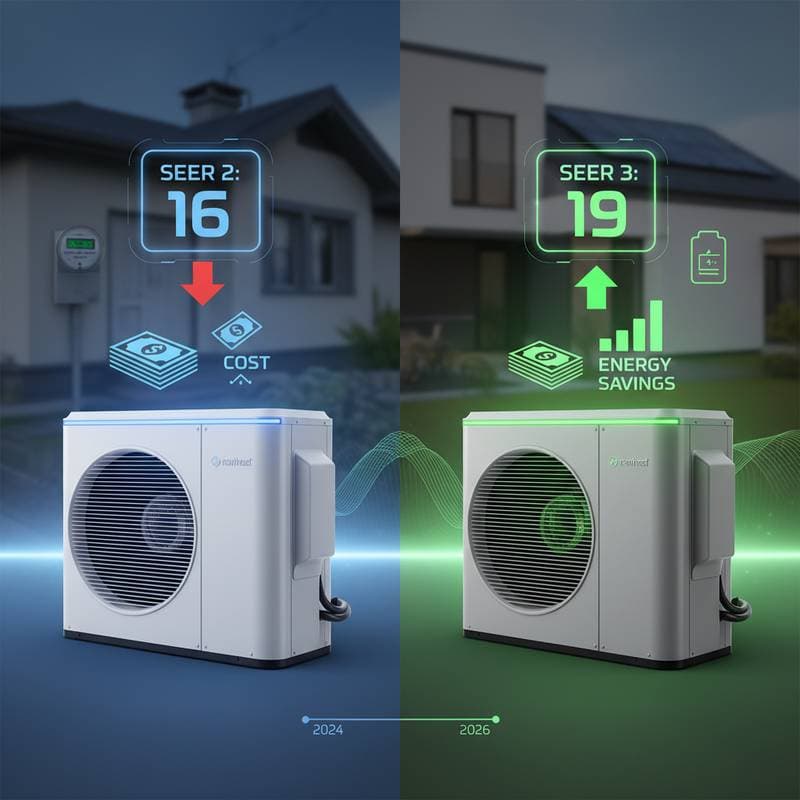
New SEER3 ratings take effect in 2026 and will alter air conditioner testing, pricing, and performance. Homeowners should anticipate modest increases in initial costs offset by reduced energy consumption over time. Proper planning allows accurate system comparisons and timely upgrades that deliver efficient, economical cooling.
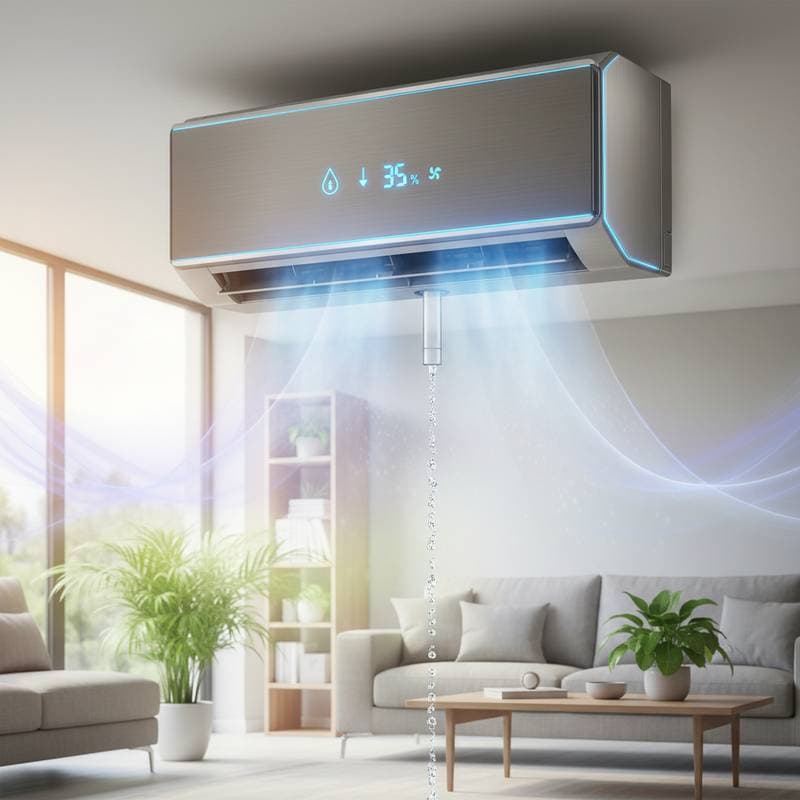
Switching your AC to dry mode targets humidity instead of temperature alone. This approach delivers cooler feeling air saves energy and improves indoor air quality. Discover when and how to use dry mode for balanced comfort fresher air and lower energy bills.
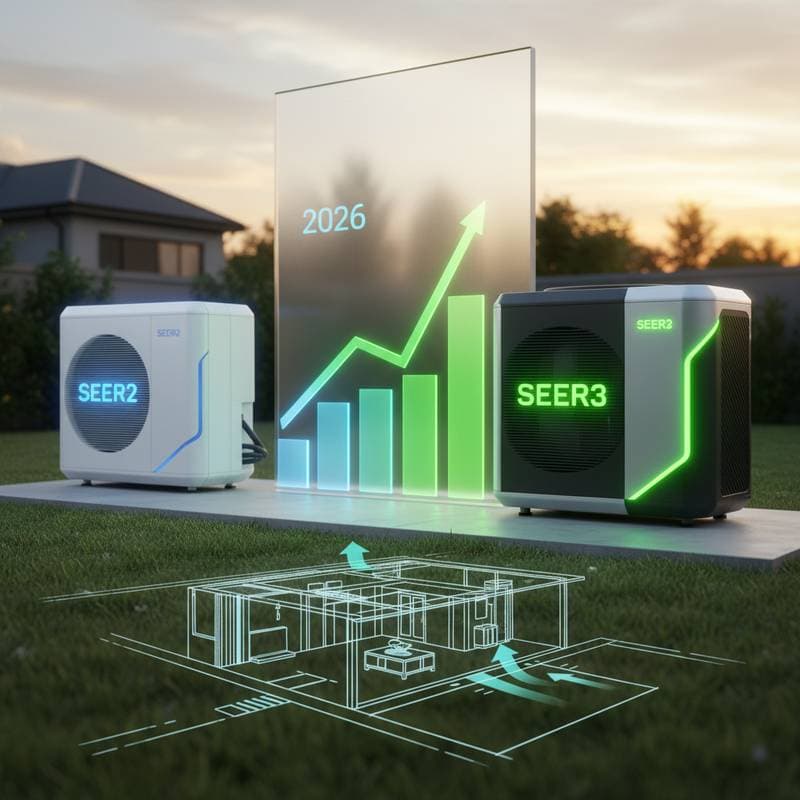
The transition to SEER3 ratings in 2026 introduces stricter, more accurate efficiency measures for air conditioners, replacing SEER2. Homeowners gain reliable performance data to inform purchases that enhance comfort and reduce energy costs.

From 2026, eight states mandate 55 dB limits for HVAC outdoor units, equivalent to moderate conversation volume. Prepare for efficient, low-noise systems that ensure comfort, meet standards, and boost property appeal.
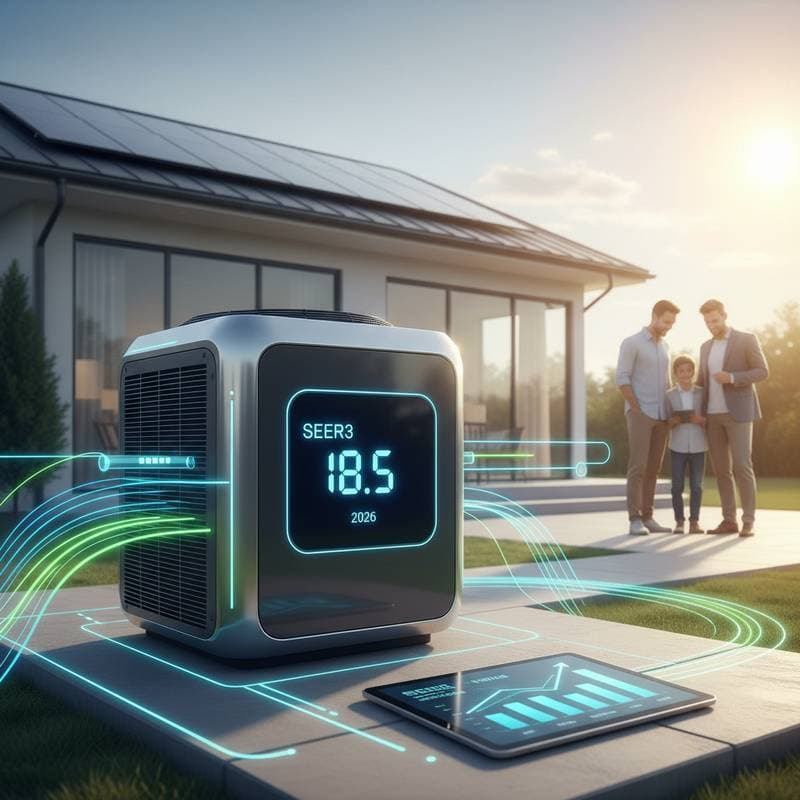
Starting in 2026, SEER3 standards elevate air conditioner efficiency, influencing costs and performance. Expect systems rated from 14.3 to 21.5 SEER3, with installation prices between $5,000 and $12,000. This guide covers selection strategies, regional variations, and ways to achieve lasting comfort and reduced energy expenses.
Effective 2026, a 55dB noise limit for new residential HVAC systems in 18 states will drive up costs by 10-25 percent, promote quieter operations, and demand adaptations from contractors. Homeowners face higher upfront expenses for efficient units, while professionals navigate new compliance requirements. This guide details the changes, cost breakdowns, and preparation steps for seamless transitions.
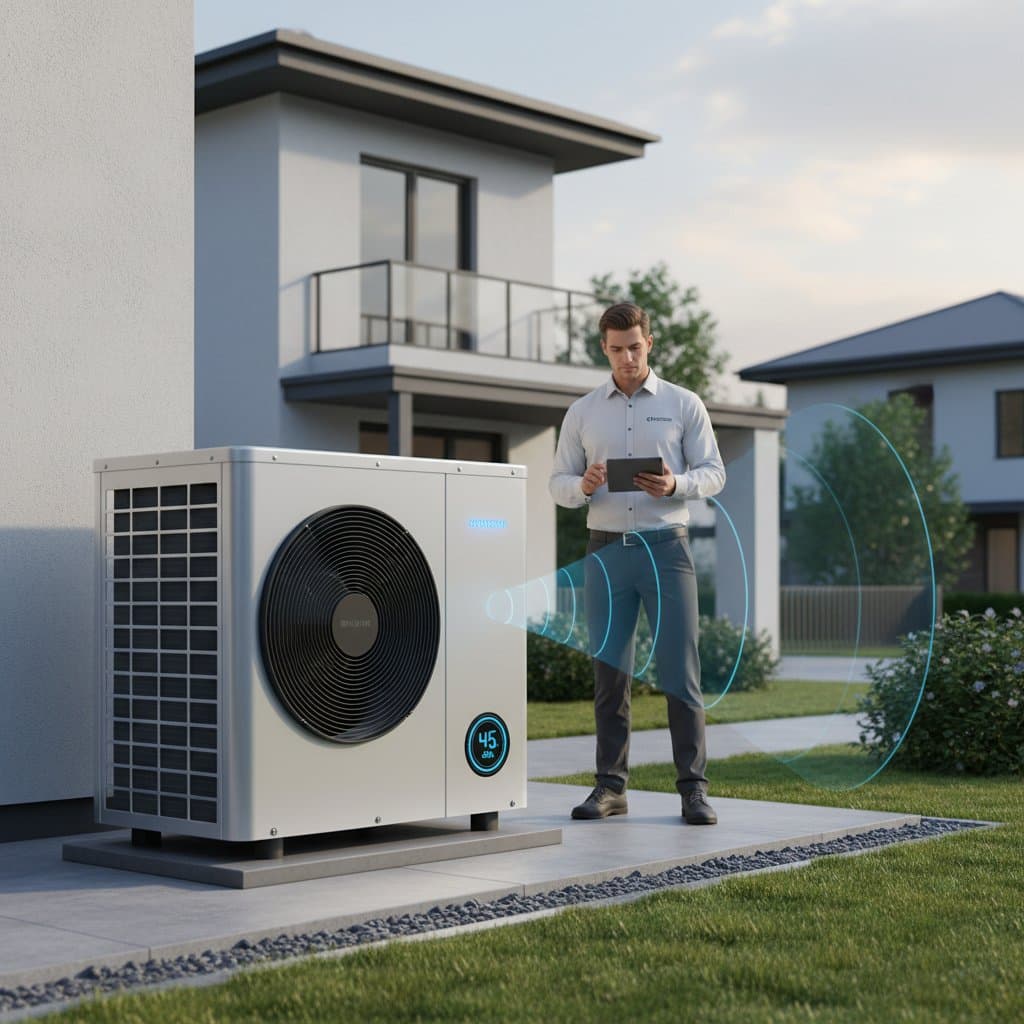
From 2026, eight states enforce HVAC noise limits to combat sound pollution, requiring systems to stay under strict decibel thresholds. Property owners risk fines for non-compliance. This guide details impacts, quiet tech solutions, and preparation strategies for enduring comfort.
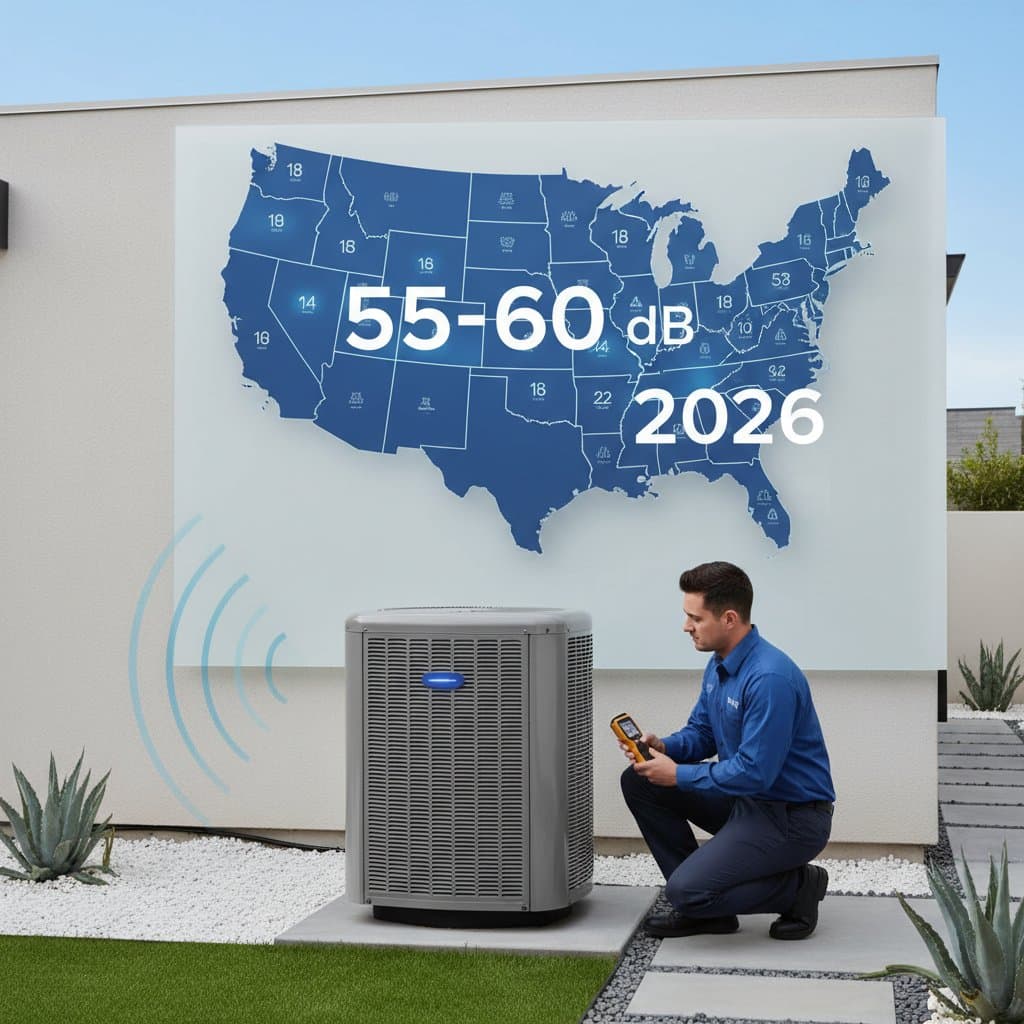
Starting in 2026, 18 states will implement strict HVAC noise limits, restricting outdoor unit sounds to 55-60 decibels at the property line. These rules aim to curb neighborhood noise while maintaining home comfort. Explore compliant equipment options, installation strategies, and ways to achieve quieter, more efficient HVAC performance.
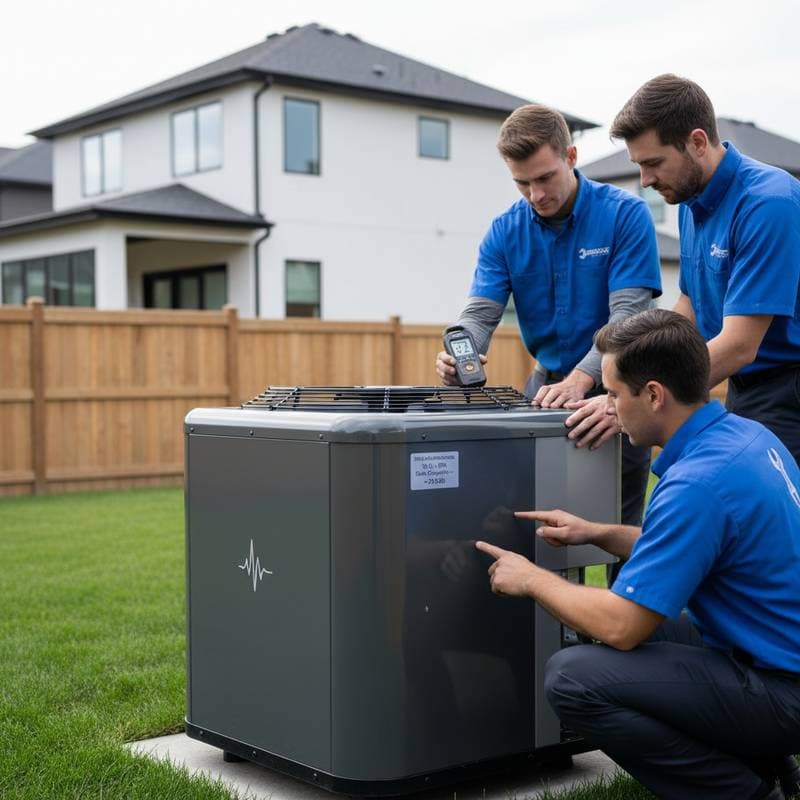
Beginning in 2026, eight states mandate a 55 dB noise limit for residential HVAC outdoor units. This regulation promotes quieter neighborhoods and energy efficiency. Explore affected systems, compliance strategies, and preparation steps for homeowners and contractors.

The 2025 HVAC noise regulations introduce 45-60 decibel limits for outdoor units in suburban areas, prompting homeowners to evaluate and upgrade systems for compliance. These changes promote quieter operations, better energy efficiency, and reduced neighborhood disturbances. This guide details compliant options, installation considerations, and steps to safeguard home value and comfort.
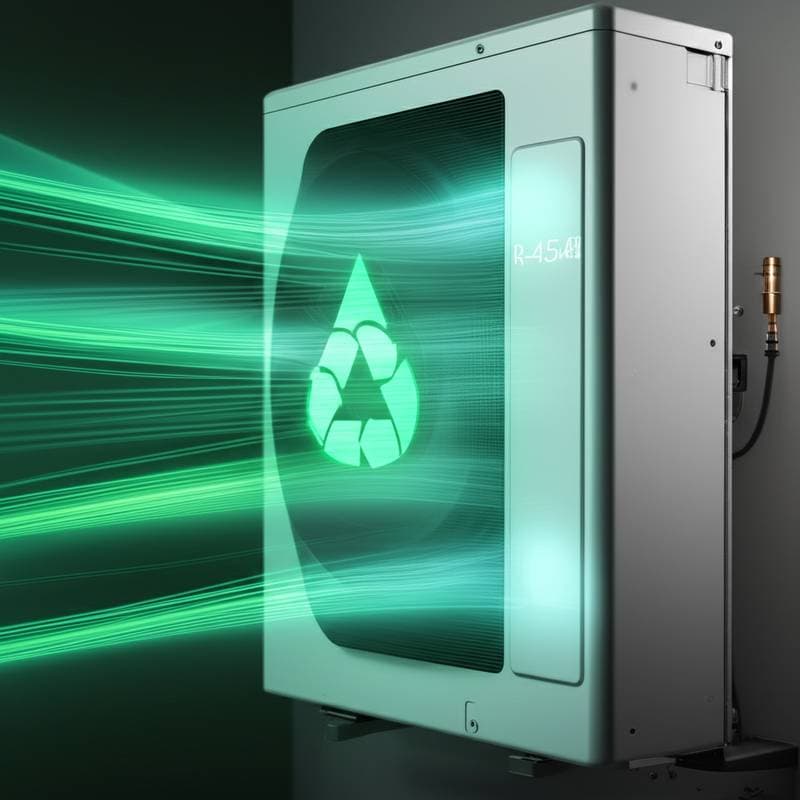
The HVAC sector transitions from R-410A to R-454B starting in 2025, delivering enhanced efficiency and reduced ecological effects. Homeowners anticipate more silent, power-saving units, with no retrofit options available. Insights into expenses, safety protocols, and enduring advantages equip you for this sustainable evolution in residential cooling.