How the 55dB HVAC Noise Limit Will Impact Homeowners and Contractors Starting in 2026
Key Aspects of the 2026 55dB HVAC Noise Regulation
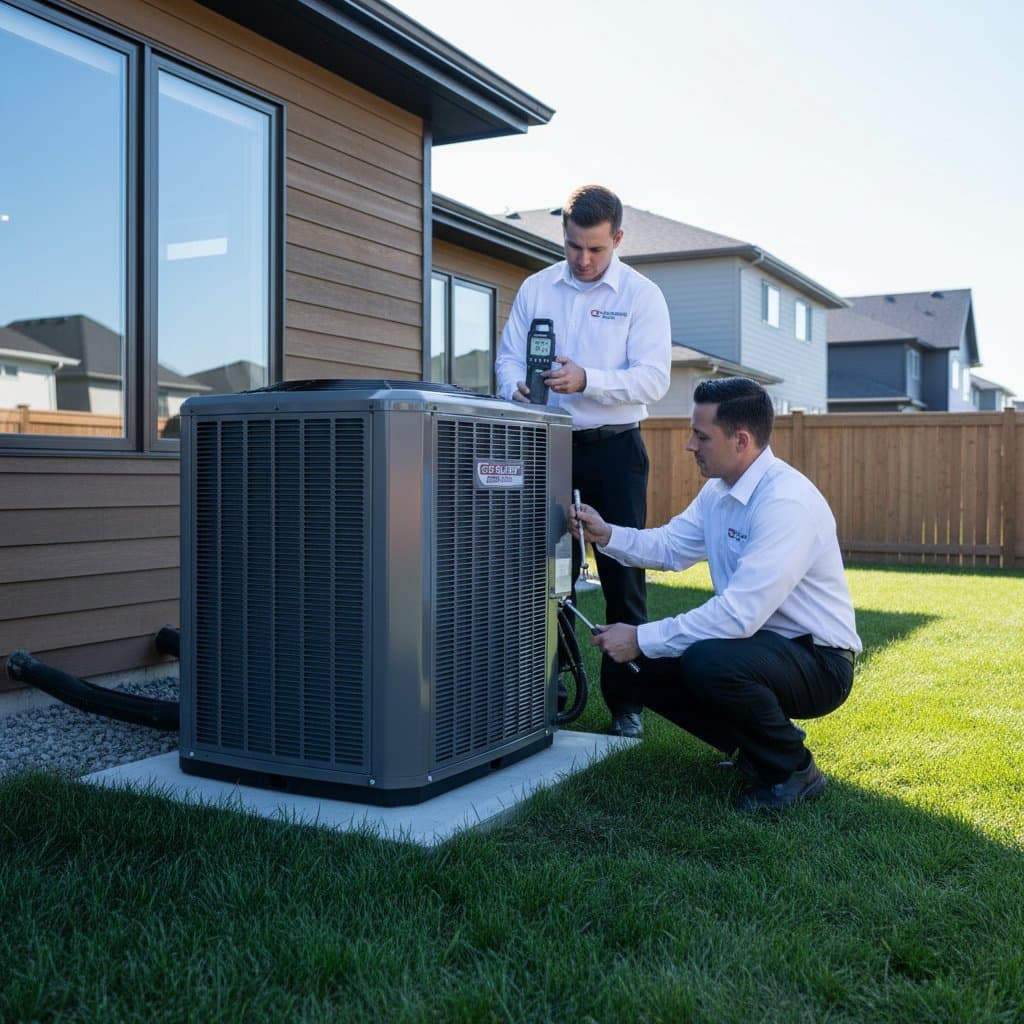
The HVAC sector faces a significant shift with the 2026 enforcement of a 55 decibel noise limit for new residential systems. This standard applies to 18 states nationwide and targets reductions in neighborhood noise while advancing energy-efficient designs. The regulation focuses on outdoor condenser units, the primary noise sources, and requires all new installations or replacements to comply.
Homeowners will encounter elevated costs for qualifying equipment, estimated at a 10-25 percent increase over current models due to advanced engineering. Contractors and manufacturers must incorporate features such as enhanced insulation and refined fan mechanisms. This overview covers the regulation's implications, cost variations, qualifying units, and proactive measures for compliance.
Cost Breakdown by System Size
System capacity influences both noise levels and pricing, as larger units process greater air volumes and generate more sound. Compliance with the 55dB limit necessitates innovations like variable-speed fans and sound-dampening enclosures, contributing to the 10-25 percent cost premium.
| Home Size | Recommended Capacity | Base Cost Range | Projected Compliant Cost (10-25% Increase) | Expected Noise Level |
|---|---|---|---|---|
| Small Apartment | 1.5 to 2 tons | $4,000 – $6,500 | $4,400 – $8,125 | 50–55 dB |
| Medium Home | 2.5 to 3.5 tons | $6,500 – $10,000 | $7,150 – $12,500 | 50–55 dB |
| Large Home | 4 to 5 tons | $9,000 – $13,000 | $9,900 – $16,250 | 55 dB maximum |
Proper sizing prevents oversizing, which amplifies noise and energy consumption. Consult a professional for a load calculation to match capacity to your home's needs precisely.
States Adopting the 55dB HVAC Noise Limit
Eighteen states will implement the 55dB standard in 2026, spanning urban centers and environmentally focused regions. The rule standardizes existing noise controls and emphasizes outdoor units.
The states include:
- California
- New York
- Massachusetts
- Washington
- Oregon
- Colorado
- Illinois
- Maryland
- Virginia
- New Jersey
- Connecticut
- Rhode Island
- Vermont
- Maine
- Minnesota
- Hawaii
- Delaware
- Pennsylvania
These areas already maintain residential noise ordinances, and the new limit ensures uniform application across borders.
Significance of the 55dB Noise Threshold
Residential noise pollution disrupts daily life, with conventional HVAC units often reaching 65-80 dB, akin to a bustling street. Such levels contribute to sleep disturbances, heightened stress, and diminished community well-being.
At 55 dB, equivalent to a subdued office setting, units integrate seamlessly into ambient sounds. This threshold fosters serene neighborhoods, particularly in close-knit or multi-unit developments, enhancing overall quality of life.
Industry Challenges from the 55dB Regulation
The shift to quieter systems demands substantial adjustments across the supply chain.
- Equipment Redesign: Producers will refine compressors, blades, and enclosures for acoustic performance.
- Certification Processes: Models undergo rigorous sound evaluations, extending development timelines and expenses.
- Technician Preparation: Installers require training on optimized placement and maintenance techniques.
- Supply Chain Shifts: Suppliers phase out non-compliant inventory, potentially delaying availability.
Professionals should inform clients about these dynamics to clarify pricing and options clearly.
Frequently Asked Questions on the 55dB HVAC Limit
What Does 55 Decibels Sound Like?
A 55 dB level matches a moderate conversation or quiet workspace. Outdoor units at this volume recede into everyday sounds without drawing attention.
Must Existing HVAC Systems Be Upgraded?
The rule targets only new installations and replacements. Current setups operate until natural replacement cycles, though early upgrades to compliant models prevent future hurdles.
How to Verify If My System Complies with 55 dB?
Inspect the unit's label for its sound rating. Readings exceeding 55 dB indicate non-compliance; hire a technician for precise measurements and recommendations on barriers or repositioning.
Do 55dB Systems Compromise Power?
Engineering advancements, including variable-speed technology, maintain full capacity while minimizing noise. Performance remains robust through insulated components and efficient designs.
What Is the Durability of Quiet HVAC Units?
Routine upkeep yields a 15-20 year service life, comparable to standard models. Specialized parts may necessitate certified service providers for longevity.
Does Lower Noise Indicate Superior Efficiency?
Frequently, yes, as many designs incorporate inverter compressors that boost energy savings. Review SEER and HSPF ratings to confirm efficiency gains.
Can Barriers Make Older Units Compliant?
Acoustic enclosures or fences attenuate noise by 5-10 dB, offering temporary relief. Full adherence may still require replacement under the new standards.
Securing Quotes for 55dB-Compliant HVAC Systems
Essential Questions for Contractors
- Does this system carry certification at or below 55 decibels?
- What evidence supports the sound rating claim?
- Are rebates available for efficient, quiet models?
- How will unit placement optimize noise reduction?
- What maintenance ensures sustained quiet operation?
- Does the manufacturer warrant noise performance?
- How might installation choices influence decibel levels?
- What warranty and lifespan apply to this unit?
- Can you share examples of prior quiet installations?
- Will ductwork or electrical updates be necessary?
Steps to Prepare for Compliant HVAC Adoption
Transitioning to 55dB systems elevates home comfort and curbs environmental noise effectively. Early planning secures access to incentives and avoids rushed decisions.
Conduct a professional audit of your current setup's energy and noise profile. Evaluate options like variable-speed or ductless systems for optimal fit. Verify all planned projects align with the threshold to ensure compliance and lasting benefits in the 18 impacted states.