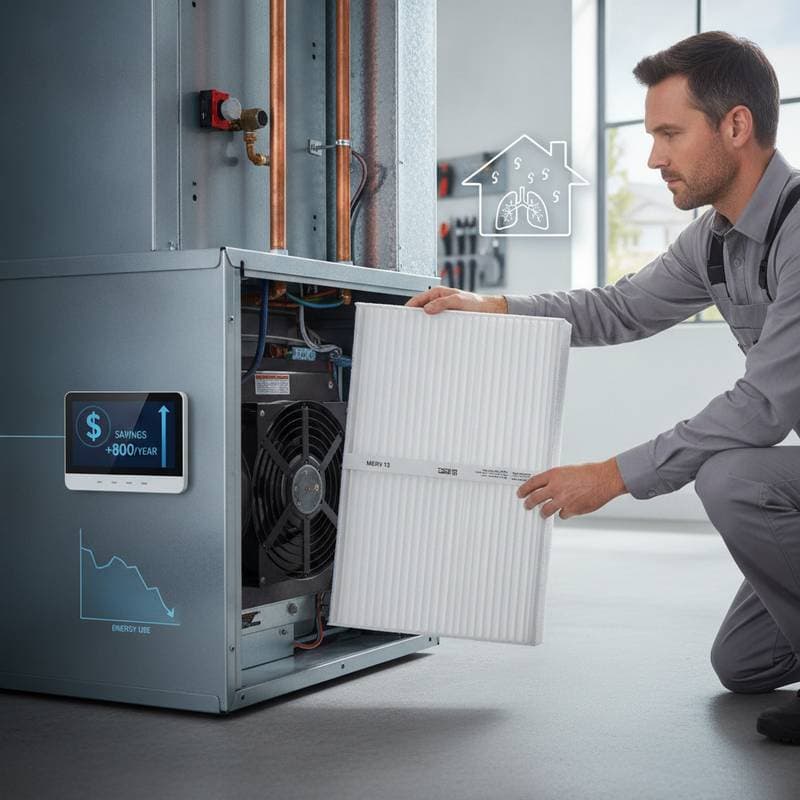

How Bi-Annual Tune-Ups Safeguard Your HVAC Warranty
Homeowners rely on HVAC systems for consistent comfort, yet many fail to recognize the critical role of bi-annual tune-ups in maintaining warranty coverage. These services extend beyond routine care; they provide essential documentation that manufacturers demand. Without proper records, even valid claims face denial, resulting in unexpected financial burdens. This guide explains the importance of regular maintenance, its components, and strategies to protect your investment.
Understanding an HVAC Tune-Up
An HVAC tune-up consists of a comprehensive professional inspection and servicing of heating and cooling equipment. Technicians clean critical components, test operational functions, and calibrate settings to align with manufacturer guidelines. This process includes examining belts and motors for wear, verifying electrical integrity, and adjusting refrigerant charges as needed.
Such maintenance functions as a preventive diagnostic, similar to a vehicle inspection. Early identification of issues like refrigerant leaks or airflow restrictions allows for timely corrections, preserving efficiency and averting major failures.
The Role of Maintenance in Warranty Compliance
Warranties offer protection against defects, but manufacturers condition coverage on evidence of ongoing professional care. Absence of service records often leads to claim rejections, shifting repair costs to the owner. This requirement stems from the need to demonstrate responsible usage.
Manufacturers mandate tune-ups for several reasons:
- To minimize damage from accumulated dirt or mechanical strain.
- To sustain optimal energy use by addressing inefficiencies promptly.
- To confirm adherence to installation and operational protocols.
- To document diligence in equipment stewardship.
Failure to comply exposes systems to risks that warranties explicitly exclude, such as neglect-induced deterioration.
Indicators That a Tune-Up Is Overdue
Systems communicate distress through subtle changes in behavior. Homeowners should schedule service if they observe inconsistencies in room temperatures or spikes in utility costs despite stable habits. Unusual sounds, such as rattling or hissing from units, or unfamiliar smells from ducts signal potential problems.
Frequent on-off cycling or diminished air output further indicates the need for attention. Proactive bi-annual visits eliminate these symptoms before they worsen, while also fulfilling warranty obligations. Regular checks maintain smooth operation regardless of apparent issues.
Elements Influencing HVAC Warranty Validity
Warranty provisions vary by brand, yet common standards emphasize consistent professional upkeep. Key considerations include:
-
Maintenance Schedule
Tune-ups occur twice annually: preparation for summer cooling and winter heating demands optimal readiness. -
Technician Qualifications
Services must come from certified professionals; self-performed tasks lack the validation required for coverage. -
Record Keeping
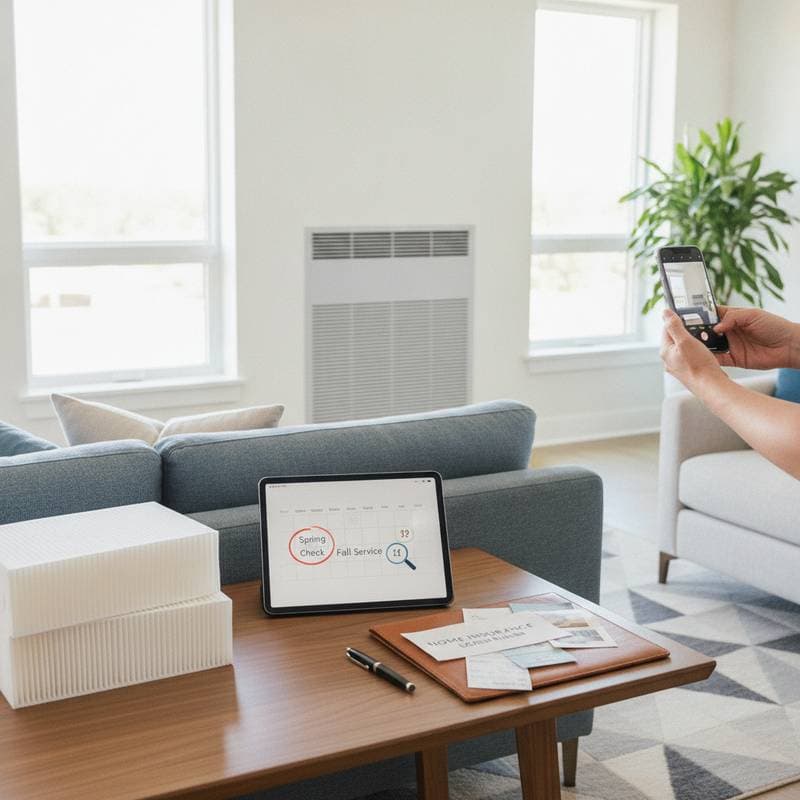
Retain invoices detailing dates, provider credentials, and performed actions. Manufacturers review these prior to claim processing. -
Component Standards
All replacements require approved parts to avoid invalidation. -
Installation Quality
Initial setup by qualified experts forms the foundation; subsequent care builds upon it.
Adhering to these practices fortifies protection against coverage lapses.
Procedures in a Bi-Annual Tune-Up
Technicians follow standardized protocols to ensure thorough evaluation and servicing. These visits generate detailed reports that serve as warranty evidence.
Cooling Season Preparation
Focus shifts to air conditioning components during spring or summer assessments. Professionals clean coils to remove buildup, measure refrigerant levels for balance, and secure electrical elements against faults. Lubrication prevents friction damage, while drain line clearing avoids water issues. Thermostat calibration guarantees precise control.
Heating Season Preparation
Fall or winter evaluations target furnace elements. Burner cleaning promotes safe combustion, and heat exchanger inspections detect structural weaknesses. Gas line integrity checks and ignition system tests confirm reliability. Filter maintenance enhances indoor air quality, with final performance verification ensuring seamless function.
Each session concludes with operational diagnostics and documentation, reinforcing compliance and longevity.
Comparing DIY Efforts and Professional Services
Owners contribute to system health through basic upkeep, but warranties demand expert intervention for full credit.
Safe Homeowner Tasks
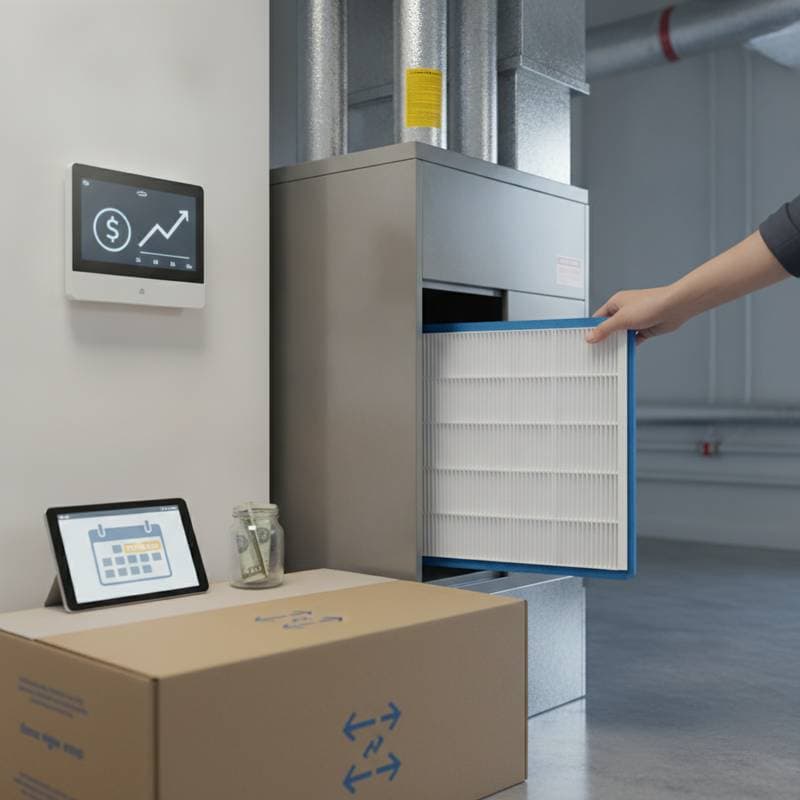
- Swap air filters monthly to sustain airflow.
- Clear vegetation around outdoor units to facilitate ventilation.
- Ensure indoor vents remain unobstructed for even distribution.
- Verify thermostat functionality through routine monitoring.
These actions complement professional care without substituting it.
Tasks Reserved for Experts
- Refrigerant management requires specialized certification.
- Electrical diagnostics prevent hazards like shorts.
- Gas leak detection demands precise instrumentation.
- Internal cleaning of coils or chambers needs protective gear.
- Motor and belt adjustments ensure balanced operation.
Professional execution guarantees safety and warranty adherence, avoiding risks associated with amateur attempts.
Consequences of Neglected Maintenance
Foregoing tune-ups accelerates wear and escalates expenses. Inefficient operation from clogged elements or imbalances raises energy consumption significantly. Systems face premature failure, particularly under seasonal stress, leading to emergency interventions.
Warranty denials compound these issues, with component replacements costing thousands. In contrast, tune-up fees remain affordable, offering substantial returns through reliability and coverage preservation.
Benefits of Tune-Ups for System Longevity
Routine servicing identifies minor faults before they compromise major assemblies. Balanced airflow and clean pathways reduce operational stress, while efficiency optimizations lower wear rates. Protection against thermal extremes maintains component integrity.
These interventions yield extended service life, reliable performance, and sustained comfort across seasons. Homeowners benefit from fewer disruptions and preserved value in their equipment.
Frequently Asked Questions
Does every HVAC warranty demand two annual tune-ups?
Most policies stipulate biannual professional service to validate coverage. Cooling preparations occur in warmer months, and heating checks precede cold weather.
What risks arise from missing a single tune-up?
A lapse exposes the system to unrepaired vulnerabilities and potential warranty invalidation. Prompt rescheduling and record retention mitigate ongoing concerns.
How can one demonstrate proper system maintenance?
Store service reports and receipts from licensed providers. These verify compliance with required protocols.
Is DIY maintenance sufficient for warranty purposes?
Simple tasks aid efficiency, but only documented professional work satisfies manufacturer criteria.
How does an installer's warranty interact with maintenance requirements?
Ongoing tune-ups remain essential throughout coverage periods to uphold both installer and manufacturer protections.
Securing Long-Term HVAC Reliability
HVAC investments demand vigilant care to deliver enduring performance. Bi-annual tune-ups with certified technicians prevent failures, uphold warranty terms, and optimize efficiency. Organized records and seasonal planning ensure uninterrupted comfort and financial security.
Commit to this schedule to maximize system potential and minimize surprises. Your home deserves the reliability that comes from proactive stewardship.