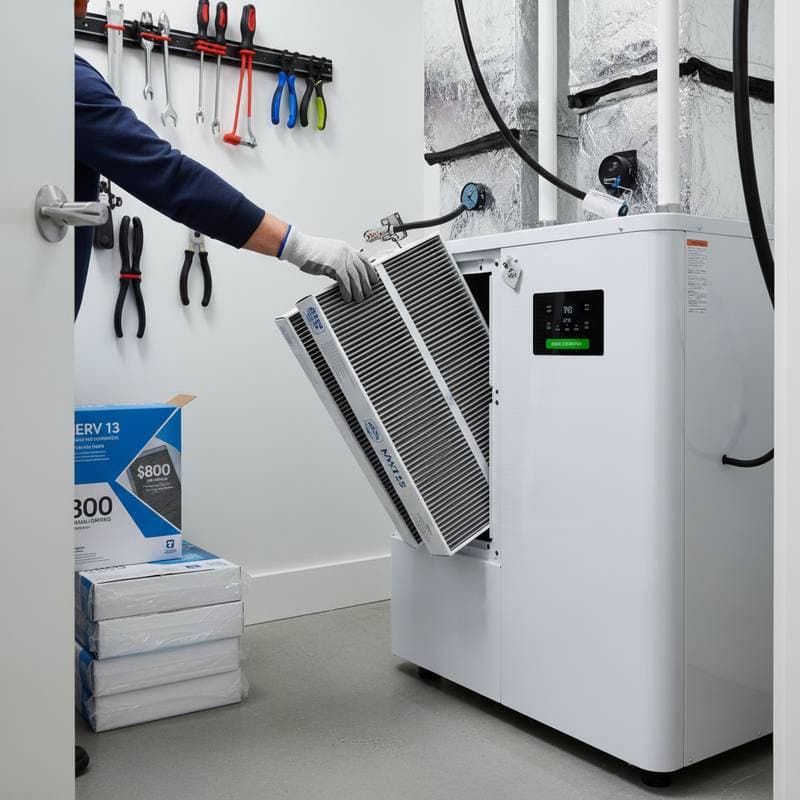
Understanding Savings from a MERV 13 DIY Filter Upgrade
Homeowners often overlook the impact of air filters on HVAC performance, yet upgrading to MERV 13 filters can yield substantial financial benefits. These filters capture finer particles, allowing systems to operate more efficiently and reducing overall energy consumption. The result includes annual savings of up to $800 through lower utility bills, decreased maintenance requirements, and prolonged equipment durability.
This guide details the mechanics of MERV 13 filters, associated costs, and installation procedures. It addresses performance influences, upkeep practices, and frequently asked questions to equip readers with practical knowledge for implementing this upgrade effectively.
Pricing Overview for MERV 13 Filters
MERV 13 filters typically cost between $20 and $50 each, varying by dimensions, manufacturer, and construction quality. Although the initial price exceeds that of basic filters, enhanced filtration leads to rapid cost recovery via improved system operation and reduced service interventions.
| Filter Size | Average Cost | Replacement Frequency | Annual Cost Estimate |
|---|---|---|---|
| 16x25x1 | $20 – $30 | Every 3 months | $80 – $120 |
| 20x25x4 | $35 – $50 | Every 6 months | $70 – $100 |
| 16x20x4 | $30 – $45 | Every 6 months | $60 – $90 |
Breakdown of Annual Savings
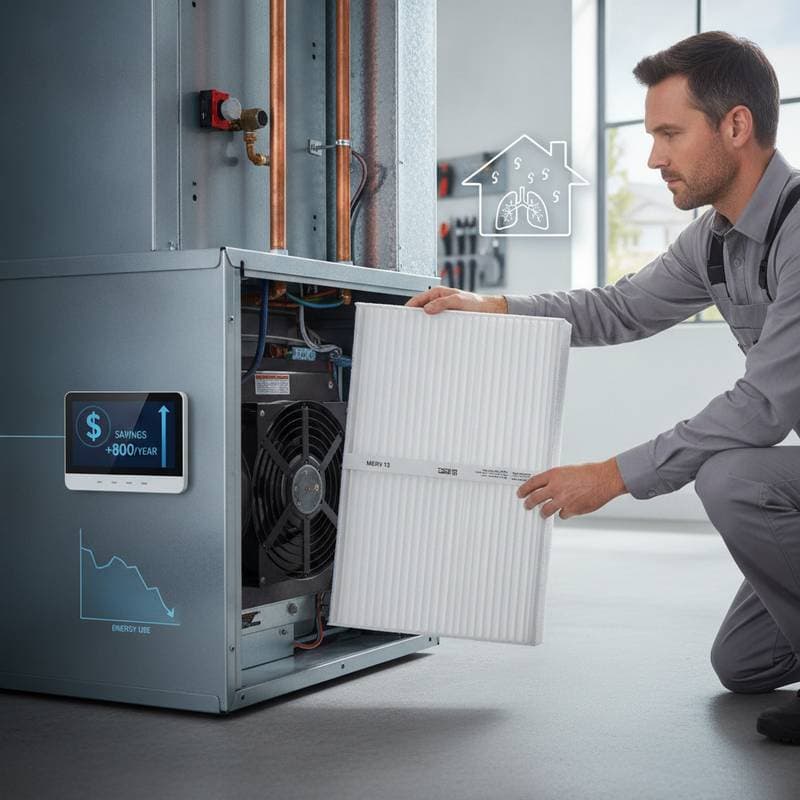
Adopting MERV 13 filters generates approximately $800 in yearly savings by addressing key operational inefficiencies. Cleaner coils and ducts minimize energy demands, as the system requires less effort to circulate air. Additionally, reduced debris accumulation decreases the frequency of professional repairs, while extended component life postpones costly replacements.
Savings realization hinges on correct installation and adherence to replacement timelines. Systems in high-use environments may experience even greater returns due to amplified efficiency gains.
Performing a DIY MERV 13 Filter Installation
Most homeowners can complete a MERV 13 filter installation without professional assistance, as the task demands minimal time and basic familiarity with HVAC components. Proper execution ensures optimal airflow and filtration benefits from the outset.
Detailed Installation Steps
- Power down the HVAC system completely to avoid circulating loose particles into the ductwork.
- Identify the filter slot, usually accessible via a panel near the return air grille or adjacent to the indoor unit.
- Extract the existing filter and note the directional arrow indicating airflow orientation.
- Position the new MERV 13 filter with the arrow aligned toward the blower or air handler to facilitate correct particle capture.
- Reattach the access panel securely and restore power to the system.
- Verify airflow by listening for steady operation and feeling consistent output from supply vents; adjust if resistance appears.
Essential Safety Precautions
Select filters matching the exact specifications of your HVAC unit to prevent operational strain. Follow manufacturer guidelines for replacement intervals to sustain efficiency. Maintain clear space around intake areas to support unobstructed air intake.
Key Factors Influencing MERV 13 Filter Expenses
Multiple elements determine both the purchase price of MERV 13 filters and the magnitude of long-term savings. Understanding these allows homeowners to select options that align with their specific circumstances.
Filter Dimensions and Design
Filters with greater surface area or pleated structures command higher prices but offer extended service life. A 4-inch depth, for instance, accommodates more contaminants, potentially halving replacement needs compared to shallower 1-inch models.
HVAC System Suitability
Verify compatibility prior to purchase, as not all units accommodate high-efficiency filters without airflow compromise. Older systems might necessitate lower MERV ratings; engage a technician to assess static pressure and recommend adjustments if needed.
Regional Environmental Conditions
Elevated pollen, dust, or pollution levels in certain locales accelerate filter saturation, prompting more frequent replacements. While this elevates ongoing costs, it preserves system health and indoor air purity.
Manufacturer Quality and Composition
Filters from reputable brands incorporate advanced materials, such as electrostatically enhanced media, to trap particles effectively without impeding flow. Initial investments in these products yield superior value through durable performance.
Upkeep Routines
Consistent filter monitoring and timely changes avert efficiency losses from clogs. Neglect in this area can escalate energy use and accelerate wear on critical components.
Addressing Common Inquiries on MERV 13 Filters
Replacement Intervals for MERV 13 Filters
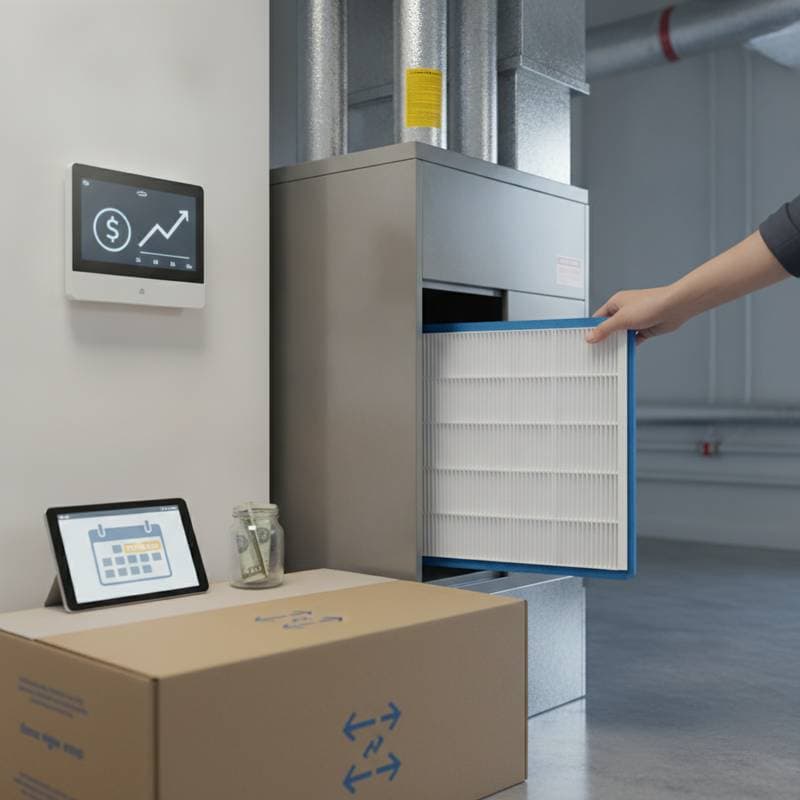
Replace MERV 13 filters every three to six months, adjusted for household factors like occupancy or environmental dust. Inspect monthly; a visibly soiled filter signals immediate need for change to uphold filtration efficacy.
Universal Compatibility with HVAC Systems
MERV 13 filters suit many modern systems but may overburden older or low-capacity units, leading to restricted airflow. Review equipment documentation or seek expert evaluation to confirm viability and avoid performance declines.
Benefits for Allergy Sufferers
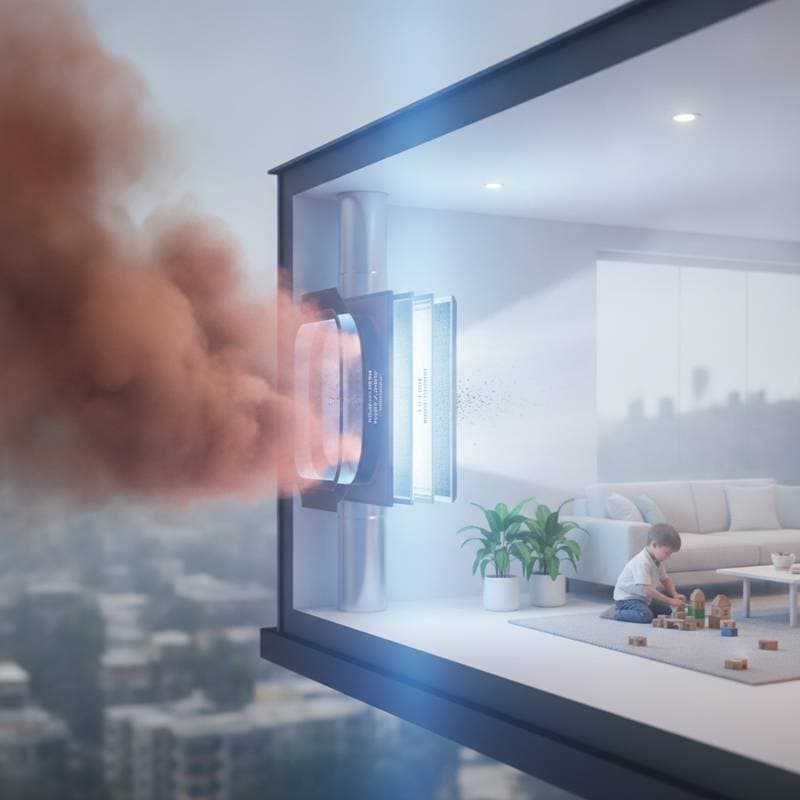
MERV 13 filters excel at capturing particles down to 0.3 microns, such as pollen, pet dander, mold spores, and fine dust. This capability markedly alleviates allergy triggers and elevates overall air cleanliness in living spaces.
Value Assessment of the Investment
The premium pricing of MERV 13 filters proves justifiable for the majority of users, given reductions in operational costs and health improvements. Financial returns often materialize within the first year, offsetting expenses through sustained efficiency.
Signs of Optimal Filter Function
Monitor vent output for uniform strength and system sounds for irregularities. Indicators of issues include temperature inconsistencies or prolonged run times, which may require filter inspection or repositioning.
Securing Quotes and Expert Input for MERV 13 Upgrades
Although DIY installation proves accessible, professional consultation safeguards against compatibility pitfalls. Technicians provide precise measurements and performance tests to maximize upgrade outcomes.
Targeted Questions for HVAC Professionals
- Does my current setup support MERV 13 filtration levels?
- What precise dimensions suit my equipment?
- Based on local conditions, what replacement cadence do you advise?
- Can you evaluate static pressure post-installation?
- Are efficiency incentives or rebates available?
- What routine maintenance optimizes longevity?
- How do I detect if higher filtration strains the system?
- Which brands offer reliable MERV 13 options?
- What tools monitor home air quality effectively?
- Beyond filters, what steps enhance air purity?
Sustaining Benefits from Your MERV 13 Upgrade
Implementing MERV 13 filters represents a straightforward strategy to safeguard HVAC investments while promoting healthier environments. Enhanced filtration curbs contaminant accumulation, bolsters energy conservation, and delays major repairs.
Diligent adherence to replacement schedules and airflow checks unlocks cleaner air, reliable operation, and consistent $800 annual savings. This low-effort initiative delivers enduring comfort and fiscal advantages throughout the seasons.