Predictive HVAC Maintenance: AI Alerts Save $800 Yearly
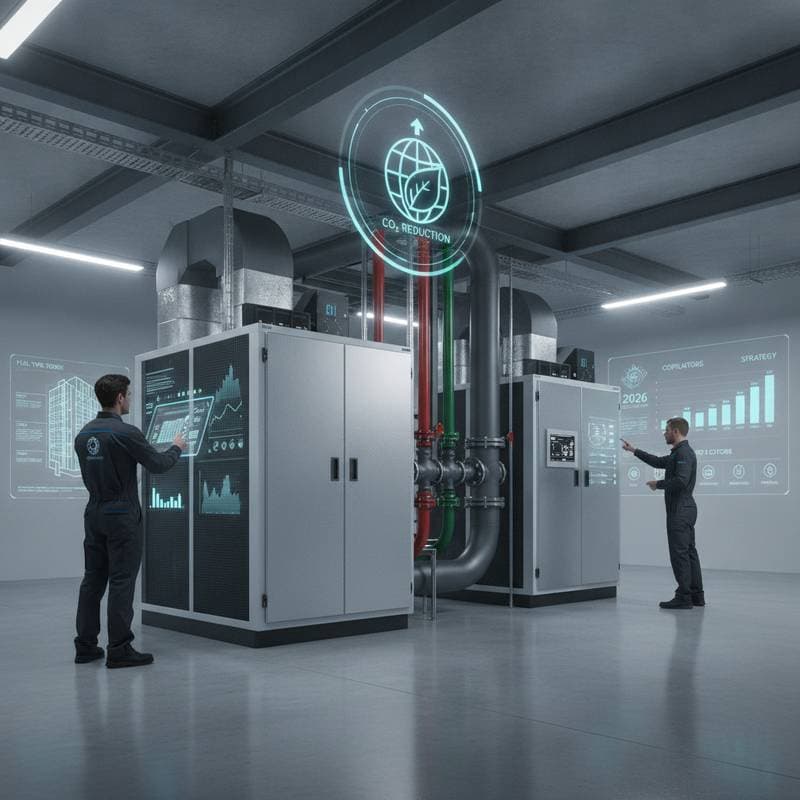
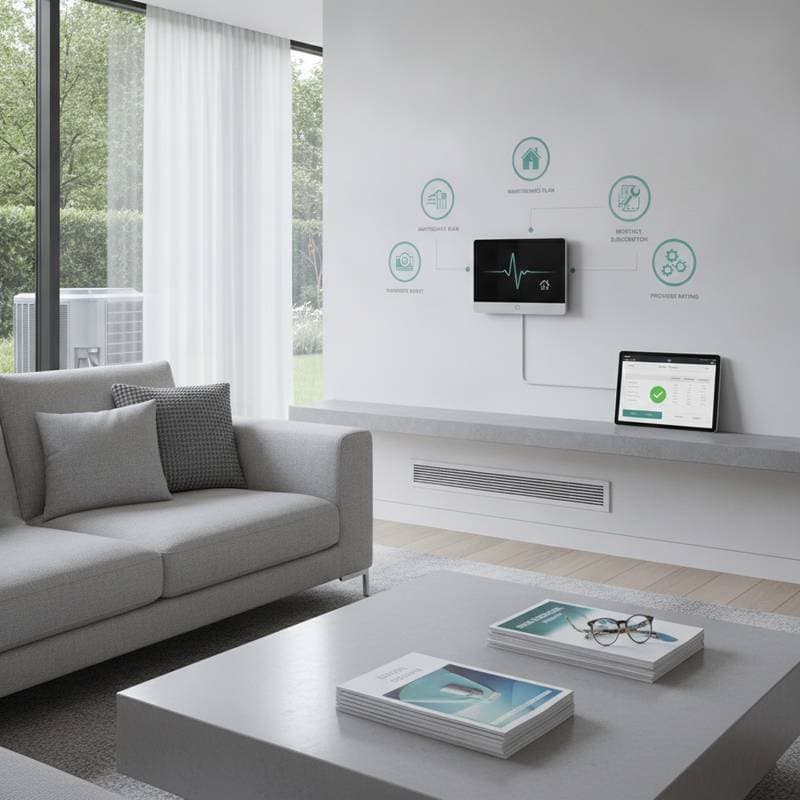
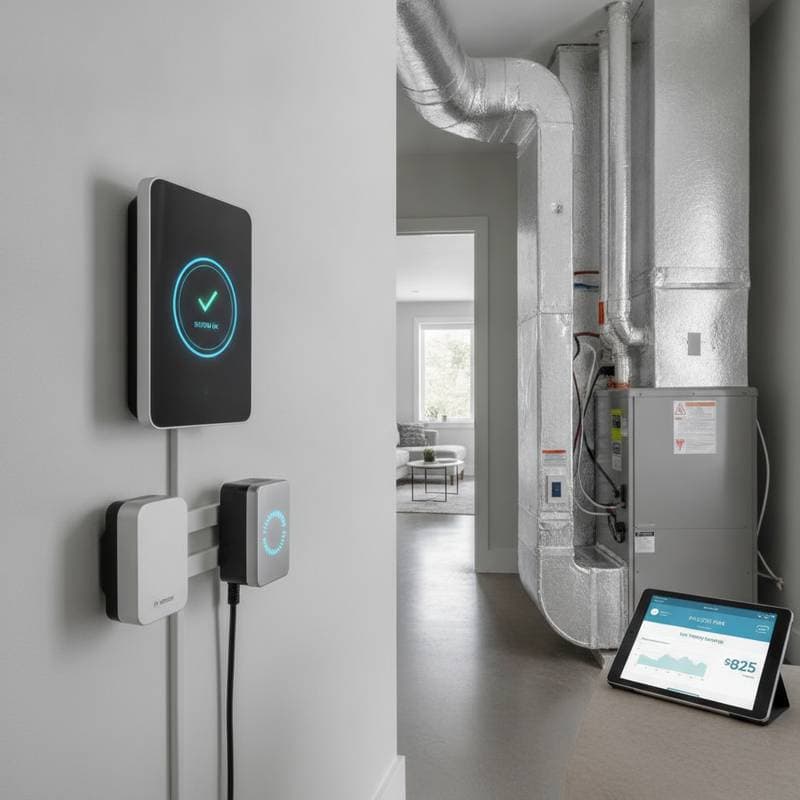
Predictive HVAC maintenance relies on smart sensors and artificial intelligence to identify problems before they cause breakdowns. Homeowners save an average of $800 per year in repair and energy costs. These systems track performance continuously and send alerts when efficiency drops or parts show signs of wear. Early intervention replaces costly emergency repairs with simple adjustments.
| Item | Average Annual Savings |
|---|---|
| Reduced Emergency Repairs | $300 - $400 |
| Lower Energy Bills | $200 - $300 |
| Extended Equipment Lifespan | $100 - $150 |
| Total Estimated Yearly Savings | $800+ |
Average Predictive HVAC Maintenance Costs
Homeowners typically spend between $200 and $600 each year on predictive HVAC monitoring. Pricing depends on the number of sensors, system complexity, and included analytics. Basic smart thermostats offer limited diagnostics at little or no added cost, while full sensor packages with cloud reporting require a larger initial investment that returns through avoided repairs.
| Service Type | Average Cost |
|---|---|
| Smart Thermostat with Basic Diagnostics | $150 - $250 |
| Full Predictive Monitoring Add-On | $300 - $600 |
| Professional Predictive Maintenance Plan | $400 - $800 |
| Traditional Annual Tune-Up (For Comparison) | $100 - $250 |
Predictive systems cost more upfront yet recover that expense quickly by preventing failures and reducing energy waste.
Key Factors That Affect Predictive Maintenance Price
Several elements determine the final cost of a predictive HVAC installation.
Type of Equipment Monitored
Systems can monitor furnaces, air conditioners, heat pumps, and mini-splits. Monitoring a single unit costs less than covering multiple zones or paired heating and cooling equipment. Bundled plans often reduce per-unit fees.
System Age and Compatibility
Older units may need extra adapters or sensors. Newer equipment frequently includes built-in connectivity that lowers installation time. Systems older than ten years usually require a technician visit to add monitoring hardware.
Data and Sensor Quality
Premium sensors capture airflow, temperature, vibration, and refrigerant pressure with high accuracy. Better data produces fewer false alerts and more precise efficiency recommendations. The added accuracy justifies the higher price over several seasons.
Subscription and Support Plan
Many platforms charge a monthly or annual fee for cloud analytics and alerts. Free tiers provide basic notifications, while paid plans include professional review of trends and direct recommendations.
Installation Complexity
Plug-and-play sensors install in under an hour. Integrated systems that link multiple zones or smart home platforms require more time and higher labor charges.
Types of Predictive HVAC Maintenance Systems
Homeowners select from three main categories.
Smart Thermostat Diagnostics
Leading smart thermostats detect temperature swings and filter restrictions. They install easily and connect to existing Wi-Fi networks.
Pros:
- Low cost and quick setup
- Basic energy reports and alerts
Cons:
- Limited ability to spot mechanical wear early
Sensor-Based Predictive Monitoring
Dedicated sensors attach to compressors, coils, and motors. Cloud software analyzes the data and forecasts failures.
Pros:
- Detailed performance tracking
- Early detection of component issues
Cons:
- Higher initial cost
- Professional installation required
Full-Service Predictive Maintenance Plans
These plans pair hardware with remote expert oversight. Technicians review data and schedule service before problems grow.
Pros:
- Hands-free monitoring
- Expert recommendations included
Cons:
- Ongoing subscription fees
Signs You Need Predictive Maintenance
Consider predictive monitoring when any of the following appear:
- Unexpected breakdowns or frequent service calls
- Rising energy bills without increased usage
- Uneven temperatures between rooms
- Unusual noises or vibrations
- Weak airflow from vents
- Difficulty holding steady indoor temperatures
Predictive tools often flag these conditions before occupants notice them.
The Predictive Maintenance Process
A typical installation follows seven steps.
- A technician places sensors on motors, compressors, fans, and coils.
- Sensors record temperature, vibration, pressure, and power use.
- Data travels to a cloud platform for continuous analysis.
- Artificial intelligence compares readings against normal patterns and flags deviations.
- Alerts reach the homeowner through an app or email, and the service provider may receive automatic notification.
- A technician reviews the data and suggests targeted actions such as coil cleaning or part replacement.
- Maintenance occurs before failure, and ongoing data collection refines future predictions.
Predictive Maintenance Labor Costs
Labor charges vary with service type.
| Labor Type | Typical Cost |
|---|---|
| Sensor Installation | $100 - $300 |
| System Calibration and Testing | $75 - $200 |
| Annual Data Review and Maintenance | $150 - $400 |
| Emergency Visit (If Needed) | $100 - $250 |
Early detection eliminates most emergency visits that exceed $200 each.
Frequently Asked Questions About Predictive HVAC Maintenance
What is predictive HVAC maintenance?
Predictive HVAC maintenance uses sensors and AI to watch system performance around the clock. It identifies unusual patterns that signal impending failure and allows repairs at lower cost.
How does AI help my HVAC system?
Artificial intelligence compares live data to established benchmarks. When readings fall outside normal ranges, the system issues an alert so small issues receive attention before they become major repairs.
How much can I really save with predictive maintenance?
Most homeowners save approximately $800 annually through fewer breakdowns, lower energy consumption, and reduced emergency calls. Actual savings depend on equipment age and response time to alerts.
Do I still need regular tune-ups with predictive monitoring?
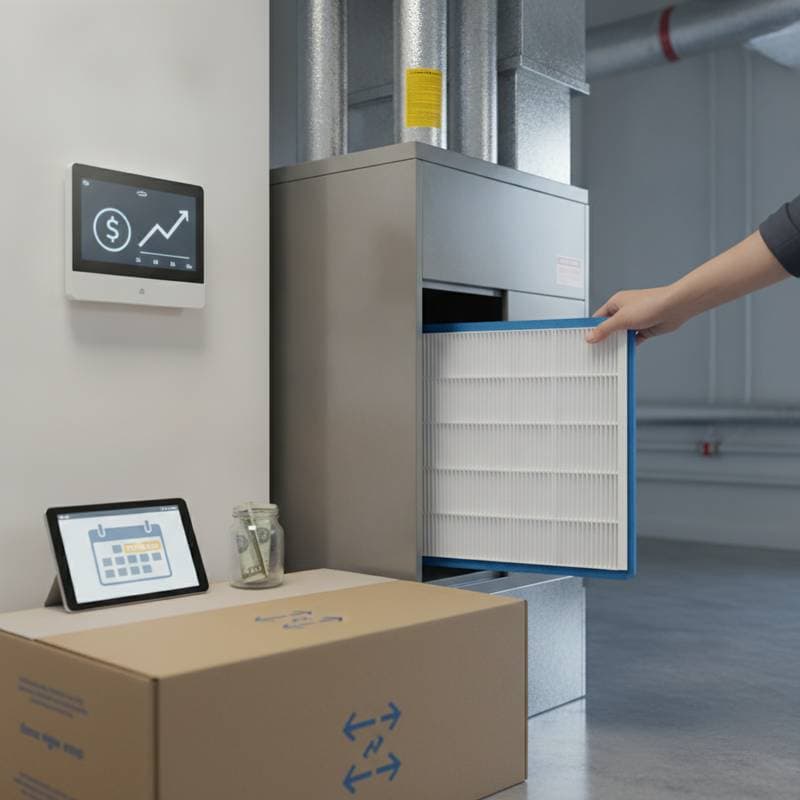
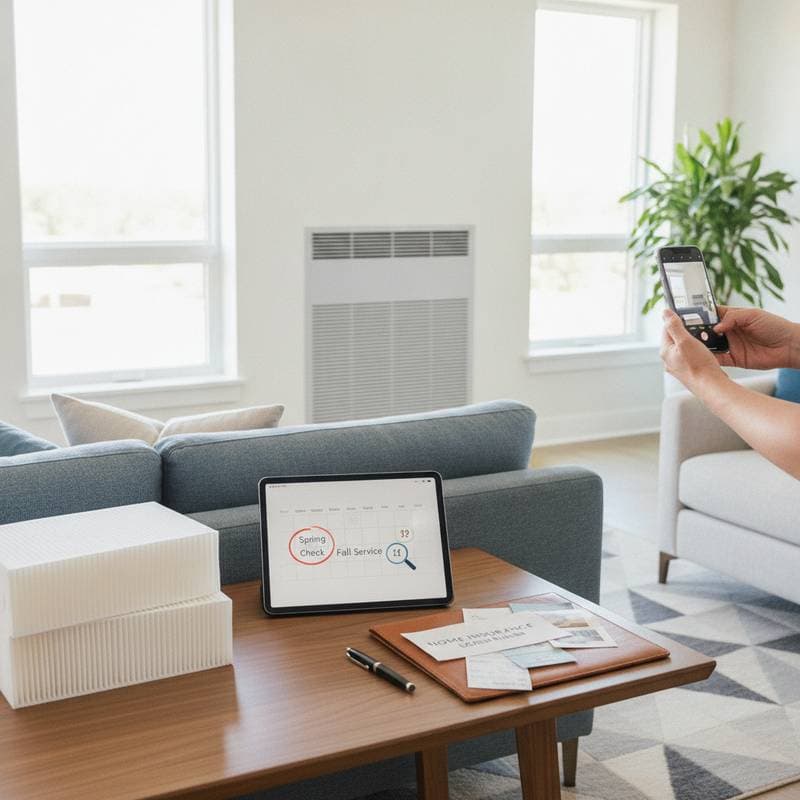
Predictive monitoring supports but does not replace seasonal inspections. Annual visits remain necessary to clean coils, change filters, and verify refrigerant levels.
Can predictive HVAC systems integrate with my smart home?
Most current platforms connect to popular smart home systems, thermostats, and mobile apps for remote monitoring and control.
Is predictive maintenance worth it for older systems?
Older equipment benefits from the same alerts, although additional sensors may be required. The data also helps owners plan replacement timing.
How do I choose a predictive HVAC service provider?
Select providers that publish clear pricing, perform professional installation, and supply ongoing data review with real-time alerts.
Schedule a Predictive HVAC Consultation
Predictive HVAC monitoring delivers steady comfort and measurable savings by catching problems early. Homeowners who adopt the approach reduce annual costs and extend equipment life. Contact a qualified HVAC professional to review options that match your system and household needs.