Humidity Control Systems Cut Allergies 58%: How Whole-Home Dehumidifiers Improve Air Quality and Comfort
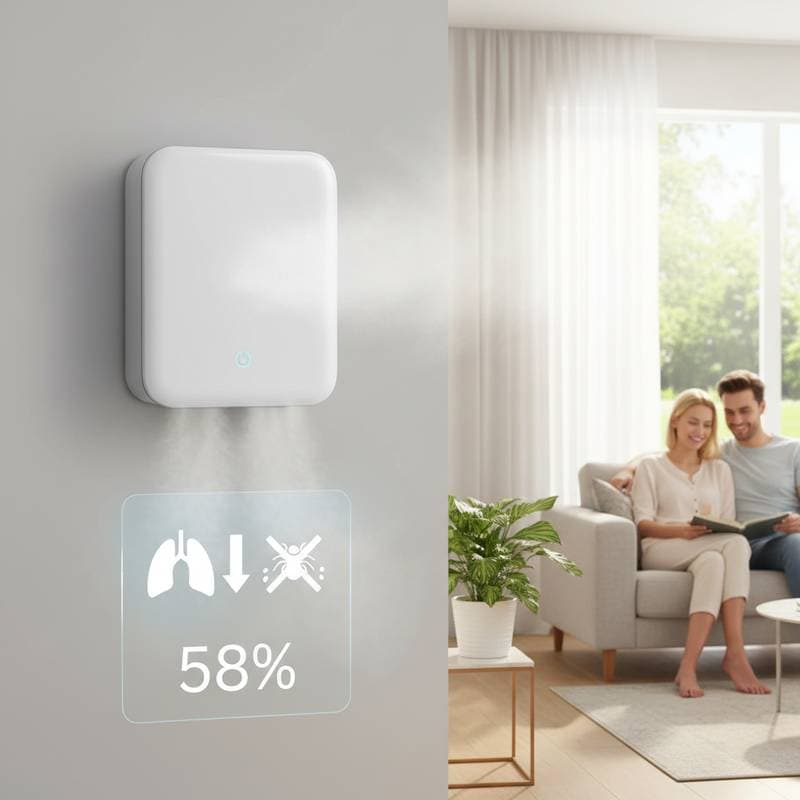
If you or someone in your household struggles with allergies, you know how frustrating it can be to manage sneezing, itchy eyes, and congestion inside your own home. The good news is that humidity control systems can dramatically reduce allergy symptoms. Studies have shown that proper humidity regulation can cut allergy triggers by up to 58 percent, making your home more comfortable and your air noticeably healthier.
This article explains how humidity affects allergies, what a humidity control system does, and why a whole-home dehumidifier is one of the most effective solutions for lasting allergy relief. You will also learn what to expect during installation, what maintenance involves, and when to call a professional for help.
What Is a Humidity Control System?
A humidity control system is designed to keep indoor air moisture levels within a healthy range, usually between 30 and 50 percent. By managing humidity, it helps prevent mold growth, dust mite activity, and other airborne irritants that can worsen allergy symptoms.
There are two main types of systems that control humidity:
- Whole-home dehumidifiers that reduce excess moisture across the entire house.
- Whole-home humidifiers that add moisture during dry seasons.
For allergy reduction, the focus is typically on dehumidifiers because high humidity encourages mold and dust mites, two of the most common indoor allergens.
How Humidity Influences Allergies
Humidity might seem harmless, but it plays a huge role in your indoor air quality. When the air is too moist, allergens thrive. When it is too dry, your nose and skin can become irritated, which also makes allergy symptoms worse.
Here is what happens when humidity is not balanced:
- High humidity creates a breeding ground for mold, mildew, and dust mites. These microscopic organisms release particles that trigger allergic reactions.
- Low humidity dries out your nasal passages and throat, making it easier for allergens and bacteria to irritate your respiratory system.
The key is to maintain balanced humidity throughout your home. A whole-home humidity control system automatically adjusts moisture levels, so you breathe cleaner and more comfortable air year-round.
Common Signs You Need a Whole-Home Dehumidifier
If you notice any of the following issues, your home may have excess humidity and could benefit from a whole-home dehumidifier:
- Musty odors that never seem to go away
- Visible mold on walls, ceilings, or around windows
- Condensation on windows or cold surfaces
- Sticky or clammy indoor air even when the air conditioner is running
- Increased allergy or asthma symptoms inside your home
- Wood floors or furniture that feel damp or warped
These are clear signs that moisture is collecting indoors. While a portable dehumidifier might help a single room, it cannot solve the problem throughout the entire house. A whole-home unit connects directly to your HVAC system to manage humidity levels everywhere at once.
Key Benefits of Humidity Control for Allergy Reduction
Installing a humidity control system does more than make your home feel comfortable. It actively improves the health of your indoor air and protects your belongings. Here are the top benefits that homeowners see after installing a whole-home dehumidifier:
- Fewer allergy symptoms. By keeping humidity within a healthy range, the system prevents mold and dust mite growth, which can cut allergy triggers by more than half.
- Better air quality. Balanced humidity supports cleaner air and reduces airborne particles that cause respiratory irritation.
- Improved comfort. The air feels cooler and fresher when humidity is controlled, even at higher thermostat settings.
- Protection for your home. Controlled humidity prevents structural damage, peeling paint, and warped wood floors caused by excess moisture.
- Energy savings. Because dry air feels cooler, your air conditioner runs less often, which can lower your energy bills.
How Whole-Home Dehumidifiers Work
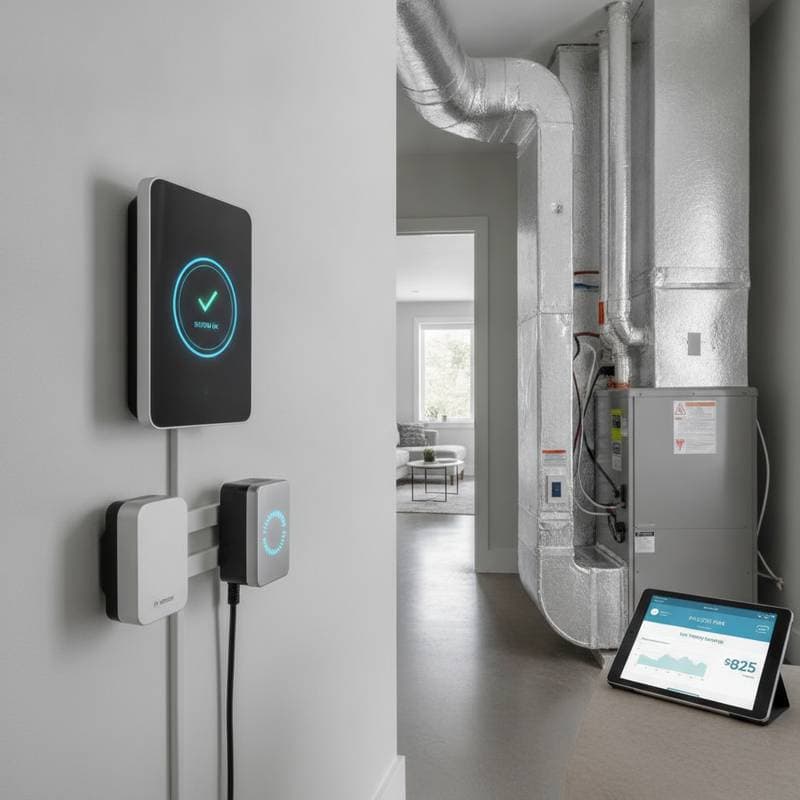
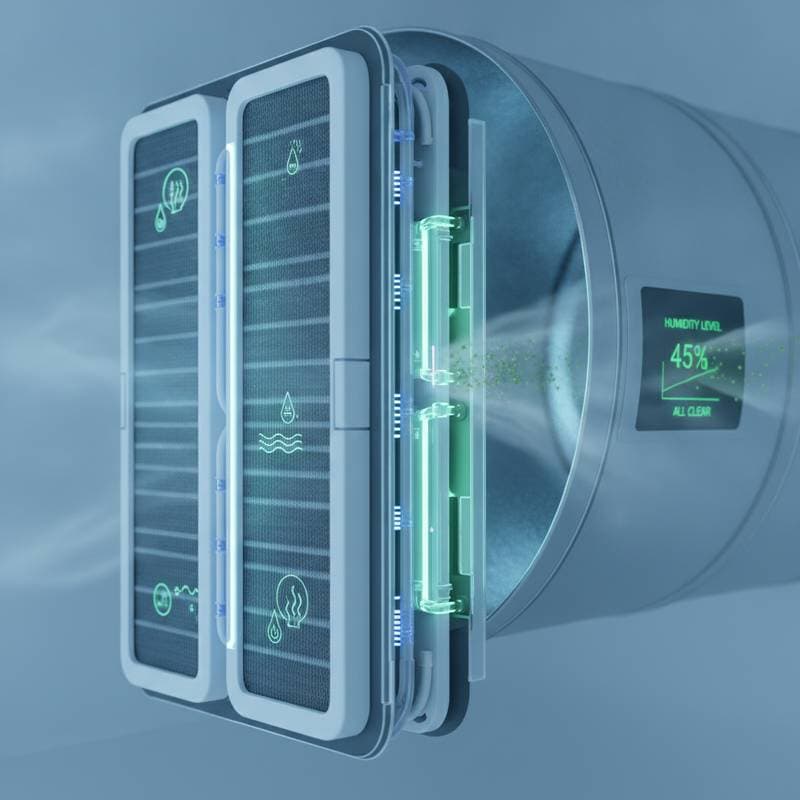
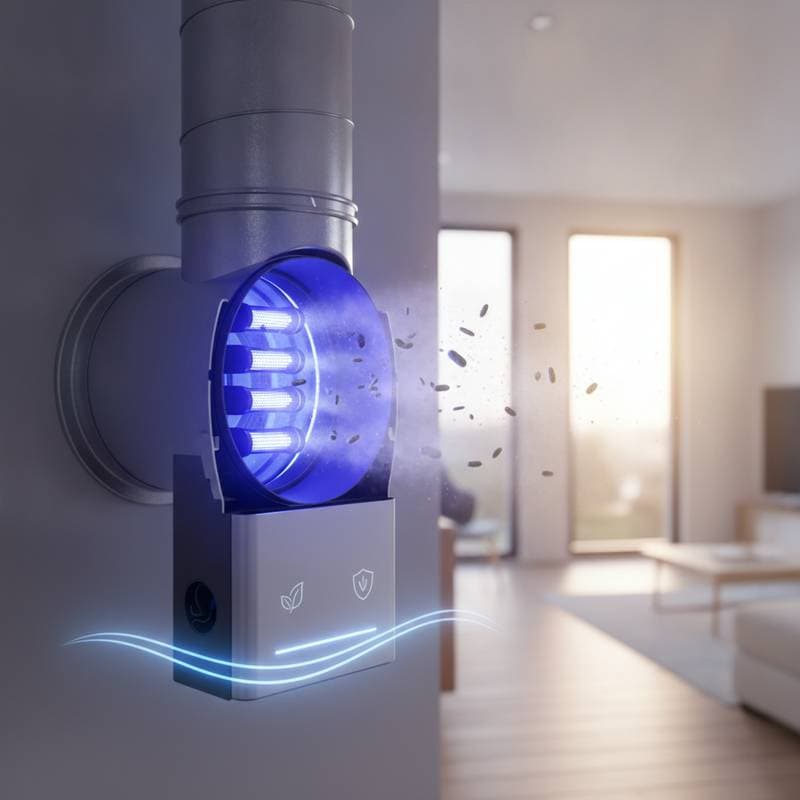
A whole-home dehumidifier integrates with your existing HVAC system. It draws warm, moist air from your return ducts, removes excess moisture, and sends dry air back into your living spaces.
Here is a simple breakdown of how the process works:
- Air intake. The system pulls humid indoor air into the dehumidifier through the HVAC return ducts.
- Moisture removal. The air passes over refrigerated coils that condense moisture into water.
- Drainage. Collected water drains out of your home through a hose connected to your plumbing or a floor drain.
- Dry air circulation. The dehumidified air is distributed evenly throughout your home.
This process runs automatically, maintaining consistent humidity levels without you having to monitor it constantly.
Key Factors Affecting Humidity Control System Cost
The cost of installing a whole-home humidity control system varies based on several factors. Understanding these can help you plan your budget and choose the right system for your needs.
- Home size. Larger homes require higher-capacity units to manage moisture effectively.
- System type. Whole-home dehumidifiers typically cost more than portable units, but they provide far greater coverage and efficiency.
- Integration with HVAC. Installation complexity can affect pricing. Homes with modern HVAC systems may need fewer modifications.
- Brand and quality. Premium brands often come with advanced features like smart controls, energy-efficient components, and longer warranties.
- Labor and location. Local labor rates and regional climate conditions can influence total installation costs.
Most homeowners can expect the total cost, including installation, to fall within a broad range. Always request a detailed estimate from a licensed HVAC contractor who can assess your home layout and moisture levels.
DIY Humidity Control vs. Hiring a Professional
It might be tempting to tackle humidity control on your own, especially if you already own a portable dehumidifier. While you can safely perform some basic checks, installing or servicing a whole-home system should always be handled by a professional.
What You Can Do Yourself
- Monitor your home humidity using a hygrometer.
- Empty and clean portable dehumidifiers regularly.
- Ensure vents are open and unobstructed.
- Use exhaust fans in kitchens and bathrooms to reduce moisture buildup.
When to Call a Professional
A professional HVAC technician should handle the following:
- Installing or replacing a whole-home dehumidifier.
- Connecting the system to your HVAC ductwork and electrical supply.
- Diagnosing persistent humidity issues or moisture damage.
- Performing annual maintenance and system calibration.
Attempting to install a whole-home unit without proper training can lead to electrical hazards, water leaks, or system damage. A licensed professional ensures the system is correctly sized, safely installed, and fine-tuned for your home specific needs.
The Installation Process
If you decide to install a whole-home dehumidifier, knowing what to expect can make the process smooth and stress-free. Here is a general overview of how professionals handle the job:
- Initial assessment. The technician inspects your home and HVAC system to determine the ideal dehumidifier size and placement.
- System selection. Based on your home square footage, insulation, and moisture levels, the technician recommends the best unit.
- Installation. The dehumidifier is connected to your ductwork and drainage system. This step may involve minor modifications to ensure proper airflow.
- Calibration and testing. The technician sets your desired humidity range and tests the system to confirm balanced performance throughout your home.
- Maintenance guidance. Before leaving, the technician explains how to monitor the system and when to schedule checkups.
The entire process usually takes a few hours, and your HVAC system can continue running during most of the installation.
Maintaining Your Humidity Control System
Regular maintenance keeps your dehumidifier working efficiently and extends its lifespan. You can perform some tasks yourself, but a yearly professional inspection is still recommended.
Here are some basic upkeep steps:
- Change or clean air filters as recommended by the manufacturer. Dirty filters restrict airflow and reduce efficiency.
- Check the drain line to ensure water can flow freely. A clogged drain can cause leaks or system shutdowns.
- Inspect humidity settings periodically to ensure the system maintains the right moisture balance.
- Schedule professional maintenance once a year to check electrical connections, refrigerant levels, and system calibration.
When maintained properly, a whole-home dehumidifier can last many years and continue to provide consistent allergy relief.
Frequently Asked Questions
How do humidity control systems reduce allergies?
They prevent mold, dust mites, and bacteria from thriving by keeping moisture levels in check. Balanced humidity reduces airborne allergens, creating cleaner air and fewer triggers for allergy symptoms.
Can a portable dehumidifier work as well as a whole-home system?
Portable units help in small areas like basements or bedrooms, but they cannot control humidity across the entire house. A whole-home system ensures every room maintains balanced moisture levels for consistent results.
How often should I run my whole-home dehumidifier?
Most systems operate automatically whenever humidity rises above your set level. You can adjust settings seasonally, but the system should run as needed to maintain comfort and prevent moisture buildup.
Will a dehumidifier make my home too dry?
When properly calibrated, a whole-home dehumidifier will not over-dry your air. It is designed to maintain an optimal humidity range that protects both your health and your home interior.
Can humidity control help with asthma too?
Yes. Reducing humidity limits mold spores and dust mites, which are common asthma triggers. Cleaner, balanced air can make breathing easier for those with asthma or other respiratory conditions.
Schedule Professional Humidity Assessment
Contact a licensed HVAC contractor to evaluate your current moisture levels and recommend a system sized for your home. Proper installation delivers lasting relief from allergy symptoms while protecting indoor air quality and structural integrity.