Heat Pump Dryers Cut Energy Use 50% via HVAC Integration
Drying clothes ranks among the largest energy expenses in most homes. Traditional vented dryers release warm air outdoors. This process wastes heat and forces the HVAC system to work harder to maintain indoor temperatures.
Heat pump dryers provide a smarter alternative. They cut energy use by up to 50 percent while improving indoor comfort through better integration with heating and cooling systems. The following sections explain how these appliances operate, why they deliver higher efficiency, and how they support an overall home energy strategy.
What Is a Heat Pump Dryer?
A heat pump dryer applies the same technology found in home heat pumps. It pulls in ambient air, extracts moisture from laundry, and recycles the warm air inside a closed loop. This approach produces gentle, consistent drying with minimal wasted heat.
Conventional dryers vent warm air outside. A heat pump dryer condenses moisture into water and drains it away instead. The sealed design retains heat inside the home and reduces the load on the HVAC system. The benefit appears most clearly in well insulated homes that require stable indoor conditions.
How Heat Pump Dryers Work with Your HVAC System
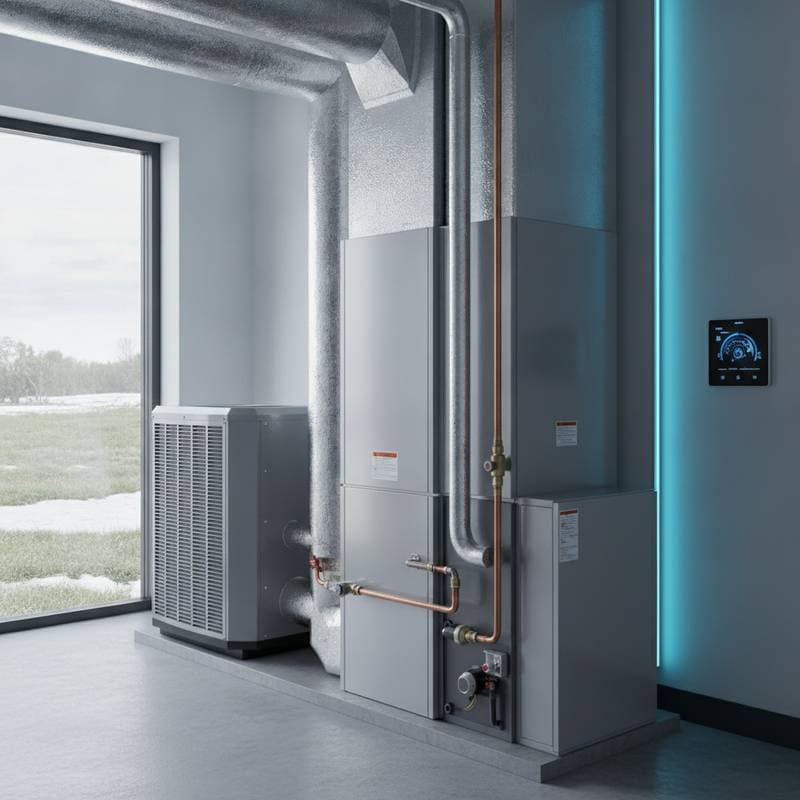
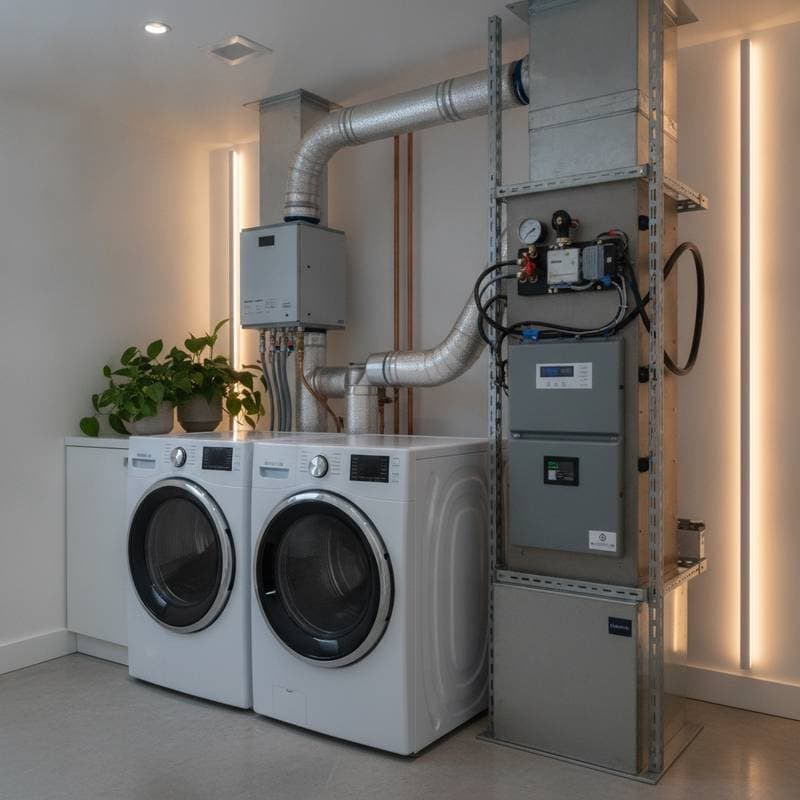
Heat pump dryers align naturally with modern HVAC systems that emphasize energy recovery and balanced airflow. Because these dryers do not exhaust air outdoors, they help maintain stable indoor air pressure. The HVAC system therefore expends less energy replacing lost air and experiences reduced wear.
Many homeowners observe that laundry rooms remain cooler and less humid. The condensing system removes moisture rather than releasing it into the room. When the HVAC system avoids counteracting added humidity or temperature swings, it runs more efficiently across the entire home.
Homes equipped with an energy recovery ventilator or heat recovery ventilator gain additional advantages. Both technologies recycle energy that would otherwise escape, which creates a more balanced indoor environment.
Key Benefits of Using a Heat Pump Dryer
Switching to a heat pump dryer delivers advantages beyond energy reduction. It also supports a healthier, quieter, and more consistent living space. The primary benefits include the following points.
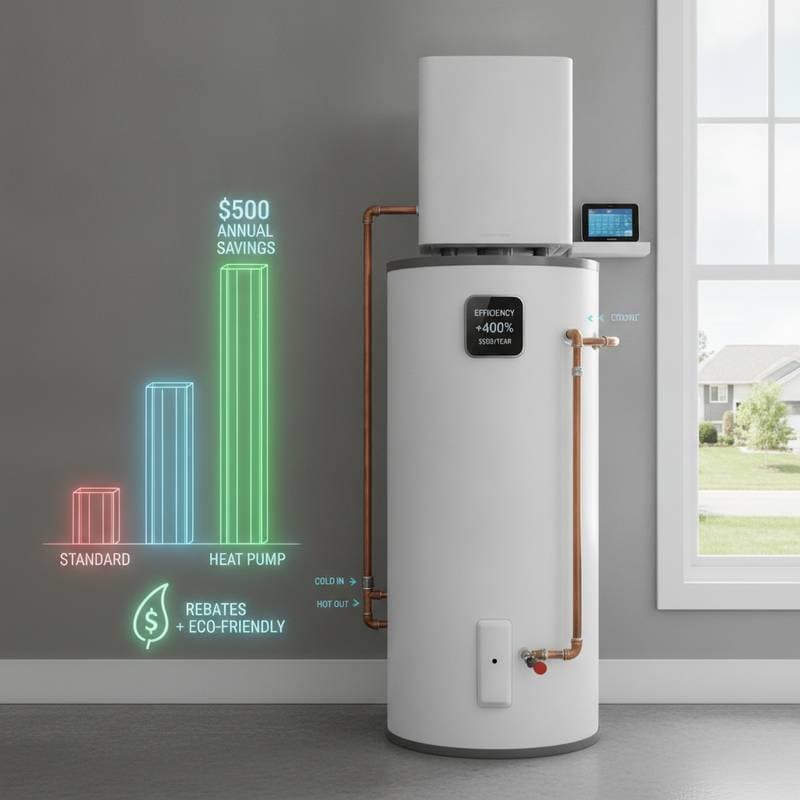
- Energy efficiency reaches up to 50 percent lower electricity use because the unit recycles heat instead of venting it.
- HVAC load decreases as steady indoor conditions reduce strain on heating and cooling equipment.
- Lower operating temperatures protect fabrics and extend clothing life.
- Installation requires no exterior vent, which suits apartments, condos, and interior laundry areas.
- Indoor air quality improves because lint, dust, and humidity stay out of living spaces.
Common Signs You Should Upgrade to a Heat Pump Dryer
Several indicators suggest it is time to replace an older dryer. Review the following conditions to decide whether an upgrade fits current needs.
- The laundry room becomes hot or humid after each cycle.
- Clothes require longer drying times even with small loads.
- The dryer vent clogs frequently and needs repeated cleaning.
- A remodeling project includes HVAC upgrades for better efficiency.
- The household goal includes lowering overall carbon output.
When paired with an efficient HVAC system, a heat pump dryer often produces a measurable drop in monthly energy costs.
Factors Affecting Heat Pump Dryer Efficiency
Several variables determine the actual energy savings. Understanding these elements helps maximize performance.
- Laundry load size affects airflow. Smaller, balanced loads dry faster and consume less energy.
- Room temperature and ventilation matter. Heat pump dryers perform best in moderate indoor conditions.
- Regular maintenance preserves efficiency. Cleaning the lint filter and condenser after each use prevents performance loss.
- HVAC integration quality influences results. Homes with balanced airflow and energy recovery systems capture the largest gains.
- Energy Star ratings guide selection. Higher rated models deliver greater long term savings.
DIY Maintenance vs. Hiring a Pro
Homeowners can complete basic tasks such as cleaning the lint filter after each cycle and wiping the moisture sensor. Emptying the water tank or checking the drain line also falls within typical homeowner capabilities.
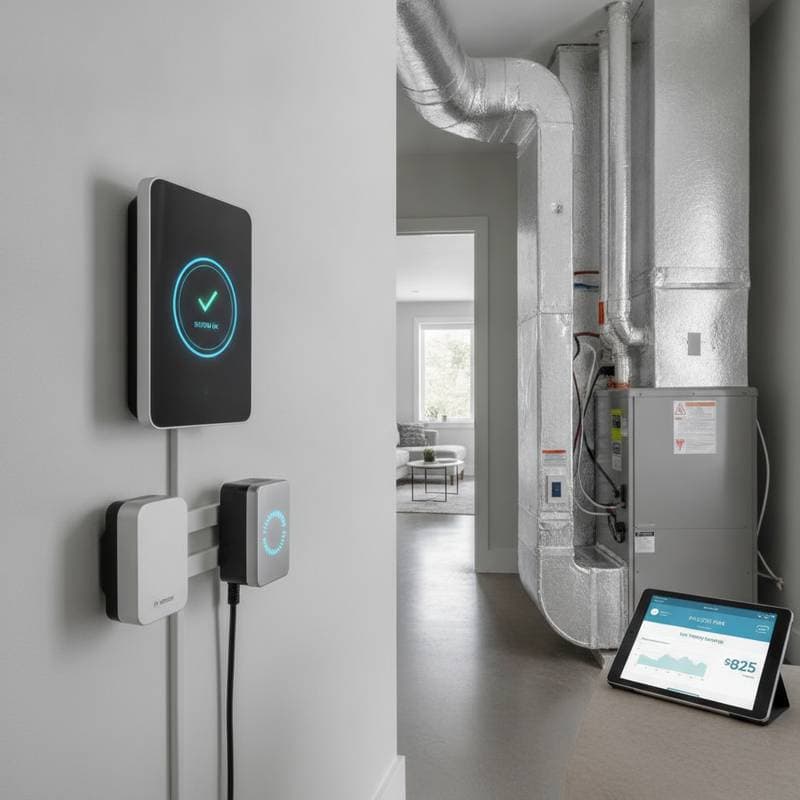
Any task beyond routine cleaning requires a qualified technician. Professionals check refrigerant levels, inspect seals, and confirm that airflow and temperature sensors remain calibrated. When the dryer connects to a smart home or HVAC control system, a technician verifies proper communication between components. Work involving refrigerant or internal parts must stay with trained personnel for safety reasons.
The Installation and Integration Process
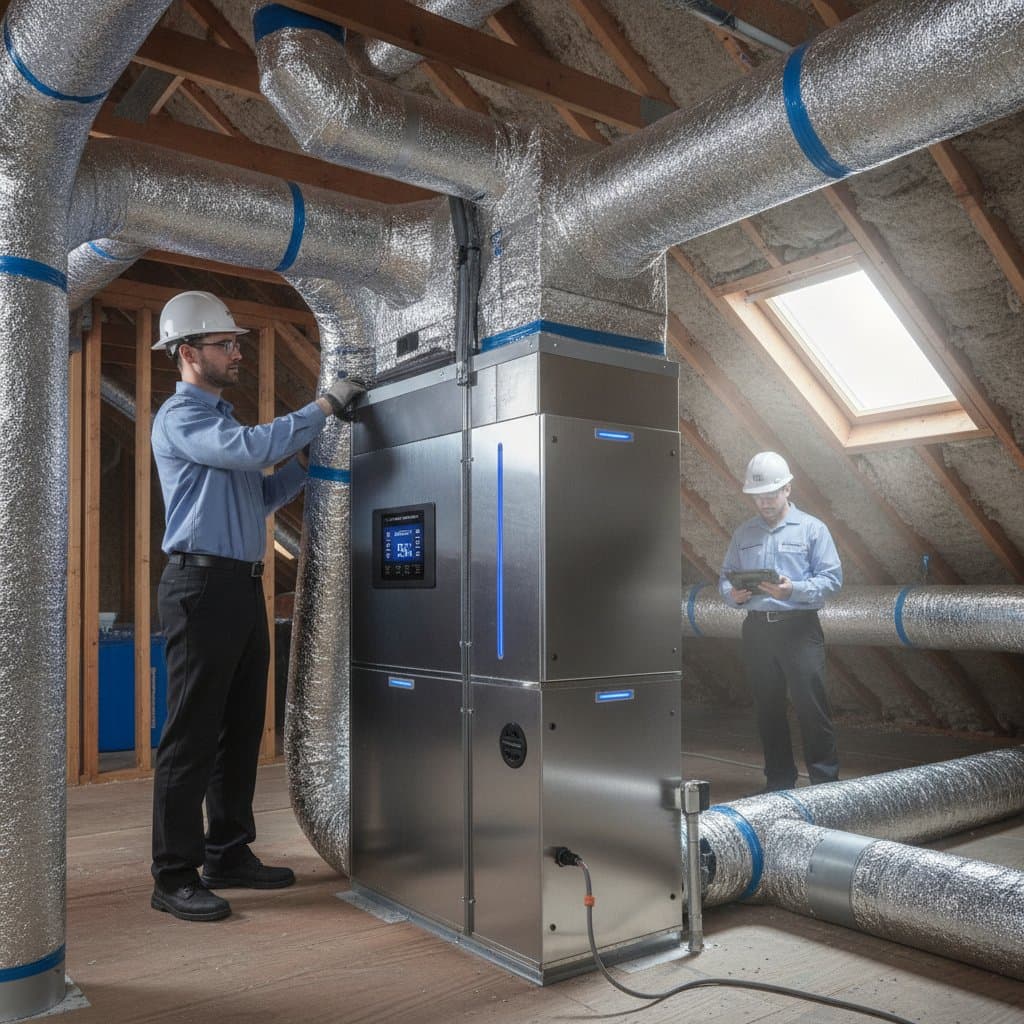
Professional installation ensures the unit achieves its rated performance. The process follows a clear sequence.
- The installer evaluates space, electrical access, and ventilation requirements.
- The dryer is leveled, connected to power, and positioned for optimal airflow.
- The technician connects the condensate drain or installs a removable tank.
- The unit undergoes testing for correct heating, cooling, and moisture removal cycles.
- When integration with the HVAC system is planned, the technician confirms that airflow balance and pressure levels remain undisturbed.
Proper installation protects both energy savings and safe operation.
Frequently Asked Questions
How much can I really save with a heat pump dryer?
Most households achieve 40 to 50 percent energy reduction compared with traditional vented models. Actual savings depend on usage patterns, load sizes, and overall home efficiency.
Do heat pump dryers take longer to dry clothes?
Cycles often run slightly longer. The lower temperatures protect fabrics and reduce energy cost per load, which offsets the added time.
Can I install a heat pump dryer anywhere in my home?
Yes. The absence of an exterior vent allows placement in interior rooms, closets, or utility spaces. Adequate airflow and access to a drain or tank remain necessary.
Are heat pump dryers noisy?
These units operate more quietly than conventional models. The compressor produces a soft hum, and the lack of an exhaust fan further reduces overall sound.
How long does a heat pump dryer last?
With routine maintenance and professional service, most models operate for ten years or longer, comparable to standard dryers.
Integrating Heat Pump Dryers into Your Home Strategy
A heat pump dryer works with the HVAC system to lower utility costs and maintain comfortable conditions. Recycling heat and preserving balanced airflow make it a practical choice for households focused on efficiency. Consult a qualified HVAC or appliance professional to confirm correct installation and integration.