2026 Air Conditioners Deliver 18 Percent Greater Efficiency Under SEER3 Standards
Air conditioners that meet the new SEER3 efficiency ratings operate about 18 percent more efficiently than current models. Homeowners can expect lower energy bills along with steadier indoor temperatures once these systems become standard. The update establishes a higher performance benchmark that reduces both operating costs and environmental impact.
| Efficiency Standard | Average Improvement | Expected Energy Savings |
|---|---|---|
| SEER2 (current standard) | Baseline | - |
| SEER3 (new standard) | 18 percent higher | Up to 20 percent on cooling costs |
How SEER3 Ratings Affect Homeowners
SEER stands for Seasonal Energy Efficiency Ratio and measures cooling output relative to energy consumed. A higher rating indicates better efficiency. SEER3 replaces SEER2 with testing procedures that mirror actual home conditions more closely, allowing buyers to compare units on realistic performance data.
Design Changes That Improve SEER3 Performance
Manufacturers reach the new ratings by refining compressors, coils, and refrigerant management. These upgrades cut energy waste and reduce on-off cycling while maintaining desired temperatures.
Variable-Speed Compressors
Variable-speed compressors modulate output to match the cooling load instead of running at full capacity. This approach lowers electricity use and extends equipment life.
Upgraded Coils and Refrigerants
Larger or redesigned evaporator and condenser coils improve heat transfer. New refrigerants that operate at lower pressures move heat more effectively and support the efficiency gains required by SEER3 testing.
Practical Advantages of SEER3 Systems
- Reduced monthly electricity costs from higher system performance
- Lower demand on the electrical grid during peak summer hours
- Decreased greenhouse gas emissions tied to efficient operation
- More consistent room temperatures from modulated cooling output
- Increased resale appeal for homes equipped with high-efficiency equipment
Timing an Upgrade to Meet SEER3 Requirements
Owners of systems older than ten years should evaluate replacement before the new standards take effect. Although purchase prices rise modestly, the efficiency improvement typically recovers the added cost through lower utility bills within several years. Contact a licensed contractor early to confirm which models will comply with SEER3 labeling.
Installation Steps for a SEER3 Unit
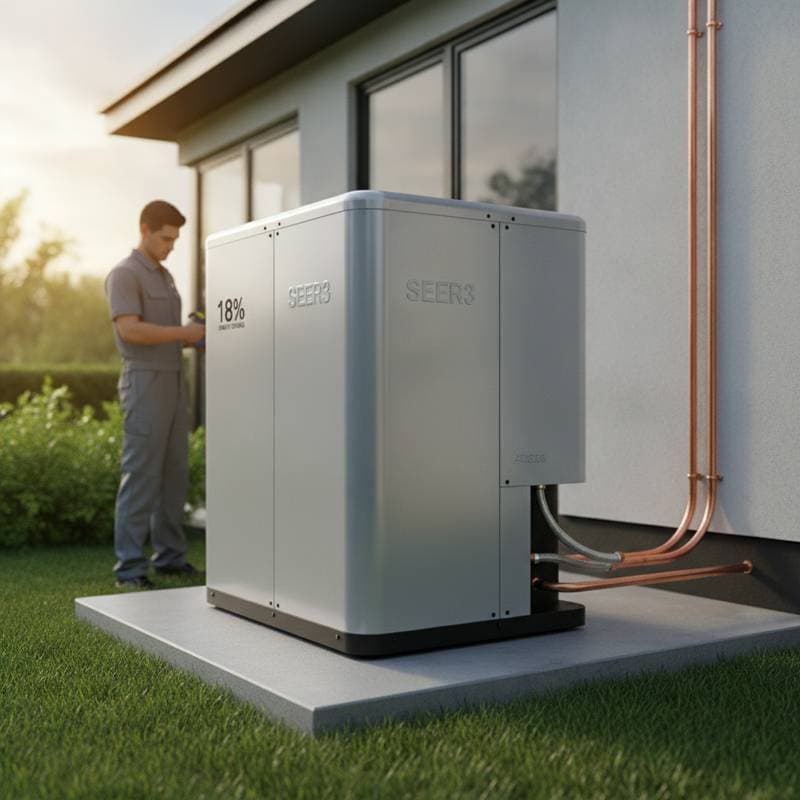
A technician first calculates the home cooling load to select the correct capacity. The crew removes the existing equipment, connects new refrigerant lines, and integrates updated controls. Most residential installations finish in one day, after which the system runs more quietly and efficiently than older units.
Common Questions About SEER3 Ratings
How does SEER3 differ from SEER2?
SEER3 applies revised test conditions that better represent seasonal operation, producing ratings homeowners can trust when estimating real energy use.
Do SEER3 units cost more to purchase?
Initial prices increase because of advanced components, yet reduced operating expenses offset the difference over the life of the equipment.
Can an existing air conditioner remain in service?
Units that continue to cool effectively may stay in place. The new standards apply primarily to new installations and replacements.
Will SEER3 ratings change rebate eligibility?
Many utility and government programs tie incentives to efficiency ratings. Higher SEER3 numbers often qualify for larger rebates or tax credits under current guidelines.
When should homeowners schedule replacement?
Systems that require frequent repairs or exceed ten years of service benefit from earlier replacement to capture efficiency savings and avoid future compliance issues.
Selecting a SEER3 System for Long-Term Savings
Compare available models on both SEER3 rating and total cooling capacity before purchase. Proper sizing and professional installation ensure the projected energy reductions materialize and deliver ongoing comfort.