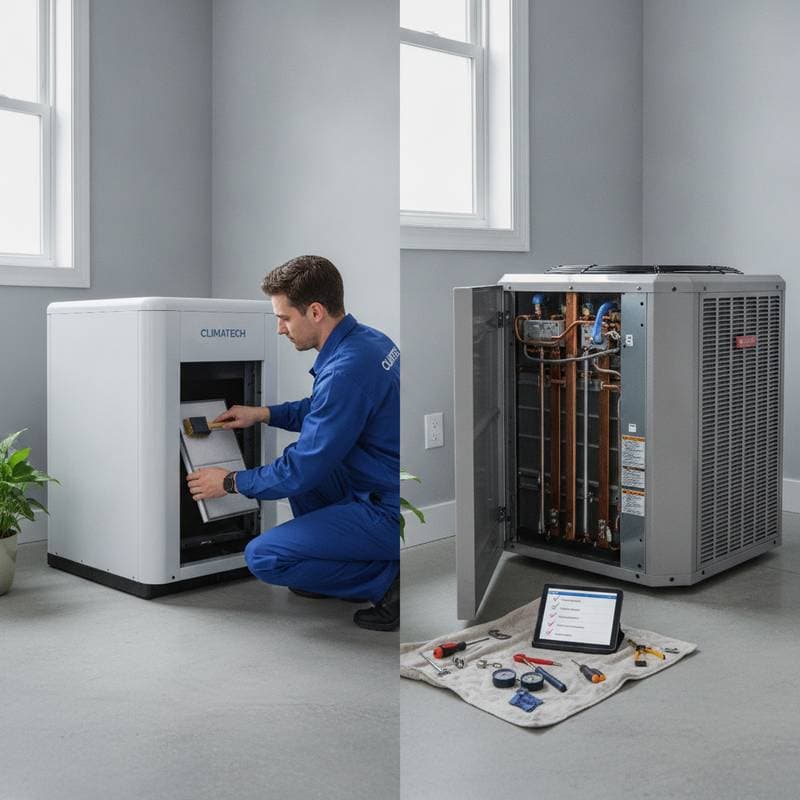
15-Point Spring Checklist Prevents HVAC Breakdowns
A smooth-running HVAC system keeps a home comfortable and efficient as temperatures rise. Spring offers the ideal window for a thorough inspection before summer heat arrives. Following a 15-point spring HVAC maintenance checklist helps prevent unexpected breakdowns, extends system lifespan, and lowers energy bills. Homeowners can complete several steps themselves while knowing when to call professionals.
Why Spring HVAC Maintenance Matters
Seasonal maintenance keeps an HVAC system efficient and safe. Dust, pollen, and debris accumulate during winter months and restrict airflow. A detailed inspection identifies minor issues before they require expensive repairs. Regular care also supports better indoor air quality and steady cooling performance.
The 15-Point Spring HVAC Maintenance Checklist
1. Inspect and Replace Air Filters
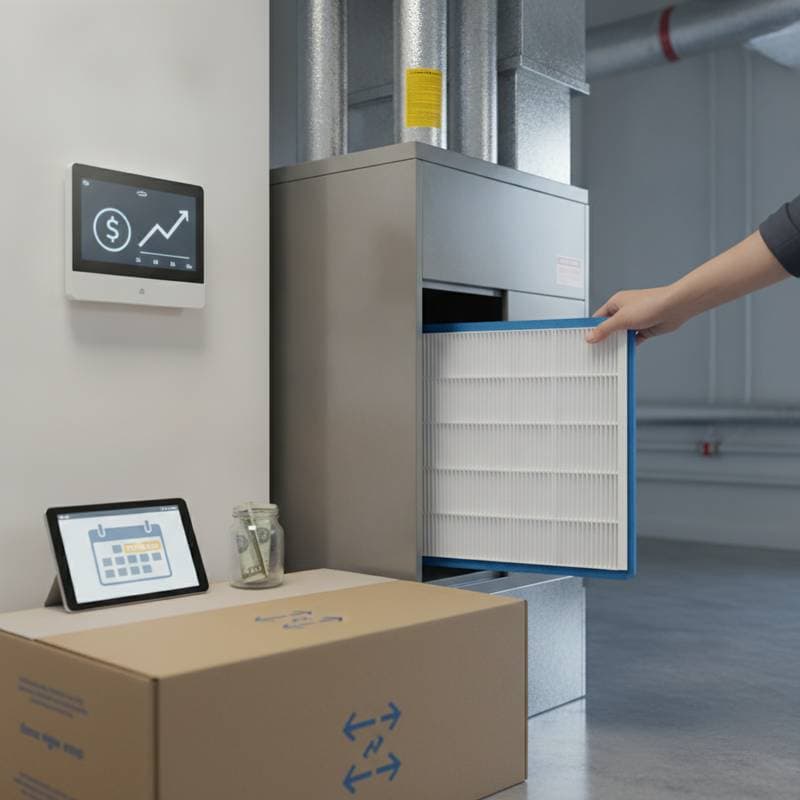
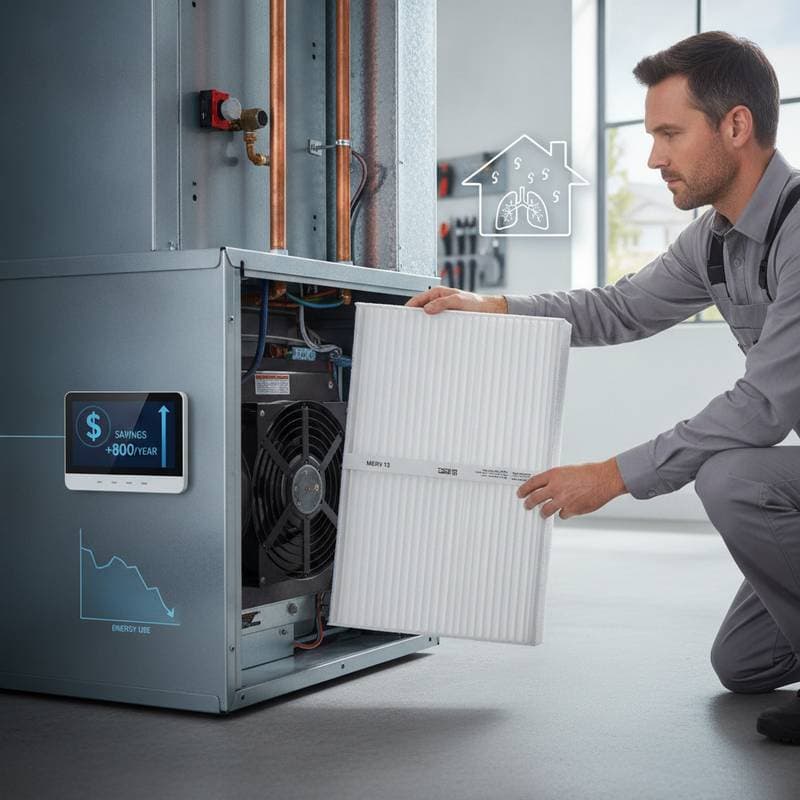
Dirty filters restrict airflow and force the system to work harder. Replace disposable filters or clean reusable ones every three months. This step improves efficiency and prevents dust from circulating indoors.
2. Check Thermostat Settings
Confirm that the thermostat reads the indoor temperature accurately. A programmable or smart model provides better control and reduces energy use during the cooling season.
3. Examine the Outdoor Unit
Clear leaves, dirt, and branches from around the outdoor condenser. Maintain at least two feet of clearance on all sides for proper airflow. This prevents overheating and supports efficient operation.
4. Clean the Condenser Coils
Dirt on the coils reduces cooling efficiency. Apply a gentle coil cleaner and use a soft brush or hose to remove buildup. Disconnect power before cleaning to avoid electrical hazards.
5. Inspect Refrigerant Lines
Look for cracks or leaks along the refrigerant lines. Low refrigerant causes poor cooling and can damage the compressor. Contact a licensed technician if a leak appears.
6. Check Electrical Connections
Loose or corroded wiring can cause short circuits. Inspect visible connections and tighten loose components. Internal electrical testing requires a qualified professional.
7. Lubricate Moving Parts
Motors, fans, and bearings need lubrication to reduce friction. Use manufacturer-recommended oil at any available ports. Proper lubrication prevents premature wear.
8. Clear the Condensate Drain Line
A clogged drain line leads to water leaks and mold growth. Flush the line with water mixed with mild vinegar. Clear lines prevent moisture damage inside the home.
9. Inspect Ductwork for Leaks
Leaky ducts waste energy and reduce cooling efficiency. Check for loose connections or visible gaps. Seal leaks with foil tape or mastic to improve airflow.
10. Check System Airflow
Ensure vents and registers remain open and unobstructed. Move furniture, rugs, or curtains that block airflow. Balanced airflow maintains consistent comfort in every room.
11. Test the System Start Cycle
Run a complete cooling cycle to verify proper start, run, and shutoff. Listen for unusual noises or vibrations that signal worn parts. Early detection avoids larger failures.
12. Inspect the Blower Motor and Belt
The blower distributes conditioned air throughout the home. Check the belt for cracks and confirm the motor spins freely. A worn belt or sluggish motor reduces performance.
13. Clean and Adjust Air Vents
Vacuum vent covers and adjust them to direct air where needed. Clean vents reduce dust accumulation and improve airflow efficiency.
14. Test Safety Controls
Safety switches prevent overheating and electrical hazards. A professional should verify that all safety mechanisms function correctly.
15. Schedule a Professional Inspection
DIY tasks cover many checklist items, yet a certified technician performs deeper diagnostics. Professional service includes refrigerant checks, coil cleaning, electrical testing, and system calibration.
Preventive Maintenance Benefits
- Lower operating costs through improved energy efficiency
- Fewer emergency repairs by catching issues early
- Extended equipment lifespan from reduced wear and tear
- Better indoor air quality with cleaner components and filters
- Consistent comfort across all rooms
Common HVAC Maintenance Questions
How often should HVAC maintenance be performed?
Experts recommend a full system inspection twice each year. One visit prepares the cooling system in spring and another readies the heating system in fall.
What are signs your HVAC system needs service soon?
Watch for weak airflow, unusual noises, uneven temperatures, or higher energy bills. These indicators suggest the system is straining or a component is beginning to fail.
Can homeowners handle all maintenance tasks themselves?
Many checklist items such as filter changes and debris removal suit DIY efforts. Refrigerant handling, electrical work, and internal cleaning require licensed professionals to protect safety and warranties.
What does a professional tune-up include?
A technician inspects coils, motors, and electrical components. The visit also covers refrigerant levels, thermostat accuracy, airflow verification, internal cleaning, and system calibration.
Getting Professional HVAC Maintenance Quotes
Professional service ensures the system is tuned correctly for warmer months. Prices vary by system size, service scope, and local labor rates. Preventive maintenance often costs less than major repairs later.
Questions to Ask Your HVAC Contractor
- What is included in your spring maintenance package?
- Do you inspect both indoor and outdoor units?
- How do you handle refrigerant testing and recharging?
- Are your technicians licensed and insured?
- Do you provide a written service report after inspection?
- What brands or systems do you specialize in?
- Can you recommend energy-saving upgrades?
- Do you offer service plans or annual maintenance agreements?
- What is your typical response time for repair calls?
- Are there any current rebates or discounts for tune-up services?
Schedule Your Seasonal HVAC Service
Consistent spring maintenance keeps an HVAC system reliable and efficient. Homeowners who complete basic tasks and arrange professional tune-ups stay ahead of seasonal demands. A well-maintained system delivers stronger performance and cleaner air throughout the year.