The HVAC Filter Upgrade Every Home Needs by 2026
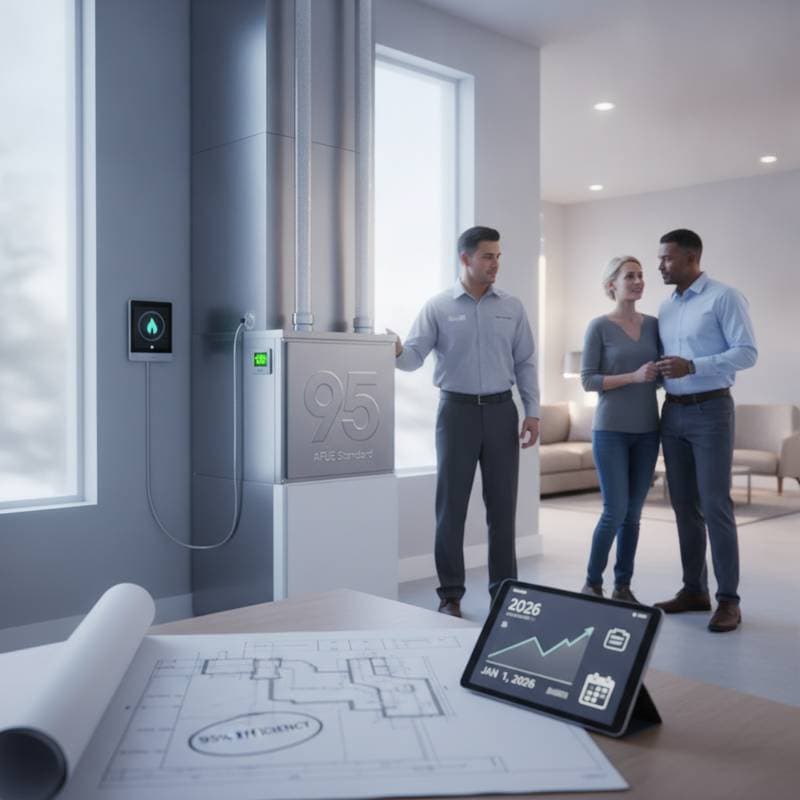
Every homeowner will need to upgrade their HVAC filter standard by 2026 to meet new efficiency and air quality expectations. The shift toward advanced HEPA 13 filters represents a major step forward in indoor air health and system performance. These filters capture up to 99.97 percent of particles as small as 0.3 microns, improving both the air you breathe and the longevity of your equipment. This guide explains why this upgrade matters, what it costs, and how to prepare your home for the transition.
| Item | Average Cost |
|---|---|
| Standard HVAC Filter | $10 - $25 |
| HEPA 13 Filter | $40 - $120 |
| Professional Installation | $150 - $400 |
| Annual Maintenance | $100 - $300 |
Average HVAC Filter Upgrade Costs
Upgrading to a HEPA 13 filter is a moderate investment that pays off through improved air quality and lower long-term maintenance costs. On average, most homeowners spend between $200 and $500 for the complete upgrade, including the filter, potential system modifications, and installation labor.
Cost Breakdown
- Filter itself: $40 to $120 depending on brand, size, and MERV rating
- Labor and installation: $150 to $400 depending on HVAC type and accessibility
- System modification (if needed): $100 to $300 for additional housing or sealing
- Ongoing replacement: $40 to $100 every few months for optimal performance
While this upgrade is more expensive than standard filters, the health benefits and energy efficiency gains make it a smart long-term investment.
Key Factors That Affect HVAC Filter Upgrade Price
Several elements influence the cost of upgrading to HEPA-level filtration. Understanding these factors helps you plan your budget and choose the right solution for your system.
Filter Size and Type
The size of your HVAC unit determines the filter dimensions and cost. Larger systems require bigger filters, which are more expensive. If your system uses multiple filters, you may need more than one HEPA 13 cartridge.
Brand and Quality
Filters from recognized HVAC brands often cost more but provide better consistency and longer life. Cheaper filters may not meet genuine HEPA 13 standards, reducing performance and possibly straining your system.
Energy Efficiency and Airflow
HEPA 13 filters have higher resistance to airflow than lower-rated filters. Some older HVAC systems may need fan or blower adjustments to maintain proper airflow. This can add labor costs but ensures your system runs efficiently without overheating or overworking the motor.
Installation Complexity
If your system was not originally designed for high-efficiency filters, modifications may be needed to fit a HEPA 13 unit. This could include sealing air leaks, adding filter frames, or upgrading fan motors. Homes with complex duct systems or tight equipment spaces may require extra labor time.
Indoor Air Quality Goals
If your household includes individuals with allergies, asthma, or respiratory sensitivities, your contractor may recommend additional upgrades such as UV lights or air purifiers. These optional add-ons can raise the overall project cost but significantly enhance air cleanliness.
Types of HVAC Filters for Home Use
Before committing to a HEPA 13 filter, it helps to understand how it compares to other common filter types. Each option offers different levels of filtration, cost, and maintenance frequency.
Common Filter Types
- Fiberglass Filters
- Pros: Inexpensive, disposable, easy to find
- Cons: Low filtration efficiency, poor at trapping small particles
- Pleated Filters (MERV 8-13)
- Pros: Good balance of cost and performance, captures most dust and pet dander
- Cons: Must be replaced frequently, limited protection against microscopic pollutants
- Electrostatic Filters
- Pros: Washable, reusable, effective for medium-sized particles
- Cons: Requires regular cleaning, less effective for fine contaminants
- HEPA 13 Filters
- Pros: Removes up to 99.97 percent of small particles, improves air quality dramatically
- Cons: Higher cost, may require system modification
- Activated Carbon Filters
- Pros: Excellent for odor and gas removal, ideal for homes with smokers or pets
- Cons: Works best when paired with other filter types
Among these, HEPA 13 filters are emerging as the new standard for residential HVAC systems because of their superior particle removal and compliance with new air quality expectations.
Signs You Need a Filter Upgrade
Your HVAC filter directly influences your comfort, health, and system efficiency. Watch for these signs that your current filter is no longer sufficient.
- Rising allergy or asthma symptoms indoors
- Persistent dust accumulation on surfaces
- Musty or stale odors even after cleaning
- Higher energy bills due to restricted airflow
- Uneven temperatures across rooms
- Frequent HVAC breakdowns or overheating
If you notice one or more of these issues, upgrading to a HEPA 13 filter can help restore cleaner air and smoother system performance.
The HVAC Filter Upgrade Process
Knowing what to expect during your filter upgrade helps you plan ahead and avoid surprises. Here is a step-by-step look at how professionals handle the process.
- System Evaluation: A technician inspects your current HVAC unit to determine compatibility with HEPA 13 filters. They measure airflow, static pressure, and filter housing dimensions.
- Recommendation and Estimate: You receive a list of suitable filter models, along with an estimated cost that includes labor and any necessary modifications.
- Installation Preparation: The contractor may clean the air handler, ducts, or blower assembly to remove existing buildup before installing the new filter.
- Filter Housing Upgrade: If your system needs a new housing or frame to fit the HEPA filter, the technician installs it and seals any air leaks to prevent bypass.
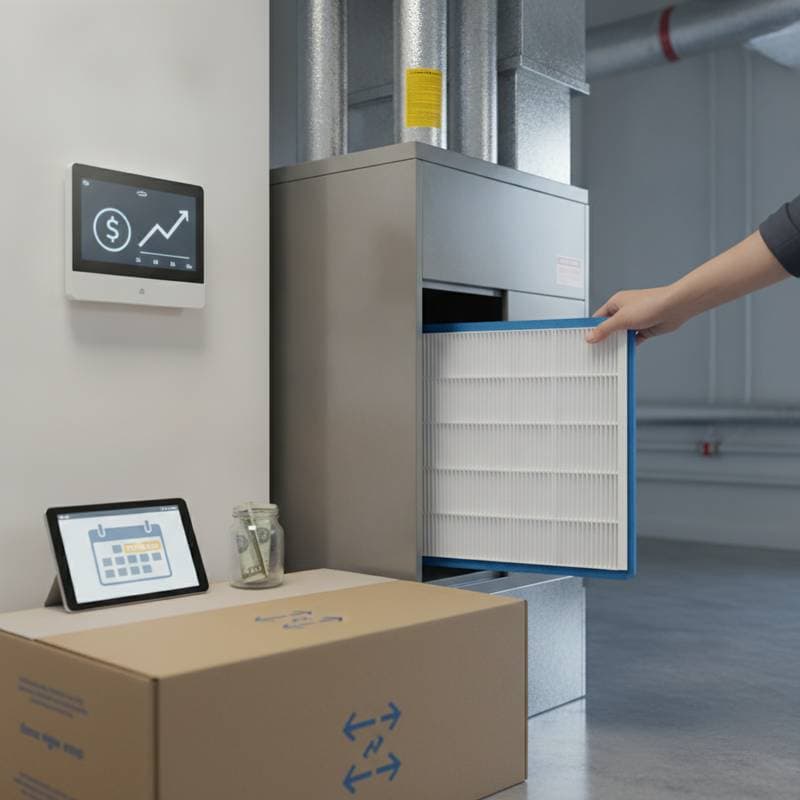
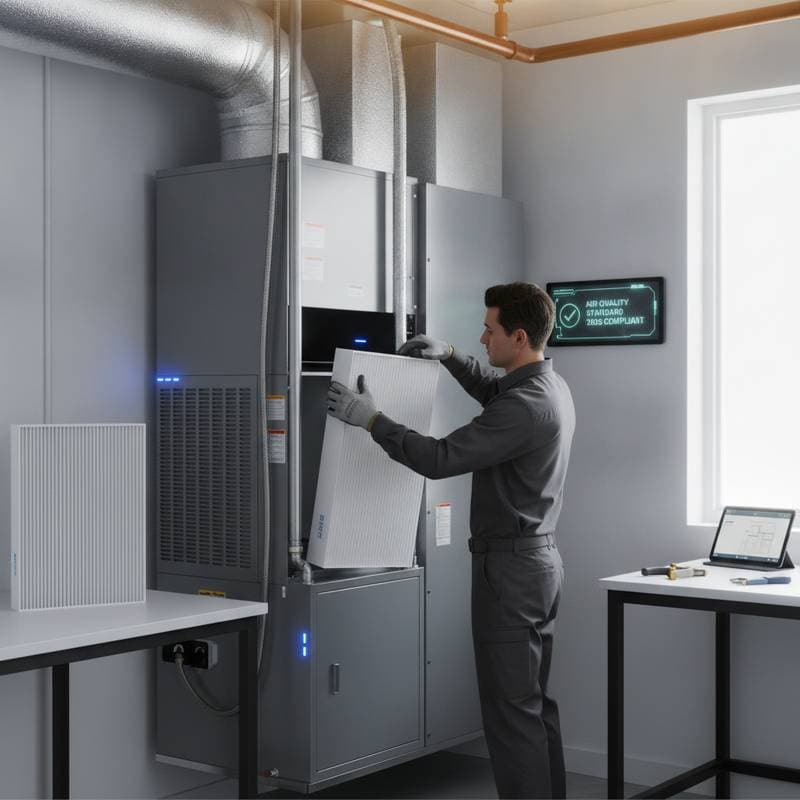
- HEPA Filter Installation: The filter is fitted securely into the system, ensuring all air passes through without escaping around the edges.
- Performance Testing: The technician tests pressure levels, airflow, and temperature differential to confirm the system runs efficiently with the new filter.
- Maintenance Guidance: You receive instructions on filter replacement frequency, cleaning tips, and ongoing maintenance schedules.
HVAC Filter Upgrade Labor Costs
Labor makes up a significant portion of the total cost. Most homeowners can expect to pay between $150 and $400 for professional installation. The final amount depends on system type, accessibility, and any modifications needed. If duct sealing or housing adjustments are required, expect additional charges for materials and labor.
Hiring a licensed HVAC professional ensures the filter is installed correctly and airflow is properly balanced. Poor installation can reduce efficiency, increase energy consumption, and shorten equipment lifespan.
Frequently Asked Questions About HVAC Filter Upgrades
What makes HEPA 13 filters different from regular filters?
HEPA 13 filters capture nearly all airborne particles down to 0.3 microns, including pollen, dust, bacteria, and smoke. Standard filters miss many of these contaminants. This higher level of filtration leads to cleaner indoor air and better respiratory comfort.
Can every HVAC system handle a HEPA 13 filter?
Not all systems can accommodate HEPA filters without modification. HEPA filters create greater air resistance, so your system must have a fan strong enough to maintain airflow. A technician can assess your unit and recommend upgrades if needed.
How often should HEPA filters be replaced?
Replace HEPA 13 filters every three to six months depending on usage, indoor air quality, and manufacturer instructions. Homes with pets, smokers, or allergy sufferers may need more frequent changes.
Will a HEPA filter increase energy costs?
If installed correctly, HEPA filters should not significantly raise energy bills. In fact, cleaner airflow can improve system efficiency. Problems only occur when filters are clogged or poorly fitted, which restricts airflow and forces the system to work harder.
Are HEPA filters worth the investment?
Yes. The improved air quality benefits are substantial, especially for families with allergies or children. They also reduce dust buildup, extend the life of your HVAC system, and support compliance with newer air quality recommendations.
Can I install a HEPA filter myself?
Professional installation is strongly recommended. Incorrect placement can allow air to bypass the filter, reduce system efficiency, and potentially damage equipment.
Do HEPA filters remove odors?
Standard HEPA 13 filters focus on particles rather than gases. Pairing them with activated carbon layers provides effective odor control when needed.
Taking Action Toward Cleaner Air
Upgrading to a HEPA 13 filter is one of the most valuable HVAC improvements you can make. It protects your health, extends your system lifespan, and prepares your home for the next generation of air quality standards. Schedule a professional evaluation to ensure your system is ready for this upgrade.