DIY HVAC Filters: The $800 Issues Pros Always Spot
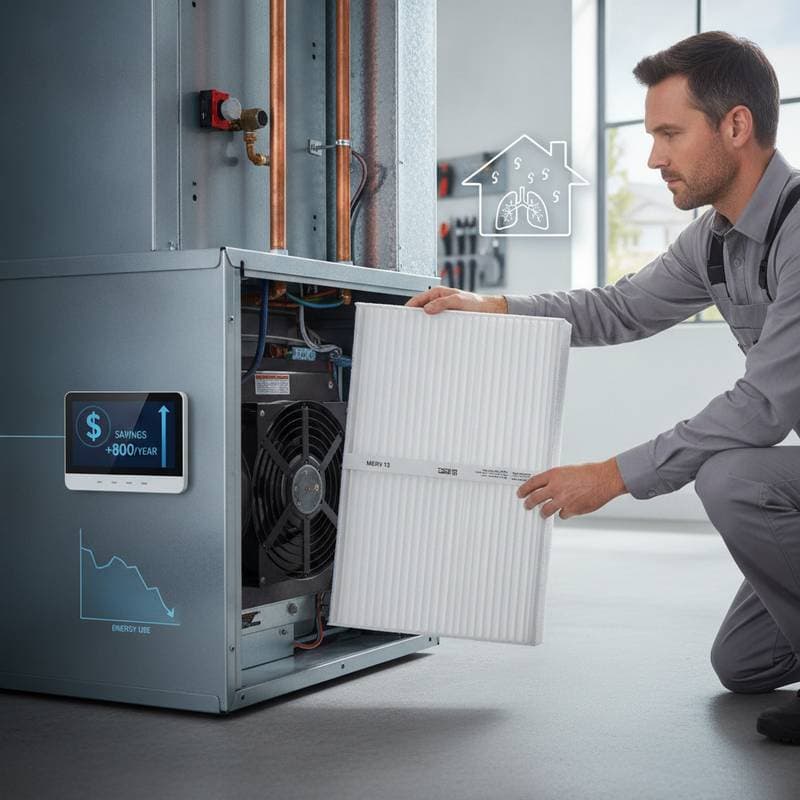
Replacing your HVAC filter seems like one of the simplest home maintenance tasks. You pull out the old one, slide in a new one, and you have finished. A small mistake with your HVAC filter can quietly cost hundreds of dollars in wasted energy or repairs. Professionals often find that DIY filter fixes are the root cause of airflow problems, system strain, and even compressor failure. This guide will show you how to avoid the costly mistakes that HVAC technicians see every day.
What Is an HVAC Filter?
An HVAC filter is a thin panel made of fiberglass, pleated fabric, or electrostatic material. Its job is to trap dust, pollen, pet dander, and other airborne particles before they enter your heating and cooling system. This keeps your indoor air cleaner and protects the blower motor and evaporator coil from dirt buildup. Without a properly installed and maintained filter, your system has to work harder to move air, which can shorten its lifespan and increase your energy bills.
Common DIY HVAC Filter Mistakes That Lead to Costly Repairs
Even homeowners who replace filters regularly can make small errors that create big problems. Here are the issues professionals spot most often during service calls.
Using the Wrong Filter Size
A filter that does not fit tightly in the slot allows air to flow around it instead of through it. That means dirt and debris still reach your system internal parts. Always check the size printed on the filter frame before buying replacements. If the fit is loose, air leakage can coat your blower fan and coil with dust, leading to reduced efficiency and expensive cleaning or part replacements.
Ignoring Airflow Direction Arrows
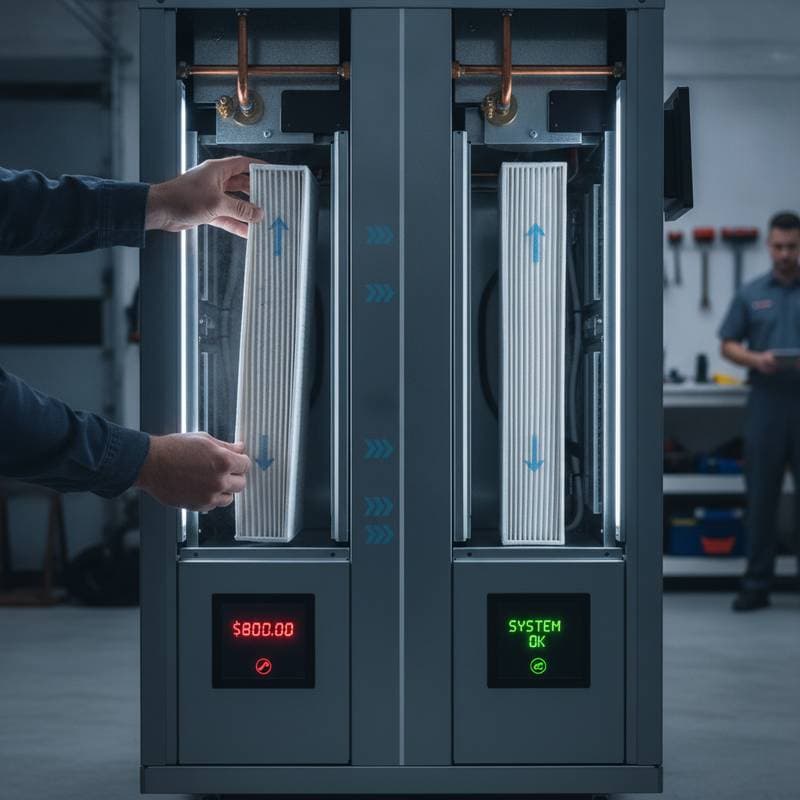
Every filter has arrows printed on the side that show which way air should flow. If you install the filter backward, dust builds up faster, airflow drops, and your blower motor strains to move air. This single mistake can raise your energy use and cause overheating that leads to early motor failure.
Using a Filter with the Wrong MERV Rating
The MERV rating measures how well a filter traps small particles. Higher numbers mean finer filtration, but too high a rating can restrict airflow if your system is not designed for it. Homeowners sometimes install ultra-high MERV filters thinking they will get cleaner air, only to discover their system is struggling to breathe. A pro can tell you the ideal MERV range for your equipment, usually between 8 and 12 for most homes.
Forgetting to Replace the Filter Frequently Enough
Out of sight often means out of mind. A clogged filter suffocates your HVAC system, forcing it to run longer to heat or cool your home. This extra runtime adds wear on motors and compressors. Most filters need replacement every one to three months, depending on your home dust level and whether you have pets or allergies.
Using Cheap or Reusable Filters Incorrectly
Some low-cost filters barely capture anything, while reusable ones must be cleaned carefully and dried completely before reinstalling. If they remain damp, mold can grow inside your ductwork. Professionals often find reusable filters that were reinstalled wet or without proper cleaning, leading to musty odors and indoor air quality issues.
Why These Mistakes Cost You So Much
Technicians estimate that airflow restrictions or dirt buildup caused by improper filter maintenance can lead to repair bills between $500 and $800. These costs come from replacing a burnt-out blower motor, cleaning a clogged evaporator coil, or fixing refrigerant issues caused by overheating. Poor filtration also forces your HVAC system to use more energy, adding unnecessary expense to your monthly utility bills.
Here is what happens inside your unit when the filter is neglected or installed incorrectly:
- The blower motor runs longer and hotter, wearing out its bearings.
- The evaporator coil traps moisture and dirt, which reduces heat transfer.
- The compressor works harder to compensate for poor airflow, sometimes leading to early failure.
- Dust enters ductwork, spreading contaminants through your home and requiring costly duct cleaning.
DIY Filter Replacement vs. Hiring a Pro
Changing your filter is usually safe for most homeowners, but it is important to know where the line between DIY and professional care should be drawn.
What Homeowners Can Safely Do
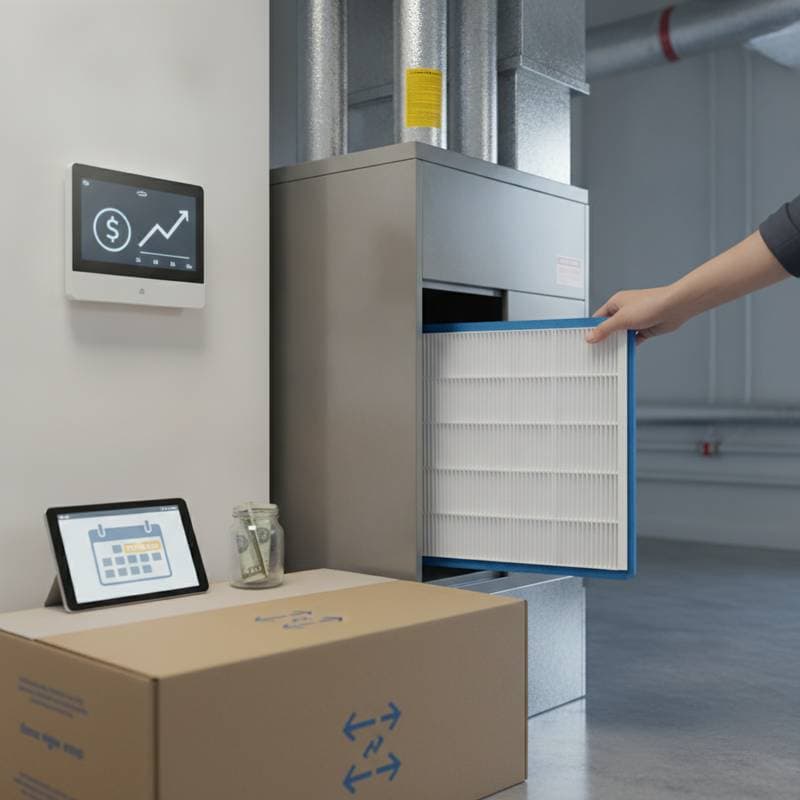
- Locate your return air vent or filter slot and check the current filter size and airflow direction.
- Replace the filter every one to three months, or more often if you notice visible dust.
- Use a flashlight to ensure the new filter sits snugly with no gaps.
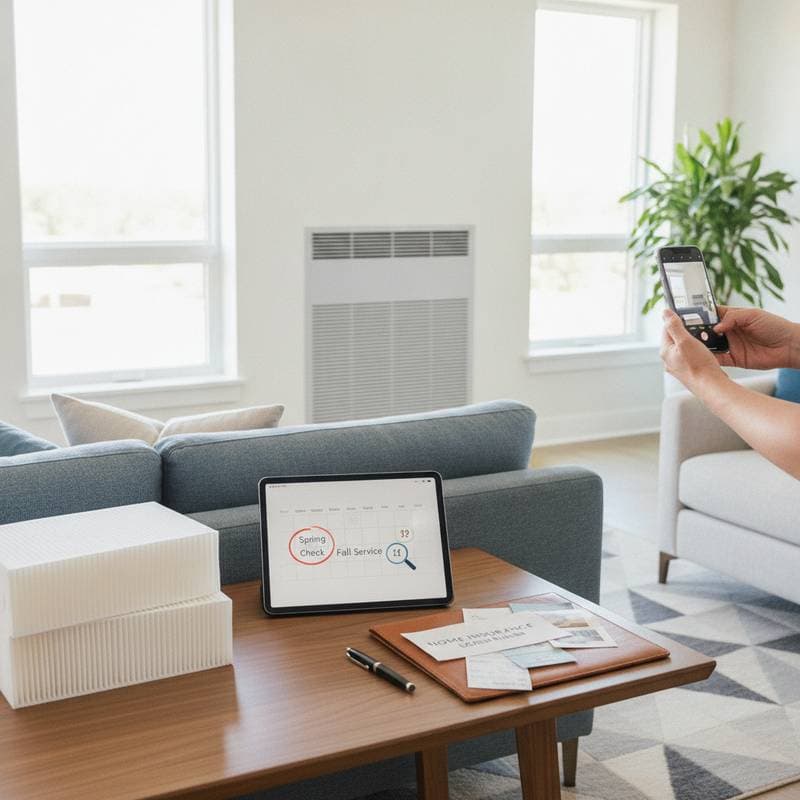
- Keep a reminder system, such as a calendar note, to stay on schedule.
What Should Be Left to a Professional
- Inspecting the blower compartment or evaporator coil for dust or mold.
- Measuring static pressure to confirm proper airflow.
- Recommending the correct MERV rating for your system.
- Diagnosing unusual noises or uneven airflow that might suggest deeper issues.
If you notice your system cycling more frequently, producing weak airflow, or creating strange sounds after a filter change, stop and call a qualified HVAC technician. Continuing to run your system can cause further damage.
The Professional Filter Maintenance Process
When you hire a professional for a seasonal tune-up, they do much more than replace the filter. Here is what typically happens during a professional visit:
- System Inspection: The technician removes the old filter and checks for dirt buildup or airflow blockages.
- Airflow Testing: They measure pressure in the ducts to ensure your system is moving air efficiently.
- Filter Selection: The technician recommends the right filter type and MERV rating for your specific equipment and indoor air quality needs.
- Component Cleaning: If dust or debris has already entered the system, the technician cleans the blower and coil to restore performance.
- Performance Verification: After installation, they confirm that airflow and temperature readings match manufacturer specifications.
This process prevents hidden issues that can lead to those dreaded repair bills.
Frequently Asked Questions
How often should I replace my HVAC filter?
Most homes need a new filter every one to three months. If you have pets, allergies, or live in a dusty area, you might need to replace it more often. Always check your filter monthly and replace it when it looks dirty.
Can a dirty filter really cause my AC to stop working?
Yes. A clogged filter restricts airflow, which can cause your system to overheat or freeze up. When that happens, the compressor or blower motor can fail, leading to expensive repairs.
Is a higher MERV rating always better?
No. A higher MERV rating can restrict airflow if your system is not designed for it. This restriction forces the blower motor to work harder and can lead to overheating or early failure.
Protecting Long-Term System Performance
Proper filter habits protect your equipment from unnecessary strain and keep energy costs under control. Consistent attention to size, direction, rating, and replacement timing prevents the most common sources of expensive breakdowns. Homeowners who follow these steps enjoy reliable comfort and avoid surprise repair expenses.