Spring HVAC Maintenance for Reliable Summer Performance
As temperatures rise, your HVAC system shifts to cooling. This change offers an opportunity to prepare the equipment ahead of heavy use. Proper spring care reduces the chance of failures during hot weather and improves overall efficiency.
A focused maintenance checklist covers the following priorities.
- Clean the outdoor condenser unit to ensure good airflow.
- Verify and adjust thermostat settings for optimal operation.
- Perform an early system test to catch problems.
- Arrange a professional tune-up for thorough inspection.
Clean the Outdoor Condenser Unit
During winter, debris such as leaves, dirt, and twigs can accumulate around the outdoor condenser. This buildup blocks airflow and reduces cooling performance.
Turn off power to the unit. Gently remove debris from around the base and coils. Rinse the coils with a garden hose while avoiding high pressure that could damage the fins. Maintain at least two feet of clearance around the unit for proper ventilation.
A clean condenser allows the system to release heat efficiently. This step lowers energy consumption and reduces the risk of overheating.
Check the Thermostat Settings
A properly calibrated thermostat ensures your system runs efficiently. Incorrect settings may cause unnecessary cycling or uneven cooling.
Test your thermostat by setting it a few degrees lower and confirm that the HVAC responds correctly. Replace old manual thermostats with programmable or smart models for better control. Set schedules to match your routine and reduce energy use when no one is home.
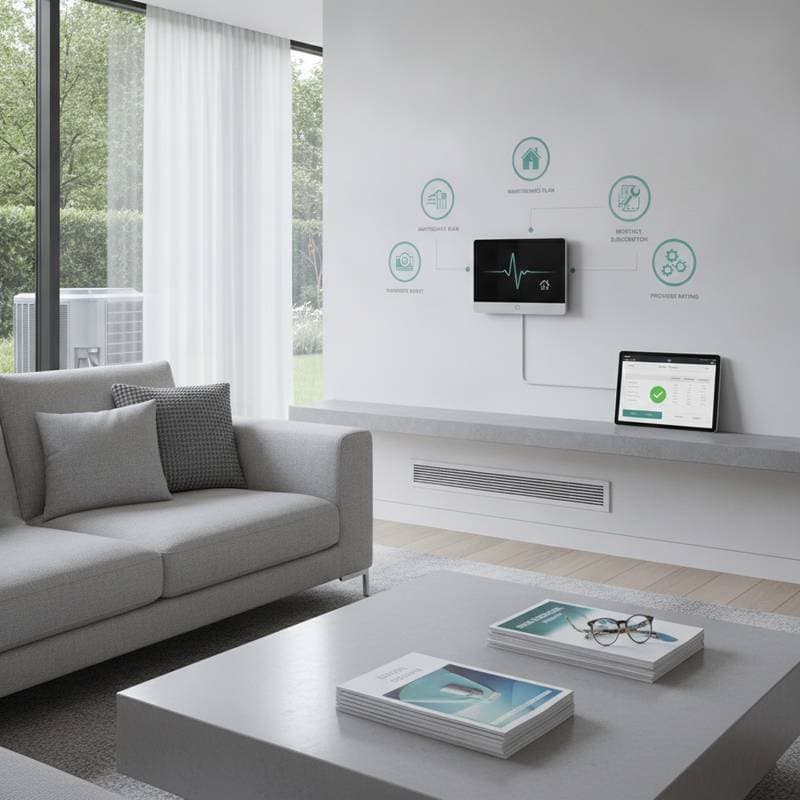
Smart thermostats help maintain consistent comfort while lowering utility costs.
Test the System Early
Before the first hot day arrives, run your AC system for a short test cycle. This early test helps identify any issues before you rely on it full time.
Listen for unusual noises such as rattling, buzzing, or grinding. Check for warm air from vents or weak airflow. Monitor for any unusual odors.
If problems appear, schedule service with a professional HVAC technician before peak season demand.
Schedule a Professional HVAC Tune-Up
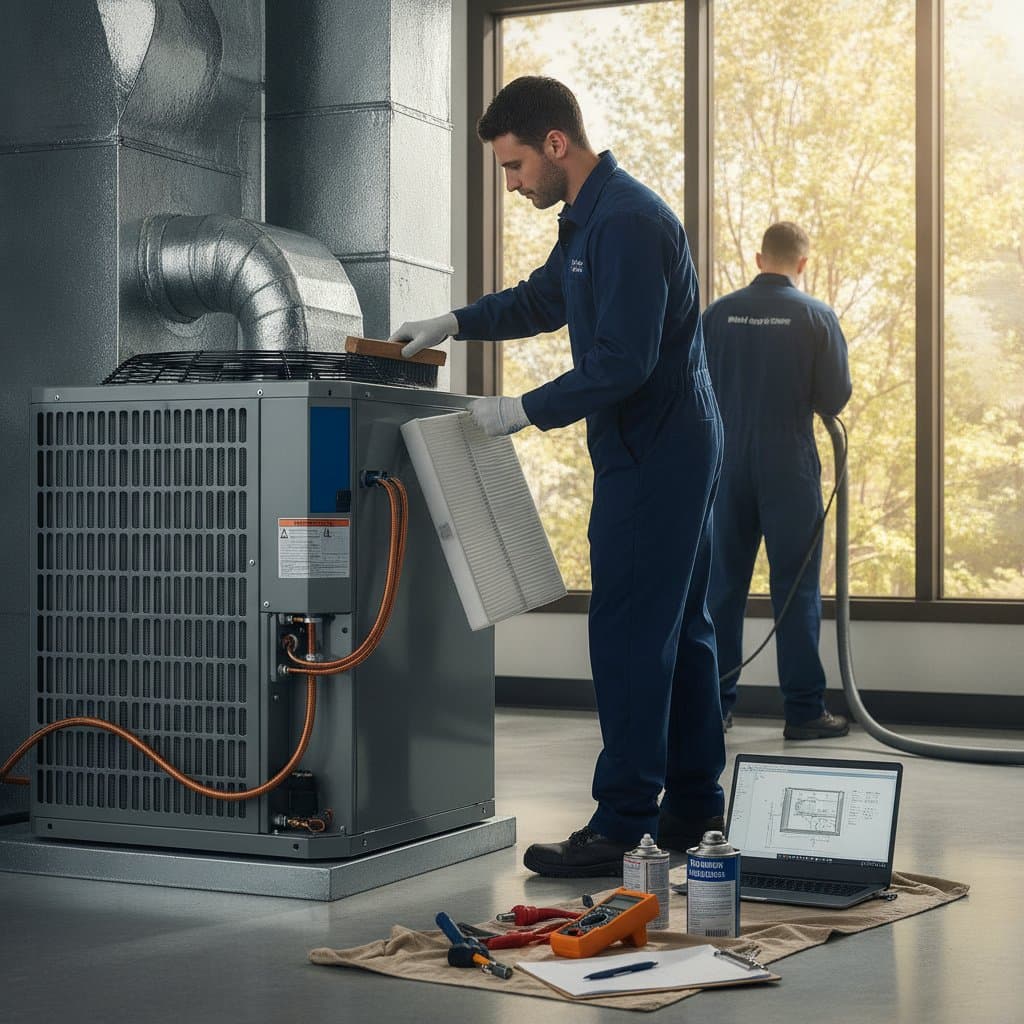
Even with regular homeowner maintenance, a professional inspection is vital. Technicians can identify worn components, test electrical connections, and fine tune system performance.
During a professional tune up, technicians typically check refrigerant levels, inspect and clean coils, test safety controls and electrical connections, and verify blower motor performance.
A professional tune up helps detect small issues before they turn into major repairs. This step ensures system reliability through the summer.
Arrange Professional HVAC Service
Even if you handle basic maintenance, professional care once or twice a year supports long term reliability. Certified HVAC technicians have the tools and expertise to handle complex inspections, refrigerant checks, and electrical testing that homeowners cannot safely perform.
Questions to ask when hiring an HVAC professional include whether the technician is licensed and insured for work in the area, whether a detailed inspection checklist is provided for spring tune ups, what the maintenance service includes, whether references or customer reviews are available, whether refrigerant levels and electrical components are checked, whether a warranty covers parts or labor for repairs, how long a typical maintenance visit takes, and whether seasonal discounts or maintenance plans are available.
Prepare for Reliable Summer Cooling
Spring HVAC maintenance supports consistent home comfort and efficiency. Following these tasks and scheduling a professional inspection allows the system to deliver dependable cooling throughout the summer.