MERV 13 Filters Reduce HVAC Costs by Up to $800 Each Year
How MERV 13 Filters Lower Energy Expenses
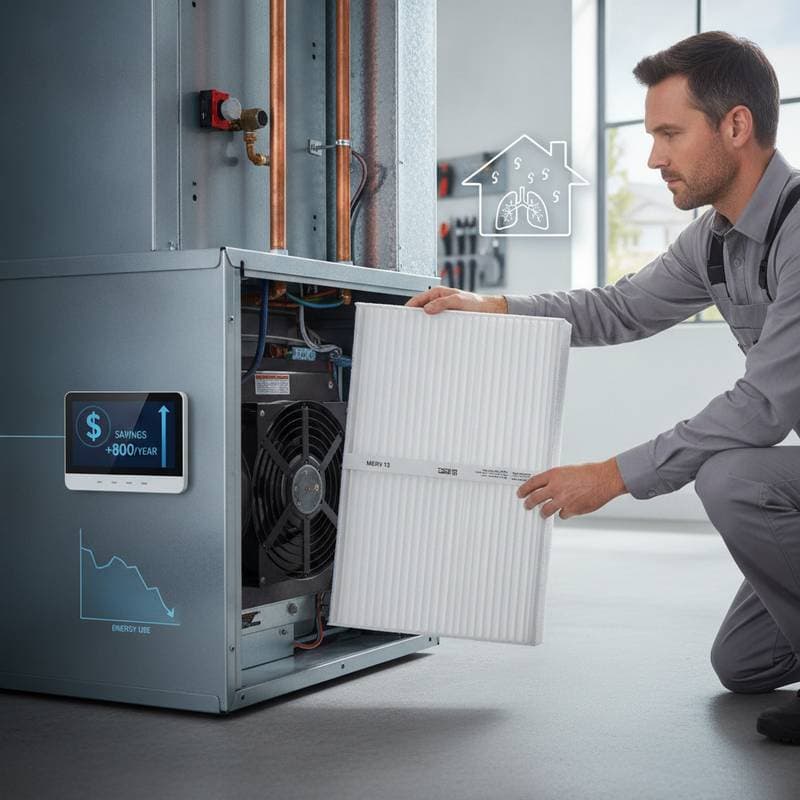
Homeowners frequently overlook air filters when seeking ways to reduce energy costs or enhance indoor air quality. Upgrading to MERV 13 filters can deliver savings of up to $800 per year through reduced energy consumption, fewer repairs, and extended equipment life. Cleaner airflow allows the system to run with less resistance.
A properly selected filter also helps protect coils, blower components, and duct surfaces from accumulating dust. When these components remain cleaner, the HVAC system can transfer air more effectively and maintain comfortable temperatures with fewer operating demands. Savings vary by home size, equipment condition, utility rates, and filter maintenance, so the $800 figure should be treated as a potential maximum rather than a guaranteed result.
This guide covers the mechanics of MERV 13 filters, specific cost-saving mechanisms, compatibility considerations, and practical maintenance steps. It also provides replacement instructions and answers common questions.
Average Cost of MERV 13 Filters
| Filter Type | Average Cost per Filter | Lifespan | Key Benefits |
|---|---|---|---|
| MERV 8 | $10 to $20 | 1 to 2 months | Basic dust control |
| MERV 11 | $20 to $35 | 2 to 3 months | Improved allergen reduction |
| MERV 13 | $35 to $60 | 3 to 6 months | Superior filtration and energy savings |
MERV 13 filters carry a higher initial price yet produce net annual savings for most households. Their efficiency reduces strain on the HVAC unit, which lowers monthly energy use and decreases the frequency of service calls.
Filter costs should be considered alongside the condition of the entire system. A clogged coil, leaking duct, or aging blower motor can consume far more energy than the filter itself. Combining a high-efficiency filter with sealed ductwork, reasonable thermostat settings, and regular inspections creates a stronger overall strategy for controlling household operating expenses.
Factors That Influence MERV 13 Filter Costs
Filter size and brand affect pricing. Larger or custom sizes command higher rates, while premium brands often provide tighter seals and greater durability.
System compatibility requires verification before purchase. Older units may need modifications or may not support the denser media of MERV 13 filters. Replacement frequency varies with household conditions such as pet dander, smoking, or cooking activity.
Pleated filters generally provide more surface area than flat filters, allowing them to capture particles while maintaining practical airflow. However, thickness matters as well. A deeper filter may perform differently from a standard one, even when both carry the same MERV rating. Homeowners should match the exact dimensions, thickness, and installation direction required by the equipment.
Professional installation adds a modest labor charge only when the filter location is difficult to reach. Most users complete the swap without assistance. Before buying in bulk, test one filter and observe airflow, system noise, and comfort throughout the home.
Steps for Replacing MERV 13 Filters
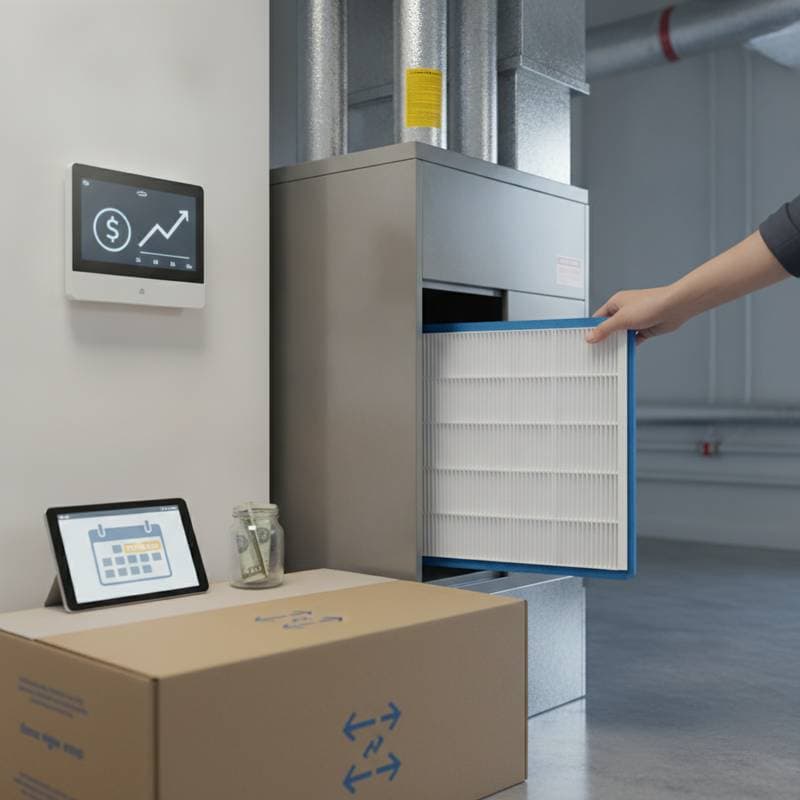
- Turn off the HVAC system to avoid circulating dust during the change.
- Locate the filter compartment in the return air duct or air handler.
- Remove the old filter and note its condition.
- Insert the new filter so the airflow arrows point in the correct direction.
- Restore power and record the installation date.
During the replacement, inspect the filter slot for gaps or bent edges. Air that bypasses the filter can carry dust into the equipment and reduce the benefit of the upgrade. A correctly fitted filter should sit securely without being forced into place.
Keep replacement filters in a clean, dry storage area. Storing them near a utility room, garage dust, or moisture can damage the media before installation. It is also helpful to keep one spare filter available, which prevents delayed replacement when the existing filter becomes visibly loaded.
Common Questions About MERV 13 Filters
How often should MERV 13 filters be replaced?
Replacement intervals range from three to six months. Dusty environments or homes with pets shorten this window and require more frequent checks. Check the filter monthly at first, then establish a routine based on its condition. A gray, visibly loaded filter should be replaced rather than used until the scheduled interval ends.
Will a MERV 13 filter restrict airflow?
Restriction occurs only when the system lacks sufficient fan capacity. Confirm compatibility in the equipment manual. Persistent noise or weak airflow warrants a technician visit. Rooms that feel unusually warm or cool can also indicate an airflow problem, although duct leaks and thermostat issues may produce similar symptoms.
Are MERV 13 filters worth the cost?
Energy reductions, fewer service calls, and better air quality typically offset the higher purchase price within the first year for most users. The value is greatest in homes with frequent dust, allergy concerns, pets, or equipment that operates for long periods.
Can MERV 13 filters remove viruses?
These filters capture many particles in the size range of certain viruses. They form one layer of protection and work best alongside ventilation and cleaning routines. They should not be viewed as a replacement for recommended health practices or fresh-air management.
Questions to Review Before Upgrading
- Does the HVAC manual list MERV 13 as an approved rating?
- What are the exact filter dimensions required?
- How will local air quality affect replacement frequency?
- Will the upgrade affect any existing warranty coverage?
- Are utility rebates available for high-efficiency filters?
- Should the household choose washable or disposable models?
- Does the filter slot allow easy access for routine changes?
- Are the return grilles and supply vents free from furniture or rugs?
- Does the system need a professional airflow measurement after installation?
Comparing these details prevents an expensive filter from creating an avoidable comfort problem. Washable models may appear economical, but they require thorough cleaning and complete drying. Disposable filters are often easier to maintain and provide more predictable performance.
Protecting Equipment Performance Over Time
Consistent use of MERV 13 filters combined with scheduled professional inspections maintains peak efficiency. This approach sustains lower energy bills and supports cleaner indoor air throughout the year.
Homeowners should also keep return vents unobstructed, vacuum visible grille surfaces, and watch for changes in airflow or system noise. These small maintenance steps improve circulation and help the filter perform as designed. When a system continues to struggle after a new filter is installed, a qualified technician can evaluate ductwork, static pressure, coils, and blower operation.
With proper sizing and consistent replacement, MERV 13 filtration can support a more comfortable, cleaner, and energy-conscious home.