4 Million Homes Replace HVAC Contracts with Monthly Service Plans
Reports indicate that approximately four million households have replaced traditional HVAC service agreements with monthly subscription plans. These plans combine maintenance visits, repair discounts, system monitoring, and priority scheduling into a single recurring payment. The shift reflects changing homeowner preferences for predictable costs and ongoing equipment support.
Understanding HVAC Subscription Plans
An HVAC subscription requires a monthly or annual fee in exchange for defined services. Providers structure these plans differently, so homeowners must examine the specific terms before enrolling.
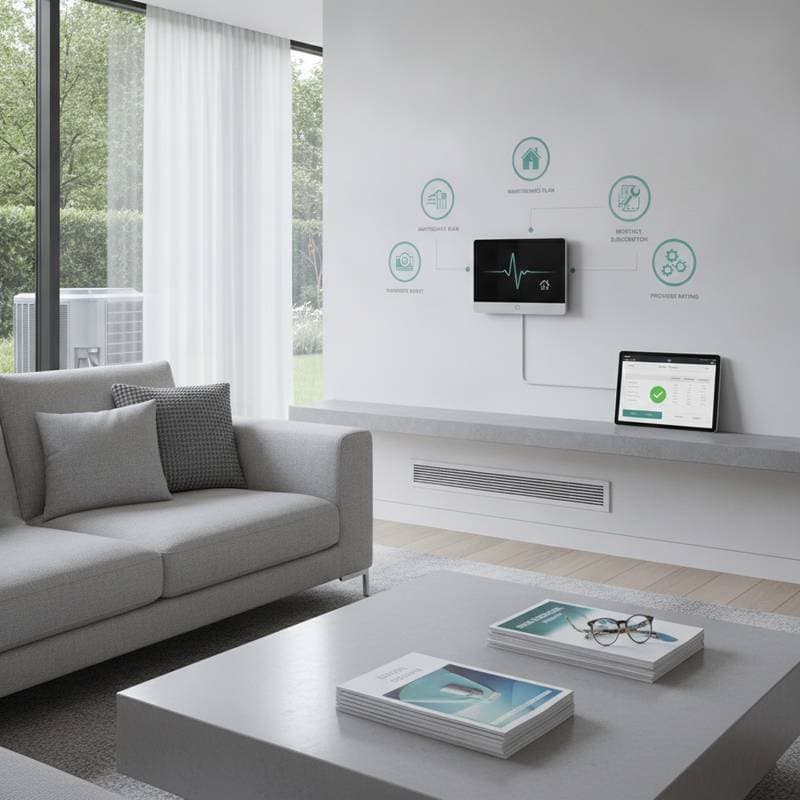
Most subscriptions include scheduled maintenance visits, filter reminders, discounted diagnostic calls, and reduced repair rates. Some plans add equipment monitoring through connected sensors that track temperature, pressure, and runtime data. Traditional service contracts typically limit coverage to one or two annual tune-ups without these additional features.
Reasons Homeowners Choose Subscriptions
Predictable monthly expenses appeal to households that prefer spreading HVAC costs throughout the year rather than facing larger seasonal bills. Subscriptions also provide automated reminders that help prevent missed maintenance appointments.
Missed maintenance often leads to dirty coils, restricted airflow, increased energy consumption, and unexpected breakdowns. A subscription plan maintains regular service intervals without requiring homeowners to track appointment dates.
Priority Service During Peak Demand
Subscription customers often receive priority scheduling when extreme temperatures increase service calls. This advantage becomes valuable during summer heat waves or winter cold snaps when response times typically extend.
However, priority scheduling does not guarantee immediate service. Homeowners should verify the specific response time commitments in their agreement.
Technology-Enabled Monitoring
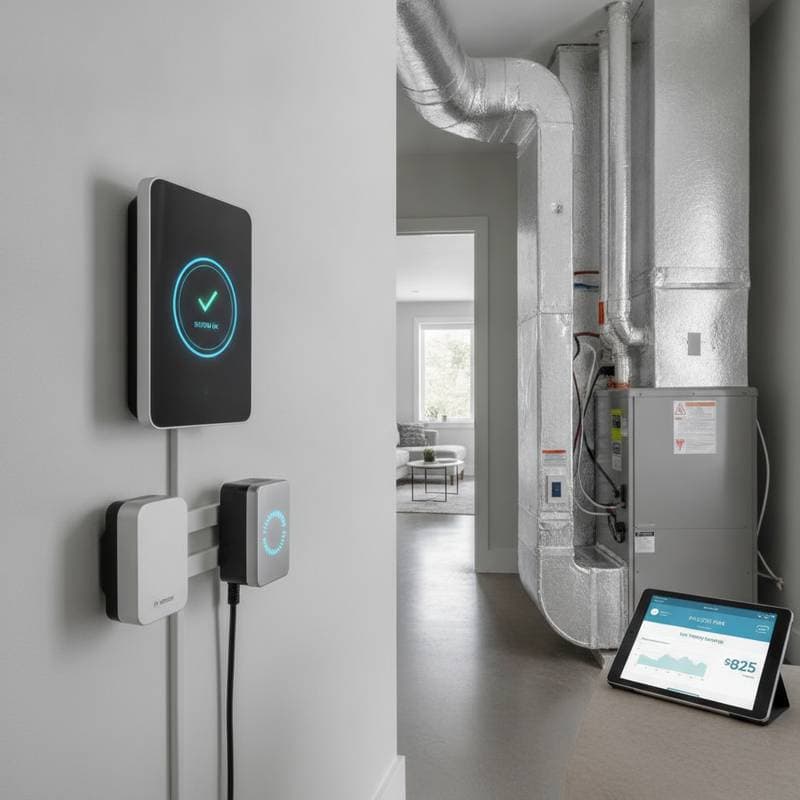
Some providers install sensors that detect performance changes before equipment fails completely. These systems monitor motor operation, temperature differentials, and runtime patterns to identify developing problems.
Sensor data can prompt proactive service calls, though monitoring technology supplements rather than replaces professional inspections. Equipment can still experience sudden failures that sensors do not detect.
Coverage Details and Limitations
Every subscription plan contains specific inclusions and exclusions that affect its practical value. Homeowners should request complete documentation before signing any agreement.
Maintenance Services
Standard maintenance visits typically include electrical connection inspections, component cleaning, safety control testing, airflow measurements, and system performance verification. These procedures improve reliability but cannot prevent all equipment failures.
Older systems may require repairs beyond standard maintenance scope regardless of subscription status.
Repair and Parts Coverage
Plans differ significantly in repair coverage. Some subscriptions include labor for covered repairs while others provide only percentage discounts on parts and service. Homeowners should clarify several key points before enrollment.
- Which specific parts receive coverage under the plan
- Whether refrigerant replacement falls within included services
- Coverage status for motors, capacitors, control boards, and compressors
- Age-based coverage changes as equipment reaches certain milestones
- Annual maximum repair benefit limits
- Pre-approval requirements before repair work begins
Geographic and Equipment Restrictions
Rural locations may incur travel charges or experience limited technician availability. Some providers exclude older equipment or impose coverage reductions based on system age and condition.
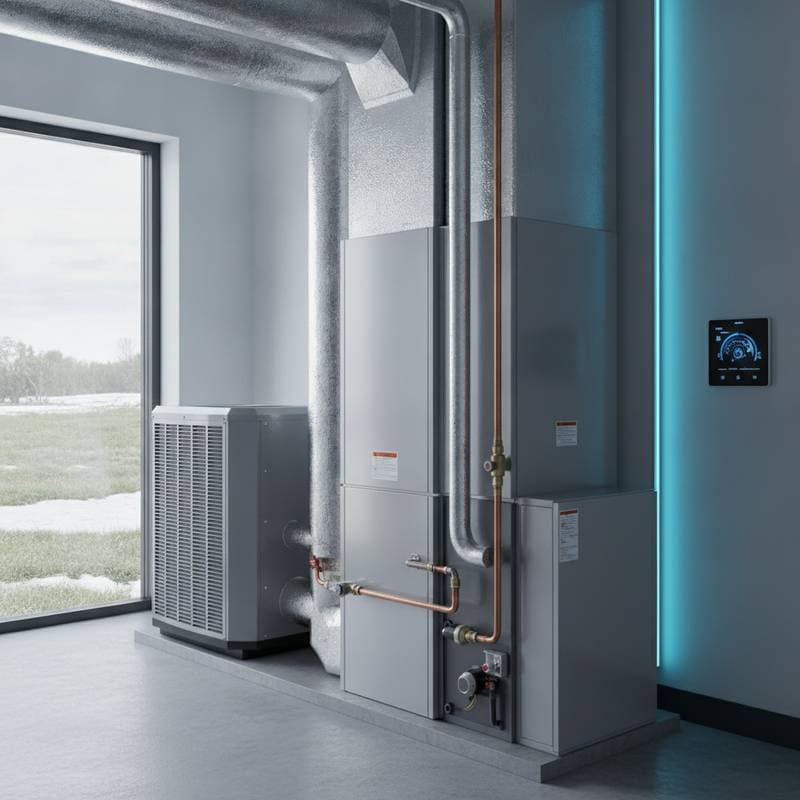
Heat pumps, gas furnaces, boilers, and central air conditioners each present different service requirements that affect plan suitability.
Cost Analysis and Value Assessment
HVAC subscription costs typically range from fifteen to sixty dollars monthly, though premium plans may exceed this range. Actual value depends on equipment condition, local service rates, and specific plan terms.
Newer equipment under manufacturer warranty may not justify subscription costs since major repairs remain unlikely. Older systems approaching replacement age may benefit more from comprehensive coverage options.
Homeowners should calculate annual subscription fees against projected maintenance costs, service call charges, and potential repair expenses. Written estimates allow accurate comparison between subscription and traditional service approaches.
Subscription Plans Versus Traditional Maintenance Agreements
Traditional maintenance plans charge fixed fees for scheduled tune-ups and may include repair discounts without monthly payment requirements. These agreements typically lack monitoring technology and automated reminder systems.
Subscription plans often add digital monitoring, bundled repair coverage, and flexible payment options. Trade-offs include longer contract commitments, automatic renewal provisions, and more complex coverage rules.
Neither approach guarantees superior value. Homeowners should evaluate actual services provided rather than plan labels or marketing terminology.
Homeowner Maintenance Responsibilities
Several maintenance tasks remain homeowner responsibilities between professional visits. Filter replacement frequency depends on equipment specifications and household conditions such as pet ownership or recent renovations.
Supply and return vents should remain unobstructed. Outdoor units require periodic debris removal, though power disconnection precedes any cleaning near electrical components.
Homeowners can monitor for unusual noises, weak airflow, strange odors, or water accumulation near equipment. Professional technicians must handle refrigerant circuits, gas controls, and electrical work due to safety hazards.
Enrollment and Agreement Review Process
Reputable providers conduct equipment assessments before presenting plan options. This process typically includes system documentation, initial inspection to identify pre-existing conditions, and detailed comparison of available service levels.
Written agreements should specify included services, response time commitments, cancellation procedures, and repair coverage limits. Homeowners deserve adequate review time before signing any contract.
Automatic renewal and cancellation notice requirements deserve particular attention during agreement review. Some plans impose fees for early termination or require specific advance notice periods.
Equipment Age Considerations
Older furnaces and air conditioners often require more frequent repairs, making subscription plans potentially more valuable. However, some providers limit coverage for aging equipment or exclude systems beyond certain age thresholds.
Professional inspection helps determine whether subscription costs justify coverage limitations for older systems. Replacement planning may provide better long-term value than continued subscription payments on aging equipment.
Making Informed Decisions
HVAC subscription value varies significantly based on individual circumstances and specific plan terms. Equipment age, local service costs, coverage limitations, and provider reputation all influence whether a subscription provides meaningful benefits.
Compare annual subscription costs against projected maintenance expenses and repair likelihood. Verify that coverage terms align with actual equipment needs and household budget requirements before enrollment.