How Much Can You Save with a Heat Pump Water Heater?
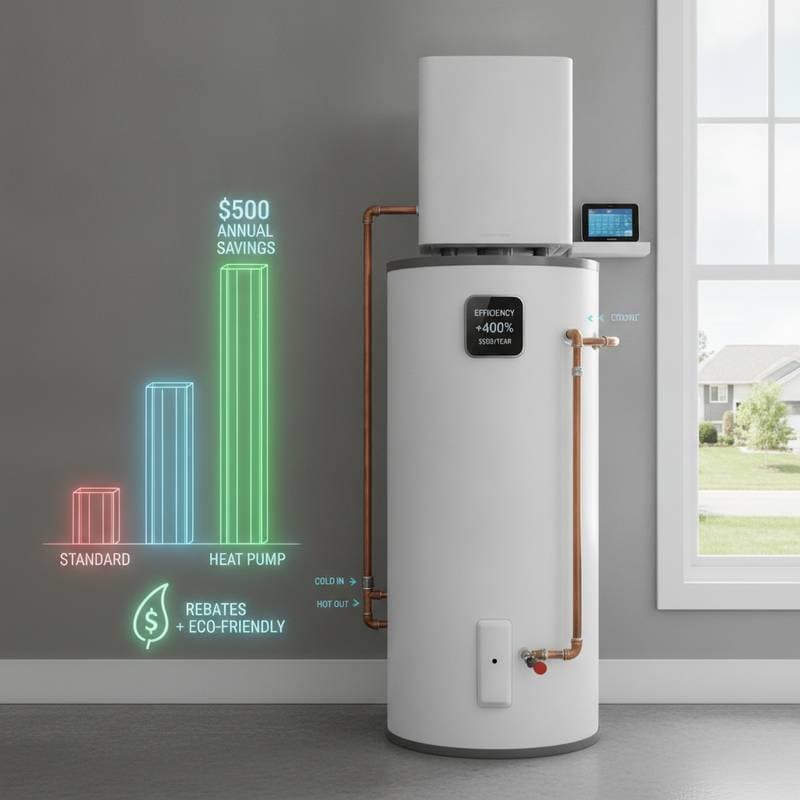
Heat Pump Water Heaters Deliver 4X Efficiency and $500 Savings
A heat pump water heater represents one of the most effective upgrades available for residential plumbing and HVAC systems. These units move heat from surrounding air into the water tank rather than generating heat directly. As a result, they achieve up to four times the efficiency of conventional electric or gas models and reduce water heating expenses by approximately $500 each year for a typical household.
This guide details the mechanisms behind these savings, outlines installation expenses, and identifies performance variables. It also addresses maintenance requirements, available incentives, and considerations for selecting an installer.
How Heat Pump Water Heaters Work
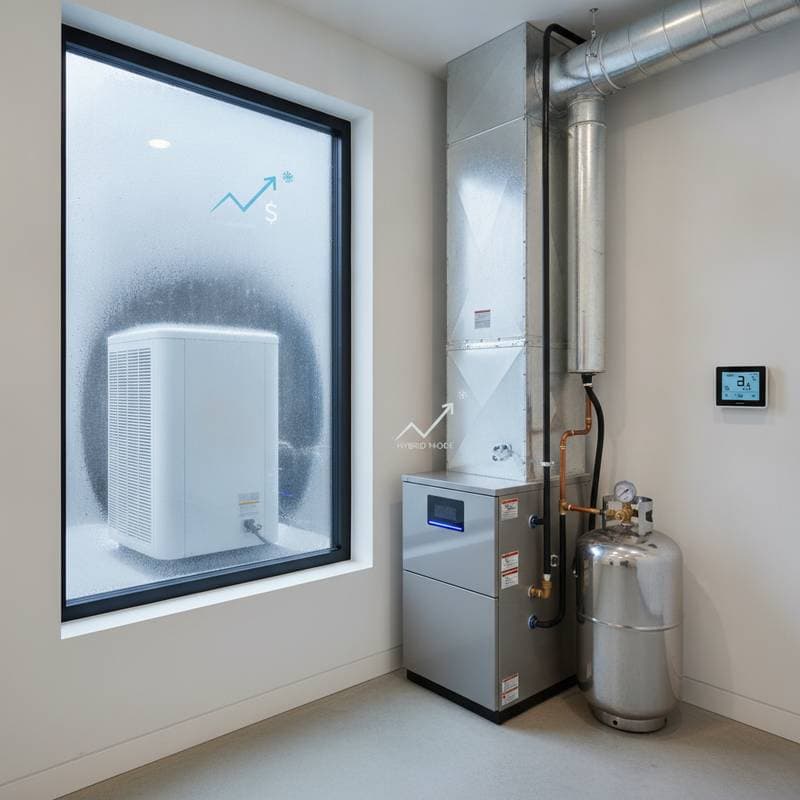
A heat pump water heater transfers heat through a refrigerant cycle that operates in reverse of a standard air conditioner. The process begins when the evaporator coil draws warmth from ambient air. The compressor then raises the refrigerant temperature before the condenser coil releases that heat into the storage tank.
An expansion valve completes the loop by reducing pressure for the next cycle. This transfer approach yields 300 to 400 percent efficiency, whereas a typical electric resistance model reaches only about 90 percent.
Heat Pump Water Heater Cost Factors
Multiple elements determine both upfront and ongoing expenses. Homeowners benefit from evaluating these factors before purchase.
Unit Size and Capacity
Tank capacities commonly range from 40 to 80 gallons. Larger households require greater volume to maintain supply during peak demand.
| Capacity | Average Cost (Unit + Install) | Suitable For |
|---|---|---|
| 40 Gallons | $1,800 – $2,500 | 1-2 people |
| 50 Gallons | $2,000 – $3,000 | 2-4 people |
| 65 Gallons | $2,500 – $3,500 | 4-5 people |
| 80 Gallons | $3,000 – $4,000 | 5+ people |
Efficiency Rating
Models with higher uniform energy factor ratings command greater initial investment yet lower monthly utility charges. ENERGY STAR certified units frequently qualify for financial incentives.
Labor and Installation
Professional labor typically costs between $600 and $1,200. Properties converting from gas to electric service may require panel upgrades that add $300 to $800.
Location and Climate
Optimal performance occurs in areas maintained between 40 and 90 degrees Fahrenheit. Garages, basements, and utility rooms usually meet this condition. Hybrid units with resistance backup elements provide reliable operation in colder regions.
Rebates and Incentives
Utility programs and local governments often provide rebates reaching $750 for qualifying models. Federal tax credits further improve payback periods.
Environmental Benefits
These systems consume less electricity and produce fewer emissions than standard models. Annual household carbon output drops by nearly two tons because the equipment transfers existing heat instead of combusting fuel.
Heat Pump Water Heater FAQs
How long does a heat pump water heater last?
A well maintained unit operates for 10 to 15 years. Scheduled filter cleaning and tank flushing extend service life.
How noisy are heat pump water heaters?
Sound levels average 50 to 60 decibels, comparable to normal conversation. Placement away from living areas reduces any impact.
Does a heat pump water heater work in cold climates?
Yes. Hybrid models automatically engage electric elements when ambient temperatures fall too low.
How much space does the unit require?
The equipment needs 700 to 1,000 cubic feet of air volume plus access for condensate drainage.
Can I replace my existing electric water heater with a heat pump model?
Most replacements proceed directly provided adequate space, ventilation, and electrical capacity exist.
Are there tax credits or rebates available?
Many jurisdictions offer incentives of several hundred dollars for ENERGY STAR rated equipment. Local utility and government offices maintain current program details.
How long does installation take?
A typical professional installation finishes within one day unless electrical modifications are necessary.
What is the return on investment?
Energy reductions and incentives allow most owners to recover costs within three to five years.
Getting Heat Pump Water Heater Quotes
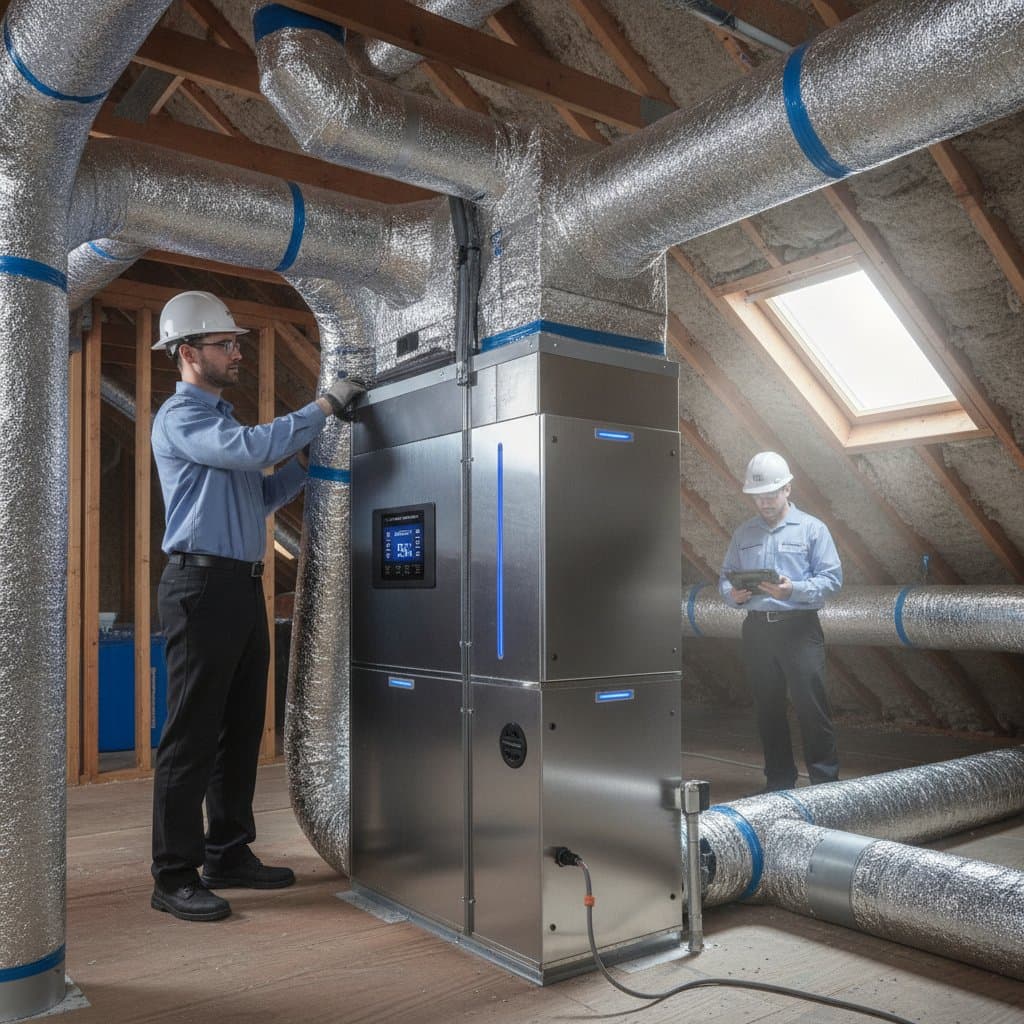
A qualified contractor confirms correct sizing and protects warranty coverage. Homeowners should obtain multiple proposals for comparison.
Questions to Ask Before Hiring
- What capacity and model suit my household size?
- Are you experienced with ENERGY STAR rated equipment?
- Does the quote cover labor, materials, and electrical work?
- What warranty applies to the installation?
- Who manages permits and inspections?
- Can you prepare rebate documentation?
- What post installation maintenance do you provide?
- How long will the project require?
- What space and ventilation preparations are needed?
- Do you supply emergency support after completion?
Maximizing Your Energy Savings
Pair the new unit with low flow fixtures and prompt leak repairs. Insulate exposed hot water pipes to retain temperature. Many models include scheduling features that reduce operation during low demand periods.
Track consumption through the unit display to verify expected performance. These steps compound annual savings beyond the base efficiency gain.
Achieving Long Term Efficiency
Proper sizing, professional installation, and routine maintenance convert the upgrade into lasting home value. Owners who replace older electric or gas units gain reliable hot water, measurable utility reductions, and lower environmental impact for the full service life of the equipment.