How Can You Save 840 Dollars Yearly with Bi Directional HVAC Storage?
Homeowners now have access to bi directional HVAC storage as a practical way to lower energy expenses. This technology enables heating and cooling systems to store electricity during low cost periods and return it to the grid when demand increases. The approach can deliver annual savings of up to 840 dollars for many households based on local rates and usage patterns.
The following sections explain the operating principles behind these systems. They also outline installation factors and practical steps to achieve maximum returns.
How Bi Directional HVAC Systems Reduce Expenses
Savings arise primarily from load shifting strategies. Systems charge storage components when electricity rates remain low and discharge energy during peak pricing windows. This timing reduces overall utility charges while supporting grid stability.
Primary Sources of Savings
- Peak load shifting delivers 300 to 500 dollars in annual reductions by avoiding high rate periods.
- Grid feedback incentives provide 100 to 200 dollars through utility compensation programs.
- Efficiency improvements contribute 150 to 250 dollars by optimizing total energy consumption.
These combined benefits reach a potential total of 840 dollars per year under average residential conditions.
Common Questions About Bi Directional HVAC Systems
How does a bi directional HVAC system interact with the electrical grid?
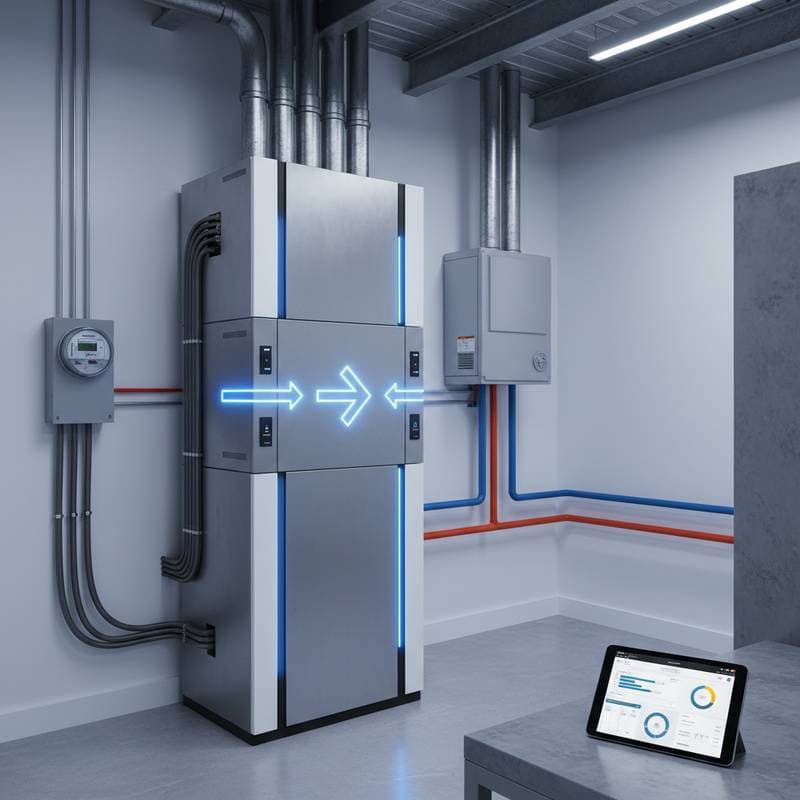
Smart controllers enable communication between the HVAC unit and the grid. The system draws power to charge thermal or battery storage during off peak hours. It then releases stored energy to the home or grid during high demand intervals.
Which homes can accommodate these systems?
Most homes with modern electrical service and existing ductwork can support installation. Properties already using smart thermostats or heat pumps require fewer modifications. Older structures may need targeted electrical panel upgrades.
How long does the installation process require?
Typical installations finish within one to three days. Additional time may apply when integrating advanced grid controls or updating home wiring.
What is the expected service life of these systems?
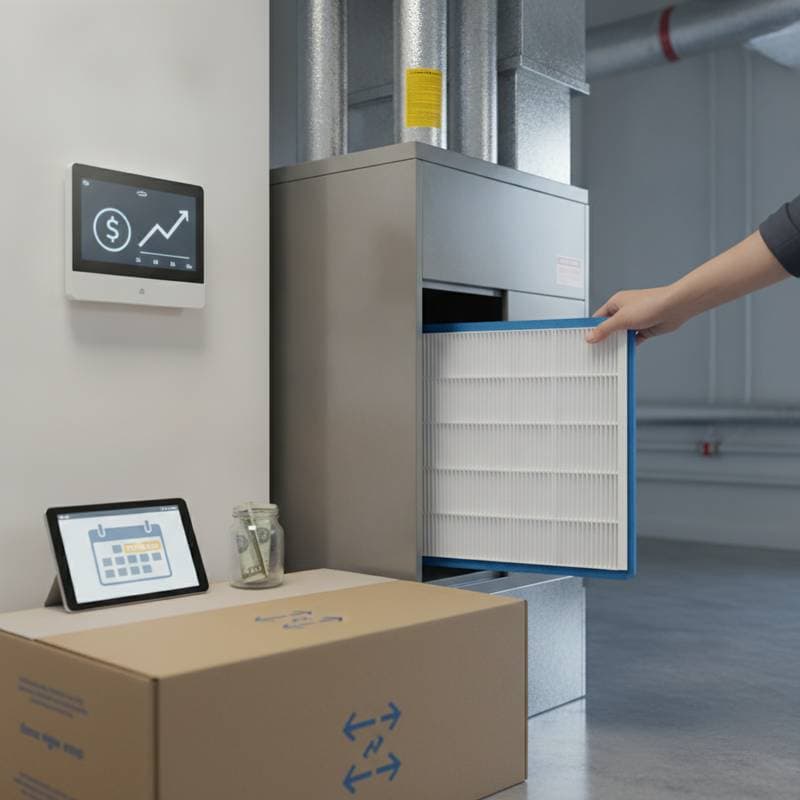
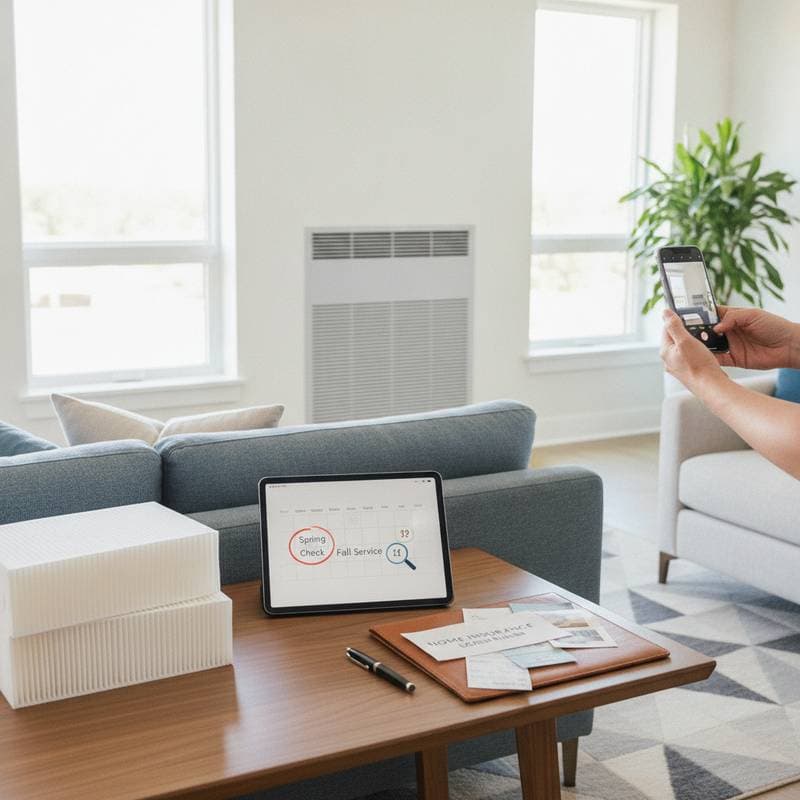
Properly maintained units operate effectively for 15 to 20 years. Annual filter replacement and scheduled software updates preserve performance levels.
Do utility companies compensate homeowners for returned energy?
Many utilities operate net metering or incentive programs that credit accounts for energy supplied back to the grid. Participation requirements vary by region and provider.
Questions to Discuss with Potential Installers
- Are technicians certified for grid interactive HVAC equipment?
- Which storage integrated brands suit this property best?
- How will the system connect to existing electrical infrastructure?
- What efficiency ratings apply to the proposed configuration?
- Which local rebates or utility incentives remain available?
- What annual maintenance tasks are necessary?
- Can the system work alongside solar panels or separate home batteries?
- What coverage do parts and labor warranties include?
- Will the installer manage utility registration steps?
- What savings estimates apply to current energy consumption data?
Steps to Begin Implementation
Contact certified contractors to review site specific requirements. Request detailed proposals that include projected savings and incentive eligibility. Schedule installation during milder weather to minimize household disruption.