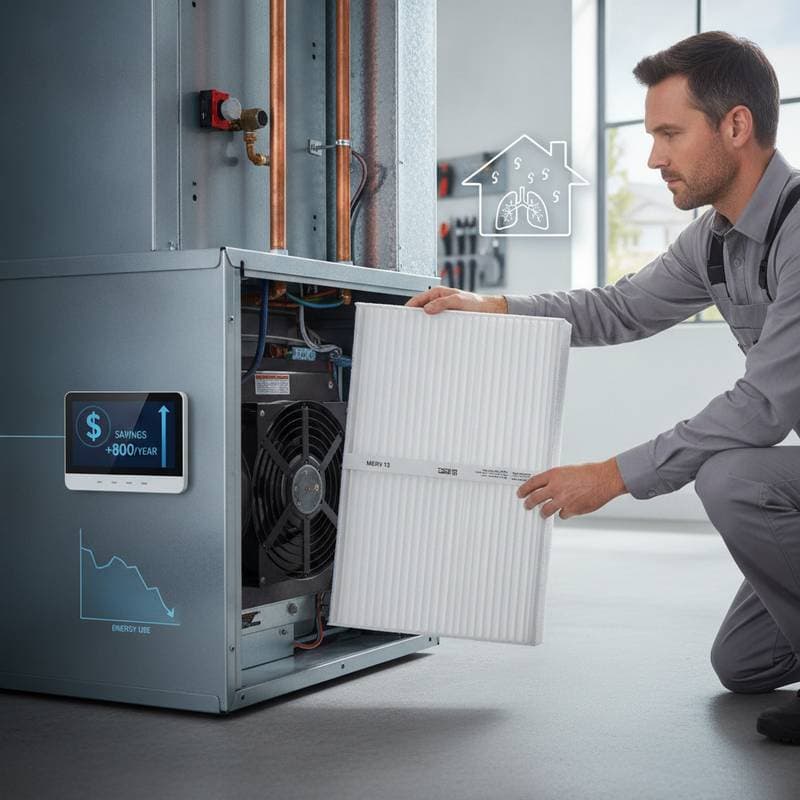

Harness Stored Cooling for 40 Percent HVAC Energy Savings
Summer temperatures strain air conditioning units and inflate energy expenses. Homeowners seek effective methods to lower cooling costs while preserving indoor comfort. Thermal energy storage, commonly known as ice battery HVAC, presents an advanced solution that achieves up to 40 percent reductions in energy use. This guide explains the technology, its financial advantages, and considerations for integration into residential settings.
Understanding Thermal Energy Storage
Thermal energy storage captures cooling capacity for deferred application. Rather than operating air conditioners continuously during costly daytime periods, the system generates ice or chills water at night when electricity rates prove more economical. The preserved cold then cools the living space throughout the day.
This mechanism functions similarly to an electrical battery, yet it retains thermal energy instead of power. For homes and small commercial spaces, ice battery HVAC systems predominate. These units solidify water within an insulated container during off-peak times and deploy the resulting ice for daytime temperature regulation.
Mechanics of Ice Battery HVAC Systems
Ice battery systems seamlessly integrate with standard air conditioners or heat pumps. At night, when ambient conditions favor efficiency, the compressor activates to form ice in a dedicated tank. During daylight hours, when cooling demands peak, the setup channels air or refrigerant past the ice, extracting chill and distributing it via existing ductwork. This strategy minimizes compressor operation amid high electricity tariffs.
The operational cycle includes these stages:
-
Charging Phase: The compressor freezes water in the tank overnight, leveraging lower rates and cooler external air.
-
Storage Phase: Insulation maintains the ice's integrity, preventing energy loss over hours.
-
Discharge Phase: Refrigerant circulates through the tank, absorbing cold to cool the home effectively.
-
Cycle Renewal: The process repeats nightly, ensuring consistent readiness for daily needs.
Primary Advantages of Thermal Energy Storage
Beyond cost reductions, thermal energy storage enhances overall system performance and sustainability. It optimizes energy timing, eases equipment stress, and contributes to broader grid reliability.
-
Energy Cost Reductions: Nighttime electricity rates typically undercut daytime prices, yielding savings of up to 40 percent on cooling bills.
-
Peak Demand Mitigation: Less reliance on power during high-cost intervals avoids utility demand surcharges.
-
Extended Equipment Durability: Reduced daytime runtime decreases mechanical strain, potentially adding years to HVAC longevity.
-
Sustainability Gains: Efficient energy deployment lowers aggregate grid demands, curbing emissions from fossil fuel-based generation.
Variables Influencing Savings Potential
Savings vary by household characteristics and local conditions. Understanding these elements aids in realistic expectation setting.
-
System Capacity: Greater storage volumes accommodate higher cooling loads, amplifying financial returns.
-
Rate Structures: Regions with pronounced differences between peak and off-peak pricing maximize benefits.
-
Regional Climate: Arid, high-temperature areas with intense daytime heat benefit most from shifted cooling.
-
Home Envelope Quality: Superior insulation and air sealing retain stored coolness, optimizing system output.
-
Unit Efficiency: Combining ice batteries with ENERGY STAR-rated HVAC components elevates overall performance.
Comparing Ice Battery HVAC to Conventional Systems
Standard air conditioners engage compressors reactively to temperature fluctuations, incurring peak-hour expenses. Ice battery setups relocate primary energy consumption to economical nighttime slots, where units operate with greater thermal efficiency due to milder conditions.
Steps for Installation and Expert Consultation
Professional installation ensures optimal performance and warranty compliance. Begin with a thorough assessment of your home's cooling requirements, including square footage, insulation levels, and current HVAC specifications. Select a tank size that matches daily needs, typically ranging from 200 to 500 gallons for average residences.
Next, coordinate integration with the existing unit, which may involve minor duct modifications or control upgrades. Certified technicians handle refrigerant connections and insulation reinforcements. Conclude with system testing: monitor temperatures, verify ice formation cycles, and adjust thermostats for seamless operation. Expect the process to span one to three days, depending on complexity.
Common Inquiries About Thermal Energy Storage
What is the typical cost of a thermal energy storage installation?
Expenses depend on capacity, manufacturer, and site-specific adaptations. Residential systems range from $5,000 to $15,000, inclusive of labor. Incentives such as utility rebates or tax credits often recoup 20 to 50 percent of upfront costs. Obtain estimates from at least three licensed installers for competitive pricing.
Is retrofitting possible for existing HVAC setups?
Most systems accommodate add-ons, provided the air conditioner or heat pump meets minimum efficiency standards. Assessments confirm compatibility, focusing on compressor capacity and electrical infrastructure. Incompatible cases may require partial upgrades, but full replacements prove rare.
What maintenance does the system demand?
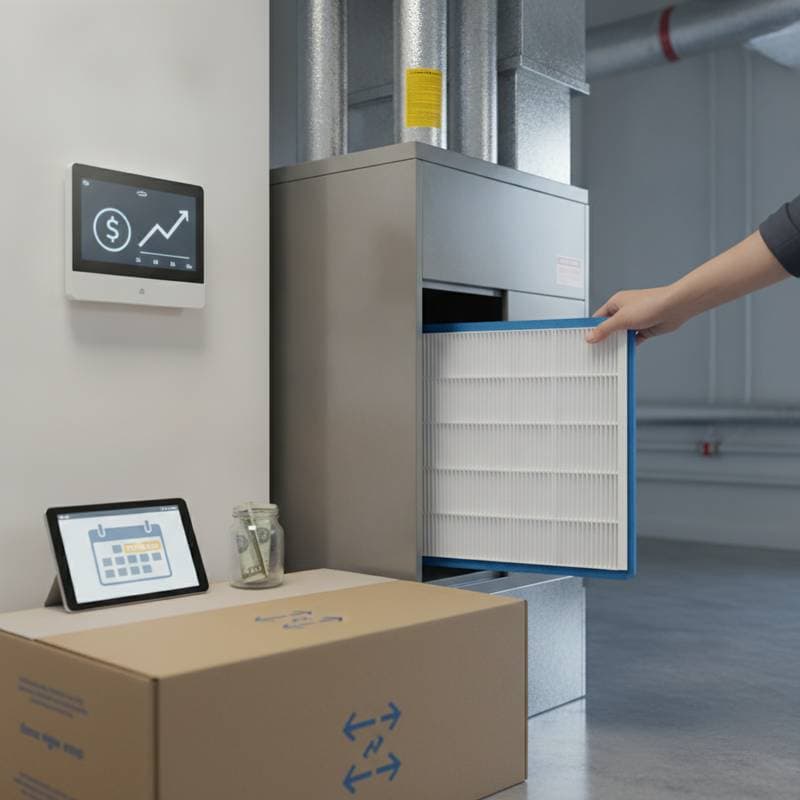
Routine care mirrors standard HVAC protocols. Annual inspections check tank integrity, refrigerant levels, and control functionality. Homeowners perform basic tasks like clearing debris around the unit and monitoring for unusual noises. Integrate these into seasonal service visits for minimal disruption.
Does the system deliver equivalent cooling performance?
Properly engineered installations match traditional output precisely. Advanced controls maintain set temperatures within one degree of conventional methods. Users report consistent comfort, with the added benefit of quieter daytime operation as the compressor rests.
How does it support environmental goals?
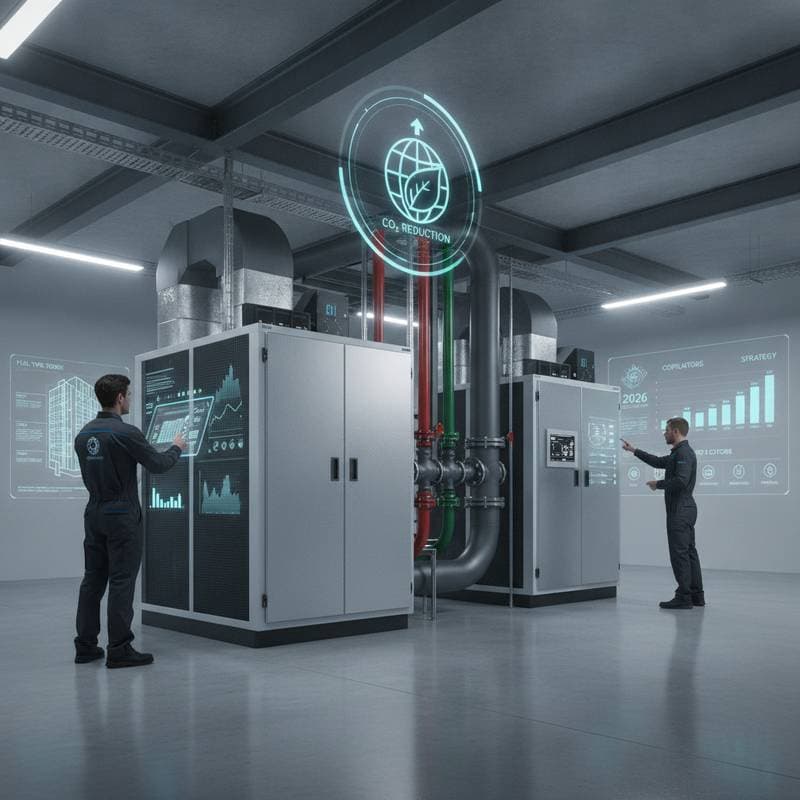
The technology promotes sustainability by aligning consumption with renewable-heavy off-peak periods and trimming total kilowatt-hour usage. This reduces reliance on peaker plants, which often burn dirtier fuels, thereby decreasing carbon footprints by 20 to 30 percent for cooling alone.
Steps to Implement Thermal Energy Storage
Evaluate your utility bills to quantify cooling expenditures and identify rate differentials. Consult HVAC specialists for a free audit, discussing options like IceBank or Calmac systems tailored to your layout. Secure financing through low-interest loans or rebates, then schedule installation during mild weather to minimize disruption. Track post-installation savings via smart meters, adjusting habits for peak efficiency. This upgrade not only trims costs but also fortifies your home against rising energy prices.