Understanding the Efficiency Leap in 2026 Heat Pumps
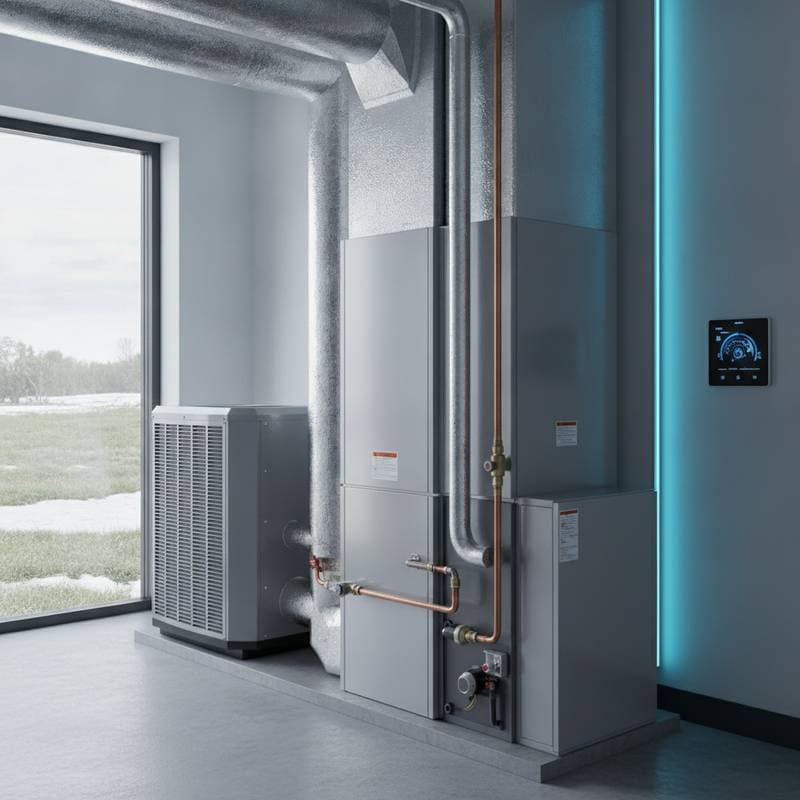
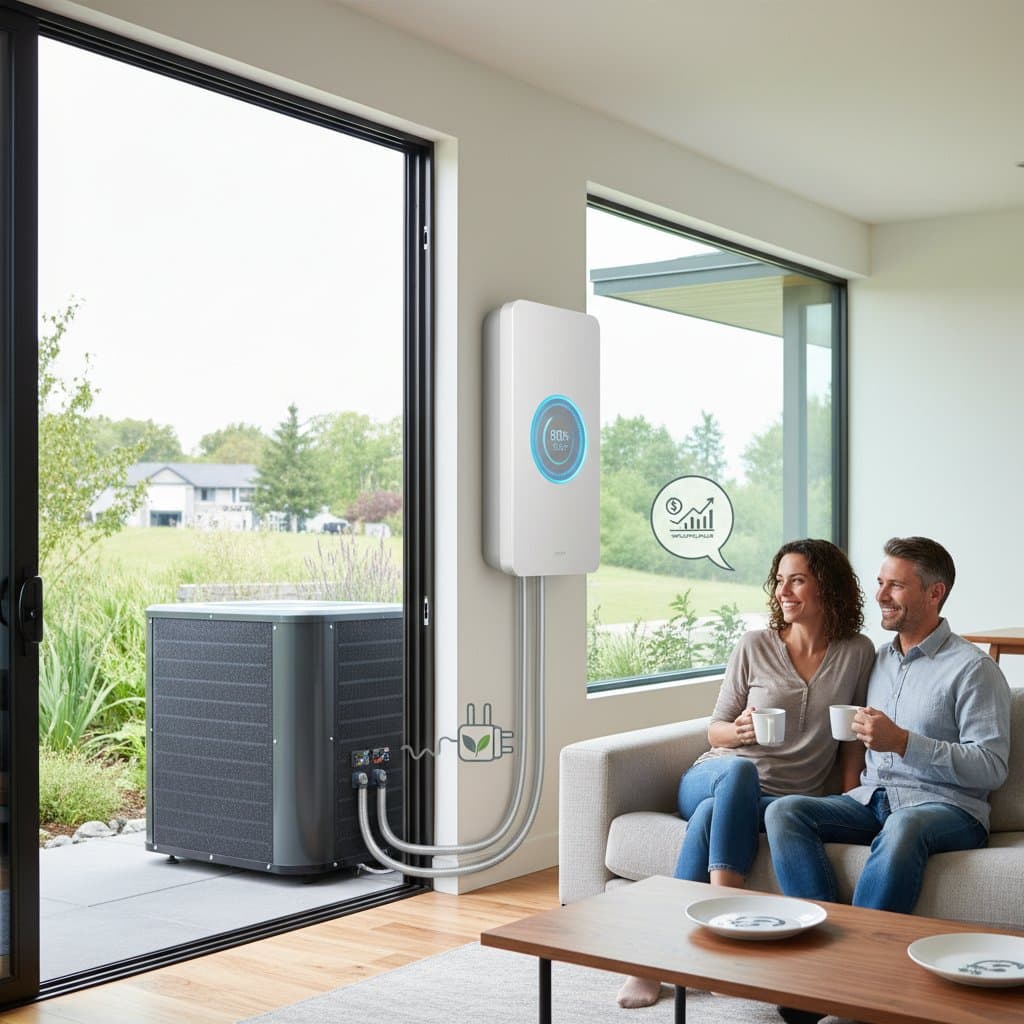
The introduction of 2026 heat pumps marks a significant advancement in residential heating and cooling systems. These units achieve up to an 80% increase in efficiency relative to many existing conventional systems, which translates to reduced energy consumption, lower greenhouse gas emissions, and reliable operation in diverse weather conditions. This overview details the implications of the forthcoming efficiency regulations, their effects on heat pump water heaters, and the advantages available to homeowners who install compliant systems.
Efficiency improvements stem from several key technological enhancements. Manufacturers incorporate variable-speed compressors that adjust output precisely to demand, minimizing energy waste. Smart controls integrate with home automation systems to optimize performance based on occupancy and weather data. Additionally, the adoption of low-global-warming-potential refrigerants ensures environmental benefits without sacrificing cooling capacity. Homeowners who select these models experience consistent temperatures and quieter operation, elevating overall indoor comfort.
Costs and Financial Benefits of Heat Pump Installation
Higher efficiency levels generally involve elevated initial expenses, yet the long-term savings on utility bills often offset these costs rapidly. The following table outlines typical installation prices, projected energy reductions, and return-on-investment timelines for various heat pump categories.
| Type | Average Installed Cost | Estimated Annual Energy Savings | Typical Payback Period |
|---|---|---|---|
| Standard Air-Source Heat Pump | $5,500 – $9,000 | 20% – 35% | 5 – 7 years |
| High-Efficiency Variable-Speed Heat Pump | $8,000 – $13,000 | 40% – 55% | 4 – 6 years |
| Heat Pump Water Heater (Hybrid) | $2,000 – $4,500 | 50% – 65% | 3 – 5 years |
| 2026 Ultra-Efficient Model (Projected) | $9,000 – $15,000 | 60% – 80% | 3 – 5 years |
Factors such as regional energy rates, specific equipment selections, and site-specific installation requirements influence these estimates. Nonetheless, the data highlights how superior efficiency accelerates financial recovery, making advanced systems a prudent investment for energy-conscious households.
Advancements in 2026 Heat Pump Water Heaters
The 2026 efficiency mandates extend to heat pump water heaters, which serve as effective, low-energy alternatives to conventional electric resistance units. Current models already provide two to three times the efficiency of standard electric water heaters by extracting heat from surrounding air. Projections for 2026 indicate further refinements, including optimized heat exchangers that capture ambient heat more effectively and superior insulation that minimizes standby losses.
These developments position heat pump water heaters as standout appliances for energy savings, especially in regions with mild temperatures where supplemental heating proves unnecessary. The table below compares key metrics between existing and anticipated 2026 models.
| Feature | Current HPWH | 2026 HPWH (Projected) | Efficiency Gain |
|---|---|---|---|
| Energy Factor (EF) | 3.0 – 3.5 | 4.5 – 5.0 | 35% – 80% |
| Average Annual Energy Use | 1,000 – 1,500 kWh | 600 – 900 kWh | 40% reduction |
| Estimated Cost Savings | $250 – $400 per year | $350 – $500 per year | Higher annual savings |
With these upgrades, families can anticipate reliable hot water supply alongside meaningful contributions to household energy reduction goals. Professional installation ensures optimal placement, such as in garages or utility spaces, to maximize heat source availability.
Frequently Asked Questions About 2026 Heat Pumps
How long do heat pumps last?
Most heat pumps endure for 12 to 15 years, and models equipped with durable components may exceed this lifespan with consistent maintenance. Schedule professional inspections annually, address issues promptly, and replace air filters regularly to preserve peak efficiency and prevent premature wear.
Will the new standards make older models obsolete?
Existing installations remain functional and efficient under proper care. The regulations target new production and distribution, fostering a phased transition to superior technologies without immediate disruption to current systems.
Can I upgrade my current system to meet the new standards?
Partial modifications, such as adding variable-speed components or programmable thermostats, enhance performance but seldom achieve complete regulatory compliance. For maximum gains, consider a full system replacement tailored to the home's specific needs, including improved duct sealing and insulation.
Are rebates or incentives available?
Numerous utility providers and federal programs support the adoption of high-efficiency heat pumps and water heaters. Qualifying installations often qualify for direct rebates, federal tax credits up to 30% of costs, or favorable financing options, which substantially lower the net expense.
Preparing Your Home for 2026 Heat Pump Standards
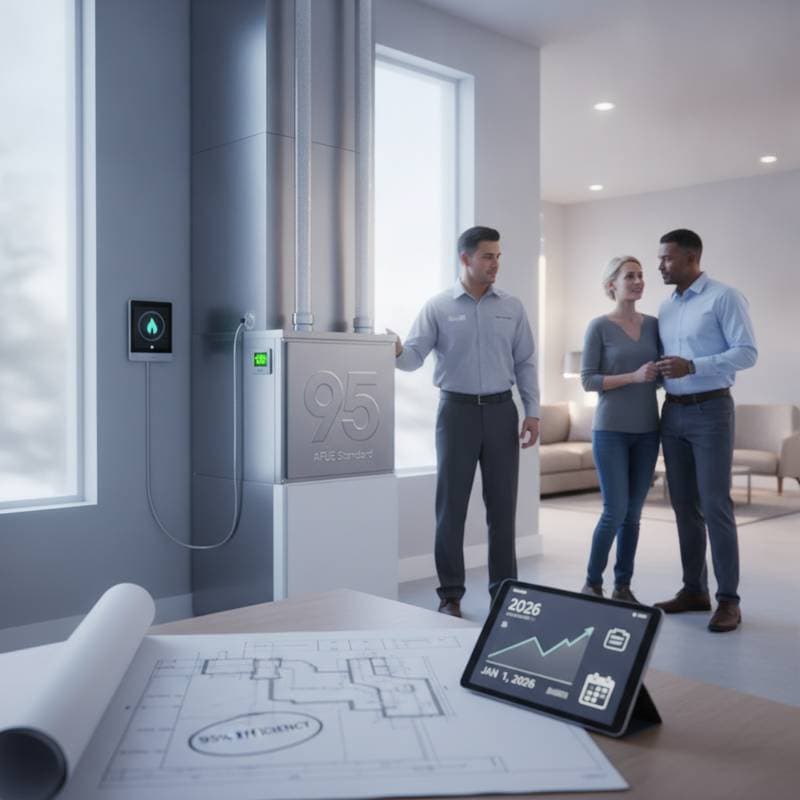
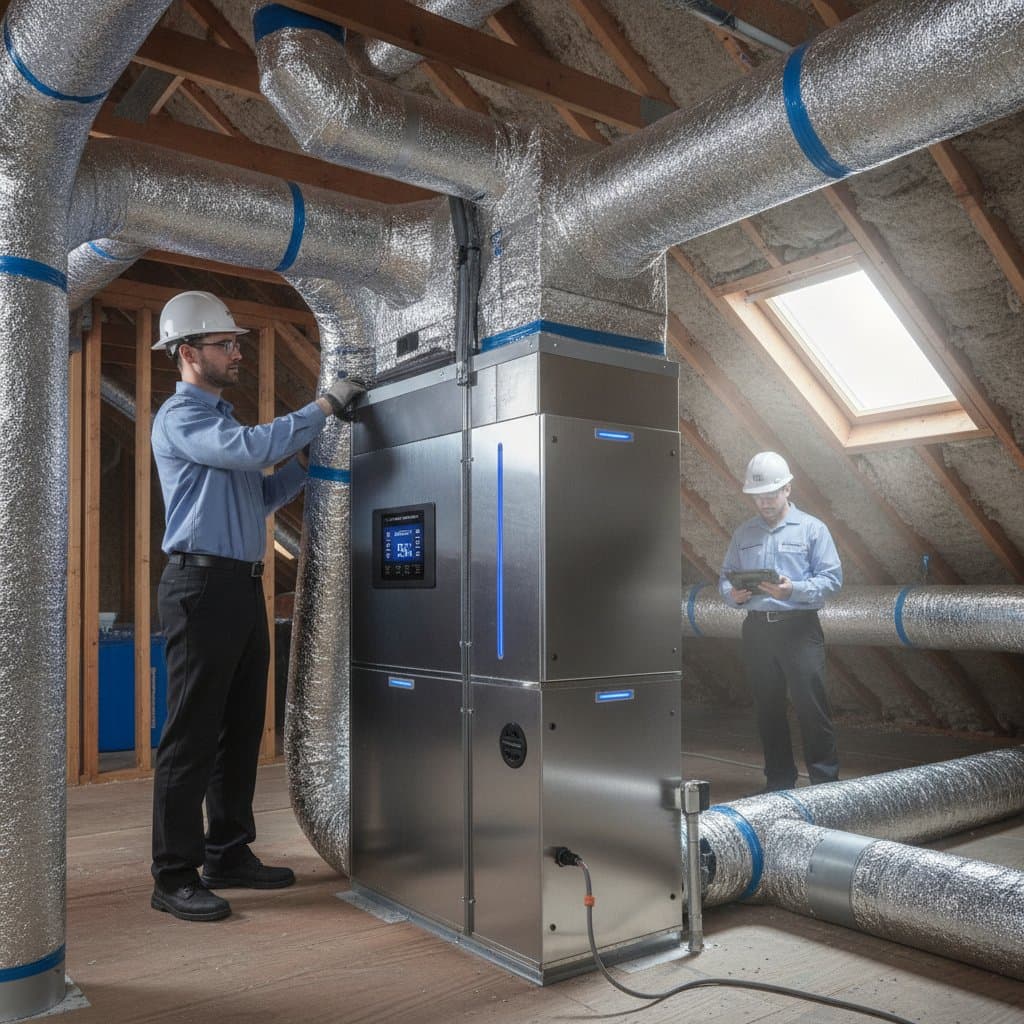
Transitioning to these advanced systems requires informed planning to ensure compatibility and performance. Evaluate your current setup, including insulation quality and electrical capacity, to avoid unexpected upgrades. Consult certified contractors who specialize in energy-efficient installations to align choices with local climate demands and household usage patterns.
Essential Questions for Installers
- What efficiency rating does this model attain under the 2026 standards?
- Is the unit appropriately sized for my home's layout, insulation, and heating load?
- What are the total costs, including any necessary modifications to ductwork or electrical systems?
- Which local rebates or incentives apply to this specific model?
- What routine maintenance tasks will maintain optimal operation?
- How does the outdoor unit's noise level compare to standard models?
- Does the warranty include coverage for both parts and labor?
- How effectively does the system function during extreme cold weather?
Addressing these points during consultations helps secure a system that delivers lasting value and reliability.
Steps to Implement Efficient Heating and Cooling Solutions
The 2026 heat pump standards advance the goal of sustainable, cost-effective climate control in homes. Homeowners who act now, whether through immediate upgrades or strategic planning, position themselves to capitalize on energy savings and environmental advantages. Professional guidance ensures seamless integration, transforming routine heating and cooling into a cornerstone of efficient living.