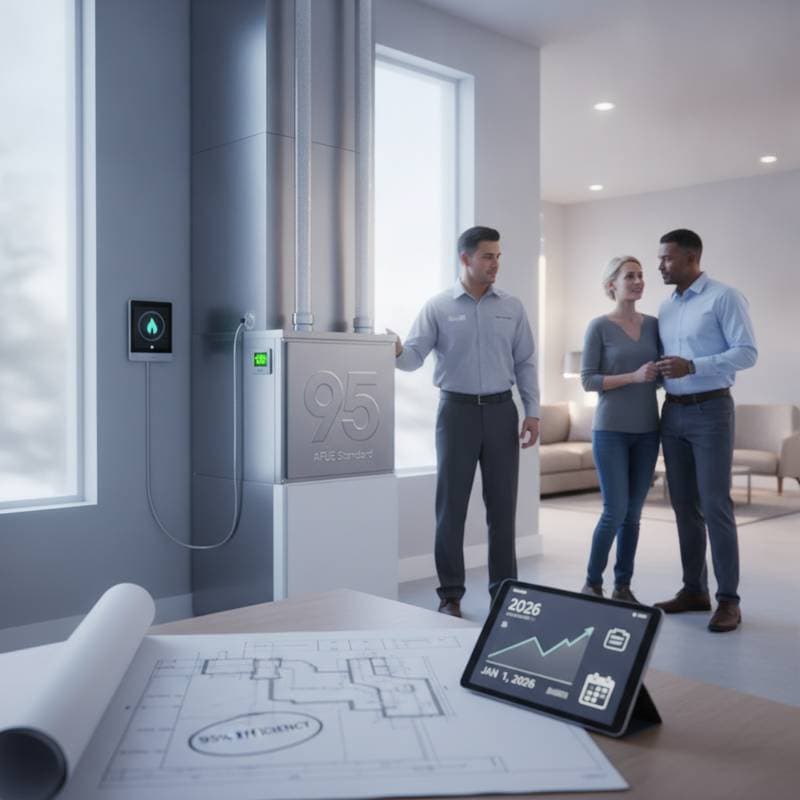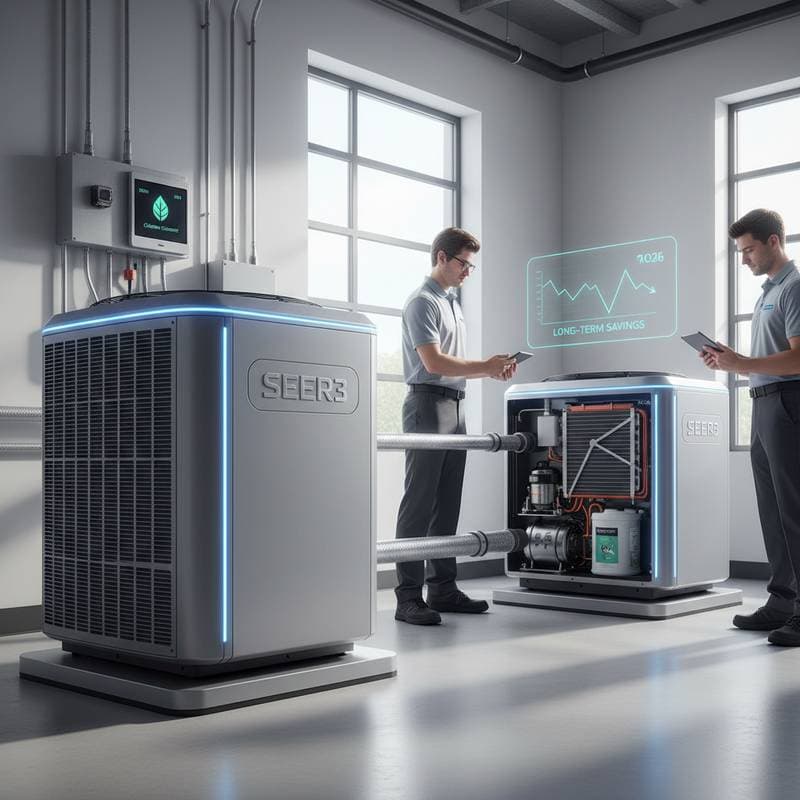
Why SEER3 Means 2026 AC Units Cost More But Save Big
New efficiency standards are raising the price of air conditioners. SEER3 requirements change how systems are designed, tested, and installed. Homeowners face higher initial costs yet gain lower energy use and better performance over many years. The following sections explain the standards, the reasons for price increases, and the practical steps to capture long-term savings.
What Is SEER3
SEER3 stands for Seasonal Energy Efficiency Ratio 3. It measures cooling output divided by electricity consumed across a full season. Higher numbers indicate greater efficiency under real operating conditions.
Earlier rating systems used simplified lab tests. SEER3 incorporates variable fan speeds, typical duct resistance, and changing indoor and outdoor temperatures. The updated method produces ratings that better predict actual energy use in homes.
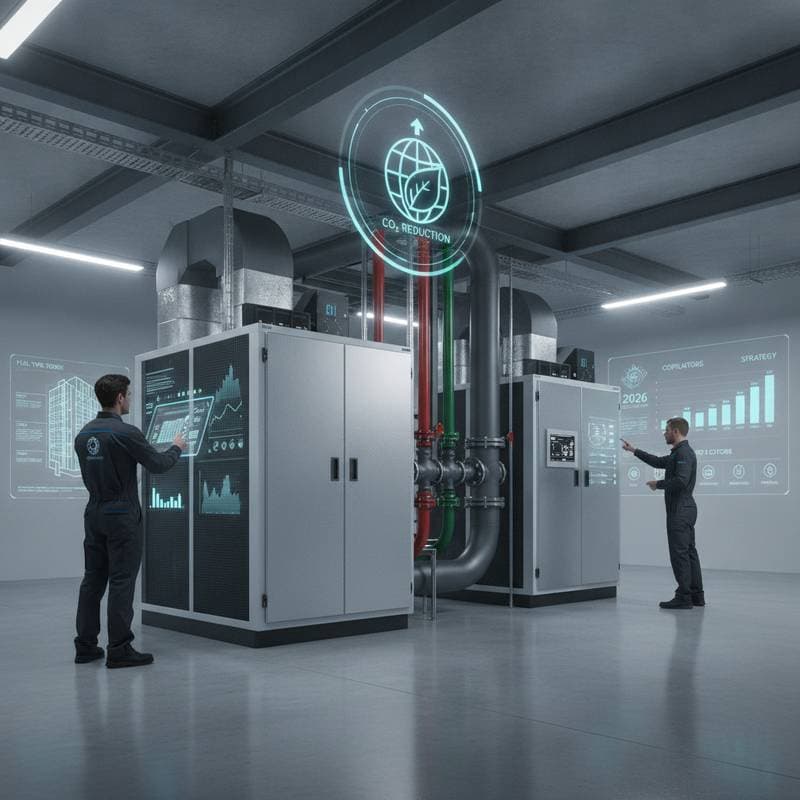
Manufacturers must now meet higher minimum efficiency levels. They redesign compressors, coils, and controls to satisfy the new thresholds. These engineering changes raise production costs and appear in retail prices.
Reasons SEER3 Units Cost More
Several factors drive the price increase. Each one reflects investments that improve performance and compliance.
Upgraded Components
Variable-speed compressors, high-efficiency motors, and advanced refrigerant controls replace older fixed-speed parts. These components cost more to manufacture yet allow precise capacity adjustments that reduce energy waste.
Updated Testing and Certification
Every model undergoes new laboratory procedures to verify compliance. Manufacturers absorb added engineering, documentation, and labeling expenses that transfer to the final product price.
Supply Chain and Training Adjustments
Distributors and contractors update inventory, tools, and technician training. These operational changes contribute to higher equipment and installation charges.
Regional Efficiency Requirements
Warmer climate zones impose stricter SEER3 minimums. Homeowners in those areas pay more for advanced equipment but operate their systems for more hours each year, increasing total energy savings.
Long-Term Savings From SEER3 Systems
Higher purchase prices are offset by measurable operating benefits. The following advantages accumulate over the life of the equipment.
Lower Energy Consumption
A high-SEER3 unit delivers the same cooling with 20 to 40 percent less electricity than older models. Actual savings depend on home size, insulation quality, and local utility rates. Over ten to fifteen years these reductions often exceed the initial premium.
Longer Equipment Life
Variable-speed operation reduces on-off cycling. Lower mechanical stress extends compressor and motor life while decreasing repair frequency.
Stable Comfort and Cleaner Air
Precise capacity control maintains steady temperatures and humidity. Continuous low-speed airflow improves filtration and reduces dust circulation.
Reduced Environmental Impact
Lower electricity demand decreases household carbon output. New refrigerants with reduced global-warming potential further limit environmental effects.
How SEER3 Ratings Differ From Prior SEER Values
SEER3 numbers appear lower than older SEER ratings because testing conditions are more demanding. A unit formerly rated 16 SEER may carry a 15.2 SEER3 label even though its physical efficiency remains unchanged. Always compare new equipment using the SEER3 value.
Refrigerant Changes Under SEER3
Many SEER3 systems use low-global-warming-potential refrigerants. These fluids require different handling pressures and certified recovery equipment. Licensed technicians receive additional training that supports safe installation and service.
Professional Installation Steps
Correct installation determines whether a system achieves its rated efficiency. Contractors follow a structured process.
- Perform a room-by-room load calculation to select the proper capacity.
- Evaluate existing ductwork for leaks or restrictions and recommend sealing or modifications.
- Install the indoor and outdoor units with precise refrigerant charging and electrical connections.
- Calibrate fan speeds, thermostat settings, and safety controls before final startup.
Tasks Homeowners Can Handle
Routine maintenance protects efficiency without specialized tools.
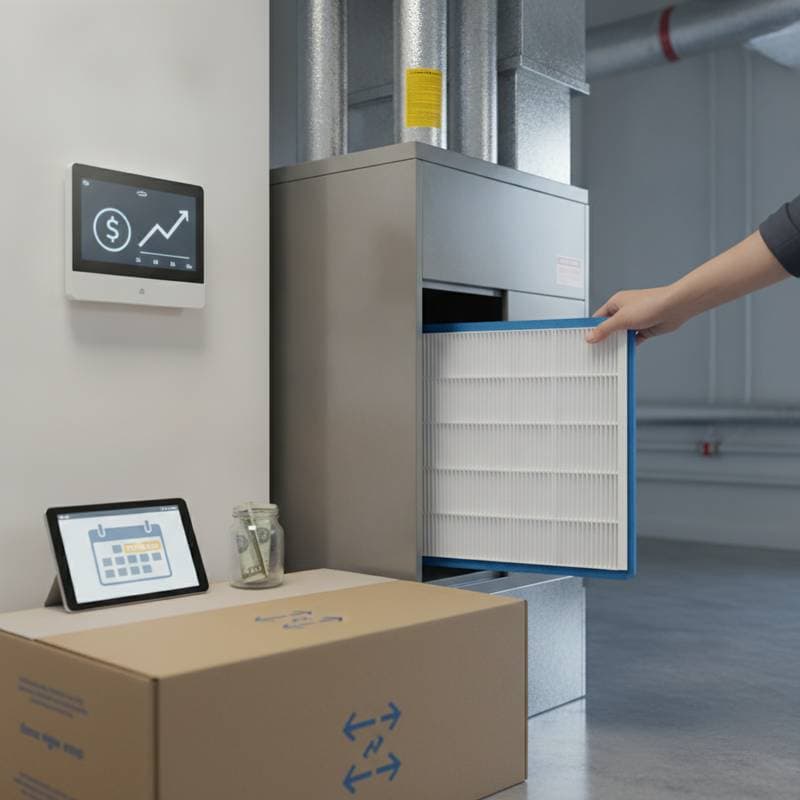
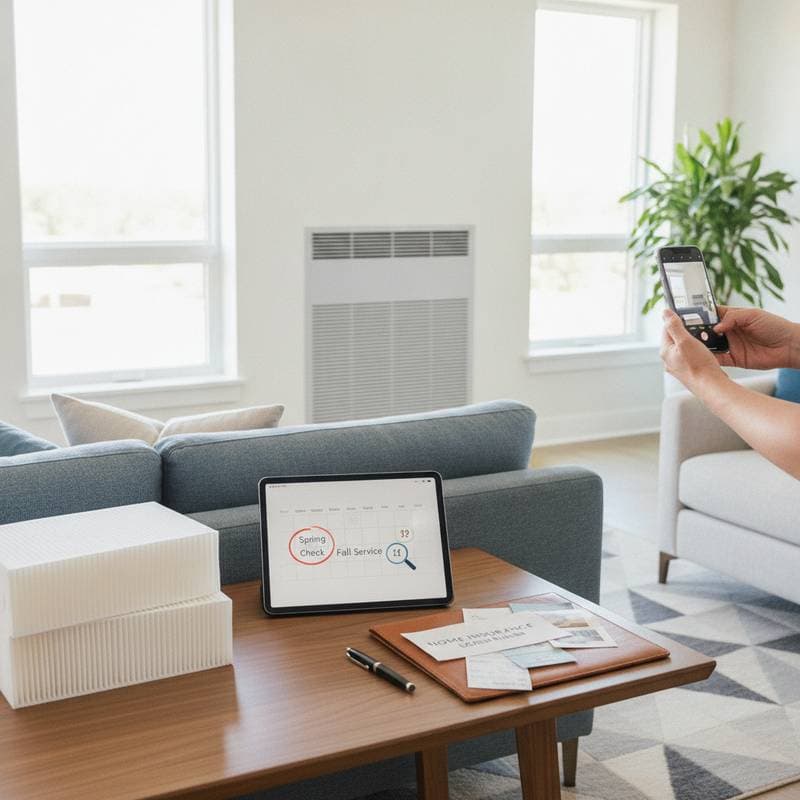
- Replace filters on the schedule recommended by the manufacturer.
- Clear debris from the outdoor coil several times each season.
- Confirm that supply and return vents remain unobstructed.
- Arrange annual professional tune-ups.
Work involving refrigerant lines, electrical modifications, or new equipment installation requires a licensed contractor to preserve warranties and meet safety codes.
Budget Considerations for SEER3 Equipment
Final project costs vary with several controllable factors.
- Larger homes require higher-capacity units that increase both equipment and labor expenses.
- Higher SEER3 ratings raise upfront cost but improve annual savings.
- Premium brands add features such as humidity control and quieter operation.
- Complex duct modifications or limited access increase installation time.
- Utility rebates and tax incentives can offset part of the initial investment.
Answers to Common Questions
What does SEER3 measure?
It calculates total seasonal cooling output divided by total electricity consumed under realistic conditions.
Will older units still receive service?
Existing equipment continues to operate, yet replacement parts and compatible refrigerants may become scarce over time.
How large is the price increase?
Most SEER3 systems cost 10 to 25 percent more than comparable older models, with energy savings typically recovering the difference within several years.
Can an existing system be upgraded to meet SEER3?
No. Efficiency depends on integrated design elements that cannot be retrofitted economically.
How should homeowners select the correct system?
Engage a licensed contractor who performs a detailed load assessment and presents options that satisfy regional SEER3 minimums.
Next Steps for Homeowners
Schedule a load assessment with a licensed HVAC contractor before the 2026 effective date. Compare SEER3 ratings, review available incentives, and confirm installation practices that protect long-term efficiency and comfort.