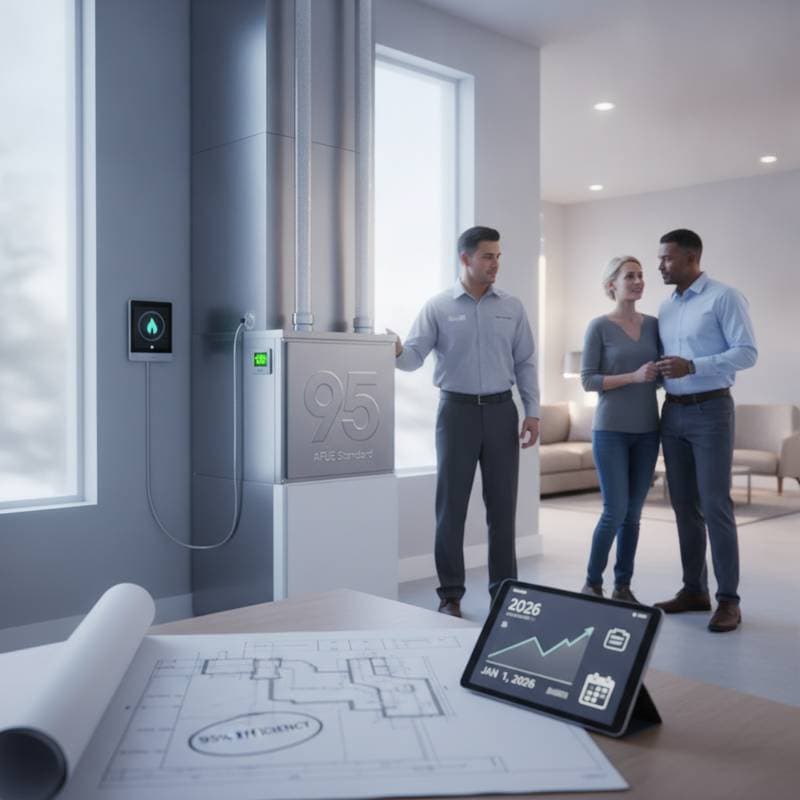
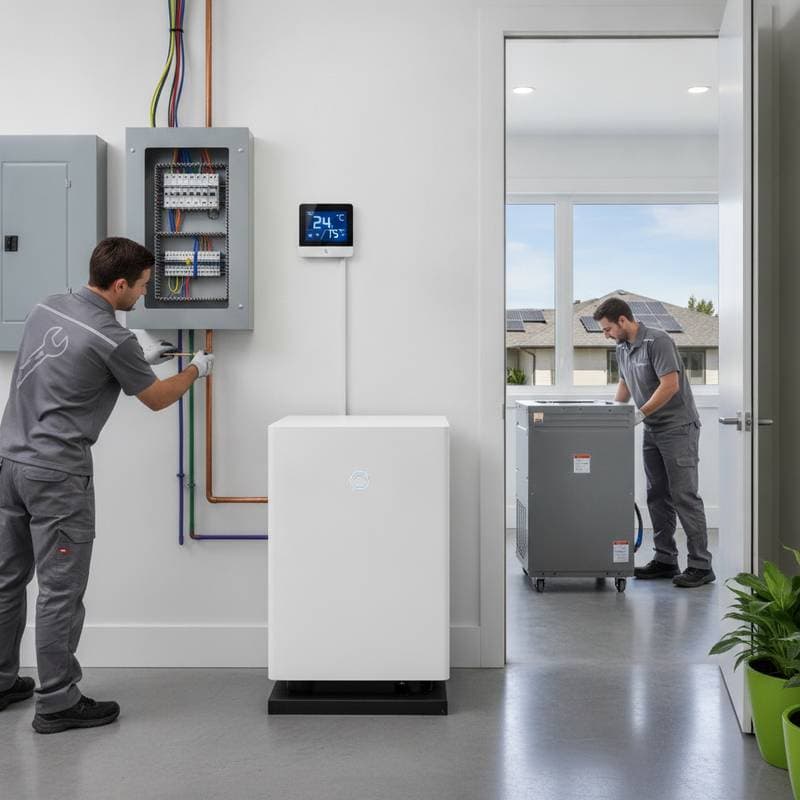
How Will HVAC Electrification Mandates Affect Homeowners in 8 States?
Understanding the Upcoming HVAC Electrification Mandates
Several states are preparing to introduce HVAC electrification mandates that will require new residential and commercial buildings to use electric heating and cooling systems instead of gas powered furnaces. These changes support broader energy efficiency and emissions reduction goals focused on transitioning away from fossil fuels.
The regulations will affect eight states, each with slightly different timelines and enforcement methods. Details vary based on local energy codes and infrastructure. Homeowners and contractors need to understand electric heat pump systems, energy performance standards, and cost implications.
This article explains what electrification means for HVAC systems, how it will affect gas furnaces, what homeowners can expect for replacement costs, and how to prepare for the new requirements.
What Is HVAC Electrification?
HVAC electrification refers to replacing heating and cooling systems that rely on natural gas, propane, or oil with fully electric alternatives. The most common option is a heat pump, which can both heat and cool homes efficiently using electricity.
Electric systems lower greenhouse gas emissions, reduce reliance on fossil fuels, and improve indoor air quality. In new construction, builders must install electric systems that meet specific energy performance ratings. In existing homes, replacement requirements will phase in gradually as older systems reach the end of their lifespan.
Impact on Gas Furnaces and Existing HVAC Systems
Under the new mandates, gas furnaces will face restrictions in new residential and commercial buildings. Some states will also limit installation of replacement gas furnaces during major retrofits.
Existing systems can continue operating until they fail or require replacement. The long term goal is to transition most heating and cooling systems to electric power through natural equipment turnover. Homeowners will need to plan for different installation requirements, electrical upgrades, and potential cost differences between gas and electric systems.
Average Cost to Replace a Gas Furnace with a Heat Pump
Replacing a gas furnace with a modern electric heat pump varies based on home size, system capacity, and electrical panel readiness.
| System Type | Average Installed Cost | Details |
|---|---|---|
| Air Source Heat Pump | $7,000 to $13,000 | Common for most homes and offers both heating and cooling |
| Ductless Mini Split | $5,000 to $10,000 | Ideal for homes without central ducts |
| Geothermal Heat Pump | $15,000 to $30,000 | High efficiency with long lifespan but higher installation cost |
Electric systems often cost more upfront than gas furnaces. Homeowners can recover part of the investment over time through lower energy bills, rebates, and reduced maintenance needs.
Factors Affecting HVAC Electrification Costs
Several elements influence the price of converting to electric HVAC systems. Understanding these factors helps homeowners budget effectively.
- Electrical panel upgrades may be necessary in older homes. These upgrades typically cost between $1,000 and $3,000.
- Larger homes or poorly insulated spaces require higher capacity systems, which raises equipment and installation expenses.
- Heat pumps with higher SEER and HSPF ratings cost more initially but lower long term operating expenses.
- Labor costs vary by region. Areas with high demand for HVAC technicians often have higher service rates.
- Many states and utilities offer rebates for switching to energy efficient electric systems. These incentives can reduce total project costs by several thousand dollars.
HVAC Electrification FAQs
Will I Be Forced to Replace My Gas Furnace Immediately?
No. Existing gas furnaces can continue to operate until they fail or require replacement. The mandates primarily target new construction and major renovations.
Are Heat Pumps Reliable in Cold Climates?
Modern heat pumps operate efficiently across a wide temperature range. Cold climate models maintain comfortable indoor temperatures even during freezing outdoor conditions.
How Long Does Heat Pump Installation Take?
Most installations require one to three days depending on system type and electrical needs. Complex retrofits may take longer if ductwork or panel upgrades are required.
How Long Do Heat Pumps Last?
Quality heat pumps typically last 15 to 20 years with proper maintenance. Regular servicing extends equipment life and maintains efficiency.
Planning Steps for HVAC Electrification Mandates
Homeowners should evaluate their current electrical service capacity before selecting a system. They should also compare system sizes and types against home layout and insulation levels. Checking for available local rebates helps reduce upfront expenses. Calculating expected annual energy savings supports informed budgeting decisions. Understanding required maintenance routines ensures long term performance. Confirming manufacturer warranty coverage provides additional protection for the investment.