Achieve 55% Savings on Winter Heating Bills with Dual-Fuel Systems
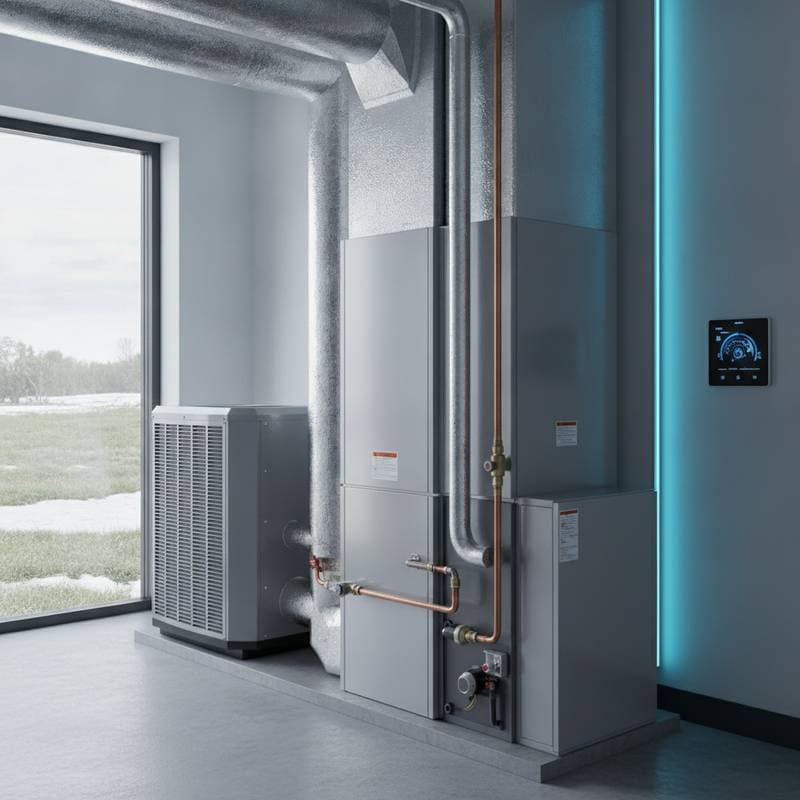
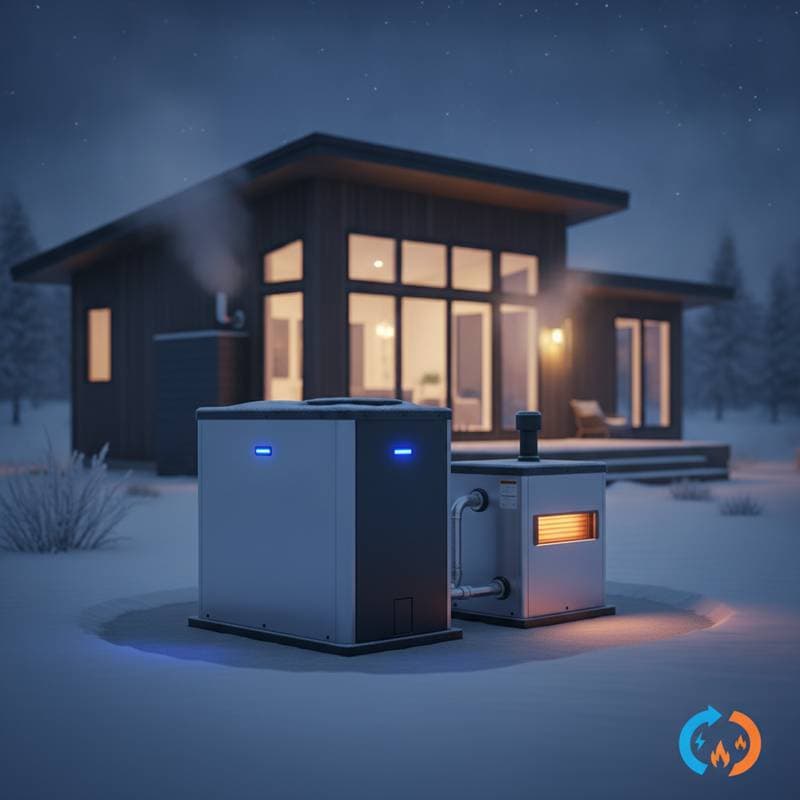
High heating expenses during cold weather challenge many homeowners. A dual-fuel heating system offers a solution by reducing costs by up to 55% while maintaining steady home comfort. This hybrid approach integrates an electric heat pump for mild conditions with a gas furnace for extreme cold, enabling automatic transitions that optimize energy use and performance.
Homeowners benefit from lower utility payments and reliable warmth. The following sections detail the operation of dual-fuel systems, associated expenses, pricing variables, and reasons to pursue this upgrade for enhanced winter energy management.
| Item | Average Cost |
|---|---|
| National Average Cost | $7,000 - $12,000 |
| Typical Price Range | $6,000 - $10,000 |
| Extreme High-End | $15,000+ |
| Extreme Low-End | $5,000 |
Factors Influencing Dual-Fuel System Expenses
Multiple elements determine the total expense of a dual-fuel system. Homeowners who grasp these components can plan budgets effectively and select configurations suited to their properties.
Capacity and System Sizing
System capacity appears in tons for cooling components or BTUs for heating output. Properties with greater square footage demand larger units, elevating both equipment prices and labor requirements. Engage a specialist to perform a load calculation, which matches the system precisely to the home's needs and avoids inefficiencies from improper sizing.
Brand Reputation and Construction Standards
Systems from established manufacturers deliver superior efficiency metrics and extended warranties, though initial investments prove higher. Options in the mid-tier range balance performance with affordability. Select brands with proven track records to minimize future repair expenditures and ensure long-term dependability.
Efficiency Performance Metrics
Efficiency evaluates through SEER2 ratings for cooling and HSPF2 for heating functions. Elevated ratings signify reduced energy consumption per unit of output. While advanced models require greater upfront spending, their operational savings on electricity and gas bills offset costs over time, enhancing overall value.
Demands of the Installation Process
Properties equipped with existing ductwork, gas piping, and electrical infrastructure simplify the setup, thereby lowering expenses. Structures of older construction may necessitate additions like new vents, expanded wiring, or duct modifications, which increase labor and material outlays. A site assessment by professionals reveals these requirements early.
Regional Weather Patterns and Utility Pricing
Areas with temperate winters allow heat pumps to dominate operation, maximizing electricity savings where rates remain low. Harsher climates shift reliance to the gas furnace during peak cold, moderating savings yet ensuring consistent heating without performance drops. Local energy tariffs further shape the financial benefits of this hybrid design.
Indicators for Upgrading to a Dual-Fuel Heating System
Certain home conditions signal the need for a dual-fuel upgrade. Addressing these through a hybrid system improves efficiency and resolves persistent issues.
- Elevated heating invoices during winter periods
- Repeated maintenance calls for the existing furnace
- Inconsistent temperatures in different areas of the home
- Heat pump performance declining in sub-zero conditions
- Interest in lowering environmental impact while preserving warmth
- Current equipment exceeding ten years of age with diminishing output
Dual-fuel technology resolves these challenges by selecting the optimal energy source based on external temperatures, delivering both economy and reliability.
Breakdown of Labor Expenses for Dual-Fuel Installations
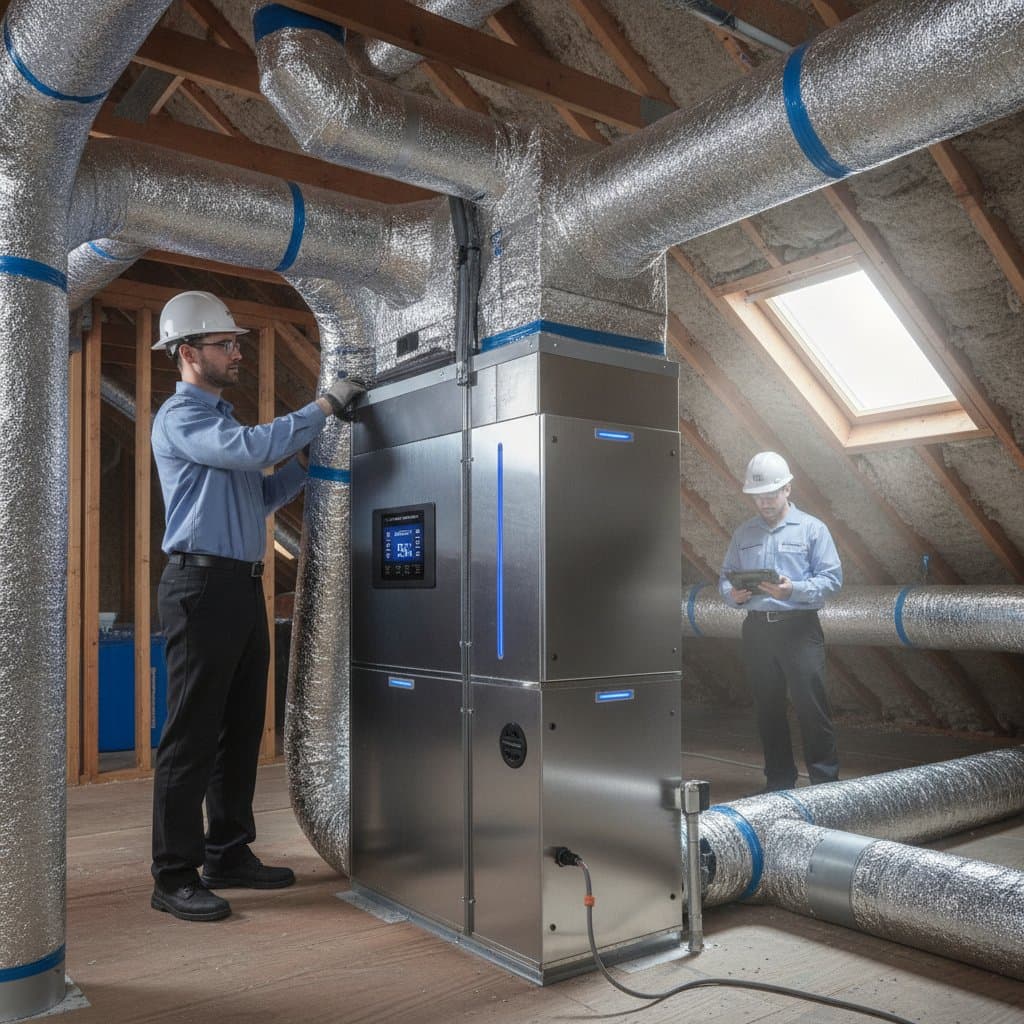
Installation labor constitutes 25% to 40% of the overall project cost. Professionals typically charge between $2,000 and $4,000 for this phase. Tasks encompass positioning the equipment, linking electrical and gas components, charging refrigerant lines, and conducting thorough operational tests to verify seamless integration.
Homeowners should obtain multiple quotes from certified technicians to compare labor rates and timelines. Factors such as travel distance and project duration influence these fees, so local market research aids in securing competitive pricing.
Frequently Asked Questions on Dual-Fuel Heating Systems
In What Manner Does a Dual-Fuel System Generate Savings?
The system employs sensors to monitor outdoor temperatures and switches energy sources accordingly. During moderate weather, the electric heat pump activates, leveraging economical electricity rates. In severe cold, the gas furnace engages to provide superior heat output, preventing energy inefficiency and reducing overall consumption.
Does the Investment in a Dual-Fuel System Yield Returns?
Affirmative. The elevated initial expenditure surpasses that of conventional units, yet annual savings approach 55% on heating expenses. Most owners recoup the outlay within three to five years via diminished utility payments and reduced service needs, followed by sustained financial gains.
Is It Possible to Integrate a Dual-Fuel Configuration with an Existing HVAC Setup?
In numerous instances, integration proves feasible. Viable existing furnaces and duct systems permit the addition of a matching heat pump. Technicians conduct evaluations to assess compatibility and recommend necessary adjustments for hybrid functionality.
What Is the Expected Lifespan of a Dual-Fuel System?
Regular upkeep extends service life to 15 to 20 years. The gas furnace component often endures longer than the heat pump, but both elements receive engineering for robust operation. Adhering to maintenance schedules preserves peak performance across this duration.
What Upkeep Procedures Apply to Dual-Fuel Systems?
Homeowners perform routine tasks such as replacing air filters monthly and clearing debris from coils. Annual professional inspections examine burners, electrical connections, and refrigerant levels. Pre-winter tune-ups confirm readiness for heating demands, averting breakdowns and maintaining efficiency.
Can Dual-Fuel Systems Operate Without Natural Gas Availability?
Yes, propane serves as a viable alternative fuel. The hybrid mechanism remains unchanged, with automatic shifts between electric and propane components based on temperature thresholds. This adaptability suits rural or off-grid locations lacking natural gas infrastructure.
Steps to Secure Savings and Reliable Home Heating
Transitioning to a dual-fuel system begins with consulting certified HVAC professionals for a customized assessment. Review energy audits to pinpoint savings potential specific to your property. Explore financing options and available incentives to offset installation costs.
Once installed, monitor system performance through smart thermostats that track usage patterns. Combine the upgrade with home insulation improvements for amplified efficiency. This comprehensive approach not only trims winter bills but also fosters a more sustainable and comfortable living environment year-round.