Reduce Water Heating Costs by $500 Annually: The Fourfold Efficiency of Heat Pumps
High energy bills from water heating signal a need for change. Heat pump water heaters address this issue by lowering costs up to $500 per year and consuming only one-fourth the energy of standard electric units. This guide explains their function, efficiency advantages, and steps to achieve substantial savings while maintaining home comfort.
Understanding Heat Pump Water Heaters
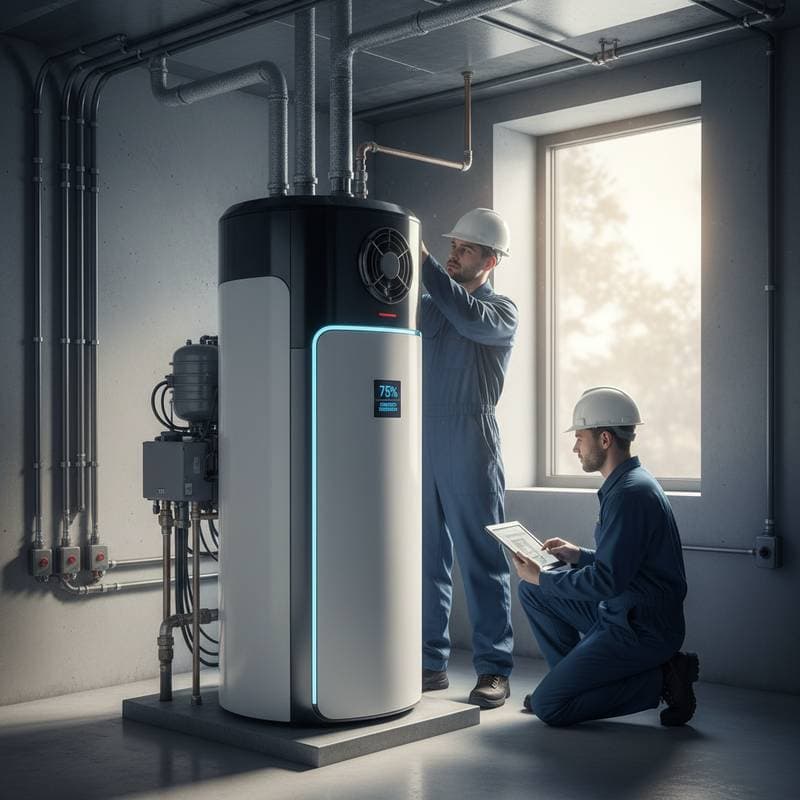
A heat pump water heater employs electricity to relocate heat instead of producing it outright. Unlike conventional units that rely on electrical resistance for heating, this system draws warmth from surrounding air and conveys it to the water tank. The mechanism mirrors that of a reversed air conditioner or refrigerator.
This approach yields exceptional efficiency, providing equivalent hot water volumes with minimal energy input. Heat transfer, rather than generation, enables performance ratings up to four times that of traditional systems.
The Operating Principles of Heat Pump Water Heaters
Grasping the mechanics reveals the basis for cost reductions. The process unfolds in these stages:
- Heat Absorption: Warm air from the vicinity enters the heat pump unit.
- Compression: A compressor elevates the temperature of the captured heat.
- Heat Exchange: The warmed refrigerant delivers heat to the tank's water.
- Storage: Heated water stays available for household use, akin to standard setups.
Direct heating via electric elements demands far more power than this transfer method. Accumulated efficiencies compound into meaningful financial benefits over time.
Indicators for Upgrading to a Heat Pump Water Heater
Determine readiness for replacement through these signs:
- The existing unit exceeds ten years in age or experiences recurrent failures.
- Energy expenses rise despite stable consumption patterns.
- Hot water delivery varies in temperature.
- Efforts focus on diminishing household carbon emissions and overall energy demands.
- Local utilities provide financial incentives for efficient appliances.
Consult a qualified specialist to assess the current installation and confirm suitability for a heat pump model.
The Fourfold Efficiency Edge of Heat Pump Water Heaters
Efficiency stems from relocating rather than creating heat. Conventional electric heaters transform electricity into heat with substantial waste. Heat pumps apply electricity to shift pre-existing thermal energy from air to water.
This amplification results in efficiency ratings of 300 to 400 percent. Effectively, each unit of electricity yields three to four units of heat for the water. Such performance underpins annual savings potential reaching $500.
Variables Influencing Energy Savings
Savings vary based on these elements:
- Regional Climate: Milder temperatures facilitate heat extraction, benefiting moderate zones most.
- Unit Location: Positioning in consistently warm areas, like basements, boosts operation.
- Household Water Needs: Greater usage amplifies proportional reductions.
- Local Power Rates: Elevated electricity prices heighten the value of efficiencies.
- Model Specifications: High-end units feature superior compressors and controls for enhanced reliability.
- Installation Precision: Proper configuration secures airflow, drainage, and insulation for full potential.
Evaluating these aspects provides precise projections for energy and expense outcomes.
Comparing Heat Pump Water Heaters to Electric and Gas Alternatives
Assess options holistically, considering lifecycle expenses beyond upfront investments. Heat pump models carry higher initial costs, yet operational economies offset them swiftly.
Energy Performance
- Heat Pump Water Heaters: Consume 60 to 75 percent less energy overall.
- Standard Electric Units: Directly convert power to heat, incurring high losses.
- Gas Units: Provide rapid heating but emit gases and face volatile fuel pricing.
Upkeep Requirements
- Heat Pump Models: Involve periodic filter maintenance and yearly expert reviews.
- Traditional Systems: Demand sediment flushing but feature simpler mechanics.
Service Life
- Heat Pump Installations: Endure extended periods with diligent care due to moderated temperatures.
Total ownership analysis highlights the heat pump's superior value.
Overview of the Installation Procedure
Professional HVAC experts streamline the transition to a heat pump water heater. Anticipate these phases:
- Site Evaluation: Review plumbing, wiring, and spatial constraints.
- Model Recommendation: Select appropriate capacity based on family requirements.
- Site Preparation: Drain and extract old equipment; site the new unit for ideal ventilation.
- System Integration: Connect water lines and power sources, adhering to regulations.
- Performance Verification: Operate the unit, confirm functionality, and fine-tune for efficiency.
Retrofits prove feasible even in homes without prior heat pump experience, with limited interruption.
Maintenance: Self-Care Versus Expert Service
Certain upkeep tasks suit homeowners, while others necessitate specialists.
Homeowner Maintenance
- Replace or clean air filters quarterly.
- Maintain unobstructed space around the unit for ventilation.
- Monitor for moisture accumulation or leaks.
Professional Responsibilities
- Examine refrigerant circuits and wiring.
- Validate safety devices and thermostats.
- Clear tank deposits through flushing.
Common Questions About Heat Pump Water Heaters
What Savings Can Households Expect?
Typical reductions range from $300 to $500 yearly on energy expenses. Figures hinge on consumption levels, regional rates, and unit performance.
Do They Function in Colder Regions?
Performance holds in low temperatures with strategic placement. Position units in areas above freezing, such as enclosed basements, to preserve efficiency.
What Incentives Exist?
Utilities and programs frequently rebate efficient purchases. Specialists assist in navigating applications and documentation.
What Is Their Expected Lifespan?
Proper care extends service beyond standard electric counterparts. Annual inspections ensure longevity.
How Noticeable Is the Operating Sound?
Units emit a low hum comparable to refrigeration appliances. Placement in service zones minimizes any disturbance.
Steps to Implement a Heat Pump Upgrade
Adopting a heat pump water heater enhances efficiency, trims expenses, and advances environmental goals.
Engage a reputable HVAC provider to review your setup, suggest tailored solutions, and execute a secure installation. This investment delivers sustained comfort and financial relief.