How Can Smart HVAC Scheduling Save Energy When the Grid Is Cleanest?
Understanding Smart HVAC Scheduling for Clean Energy Use
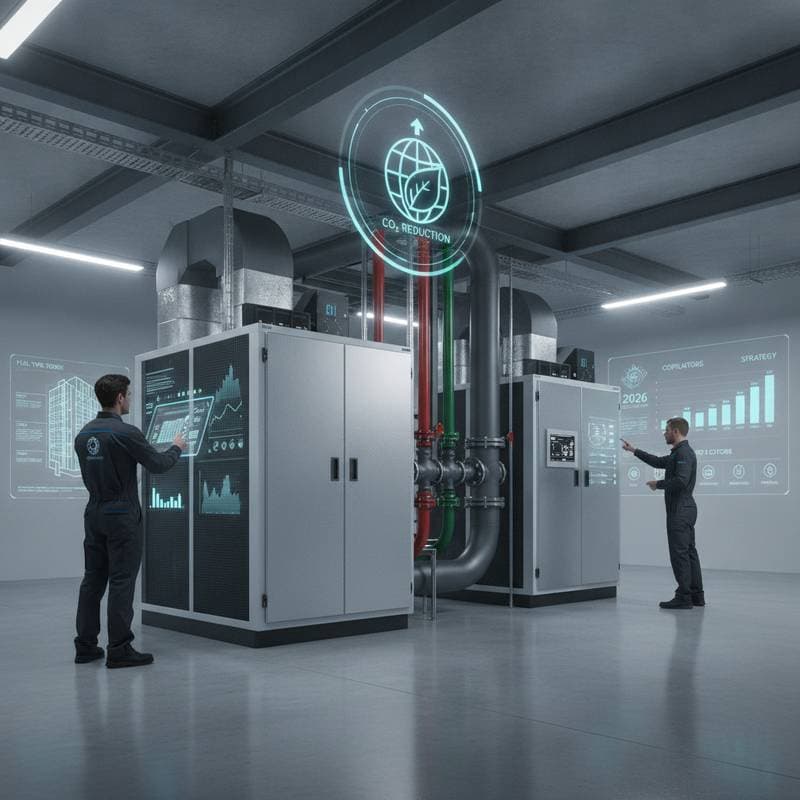
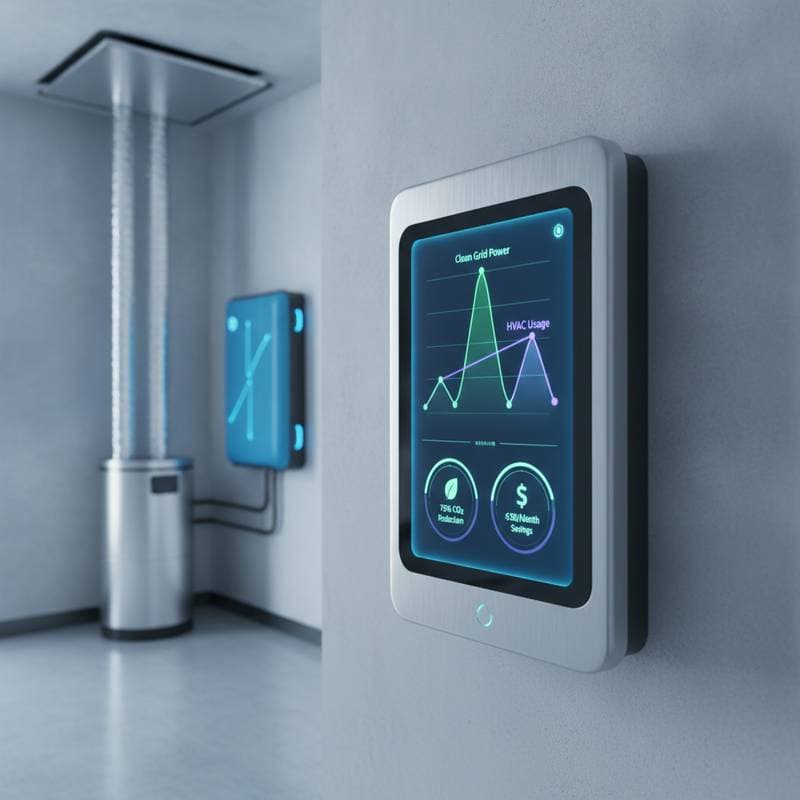
Smart HVAC scheduling aligns system operation with periods when the electrical grid draws from cleaner sources. This approach reduces carbon emissions while lowering energy expenses. Homeowners achieve these results through smart thermostats that process grid data and apply machine learning algorithms.
Systems identify low carbon intensity windows and shift heating or cooling cycles accordingly. A residence might lower indoor temperature earlier when solar output peaks, then coast through peak demand hours. The method preserves comfort levels and supports broader renewable integration.
Benefits of Smart HVAC Scheduling
Carbon aware scheduling delivers measurable gains in cost control, emission reduction, and system performance.
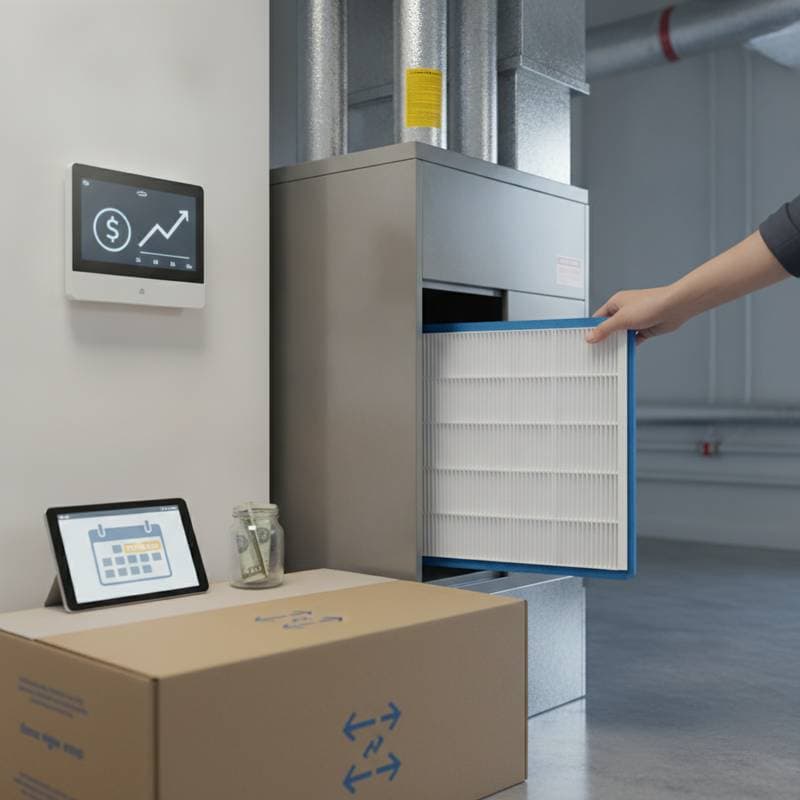
- Lower Energy Bills: Time of use utility rates reward operation during off peak hours. Smart controls automatically select these windows to cut monthly charges.
- Reduced Carbon Emissions: Consumption during high renewable generation periods decreases the carbon intensity of each kilowatt hour used.
- Enhanced Comfort and Efficiency: Learning algorithms maintain set points by preconditioning spaces during clean energy availability.
- Support for Renewable Energy Integration: Coordinated household behavior smooths demand curves and reduces curtailment of wind and solar output.
Factors That Influence Smart HVAC Effectiveness
Performance depends on location, infrastructure, and equipment characteristics.
- Climate and Seasonal Variations: Areas with substantial solar or wind resources offer more frequent clean energy intervals for scheduling gains.
- Utility Data Availability: Real time carbon intensity feeds enable precise timing. Predictive models substitute where live data streams remain unavailable.
- Home Insulation and Efficiency: Tight building envelopes extend the duration that preconditioned temperatures remain stable.
- Equipment Type and Age: Variable speed systems and modern control boards accept external signals more readily than legacy units.
- User Preferences: Manual overrides remain possible, yet frequent intervention reduces overall savings.
Smart HVAC Scheduling FAQs
How does smart HVAC scheduling know when energy is cleanest?
Connected devices receive carbon intensity signals from utilities or regional grid operators. High renewable output registers as a clean period and triggers schedule adjustments.
Can I use smart scheduling without replacing my HVAC system?
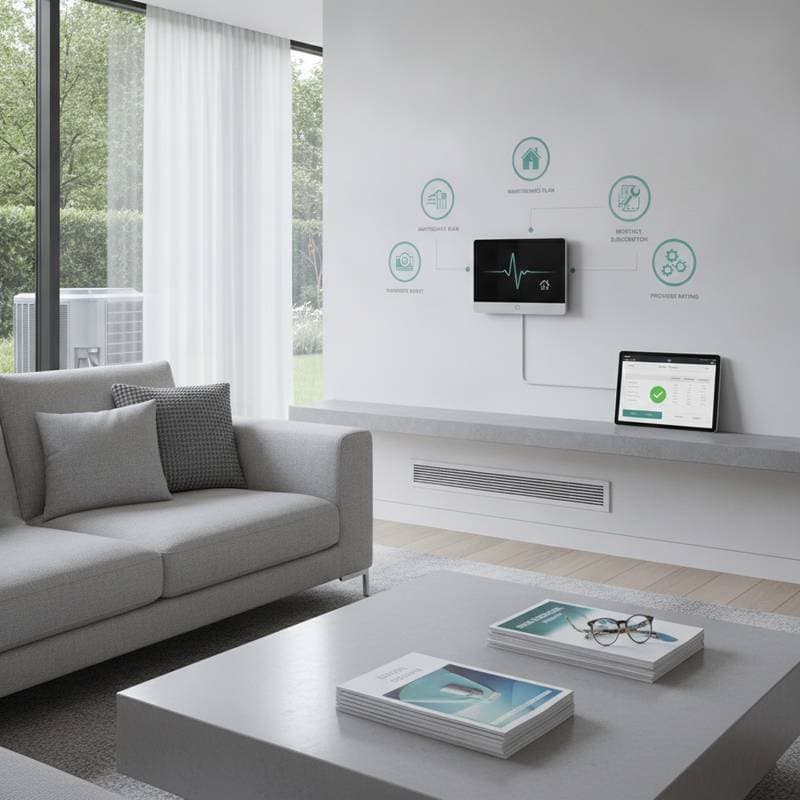
Compatible smart thermostats and interface modules retrofit most existing equipment. These additions enable automated control without full system replacement.
Does smart scheduling affect comfort?
Configured systems precondition spaces ahead of occupancy and allow minor setbacks during absences. Users typically report unchanged comfort alongside lower consumption.
How much energy can I save?
Reported reductions range from 10 to 20 percent when time of use pricing, adequate insulation, and accurate grid data combine.
Is smart HVAC scheduling secure?
Encrypted protocols and regular firmware updates protect data transmission. Strong unique passwords further limit exposure.
What if the grid data is unavailable?
Historical pattern models generate reliable forecasts that still align operation with typically clean intervals.
Questions to Ask Your HVAC Professional
- Do you have experience with grid responsive or carbon aware HVAC systems?
- Which smart thermostats integrate with my current equipment?
- Will additional sensors or modules become necessary?
- Can the installation connect to real time utility carbon data?
- How will comfort settings remain protected during optimization?
- What are the projected installation and commissioning costs?
- How frequently should calibration occur after setup?
- Which rebates or incentives apply to this upgrade?
- Does remote mobile app control come standard?
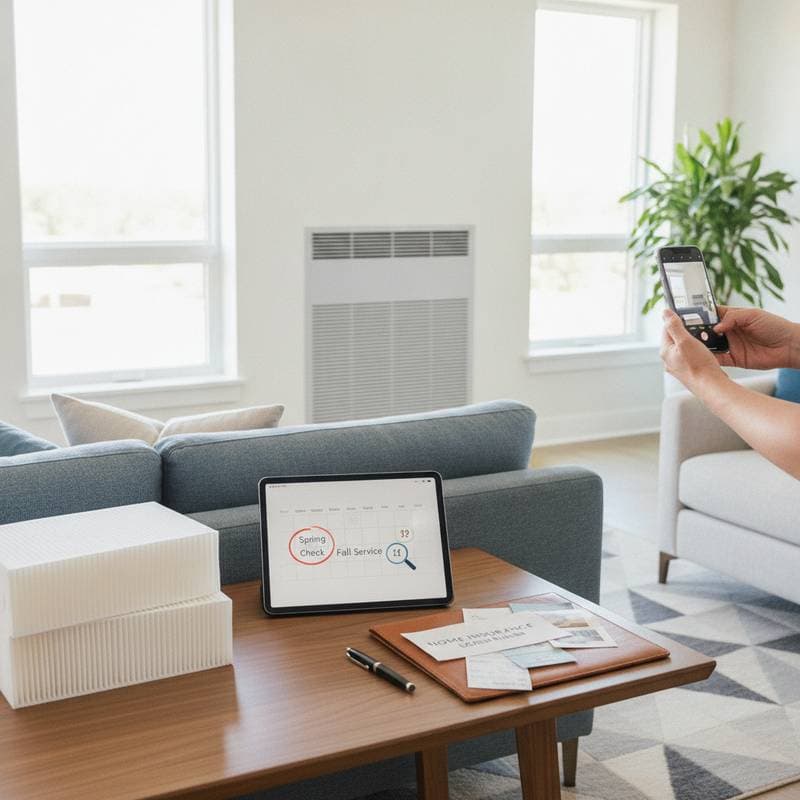
- What ongoing maintenance schedule supports peak performance?
Adopt Grid Responsive HVAC Scheduling
Homeowners who implement carbon aware HVAC practices reduce both operating costs and household emissions. The same actions strengthen renewable utilization across the distribution network. Professional installation paired with accurate utility data produces reliable results from the first season onward.