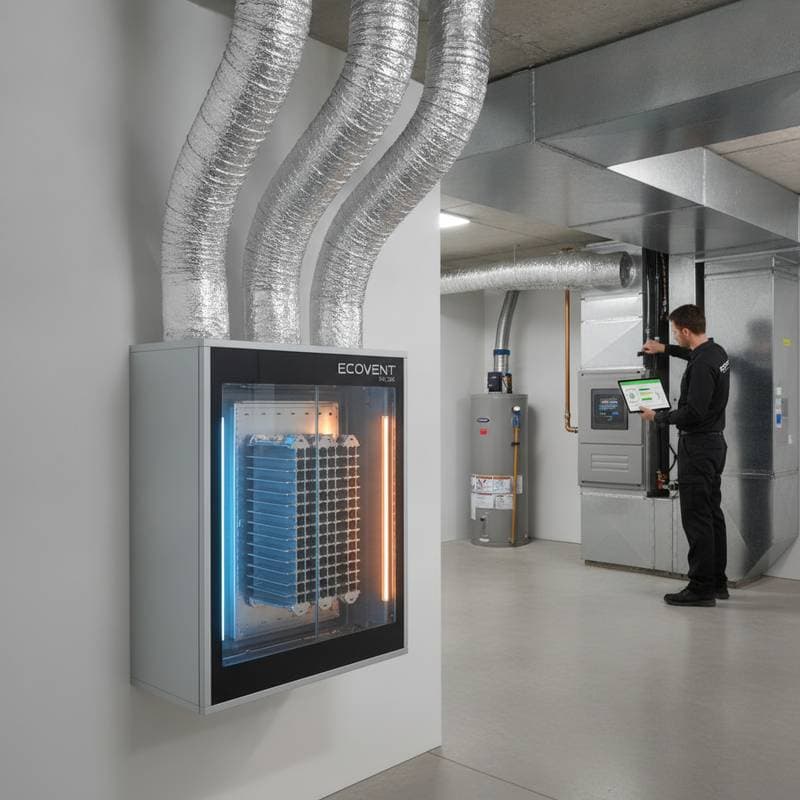
Slash Winter Bills 35% with Heat Recovery Ventilation
When the cold sets in, homeowners often brace for higher heating bills. Running a furnace longer to keep a home cozy can quickly drive up energy costs. A heat recovery ventilation system offers a practical way to stay warm while spending less.
What Is Heat Recovery Ventilation?
A heat recovery ventilation system brings in fresh outdoor air while capturing heat from air that leaves the home. It works through a heat exchanger that transfers warmth from outgoing air to incoming air without mixing the two streams. This process maintains excellent indoor air quality without heat loss. In colder months the furnace or heat pump performs less work to warm the space, which translates into lower utility costs. HRVs prove especially useful in airtight, energy efficient homes where natural ventilation remains limited.
How HRV Systems Help You Save Energy
The secret to significant savings lies in the HRV ability to reuse heat that would otherwise escape. Instead of sending all warm indoor air outside, the system captures most of its heat energy and transfers it to the incoming cool air.
These benefits appear in several ways:
- Reduced heating load because the furnace or heat pump runs less often and cuts fuel or electricity use.
- Balanced humidity that helps control moisture levels and prevents condensation.
- Cleaner air through constant exchange that reduces indoor pollutants, allergens, and stale odors.
- Consistent comfort from a steady flow of tempered air that minimizes drafts and cold spots.
These combined effects can reduce total heating energy use by up to one third, depending on insulation, home size, and existing HVAC efficiency.
Common Signs Your Home Could Benefit from HRV
If a home feels stuffy or heating bills keep climbing, an HRV may offer a good solution. Watch for these indicators:
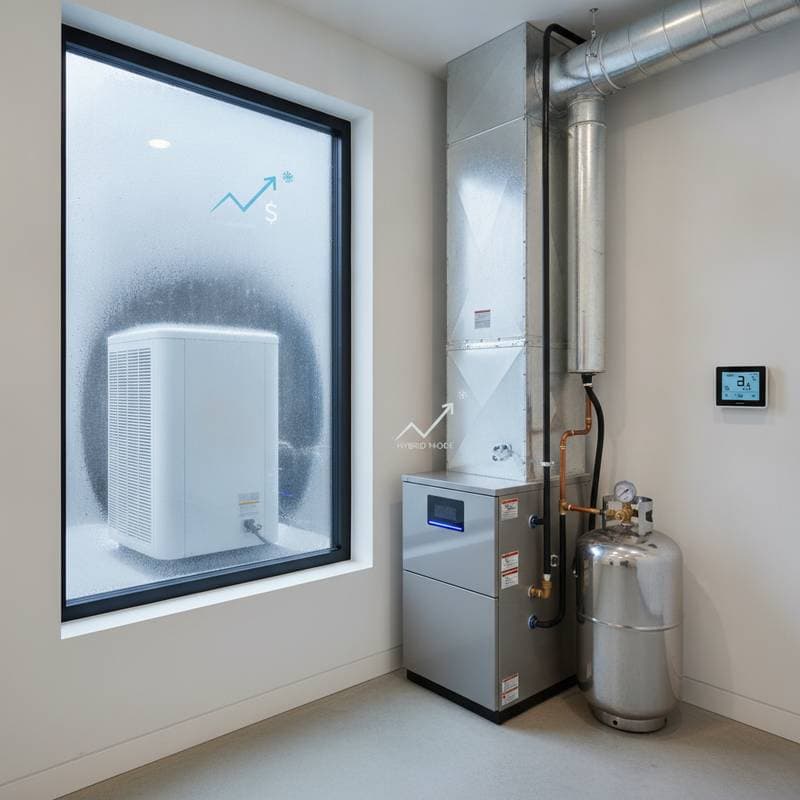
- Windows that fog or show condensation during winter.
- Lingering odors or musty smells.
- Frequent allergies or respiratory issues among family members.
- Uneven heating or overly dry conditions.
- Recent upgrades to insulation or new windows that make the home more airtight.
These situations often signal poor air exchange, which HRVs address efficiently.
Key Factors Affecting HRV System Cost
The overall cost of installing a heat recovery ventilation system varies widely. Several main factors influence price.
- System size and capacity. Larger homes need more powerful units or multiple ventilators, which raises both equipment and installation costs.
- Existing ductwork. Homes with compatible ductwork integrate an HRV more easily, while older systems may require modifications.
- Energy efficiency rating. Higher efficiency units cost more upfront yet deliver greater long term savings.
- Labor and installation complexity. Home layout and accessibility of attic or crawl space affect labor time and cost.
- Climate conditions. In cold climates, HRVs with frost protection or advanced defrost systems are recommended and can increase price slightly.
Most homeowners find that savings in heating costs offset the installation cost within a few years.
HRV Installation: DIY or Hire a Pro?
Some homeowners may consider tackling HRV installation themselves, yet this work is best left to a professional.
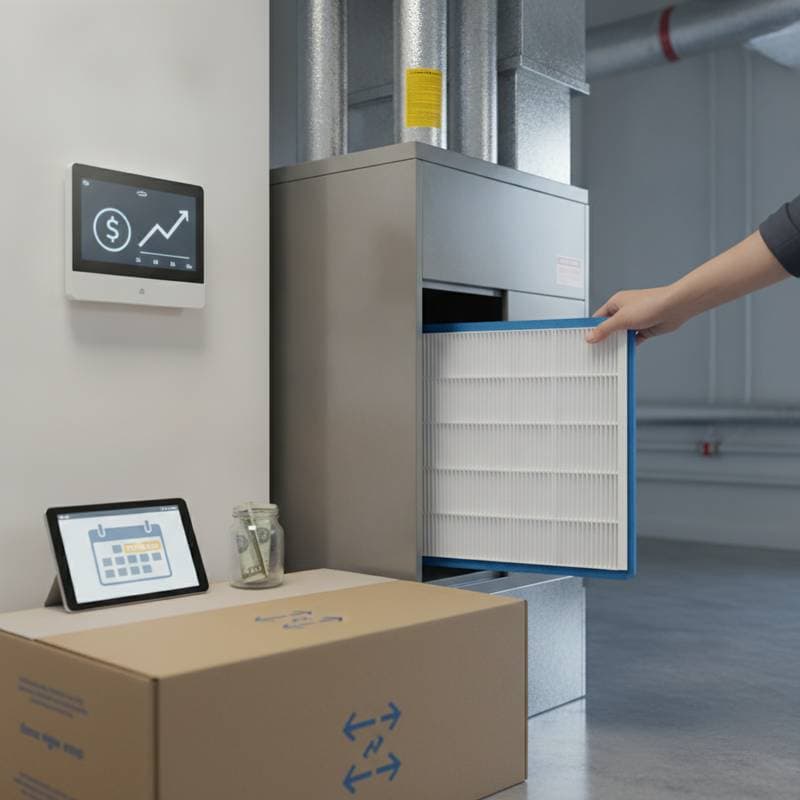
Homeowners can safely change or clean HRV filters regularly, check vents for dust buildup, and adjust airflow settings as recommended by the manufacturer. Professional tasks include selecting the correct unit size, connecting to existing HVAC ductwork, handling electrical wiring and condensate drainage, and balancing airflow for proper performance. Improper installation can lead to poor efficiency, excess noise, or moisture damage. A certified HVAC technician ensures the system is properly sized, sealed, and balanced for safe and efficient operation.
The Heat Recovery Ventilation Installation Process
Professional installation follows a clear sequence.
- Initial assessment. A technician evaluates the home layout, insulation, and current ventilation setup.
- System design. The technician recommends an HRV model that matches home size and heating system.
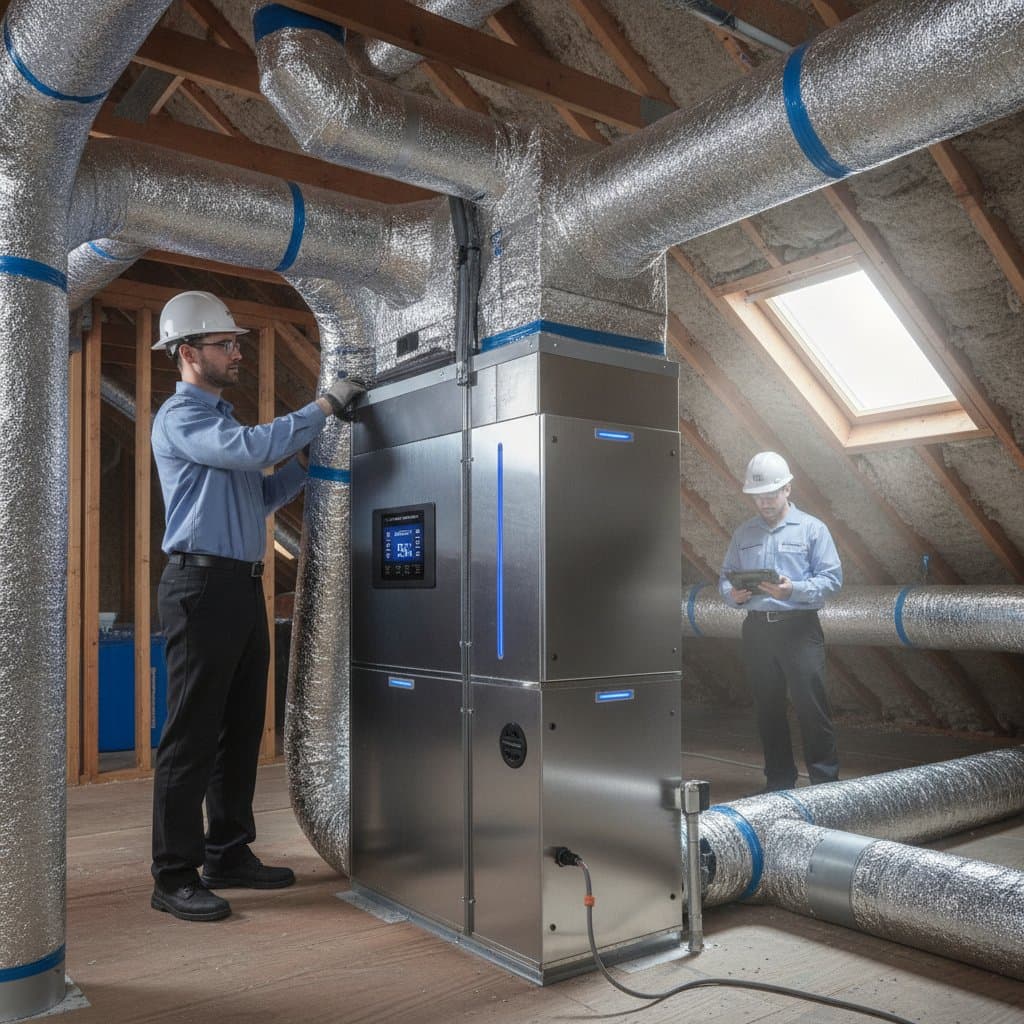
- Installation and connections. The HRV unit is placed in a mechanical room, basement, or attic and connected to supply and exhaust ducts.
- Testing and balancing. The technician tests airflow rates to ensure even distribution and maximum heat recovery efficiency.
Frequently Asked Questions
How much can I really save with a heat recovery ventilation system?
Savings vary by home, yet most homeowners reduce heating costs by 25 percent to 35 percent. Results depend on insulation quality, HVAC efficiency, and how airtight the home is.
Does an HRV work with any type of heating system?
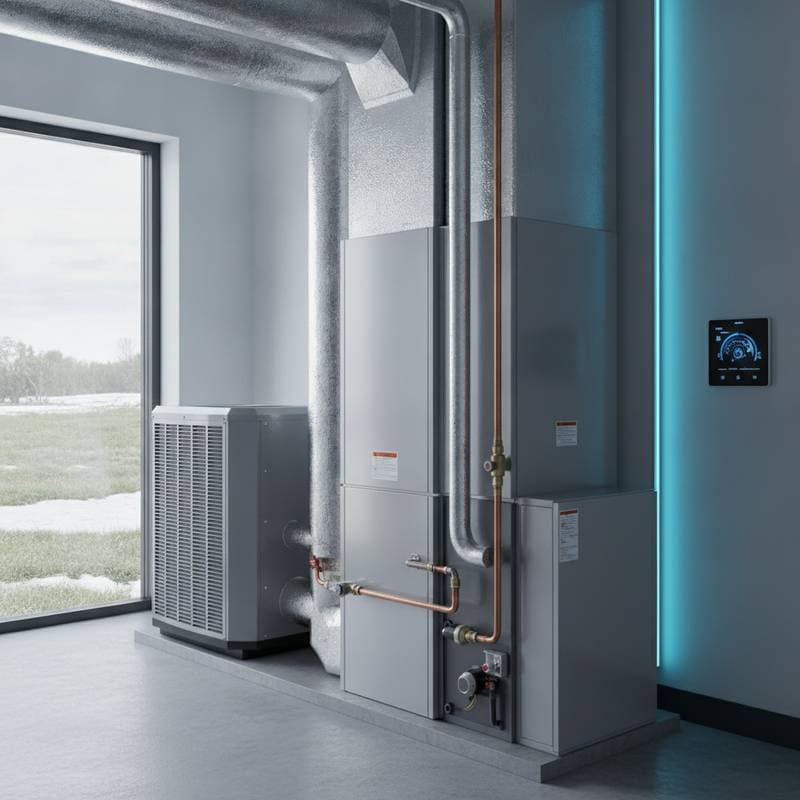
Yes. HRVs complement furnaces, heat pumps, boilers, and radiant heating systems. They integrate with existing ductwork or stand alone in some cases.
Is an HRV the same as an ERV?
No. HRVs transfer heat only, while energy recovery ventilators transfer both heat and humidity. HRVs suit colder climates where moisture control is less critical.
How often do HRV filters need cleaning?
Most manufacturers recommend cleaning or replacing filters every few months. This practice keeps airflow strong and ensures efficient heat transfer.
Will an HRV make my home too dry in winter?
No. An HRV regulates air exchange in a controlled way and helps maintain comfortable humidity levels without over drying the air.
Planning Your HRV Upgrade
Installing a heat recovery ventilation system lowers winter heating bills while improving indoor air quality. By recycling heat that would otherwise be wasted, homeowners gain fresh air and steady warmth without extra cost for comfort. When a home feels stale or heating costs continue to climb, consult a qualified HVAC professional to explore the right solution.