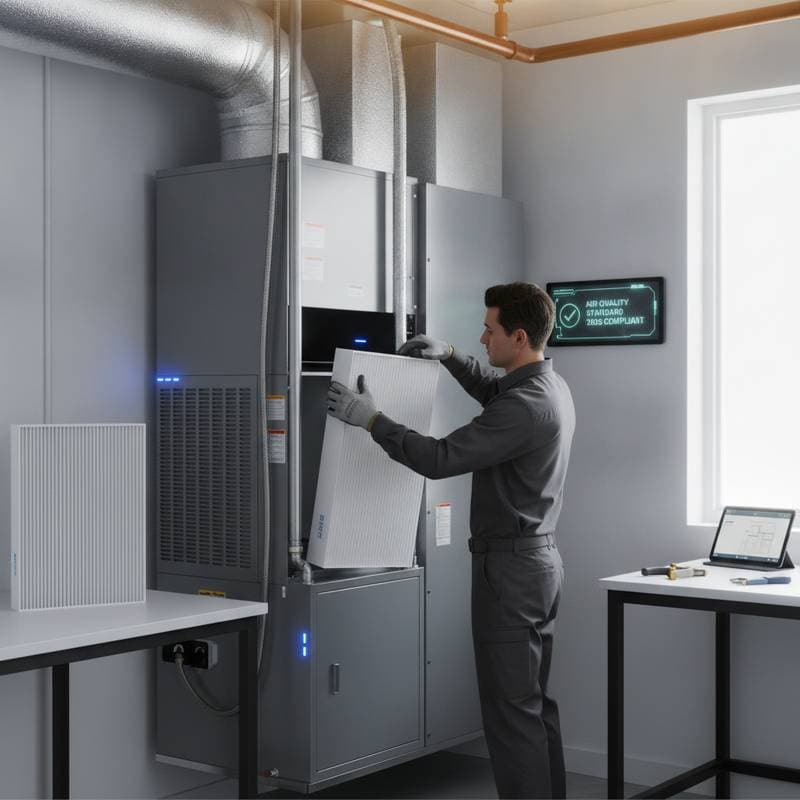
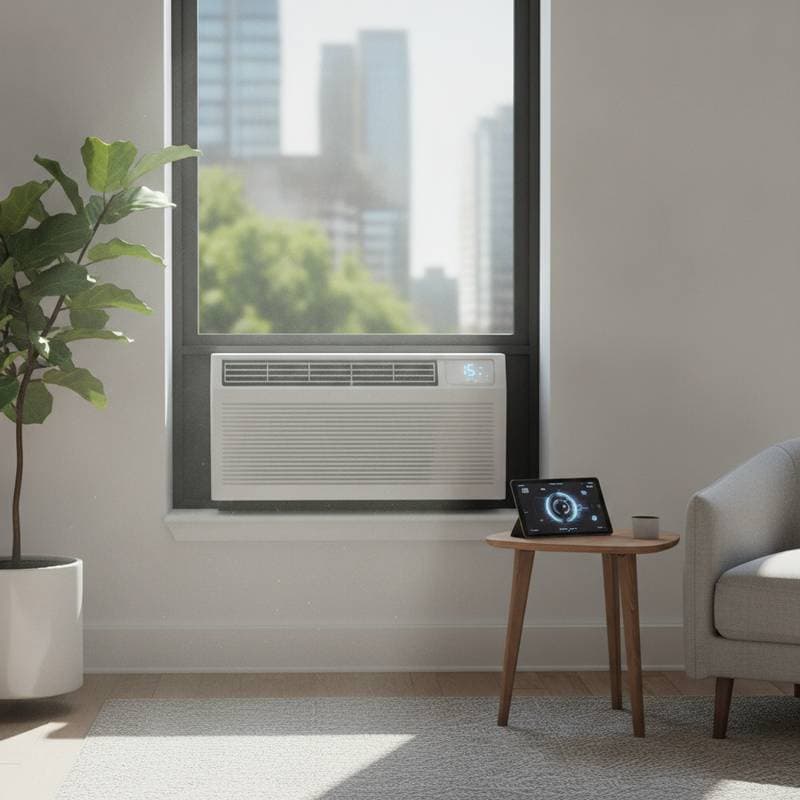
Window Air Conditioners Reach 15 EER at 9,000 BTU Capacity in 2026
New 9,000 BTU window air conditioners now deliver an Energy Efficiency Ratio of 15. This performance level reduces electricity consumption while maintaining strong cooling output for medium sized rooms.
Homeowners gain lower monthly bills, reduced operating noise, and reliable temperature control. The following sections explain the practical implications of this efficiency gain and outline steps for selecting and installing a unit.
| Feature | Specification |
|---|---|
| Cooling Capacity | 9,000 BTU |
| Energy Efficiency Ratio | 12.5 to 15+ |
| Typical Purchase Price | $300 to $600 |
| Projected Energy Reduction | Up to 25 percent versus older models |
| Recommended Room Size | 350 to 400 square feet |
Purchase Price Range for 9,000 BTU Models
Retail prices for these units fall between $300 and $600. Models equipped with variable speed compressors, occupancy sensors, and app connectivity occupy the upper portion of the range. This capacity suits bedrooms, home offices, and compact living areas.
Self installation keeps added expense near zero. Professional mounting or electrical work adds $75 to $150. Energy savings typically recover the full outlay within two to three seasons.
Elements That Determine Final Cost
Buyers should evaluate several variables before purchase.
Cooling Capacity Match
A 9,000 BTU rating matches rooms of 350 to 400 square feet. Undersized equipment runs continuously. Oversized equipment cycles too often and leaves humidity levels high.
Manufacturer and Component Quality
Established brands employ durable compressors and corrosion resistant coils. These choices extend service life and reduce repair frequency. Extended warranties accompany many premium units.
Efficiency Metrics
EER and CEER values quantify electrical input versus cooling output. Ratings at or above 12.5 produce measurable savings. Units reaching 15 EER exceed prior federal minimums and cut consumption by as much as 25 percent compared with decade old equipment.
Connected Features and Controls
Wi Fi scheduling, remote sensors, and inverter driven compressors improve comfort and limit runtime. Each added function raises the initial price yet lowers operating cost over time.
Mounting Requirements
Standard double hung windows accept most units without modification. Custom brackets or structural reinforcement increase project expense but improve safety and sealing.
Available Window Air Conditioner Configurations
Four main styles address different installation conditions.
- Standard window units offer the lowest purchase price and simplest setup.
- Smart models add scheduling and energy reporting through a phone application.
- Inverter models vary compressor speed continuously, lowering sound levels and energy use.
- Casement and sliding window units fit narrow or horizontal openings where conventional frames will not work.
Indicators That Replacement Is Advisable
Monitor performance for these changes.
- Utility costs rise without increased runtime.
- Airflow weakens or temperatures vary across the room.
- The compressor starts and stops within minutes.
- Audible vibration or grinding develops.
- The unit exceeds ten years of service and carries an older efficiency rating.
Step by Step Installation
- Select a window adjacent to a grounded outlet and free of exterior obstructions.
- Remove screens or storm panels, then clean the sill thoroughly.
- Position the unit with a slight rearward tilt for condensate drainage and secure all brackets.
- Insert foam weather stripping around the perimeter to block air leakage.
- Restore power and verify steady cooling at multiple fan speeds.
Professional Labor Expense
Standard installation performed by a technician costs $75 to $150. Electrical upgrades or structural work can raise the total above $200. Multiple units or older homes often justify professional service.
Common Questions
Which room dimensions suit a 9,000 BTU unit?
The rating serves spaces between 350 and 400 square feet. Proper sizing prevents short cycling and maintains steady humidity removal.
How much more efficient are current models?
Improved compressors, modern refrigerants, and inverter circuitry deliver up to 25 percent lower energy consumption than units manufactured before 2015.
Do connected controls reduce operating cost?
Scheduling and remote adjustment eliminate unnecessary runtime. Energy tracking features help users identify wasteful patterns.
What is the expected service life?
Regular filter cleaning and coil maintenance allow most units to operate eight to twelve years.
Can homeowners complete installation without assistance?
Many can, provided basic tools and a second person for lifting. Unusual window dimensions or upper floor locations warrant professional help.
Are inverter driven models justified at higher cost?
They operate more quietly, maintain tighter temperature bands, and consume less electricity, making them economical over a full lifespan.
Sustaining Performance After Purchase
Clean or replace filters monthly during the cooling season. Inspect seals each spring and confirm that exterior coils remain unobstructed. These habits preserve efficiency ratings and extend equipment life.