
Understanding MERV Ratings and Filter Performance
Homeowners often overlook the importance of air filters in their HVAC systems. These components play a crucial role in maintaining indoor air quality and system efficiency. Among the various options available, MERV 16 filters stand out for their superior performance and extended lifespan compared to standard filters.
The Minimum Efficiency Reporting Value (MERV) scale measures a filter's ability to capture particles. Ratings range from 1 to 20, with higher numbers indicating better filtration. MERV 16 filters capture ultrafine particles, including bacteria and smoke, making them suitable for environments requiring high cleanliness, such as hospitals.
Standard filters typically rate between MERV 8 and MERV 13. They handle larger particles like dust and pollen but allow smaller contaminants to pass through. This difference in efficiency directly impacts air quality and system longevity.
Lifespan Comparison: Two Years Versus Three Months
One of the most compelling advantages of MERV 16 filters lies in their durability. These advanced filters can last up to two years under normal conditions, far surpassing the three-month replacement cycle of standard filters.
Standard filters clog quickly due to their coarser material, which traps debris but restricts airflow over time. Frequent replacements become necessary to prevent reduced efficiency and increased energy use. In contrast, MERV 16 filters use pleated, high-density media that maintains airflow while capturing more particles.
This extended lifespan reduces the frequency of maintenance tasks. Homeowners save time and effort by avoiding quarterly changes. Over two years, the cumulative cost of multiple standard filter replacements often exceeds the price of a single MERV 16 unit.
Benefits of Upgrading to MERV 16 Filters
Enhanced Air Quality
MERV 16 filters remove up to 95 percent of particles as small as 0.3 to 1.0 microns. This level of filtration significantly improves indoor air, benefiting those with allergies, asthma, or respiratory concerns. Cleaner air circulates throughout the home, reducing the spread of airborne pathogens.
Improved HVAC Efficiency
By capturing more debris before it reaches the system, MERV 16 filters protect components like coils and blowers from buildup. This protection leads to better airflow and lower energy consumption. Systems operate more efficiently, potentially lowering utility bills by 5 to 15 percent.
Cost Savings Over Time
Initial costs for MERV 16 filters range from $50 to $150, depending on size and brand. Standard filters cost $10 to $30 each, but with eight replacements per two years, expenses add up. The long-term savings from fewer purchases and reduced energy use make MERV 16 a wise investment.
Installation and Compatibility Considerations
Installing MERV 16 filters requires attention to your HVAC system's specifications. Not all units handle high-efficiency filters without modifications, as increased resistance can strain the blower motor.
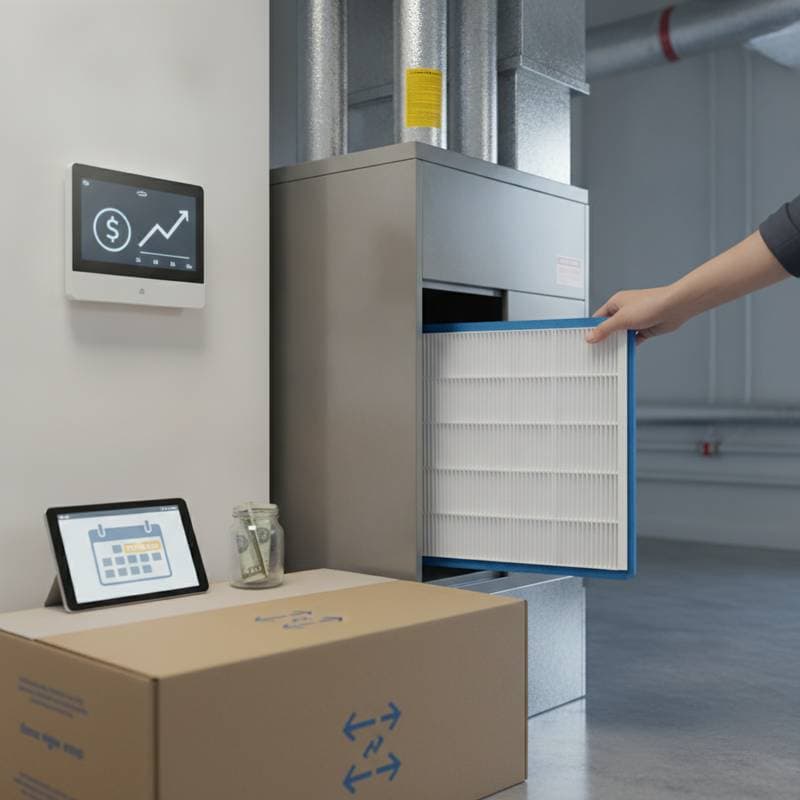
Steps for Proper Installation
- Turn off the HVAC system at the thermostat and power source to ensure safety.
- Locate the filter compartment, usually near the return air duct or furnace.
- Remove the old filter and note its dimensions for the replacement.
- Insert the new MERV 16 filter with the airflow arrow pointing toward the blower.
- Secure the compartment and restore power, then test the system.
Consult a professional if your system dates back more than 10 years. Upgrades like a variable-speed blower may be necessary for optimal performance. Regular inspections ensure compatibility and prevent issues like reduced airflow.
Pricing and Where to Purchase
MERV 16 filters vary in price based on size, such as 16x25x1 inches or 20x25x4 inches. Expect to pay $60 for a basic model and up to $120 for premium versions with antimicrobial coatings.
Local HVAC suppliers or online retailers offer these filters. Brands like Honeywell and Filtrete provide reliable options. Compare warranties, which often cover two years, aligning with the filter's lifespan.
Key Factors to Decide on MERV 16 Filters
Consider your home's specific needs when evaluating this upgrade. Homes in polluted areas or with pets benefit most from advanced filtration. Families with health vulnerabilities gain substantial improvements in air quality.
Assess your HVAC system's age and capacity. Older units may require professional evaluation to avoid strain. Budget for the initial investment, but factor in long-term savings.
If air quality ranks as a priority, MERV 16 filters offer unmatched protection. They transform routine maintenance into a strategic enhancement for health and efficiency.
Realizing the Full Potential of Your HVAC System
Switching to MERV 16 filters elevates your home's air quality and operational efficiency. These filters deliver lasting performance that standard options cannot match. By choosing this upgrade, you invest in a healthier living environment and reduced ongoing costs. Schedule a consultation with an HVAC specialist to explore how MERV 16 fits your setup and start breathing easier today.