UV-C HVAC Air Purification: Costs and Functionality Overview
Enhancing Indoor Air: UV-C Technology Neutralizes 99% of Pathogens
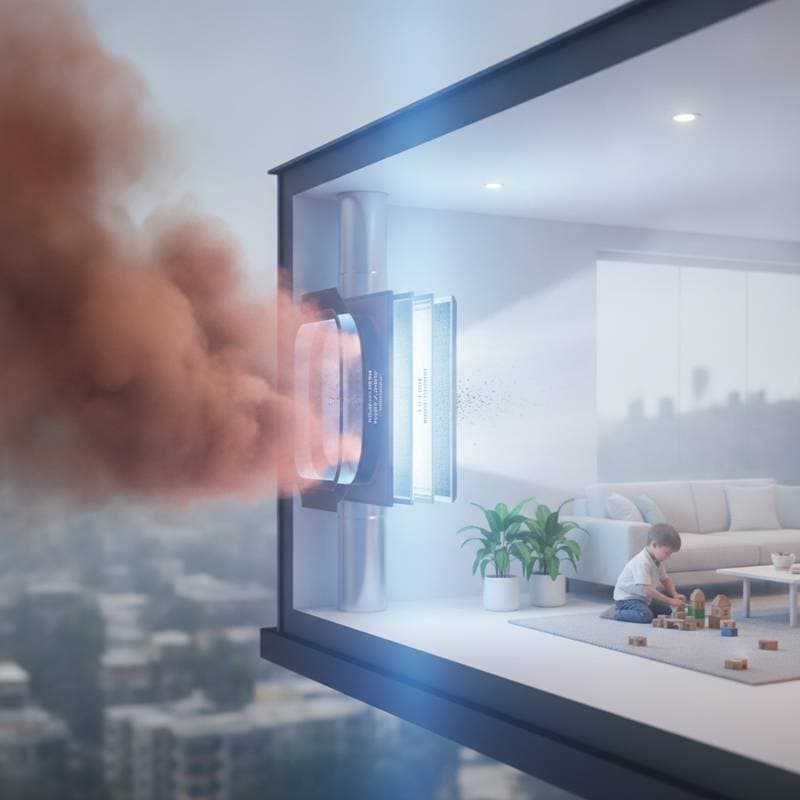
Homeowners increasingly prioritize indoor air quality, and UV-C air purification systems integrated into HVAC setups provide a powerful solution against airborne viruses, bacteria, and mold. These systems employ ultraviolet light to neutralize up to 99% of harmful microorganisms, promoting safer breathing environments for families. Installation costs for UV-C HVAC systems generally fall between $450 and $1,200, varying based on factors such as system capacity, installation complexity, and manufacturer.
This guide details the mechanics of UV-C HVAC technology, associated expenses, pricing influences, and frequent homeowner inquiries. It also offers recommendations for selecting qualified installers and maintaining the system for sustained performance.
Mechanics of UV-C HVAC Technology
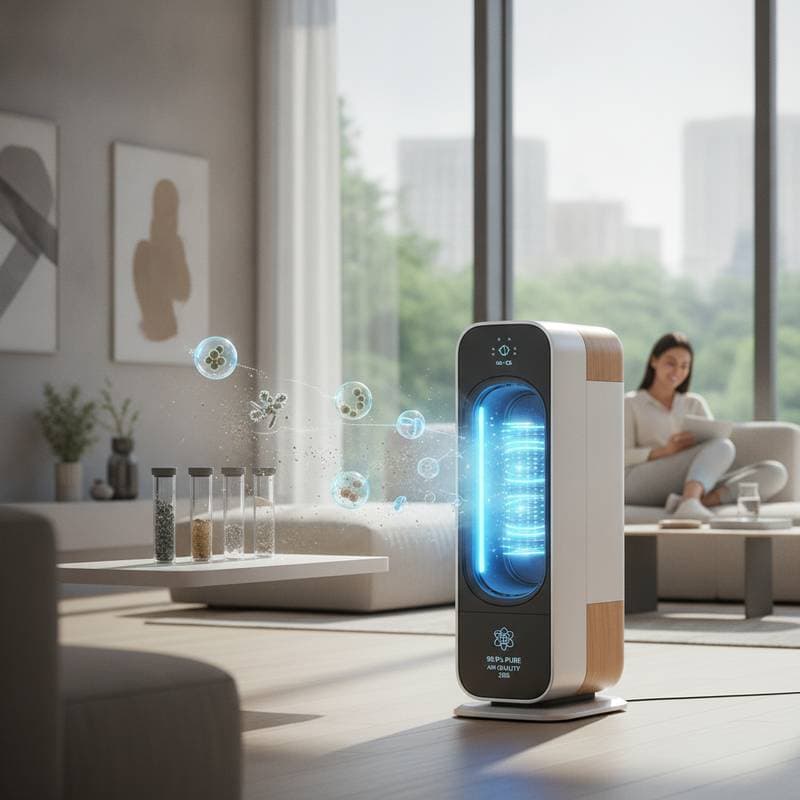
UV-C denotes a ultraviolet light wavelength that disrupts the DNA and RNA structures of microorganisms. Positioned within the HVAC framework, this light disinfects air as it circulates through ducts, substantially lowering levels of airborne pathogens, allergens, and volatile organic compounds.
Essential Components of UV-C Systems
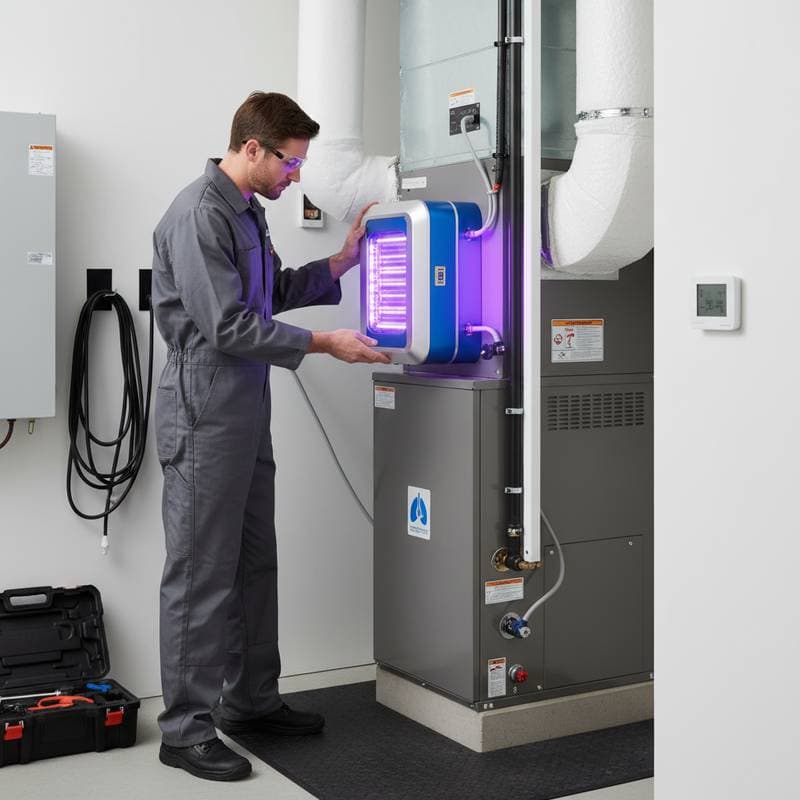
- UV-C Lamps: These emit germicidal wavelengths to deactivate viruses, bacteria, and mold spores.
- Ballast or Power Supply: This component manages voltage levels to maintain steady light intensity.
- Mounting Hardware: Secure fixtures enable precise positioning within ducts or adjacent to coils.
- Control Switch: Homeowners use this to oversee operation or deactivate the system as required.
Installation Placement Strategies
- Coil Placement: Focuses on inhibiting mold and microbial accumulation on the evaporator coil.
- Duct Placement: Sanitizes air in supply or return ducts for broad coverage.
- Hybrid Placement: Merges coil and duct methods to achieve comprehensive disinfection.
Advantages of UV-C HVAC Air Purification
UV-C technology sanitizes air without relying on chemical agents or filters requiring regular exchanges, distinguishing it from alternative methods.
1. Safeguarding Health
The system targets airborne viruses, bacteria, and mold spores traversing HVAC ducts, thereby diminishing the transmission of respiratory conditions and allergic reactions. Continuous exposure ensures proactive pathogen control throughout home environments.
2. Optimizing HVAC Performance
UV-C illumination maintains cleanliness on coils and drain pans, averting microbial deposits that impede airflow. Consequently, the HVAC unit operates more efficiently, potentially lowering energy demands over time.
3. Eliminating Odors
By degrading volatile organic compounds and sources of odors such as those from pets, cooking activities, or tobacco, UV-C systems foster a fresher atmosphere indoors.
4. Simplified Upkeep
After installation, the system functions autonomously with limited intervention. Homeowners need only perform periodic bulb replacements and inspections to sustain efficacy.
Frequently Asked Questions on UV-C HVAC Systems
What Level of Effectiveness Does UV-C Light Provide Against Viruses?
Independent laboratory evaluations demonstrate that UV-C light inactivates up to 99% of viruses and bacteria under optimal conditions of installation and upkeep. Efficacy hinges on factors including exposure duration, lamp intensity, and strategic placement. Ongoing activation during HVAC cycles guarantees persistent air sanitation.
What Is the Lifespan of UV-C Bulbs?
Standard UV-C bulbs endure 9,000 to 12,000 hours of operation, translating to approximately one to two years with continuous use. Although visible light may persist beyond this duration, germicidal potency declines, necessitating prompt replacement.
Do UV-C Systems Address Dust or Pet Dander?
UV-C light sterilizes biological contaminants but does not capture particulate matter like dust or dander. It functions as a disinfectant rather than a filtration device. Pairing it with high-efficiency particulate air filters or supplementary cleaners yields superior outcomes.
Are UV-C HVAC Systems Safe for Residential Use?
Properly installed within enclosed ducts or shielded areas, UV-C systems pose no risk to occupants. Direct contact with UV-C rays may cause skin or eye irritation, but certified professionals adhere to protocols that contain the light securely.
Do UV-C Lights Generate Ozone?
Contemporary residential UV-C systems produce no ozone, unlike certain outdated models that emitted minimal quantities. Verify product details to confirm adherence to indoor air quality regulations.
What Maintenance Schedule Applies to UV-C Systems?
Professionals recommend yearly evaluations to assess bulb functionality, cleanse components, and inspect electrical integrity. These checks align conveniently with standard HVAC servicing.
Does UV-C Purification Impact Energy Consumption?
UV-C systems draw minimal electricity, comparable to or less than a conventional light bulb. The addition to utility bills remains insignificant for most households.
Can UV-C Systems Substitute for Traditional Air Filters?
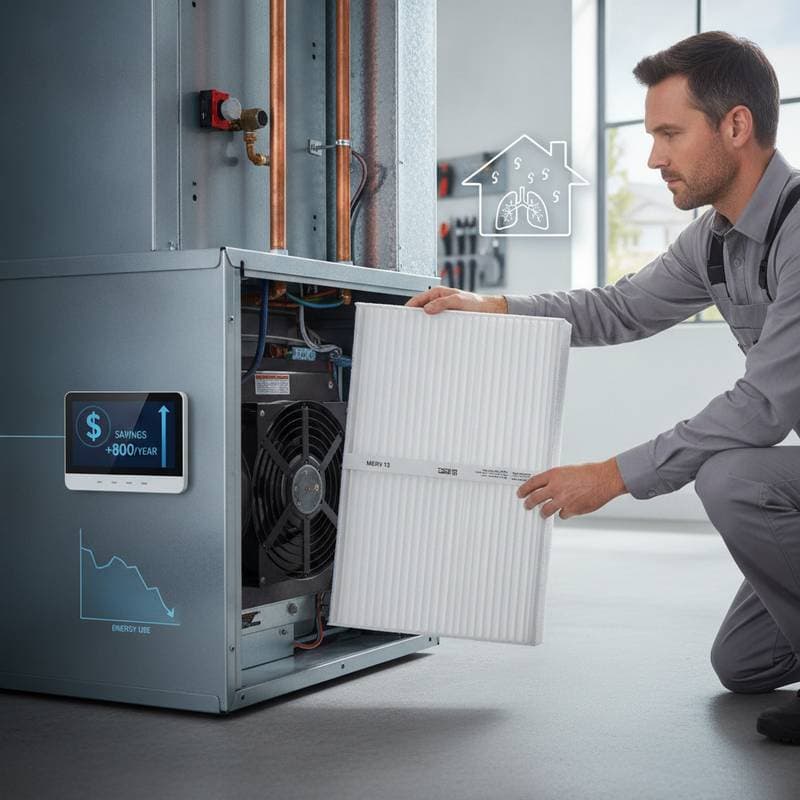
UV-C technology enhances rather than replaces filtration. Filters trap particulates, while UV-C eliminates microbes. Integrating both approaches delivers the most thorough air cleansing.
Obtaining Quotes for UV-C HVAC Installation
Engaging certified professionals ensures safe and efficient UV-C system integration. Although DIY options exist, expert technicians handle wiring, positioning, and airflow optimization to maximize results.
Essential Questions for Prospective Contractors
- Have you completed multiple UV-C HVAC installations?
- What specific brand and model suit my home's dimensions?
- Does the recommended system operate ozone-free and meet residential certifications?
- What duration should I expect for the installation process?
- What routine do you advise for maintenance and bulb exchanges?
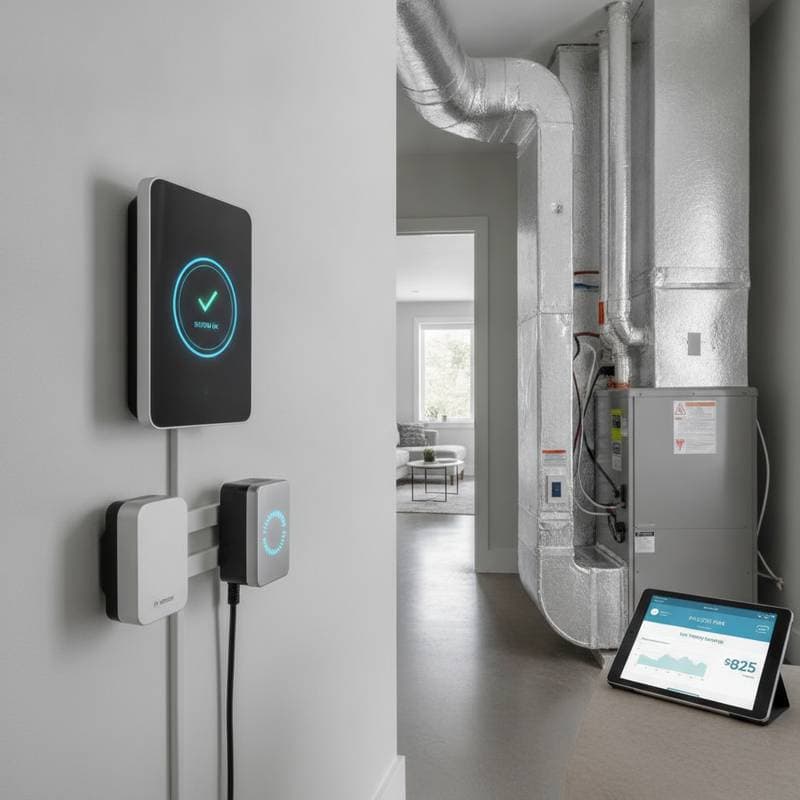
- Is compatibility possible with my existing thermostat or smart home features?
- What warranty terms apply to the bulb and power components?
- Do you provide ongoing service contracts for UV-C systems?
- Are any rebates or incentives accessible for this enhancement?
- How does the UV-C addition interact with my current filtration arrangement?
Sustaining UV-C System Performance
A UV-C air purification installation represents a commitment to healthier air, enhanced HVAC operation, and family well-being. To preserve these gains, adhere to bulb replacement timelines, conduct regular coil and duct cleanings, and arrange annual professional inspections. Such diligence upholds germicidal potency and prolongs overall HVAC longevity.
Combining UV-C with premium filters and adequate ventilation typically yields noticeable improvements, including diminished odors, lessened allergens, and invigorated indoor spaces. As advancements progress, UV-C remains a dependable cornerstone for managing airborne threats and cultivating wellness-oriented homes.