How Do UV-C Air Purifiers Cut Mold Complaints by 58 Percent?
Understanding the Connection Between UV-C Purification and Mold Reduction
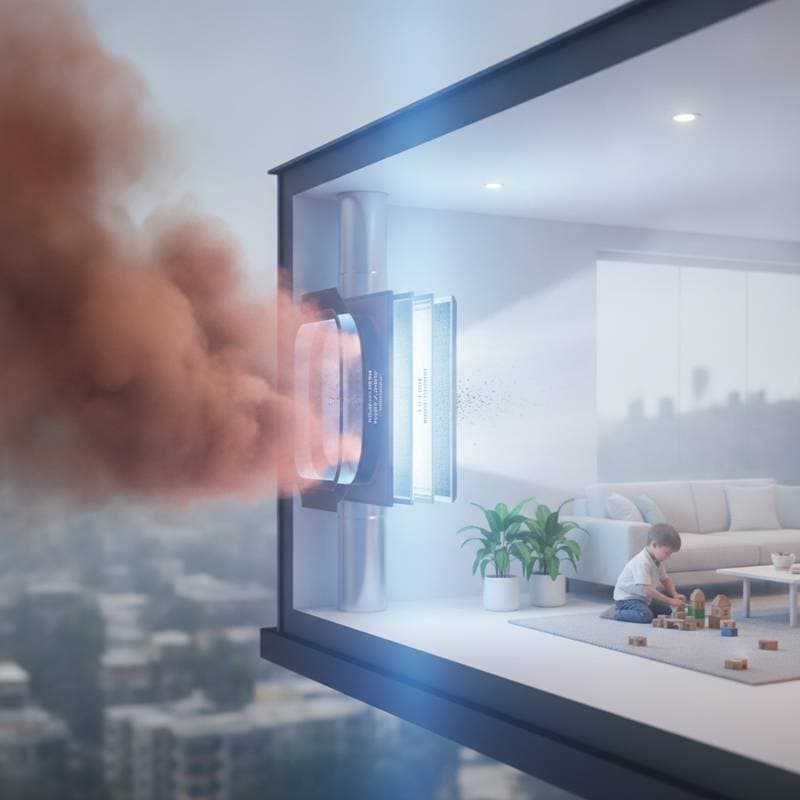
Indoor air quality remains a priority for homeowners who seek cleaner living spaces. Recent findings indicate that UV-C air purifiers reduce mold-related complaints by up to 58 percent. These systems apply ultraviolet light at a precise wavelength to neutralize mold spores, bacteria, and viruses inside HVAC units before air reaches living areas.
This guide covers the operating principles of UV-C units, their impact on mold, typical installation expenses, and selection criteria for different homes.
How UV-C Air Purifiers Work
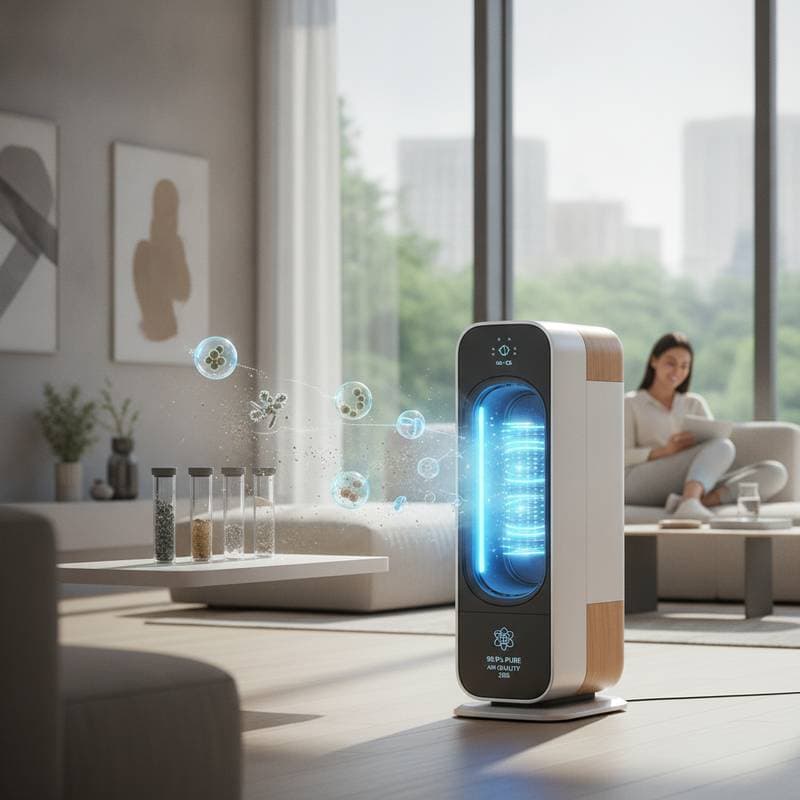
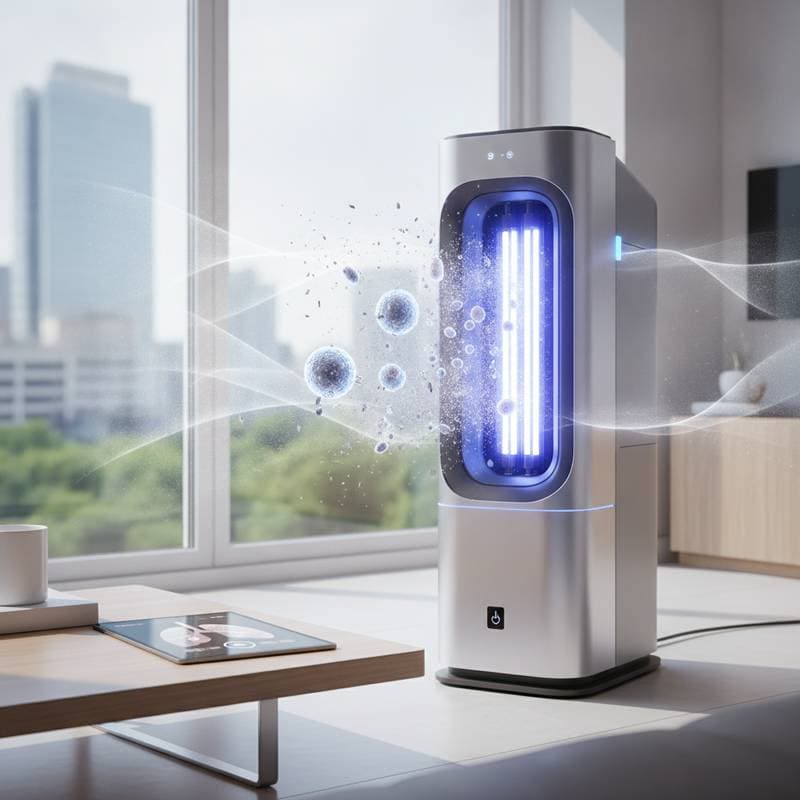
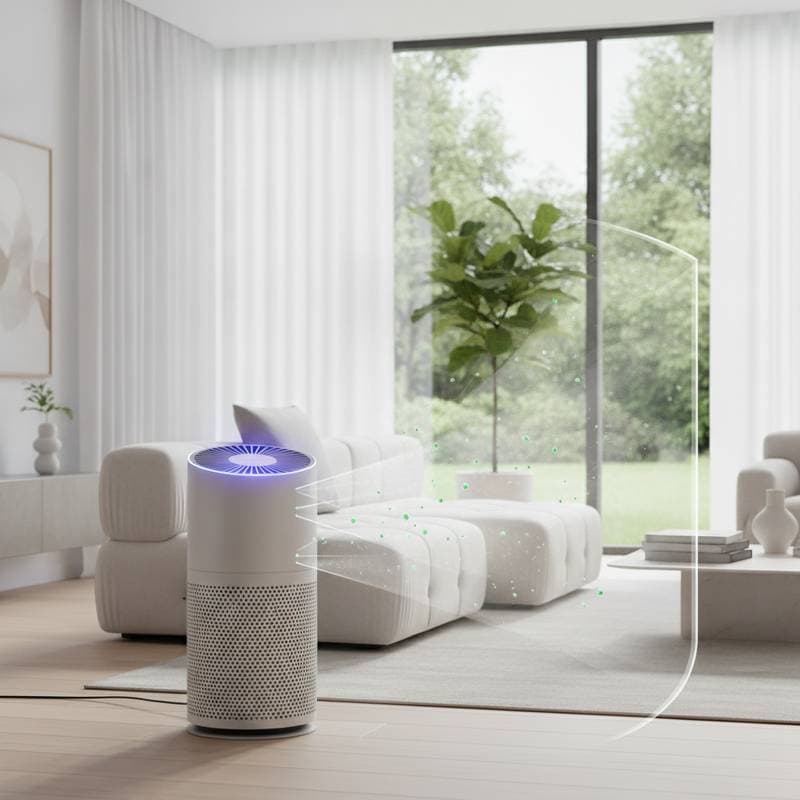
UV-C air purifiers emit short-wave ultraviolet light that damages the DNA and RNA of microorganisms. Mold spores lose reproductive capability after exposure and cease to spread. The method requires no chemicals and generates neither ozone nor residue.
Installers place these units in return ducts or near evaporator coils where moisture supports mold. Air flows across the lamp, and spores become inactive before distribution through vents.
Key benefits include:
- Continuous disinfection of air without added chemicals or frequent filter changes.
- Lower counts of mold spores, bacteria, and viruses in indoor air.
- Higher HVAC efficiency because coils stay free of biofilm.
UV-C Air Purifier Cost Factors
Total expense depends on several practical variables.
1. Unit Type and Power Output
Higher-wattage or multi-lamp models cost more yet deliver stronger results in larger homes or high-use systems.
2. Installation Complexity
Accessible HVAC equipment allows completion in under an hour. Duct changes or added wiring increase labor charges.
3. Replacement and Maintenance
Bulbs operate nine months to two years. Replacements cost 30 to 100 dollars. Regular cleaning of the lamp housing preserves output.
4. Additional Air Quality Features
HEPA filters, carbon layers, or ionizers capture particles and odors. These options raise initial cost while improving overall performance.
UV-C Air Purifiers FAQs
How often should UV-C bulbs be replaced?
Manufacturers advise annual replacement to sustain germicidal output. Visible light does not guarantee full strength, so consistent schedules protect against mold and bacteria.
Do UV-C air purifiers remove mold from surfaces?
Units address airborne spores only. Existing surface mold requires physical removal first, after which UV-C treatment limits regrowth.
Can a UV-C system improve allergy symptoms?
Many users experience fewer reactions once airborne spores decline. Reduced exposure to mold, bacteria, and viruses lessens common respiratory triggers.
Is UV-C light safe for humans and pets?
Proper duct or sealed-unit placement prevents exposure. Professional installation confirms no light reaches occupied rooms.
How long does installation take?
Most in-duct systems finish during a single service visit. Steps include mounting the assembly, connecting power, and confirming airflow coverage.
Getting UV-C Air Purifier Quotes
Professional placement secures correct positioning and safe function. Homeowners benefit from comparing several bids on price, warranty terms, and performance assurances.
Questions to Ask Before Hiring a Contractor
- Which UV-C brands suit the existing HVAC equipment?
- How many lamps or watts match the home size?
- Does the quote cover future maintenance or bulb swaps?
- Will the addition affect the HVAC warranty?
- Are energy rebates available for this upgrade?
- How many years has the company installed these systems?
- What safety steps occur during work?
- Can documentation show bulb life and replacement pricing?
- Is a satisfaction or performance guarantee provided?
Maintaining Your Investment
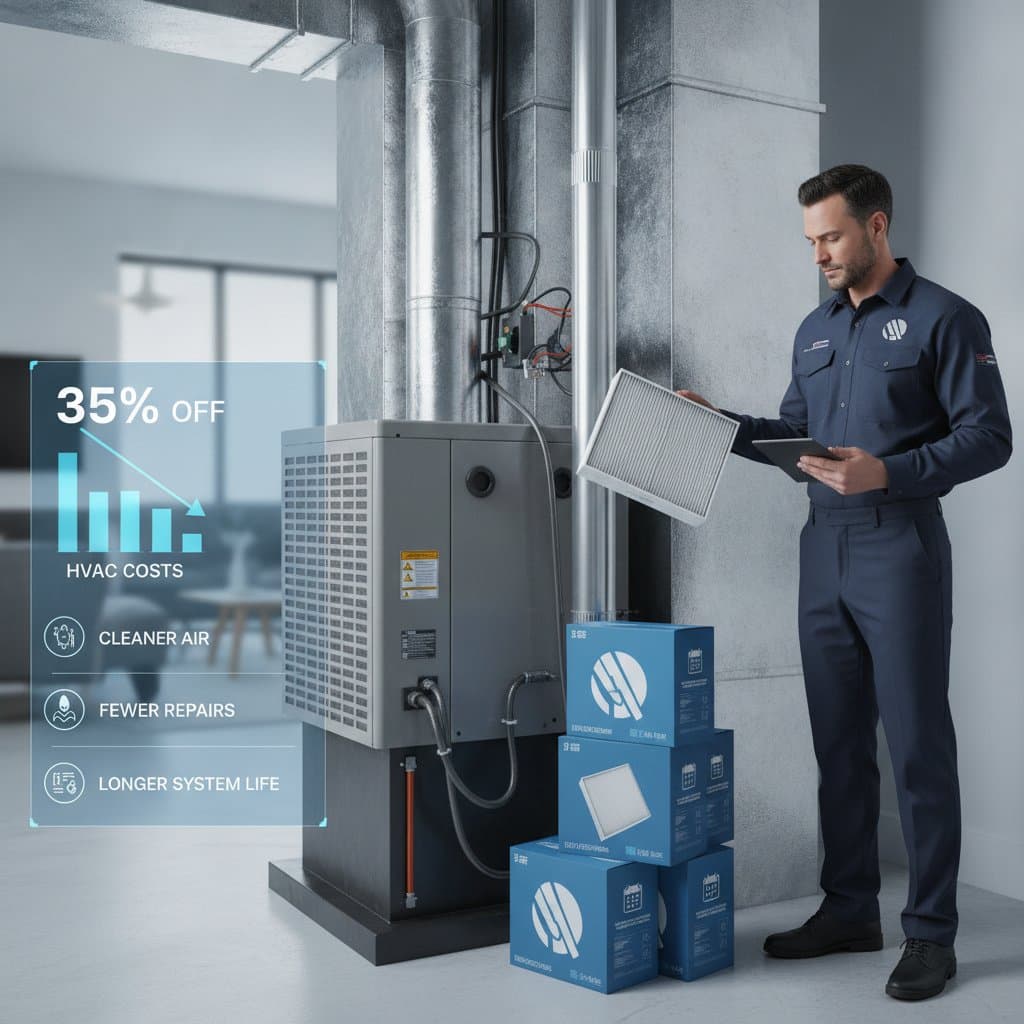
After installation, periodic professional checks confirm lamp position and function. Clean ducts, timely filter changes, and steady humidity control support continued results.
Homeowners commonly report fewer odors, less dust, and steadier comfort. The measured drop in mold complaints demonstrates lasting value for indoor air quality.