UV-C Air Cleaning Set to Become HVAC Standard in 2026
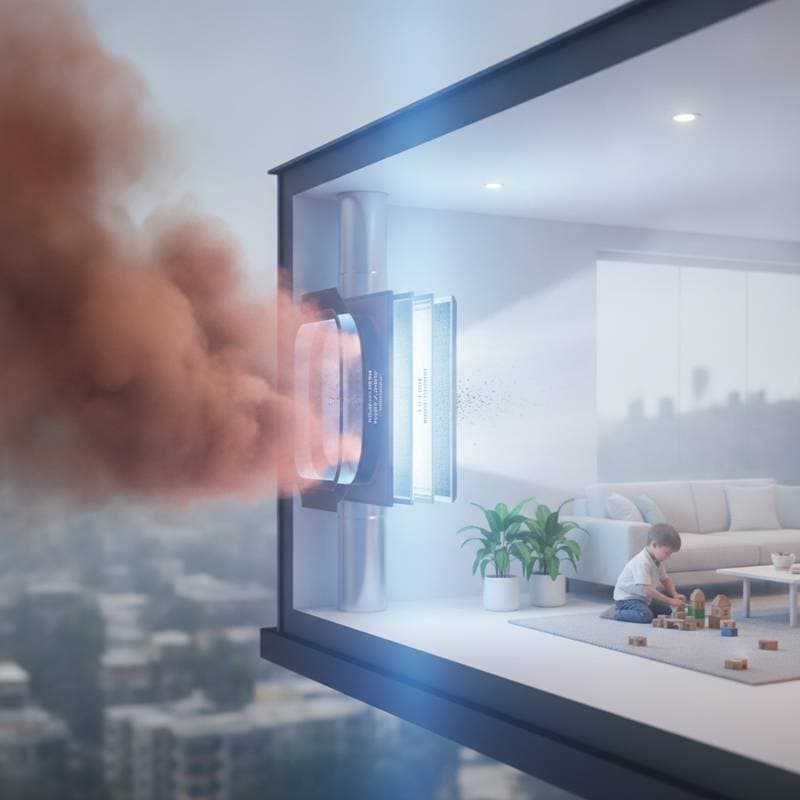
UV-C air cleaning is rapidly becoming the new benchmark for indoor air quality. The upcoming regulation requiring UV-C integration in HVAC systems is expected to make ultraviolet disinfection a standard feature in heating and cooling equipment. For homeowners this means cleaner air, fewer airborne pathogens, and a noticeable improvement in comfort and safety.
This guide explains what UV-C air cleaning is, how it works, what it costs, and what you can expect as this technology becomes standard in residential HVAC systems.
| Item | Key Information |
|---|---|
| Technology Type | Ultraviolet-C (UV-C) Air Purification |
| Average Installation Cost | $450 - $1,200 |
| Typical Maintenance Cost | $100 - $300 per year |
| Expected Lifespan | 2 - 3 years per bulb |
| Key Benefit | Eliminates up to 99% of airborne pathogens and allergens |
Average UV-C Air Cleaning Costs
Installing a UV-C air cleaning system in your HVAC unit typically costs between $450 and $1,200, depending on your system size, brand, and installation complexity. Whole-home UV-C systems, which integrate directly into ductwork or the air handler, are more expensive than portable or standalone models but deliver far superior results.
Cost Breakdown
| Component | Average Price Range |
|---|---|
| Single UV-C Lamp | $100 - $300 |
| Dual-Lamp System | $300 - $700 |
| Professional Installation | $150 - $500 |
| Replacement Bulbs | $100 - $300 |
| Annual Maintenance | $100 - $300 |
The initial investment may seem high, but UV-C air cleaning systems can reduce allergy symptoms, prevent mold growth inside ducts, and extend the lifespan of your HVAC components by keeping coils and internal parts cleaner.
Key Factors That Affect UV-C Air Cleaning Price
Several factors influence how much you will pay for a UV-C system. Understanding these variables helps you make an informed decision and plan your budget effectively.
System Type and Size
Larger HVAC systems require more powerful UV-C lamps or multiple units to achieve full coverage. A small residential system might need one lamp near the evaporator coil, while a larger home could require two or more units along the ductwork for maximum effectiveness.
Lamp Quality and Brand
Premium UV-C lamps often come with higher intensity and longer lifespan, which reduces replacement frequency. Cheaper bulbs may save money upfront but can burn out faster or deliver weaker disinfection performance.
Energy Efficiency
Energy-efficient UV-C systems use advanced ballasts that reduce power consumption while maintaining disinfection strength. These models cost more initially but can lower your long-term utility bills.
Installation Complexity
If your HVAC system is in a tight or hard-to-reach location, installation may require additional labor. Systems that need rewiring or electrical upgrades also increase costs.
Maintenance Frequency
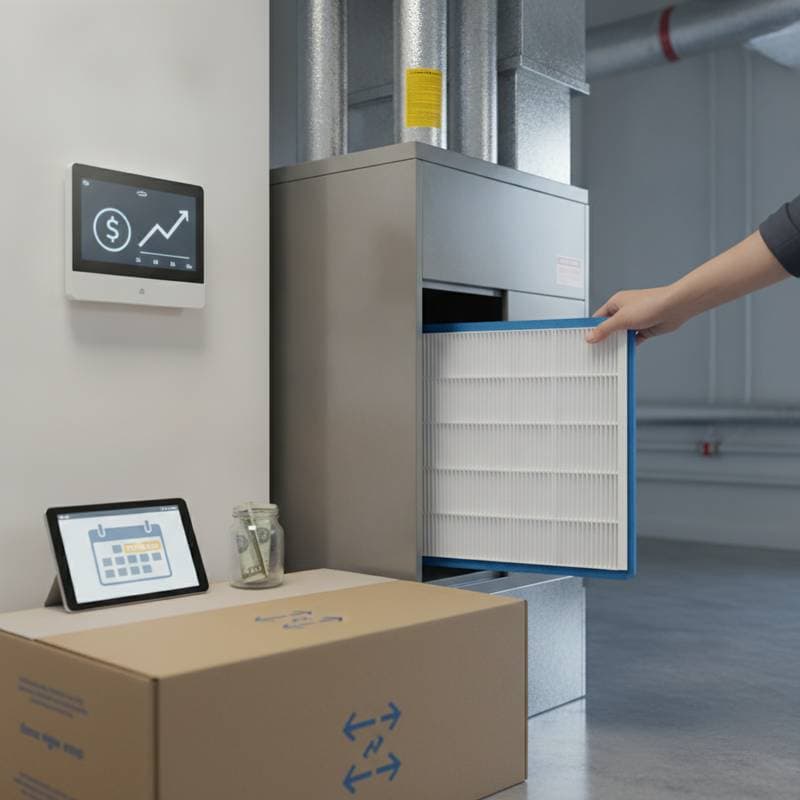
UV-C bulbs degrade over time, even if they still emit visible light. Most need replacement every two to three years. Scheduling maintenance ensures your system continues to perform effectively.
Types of UV-C Air Cleaning Systems
Not all UV-C systems are the same. Understanding the main types helps you choose the right one for your home.
Coil Sterilization UV-C Systems
- Purpose: Installed near the evaporator coil to prevent microbial growth
- Pros: Keeps coils clean, improves efficiency, reduces odors
- Cons: Limited air disinfection, focuses mainly on surface cleaning
Air Sterilization UV-C Systems
- Purpose: Installed inside ductwork to disinfect moving air
- Pros: Kills airborne pathogens before they circulate through your home
- Cons: Requires precise placement for maximum effectiveness
Combined UV-C Systems
- Purpose: Combines coil and air sterilization for comprehensive protection
- Pros: Provides both coil cleaning and air purification
- Cons: Higher initial cost and more complex installation
Portable UV-C Air Purifiers
- Purpose: Standalone units for individual rooms
- Pros: Simple setup, plug-and-play operation
- Cons: Limited coverage, not ideal for whole-home air cleaning
For most homeowners, a whole-home UV-C system integrated into the HVAC unit provides the best balance of coverage, maintenance, and long-term value.
Signs You Need a UV-C Air Cleaning System
If you are wondering whether UV-C purification is right for you, look for these common signs that your indoor air could benefit from an upgrade:
- Persistent allergy or asthma symptoms despite regular cleaning
- Musty or moldy odors coming from vents
- Frequent dust buildup on furniture and surfaces
- Mold or mildew growth near vents or on the evaporator coil
- Family members experiencing recurring respiratory issues
- Visible dirt or debris inside ductwork
- Reduced HVAC efficiency or airflow
If you notice one or more of these issues, adding UV-C purification could significantly improve your home air quality.
The UV-C Air Cleaning Installation Process
Installing a UV-C air cleaning system is a straightforward process when handled by a qualified HVAC technician. Here is what typically happens during installation:
- System Evaluation: The technician inspects your HVAC unit, ductwork, and coil to determine the best placement for UV-C lamps.
- Electrical Preparation: They ensure there is a safe power source near the installation site. Some systems may require a small electrical modification.
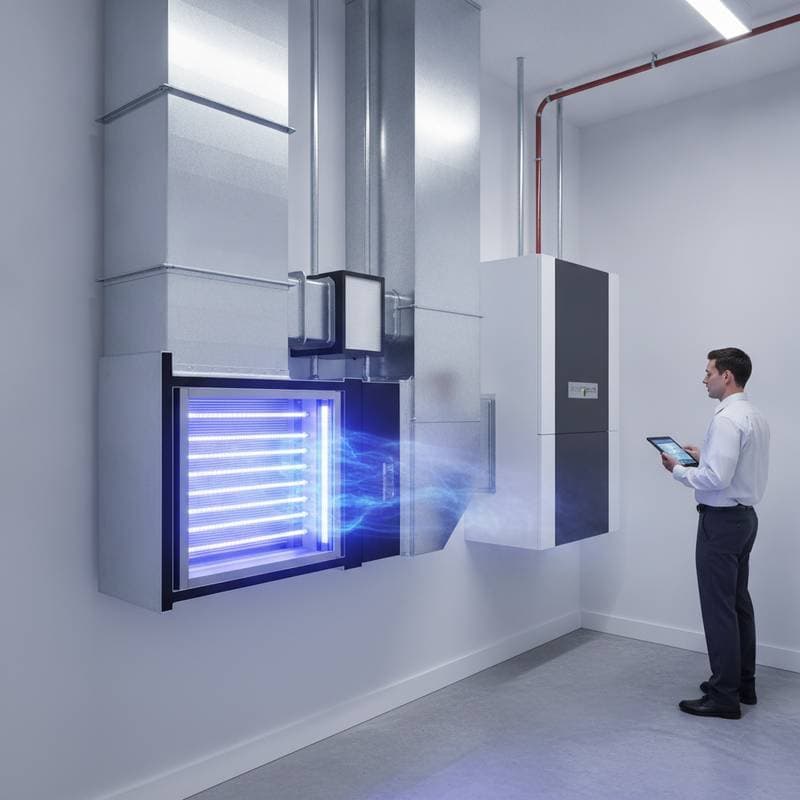
- Lamp Mounting: The UV-C device is mounted inside the air handler or ductwork, usually near the evaporator coil or return air plenum.
- Wiring and Sealing: The technician connects the lamp to power and seals any openings to prevent UV light from escaping.
- Testing and Calibration: Once installed, the lamp is tested to confirm proper operation, ensuring that it delivers the right UV intensity.
- Final Inspection: The technician verifies that the system integrates safely with existing HVAC controls and airflow.
The entire process usually takes one to two hours. After installation, you will receive maintenance guidelines and bulb replacement recommendations.
UV-C Air Cleaning Labor Costs
Labor costs for UV-C air cleaning system installation generally range from $150 to $500, depending on the complexity and location of the HVAC unit. Technicians may charge more for systems requiring specialized fittings or duct modifications. Maintenance visits for bulb replacement or cleaning typically cost between $75 and $200.
Hiring a licensed HVAC professional ensures the UV-C system is installed safely and functions effectively. Proper placement is critical since UV light can be harmful if misdirected. Always verify that your contractor follows safety standards and uses certified equipment.
Frequently Asked Questions About UV-C Air Cleaning
What is UV-C air cleaning?
UV-C air cleaning uses ultraviolet light at a specific wavelength to destroy the DNA of microorganisms such as bacteria, viruses, and mold spores. When installed inside HVAC systems, it disinfects air and surfaces, improving indoor air quality and system efficiency.
How effective is UV-C purification?
A well-installed UV-C system can eliminate up to 99% of airborne pathogens and prevent mold growth inside ducts and coils. Its effectiveness depends on lamp strength, placement, and airflow rate.
Does UV-C air cleaning remove dust or odors?
UV-C does not remove dust or large particles, but it reduces biological growth that causes unpleasant odors. For full purification, pair UV-C with a high-quality air filter or HEPA system.
How often should UV-C bulbs be replaced?
Most UV-C bulbs last about two to three years. Even if they still emit light, their germicidal power weakens over time. Regular replacement ensures consistent performance.
Is UV-C light safe for my family?
When professionally installed, UV-C systems are completely safe. The light is contained within the HVAC unit, so it never reaches occupied spaces. Never attempt to view or touch an operating UV-C lamp directly.
Can UV-C systems lower my energy bills?
Yes. By keeping coils cleaner and improving airflow, UV-C systems help your HVAC run more efficiently. This reduces energy consumption and can extend the life of your equipment.
Will UV-C air cleaning become mandatory?
Regulations are moving toward requiring UV-C integration in HVAC systems as part of standard indoor air quality measures. This shift reflects growing recognition of its effectiveness in maintaining healthier indoor environments.
Prepare Your Home for Improved Air Quality Standards
As UV-C air cleaning becomes standard in HVAC systems, homeowners gain access to a powerful tool for improving health, comfort, and energy efficiency. Installing a UV-C system now can give you a head start on compliance while providing immediate air quality benefits. If you are considering an upgrade, contact a certified HVAC technician to evaluate your system and recommend the right UV-C solution for your home. Getting professional guidance ensures you choose reliable equipment and enjoy cleaner, safer air for years to come.