HVAC Purifiers Capture Wildfire Smoke Effectively
Modern HVAC air purifiers with true HEPA filters capture up to 99.97 percent of wildfire smoke particles. These systems remove pollutants as small as 0.3 microns, including ash, soot, and volatile organic compounds. Homeowners gain cleaner indoor air and better health protection during smoke events.
| Feature | Details |
|---|---|
| Filtration Efficiency | Captures 99.97 percent of particles as small as 0.3 microns |
| Best Filter Type | True HEPA or HEPA plus activated carbon |
| Average Cost Installed | 1200 to 3000 dollars |
| Maintenance Costs | 100 to 300 dollars per year |
| Ideal For | Homes in wildfire prone areas |
| Lifespan | 10 to 15 years with regular service |
Average HVAC Air Purifier Costs
Whole home installation costs range from 1200 to 3000 dollars depending on system type and home size. Portable units cost less yet cover only single rooms. Labor for duct modifications and electrical work typically adds 400 to 1200 dollars.
| System Type | Average Cost Installed | Coverage | Efficiency |
|---|---|---|---|
| Whole House HEPA Purifier | 1500 to 3000 dollars | Entire home | 99.97 percent |
| Portable HEPA Unit | 200 to 800 dollars | One room | 99.97 percent |
| HVAC UV Purifier with HEPA | 1800 to 3500 dollars | Entire home | 99.9 percent |
| Electrostatic Air Cleaner | 600 to 1200 dollars | Entire home | 90 to 95 percent |
Key Factors That Affect Price
Filter quality drives cost. True HEPA units paired with activated carbon deliver the strongest defense against smoke particles and odors. Larger homes need higher airflow capacity measured in cubic feet per minute to avoid straining the blower motor.
Installation complexity also matters. Ductwork changes or blower upgrades increase labor time. Premium models add smart sensors and app controls that raise the price while improving monitoring.
Types of Systems That Handle Smoke
True HEPA whole house purifiers trap 99.97 percent of particles down to 0.3 microns and integrate directly with existing HVAC equipment. Activated carbon filters absorb gases and odors that HEPA alone cannot capture. UV C light units neutralize biological contaminants when combined with HEPA stages. Electrostatic cleaners charge particles for collection on washable plates yet prove less effective on ultrafine smoke.
Signs Your Home Needs Upgraded Filtration
Persistent smoky odors indoors, eye or throat irritation, visible haze on surfaces, and worsening asthma during fire season all point to inadequate filtration. High dust buildup in vents and poor local air quality readings confirm the need for a stronger system.
Installation Steps
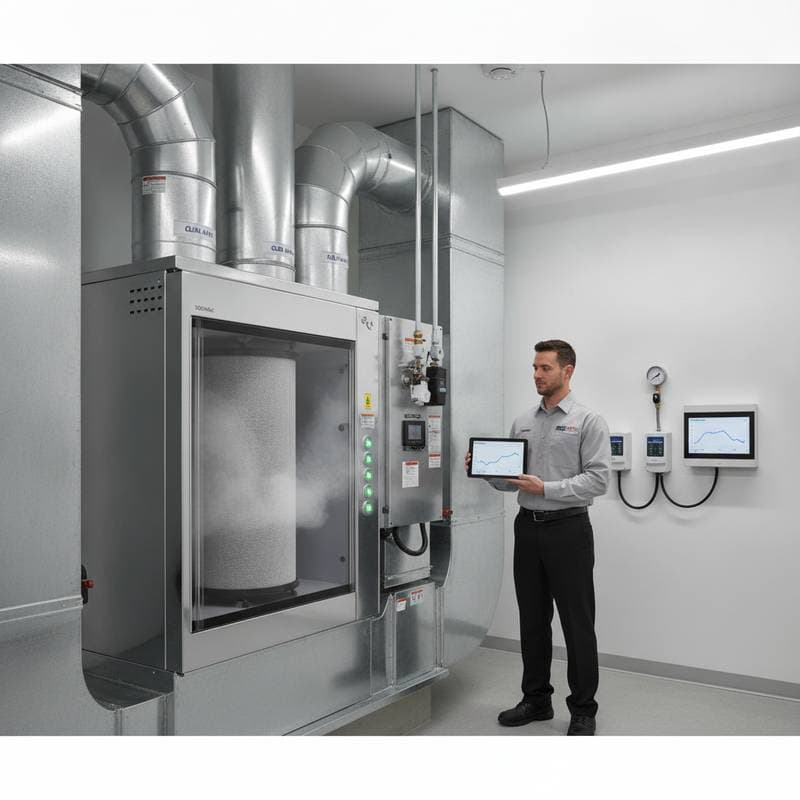
A licensed technician first inspects duct layout and blower capacity. Next the team sizes the filter and selects the proper rating. The housing mounts in the return duct with careful sealing. Electrical connections integrate sensors or UV components. Final testing confirms airflow balance and static pressure before the homeowner receives maintenance instructions.
Common Questions
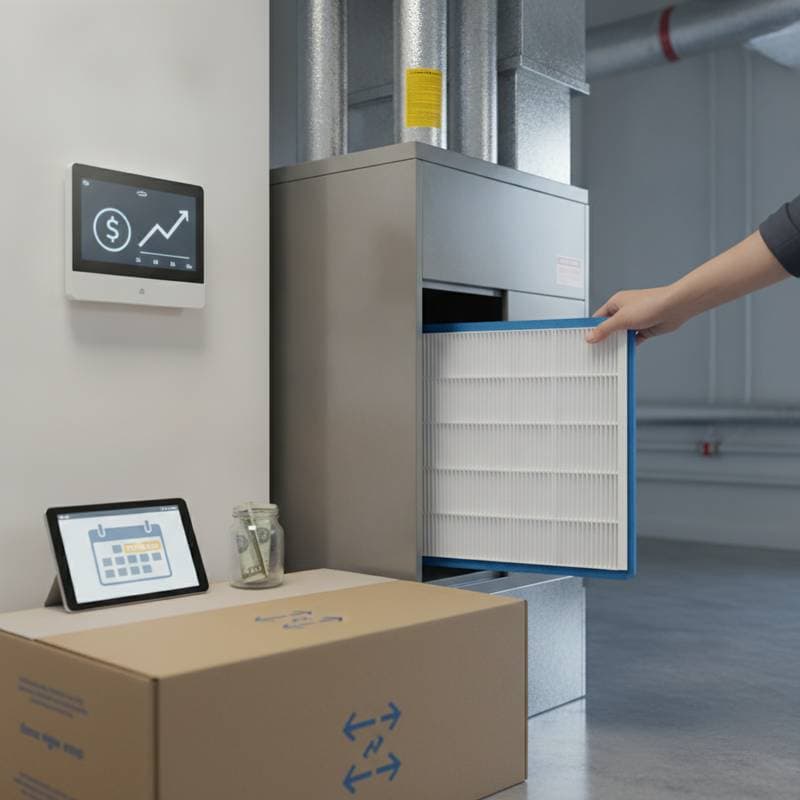
HEPA filters succeed because wildfire smoke consists mainly of PM2.5 particles that pass through standard filters. Existing HVAC systems often require airflow modifications to handle the added resistance. During heavy smoke, filters may need replacement every three to six months. Whole house systems provide uniform coverage that portable units cannot match across multiple rooms. Activated carbon stages remove odors while UV lights address biological pollutants. Professional installation prevents leaks and maintains efficiency.
Choosing Protection for Your Household
A properly sized HEPA and carbon system removes fine smoke particles and improves daily comfort. Schedule an assessment with a qualified contractor, compare several quotes, and confirm filter replacement schedules. The result is reliable defense against recurring wildfire smoke.