2026's UV-C Solution for Conquering Allergy Season
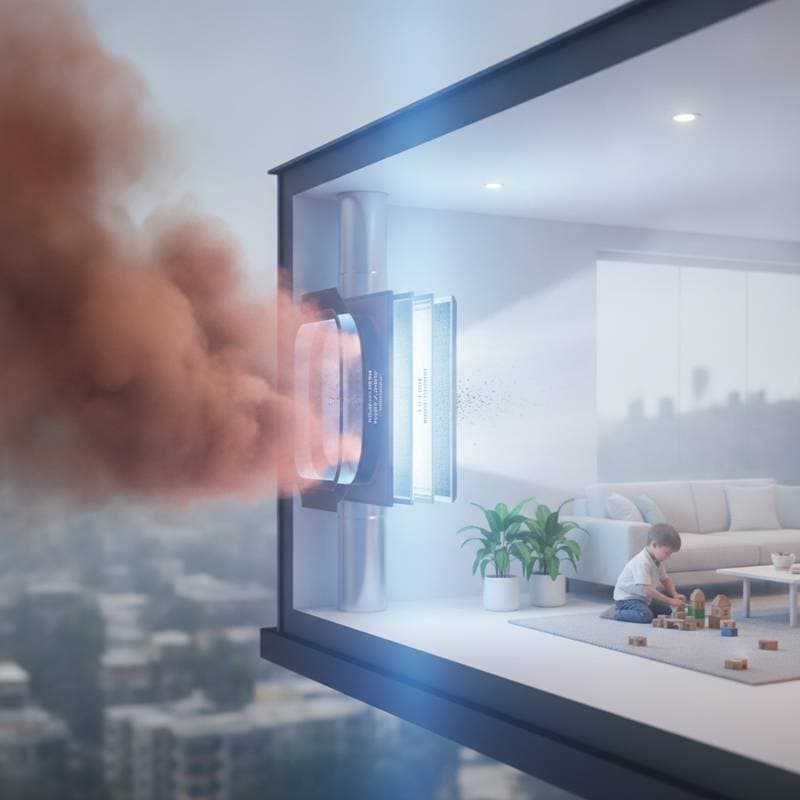
Allergy season transforms homes into spaces of sneezes, watery eyes, and unrelenting discomfort. Even with closed windows and fresh filters, pollen and tiny allergens infiltrate indoor air. UV-C air purification technology offers homeowners an effective defense against these indoor threats. This article explains how UV-C light neutralizes allergens, enhances air quality, and promotes easier breathing.
Understanding UV-C Air Purification
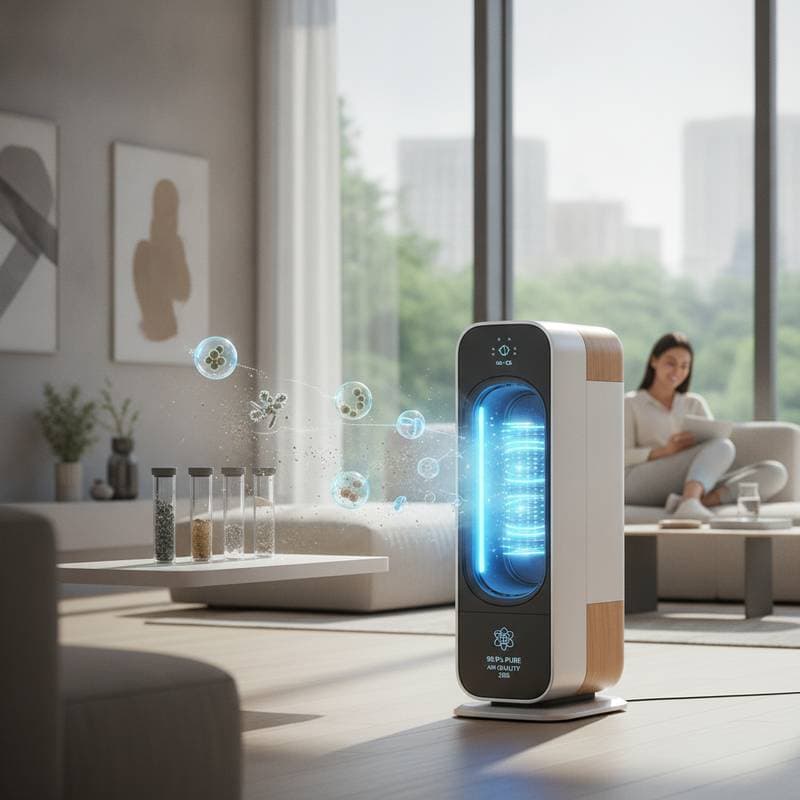
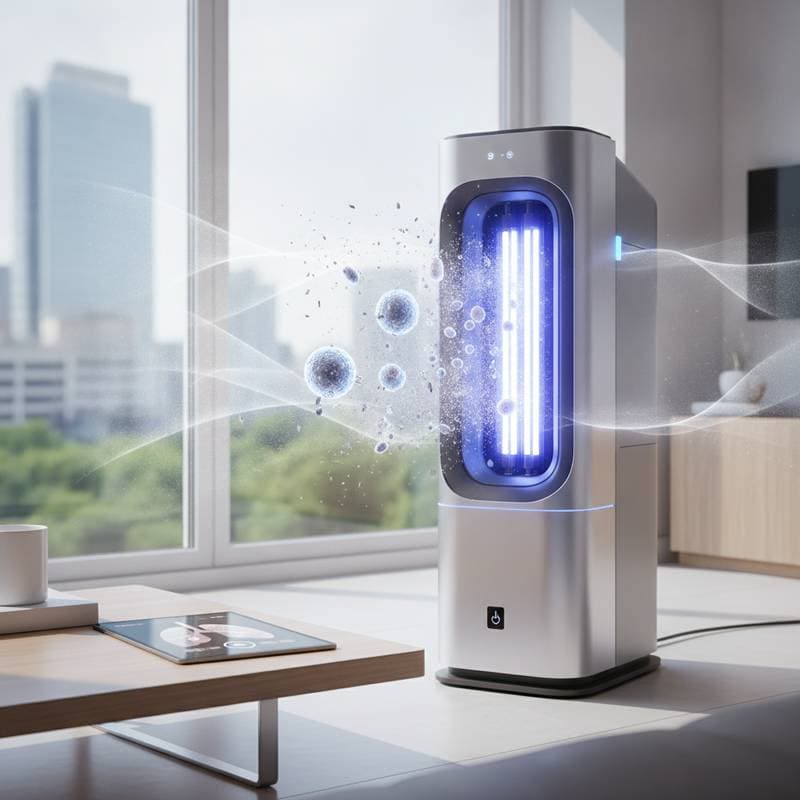
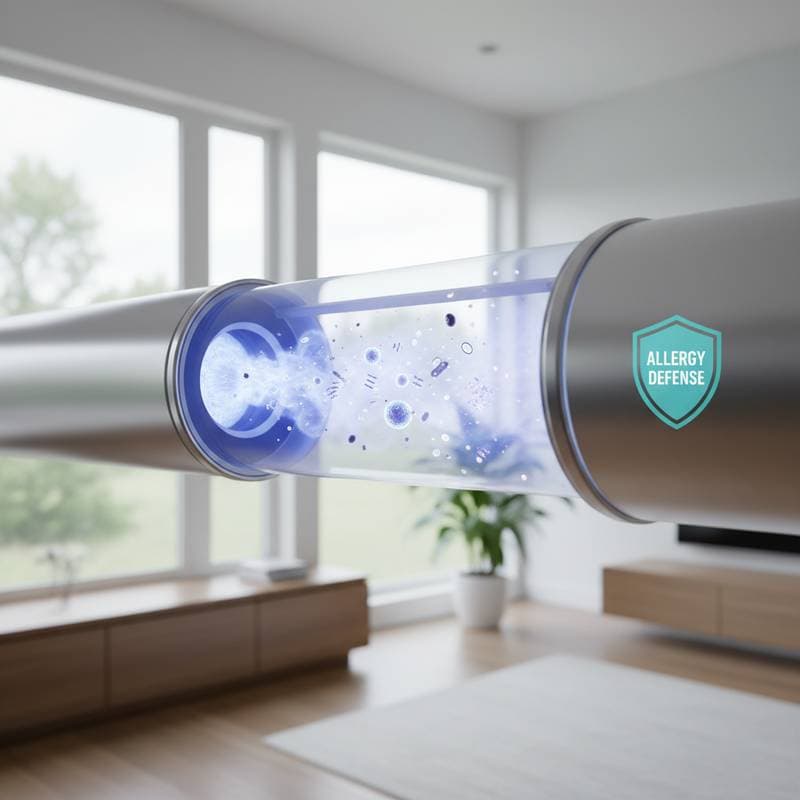
UV-C represents a band of ultraviolet light with strong germicidal effects. This light disrupts the DNA of bacteria, viruses, and mold spores, preventing reproduction. In air purification systems, UV-C treats air as it flows through the device, diminishing harmful particles and allergens in the home.
UV-C operates without chemicals, leaving no residues or byproducts. Homeowners benefit from this low-maintenance method to elevate indoor air quality and limit exposure to allergens such as dust mites, mold, and pet dander.
Benefits of UV-C for Allergy Management
Airborne allergens trigger symptoms that evade visible detection. Standard filters trap larger dust but overlook smaller irritants. UV-C addresses these gaps by inactivating particles that filters fail to capture completely.
Consider these advantages of UV-C air purifiers for allergy sufferers:
- UV-C eliminates microorganisms that persist on filters or disperse in the air.
- UV-C inhibits mold proliferation in HVAC systems and ducts, especially in moist environments.
- Cleaner air eases respiratory effort, supporting better rest and sinus health.
- UV-C integrates seamlessly with current HVAC setups, functioning unobtrusively.
Indicators of Poor Indoor Air Quality
Persistent allergies despite routine cleaning and efficient filters signal underlying air quality issues. UV-C purification provides the additional safeguard required. Recognize these common symptoms:
- Ongoing sneezing, coughing, or eye irritation inside the home.
- Persistent musty or stagnant smells.
- Visible mold near ventilation points or in humid zones.
- Accumulated dust despite regular housekeeping.
- Intensified allergy reactions during HVAC operation.
Addressing these prompts consideration of UV-C enhancements.
Integration of UV-C in HVAC Systems
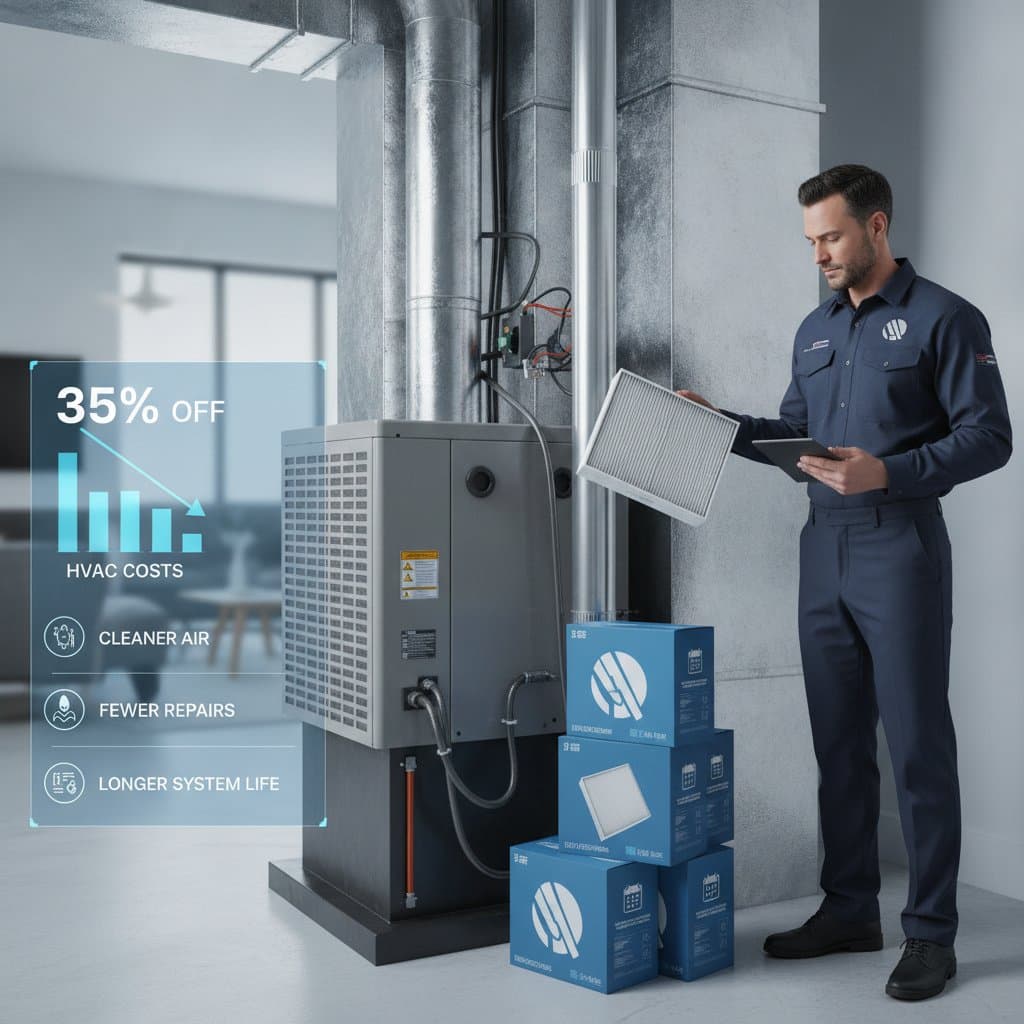
Professionals position UV-C lights near the evaporator coil or in return ducts for optimal exposure. This configuration sanitizes circulating air effectively.
The operational sequence includes:
- HVAC draws in room air laden with potential contaminants.
- UV-C exposure inactivates bacteria, mold, and viruses within the airstream.
- Purified air returns via ducts, refreshing all areas.
This ongoing cycle sustains superior air quality, particularly during peak allergy periods.
Considerations for UV-C System Expenses
Costs for UV-C installations fluctuate based on multiple elements. Local variations and installer rates influence final figures, yet key drivers merit attention for informed budgeting.
- Whole-home HVAC-integrated models exceed portable options in initial price but cover broader areas.
- Complex setups in aging homes demand extra effort and expense.
- Premium lamps offer extended durability and potency, offsetting higher costs over time.
- Routine upkeep, like bulb swaps, impacts ongoing expenses.
Consult a technician to evaluate your HVAC configuration and select cost-effective solutions.
Self-Managed Versus Professional Installation
Portable UV-C units suit DIY approaches, but whole-home integrations require expert handling. This distinction ensures safety and efficacy.
DIY Options
- Deploy portable purifiers in targeted rooms per manufacturer instructions.
- Swap HVAC filters on schedule to optimize particle capture.
- Control indoor humidity to minimize mold risks.
Professional Services
- Mount UV-C components within HVAC or ducts.
- Connect units to thermostats or controls.
- Perform upkeep on electrical or enclosed elements.
Experts guarantee secure, precise placement that maximizes benefits and adheres to codes, safeguarding health and equipment.
Varieties of UV-C Air Purification Systems
Options in UV-C technology accommodate diverse requirements and finances. Selecting appropriately balances coverage, ease, and performance.
In-Duct Systems
These embed within central HVAC for comprehensive duct treatment. They provide silent, whole-home operation with low upkeep demands.
Coil Sanitizing Units
Positioned by the evaporator coil, these curb microbial growth on moist HVAC surfaces. They prove valuable in humid regions and prolong system longevity through cleaner coils.
Portable Units
Freestanding models suit specific zones like bedrooms or offices. Pairing UV-C with HEPA filtration targets allergens at close range.
Hybrid Configurations
These merge UV-C with ionization or carbon filtration for multifaceted cleaning. They tackle odors, volatile compounds, and pathogens comprehensively.
Frequently Asked Questions
How long do UV-C bulbs last?
Bulbs endure nine to twelve months, varying by operation and build quality. Germicidal efficacy diminishes gradually, necessitating replacement for reliable results.
Are UV-C air purifiers safe for family and pets?
Proper installation renders them safe. Contained UV-C avoids exposure in occupied areas, with professionals ensuring secure, effective deployment.
Can UV-C light remove dust and pollen?
UV-C inactivates microbes but does not filter particles. Pair it with HEPA systems for complete particle and pathogen control.
Do UV-C systems use a lot of electricity?
Consumption remains low, typically 20 to 50 watts, comparable to a light bulb. They add minimal load to household energy use.
How can I tell if my UV-C system is working?
Observe indicators like steady lamp glow or system diagnostics. Reduced odors, fewer symptoms, or professional airflow tests confirm functionality.
Steps Toward Enhanced Indoor Air
Allergy challenges warrant proactive measures like UV-C purification. This technology discreetly minimizes allergens and fosters comfort. Schedule a professional HVAC assessment to determine suitability and initiate improvements for sustained well-being.