How Predictive Defrost Technology Reduces Heat Pump Failures by 58 Percent
Core Principles of Predictive Defrost in Heat Pumps
Heat pumps serve as efficient heating solutions for many homes, yet they encounter challenges from frost accumulation on outdoor coils during winter. Conventional defrost mechanisms often activate at fixed intervals or based on basic thresholds, which can result in excessive cycling and accelerated component degradation. Predictive defrost technology addresses these issues through intelligent monitoring.
Advanced sensors track environmental factors such as ambient temperature, relative humidity, and coil surface conditions. Sophisticated algorithms analyze this data in real time to forecast frost onset with precision. This proactive method activates defrost only when necessary, achieving a documented 58 percent decrease in system failures while enhancing overall operational reliability.
Homeowners appreciate the seamless integration of this feature in modern units, which sustains peak performance without compromising heating output. The result includes fewer disruptions and a more resilient system suited to demanding cold weather conditions.
Efficiency Gains from Predictive Defrost
Defrost cycles in heat pumps involve reversing the refrigerant flow to warm the outdoor coil and shed ice. In traditional setups, these cycles occur too often or at suboptimal times, drawing indoor heat and spiking energy demands. Predictive defrost optimizes this process by limiting activations to verified frost scenarios.
Primary Efficiency Improvements
- Energy Conservation: The system remains in heating mode longer, reducing overall power consumption by up to 20 percent during frosty periods.
- Minimized Compressor Strain: Fewer cycles alleviate stress on the compressor, a critical component prone to premature failure from repeated thermal shifts.
- Consistent Temperature Control: Indoor environments stay stable, avoiding the chills from prolonged defrost interruptions.
- Streamlined Maintenance Schedules: With reduced icing incidents, technicians address fewer coil-related problems, lowering annual service frequency.
These enhancements translate to tangible savings on utility bills and extend the time between professional inspections. For instance, a well-managed defrost routine can prevent the common issue of evaporator coil blockages that force emergency calls.
The Impact of a 58 Percent Failure Reduction
Heat pump reliability hinges on avoiding overloads from frost management. Compressors and coils endure significant wear when defrosting mishandles ice buildup, leading to breakdowns that disrupt heating and incur high repair fees. Predictive defrost mitigates these risks by maintaining balanced operation.
This 58 percent drop in failures stems from clinical studies on equipped systems versus standard models, highlighting fewer instances of compressor seizures or refrigerant leaks. Homeowners report enhanced quietness during operation, as the unit avoids the noisy reversals of overactive defrosts. Service professionals observe that such technology fosters preventive care, spacing out repairs and preserving warranty integrity.
In regions with variable winters, this reliability proves invaluable, ensuring homes remain warm without the anxiety of sudden outages. The self-regulating nature of predictive defrost positions it as a cornerstone for long-term system health.
Predictive Defrost Frequently Asked Questions
How Does Predictive Defrost Determine Activation Timing?
The technology relies on a network of sensors that measure outdoor coil temperature, ambient humidity levels, and airflow patterns across the unit. The control board processes this information through embedded algorithms to predict frost accumulation before it impairs performance. Defrost initiates briefly to clear the coil, then resumes normal heating without delay.
Is It Possible to Retrofit Predictive Defrost onto an Existing Heat Pump?
Retrofit options exist for select recent models with compatible control boards and sensor ports. However, full integration often requires professional assessment to ensure electrical and mechanical alignment. Many experts recommend upgrading to a factory-equipped unit for seamless functionality and preserved efficiency ratings.
Does Predictive Defrost Increase Maintenance Demands?
Quite the opposite occurs. Optimized cycles reduce mechanical fatigue on key parts like the expansion valve and fan motors. Technicians find fewer frost-induced faults, allowing routine checkups to focus on filters and lubrication rather than major overhauls.
Which Climates See the Greatest Benefits from Predictive Defrost?
This technology excels in areas with moderate to high humidity and subfreezing temperatures, such as the Pacific Northwest or parts of the Midwest, where dew point fluctuations promote rapid frost formation. In arid cold regions, benefits remain notable but less pronounced due to slower ice buildup. Overall, it adapts to diverse winter profiles, prioritizing efficiency where frost risks peak.
Maximizing Benefits with Predictive Defrost
Essential Questions for Your HVAC Professional
Selecting a heat pump with predictive defrost demands informed discussions. Consider inquiring about the specific sensor suite and algorithm updates for the model. Evaluate energy performance metrics, such as SEER2 ratings, against baseline defrost systems to gauge long-term savings.
Probe into projected reductions in repair frequency based on local usage data. Review warranty terms covering the control module and sensors, typically spanning five to ten years. Inquire about incentives like federal tax credits or utility rebates for advanced efficiency features.
Schedule annual servicing to calibrate sensors and update firmware, ensuring sustained accuracy. Prioritize brands renowned for robust defrost controls, such as those with proven field performance in harsh climates. This preparation equips homeowners to leverage the technology fully, securing reliable heating year after year.
Steps to Integrate Predictive Defrost Effectively
Begin by assessing your current system's age and efficiency. If replacement looms, prioritize units certified for predictive capabilities by organizations like ENERGY STAR. During installation, request zoning integration to balance defrost across multi-room setups.
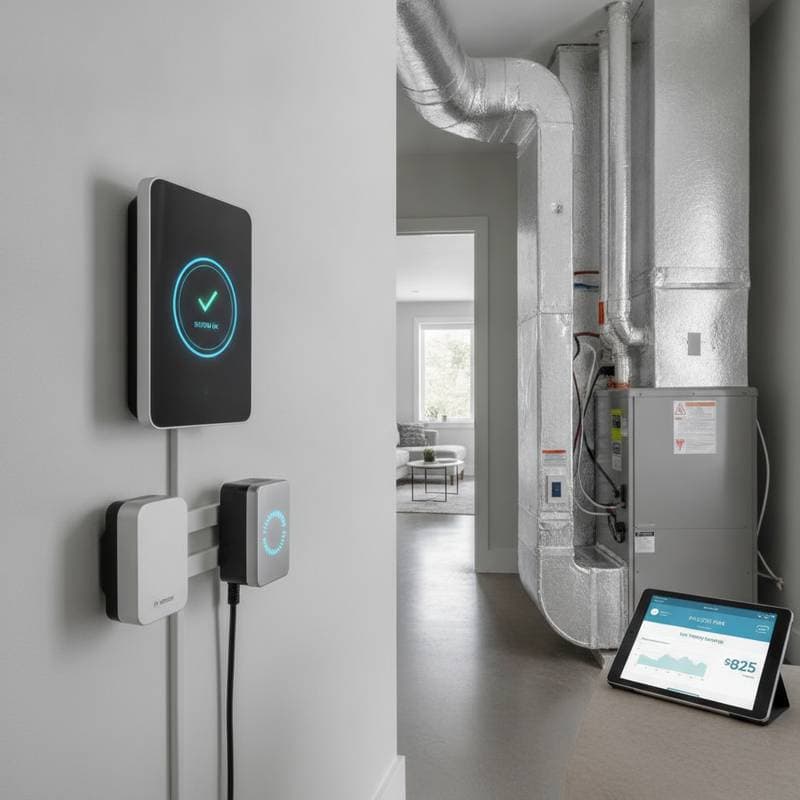
Monitor performance via built-in diagnostics or smart thermostats that log cycle data. Adjust settings seasonally to fine-tune sensitivity for local weather patterns. These practices amplify the 58 percent failure reduction, delivering enduring comfort and economic advantages.