New 2026 Rules Set Decibel Limits for Heat Pumps
How the 2026 Heat Pump Rules Address Noise Complaints
Growing concerns about heat pump noise are prompting new regulations designed to keep neighborhoods quieter while maintaining energy efficiency. The 2026 heat pump rules introduce stricter noise limits on outdoor units. These updates respond to an increase in neighbor complaints about humming or vibrating systems. The changes balance comfort, performance, and community peace by setting clear expectations for manufacturers, installers, and homeowners.
This article explains what the new heat pump noise standards mean. It also covers effects on installation practices and steps homeowners can take to stay compliant.
Why Noise Complaints Are Increasing
Several factors contribute to the rise in heat pump noise concerns. Technology has advanced, yet the growing popularity of these systems leads to more units in dense residential neighborhoods. The result is a noticeable increase in sound levels during nighttime or in shared outdoor spaces.
Common causes of noise complaints include the following:
- Improper placement of outdoor units near fences or patios.
- Vibration transfer through walls or foundations.
- Older models with worn bearings or fan blades.
- Defrost cycles that temporarily increase compressor sound.
More homeowners are switching from traditional HVAC systems to heat pumps for efficiency. These issues have become more visible and are now addressed through standardized regulation.
How Homeowners Can Prepare
Staying ahead of the new rules can save time and money later. Homeowners planning to install or replace a heat pump soon can take several steps now to ensure compliance.
Placement and Positioning
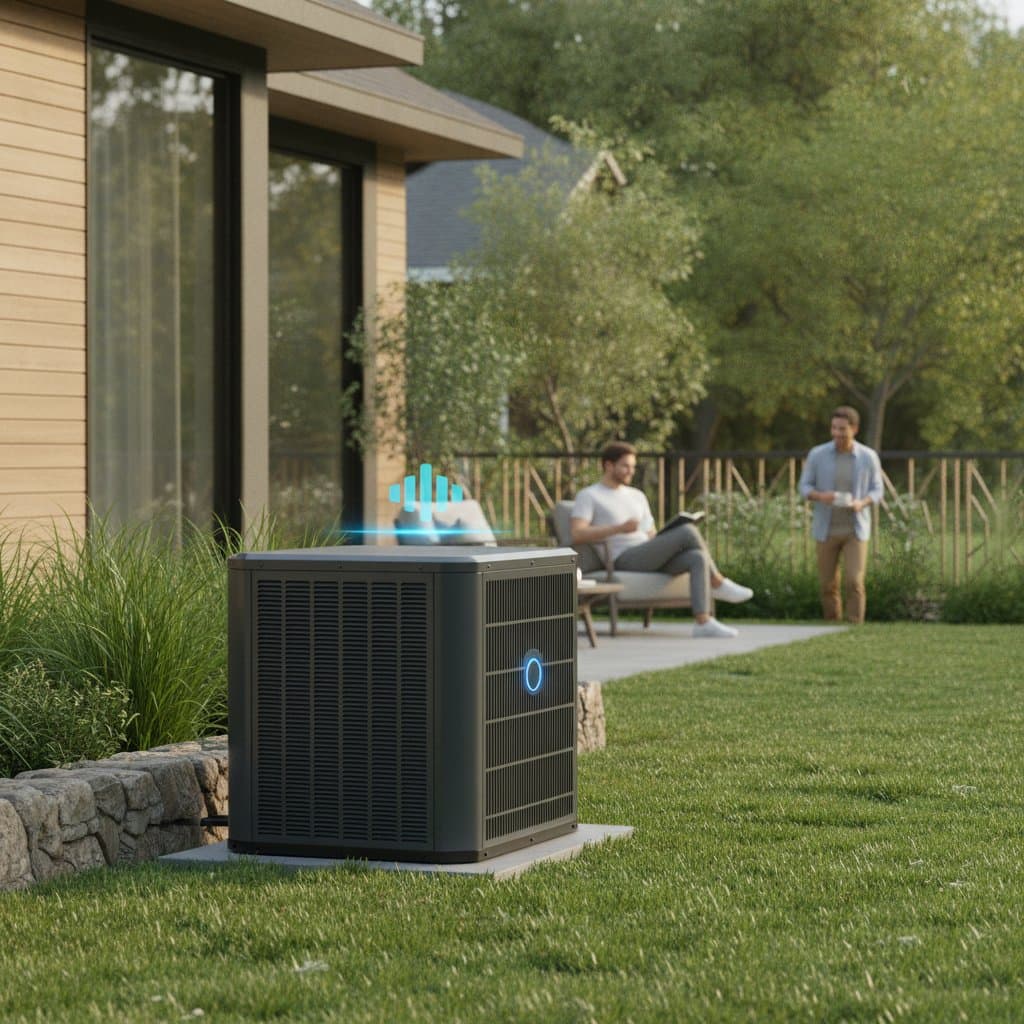
Proper unit placement is the easiest way to minimize noise. Ideally, the outdoor unit should be installed on a solid, vibration-dampening pad. It should be positioned at least a few feet from property lines. Landscaping or fencing can provide shielding as long as airflow remains unobstructed.
Routine Maintenance
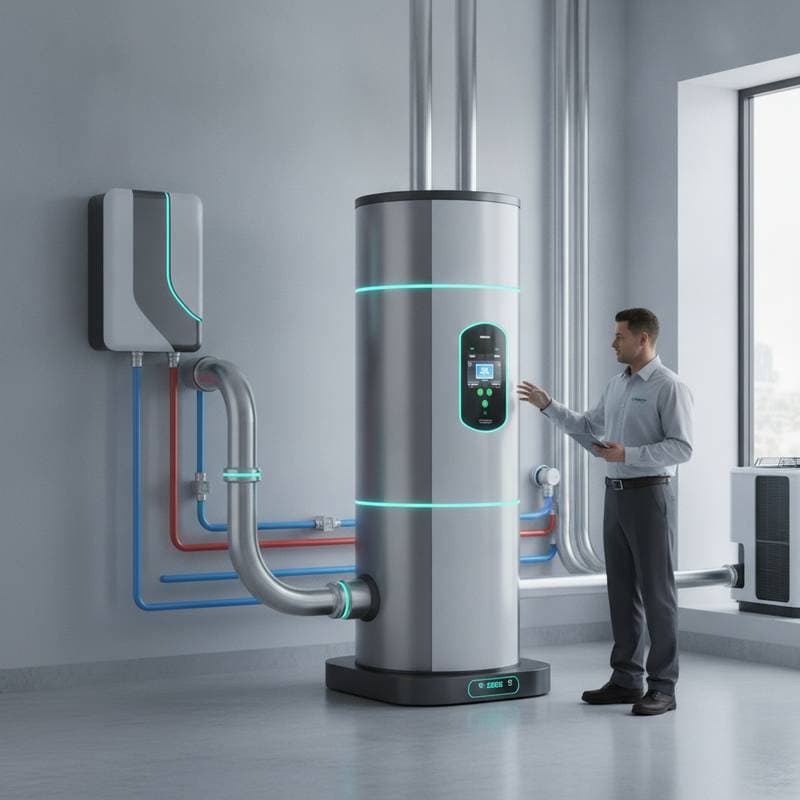
Regular maintenance keeps systems quieter and prolongs lifespan. Clean fan blades and coils to prevent rattling or airflow noise. Tighten mounting bolts to reduce vibration. Replace worn components before they generate loud humming. Working with a certified HVAC technician ensures these steps are completed correctly.
2026 Heat Pump Noise Rules FAQs
Will existing heat pumps need to be replaced?
No. The new rules apply primarily to newly manufactured and installed systems. Existing units will not be banned. Homeowners may be encouraged to maintain them properly or upgrade if they consistently exceed local noise limits.
How can I tell if my heat pump is too loud?
Use a decibel meter or a smartphone app to measure noise from several feet away. A reading above 60 decibels could indicate a problem. This is especially true if the sound is constant or includes rattling. An HVAC professional can identify whether the issue is mechanical or installation-related.
Are there soundproofing solutions for older systems?
Yes. Homeowners can install acoustic barriers, anti-vibration mounts, or noise-reducing fences to limit sound transmission. These options are cost-effective and can often be added without major modifications to the system.
Do quieter heat pumps use more energy?
Not necessarily. Many new models combine variable-speed compressors and advanced insulation that reduce noise while improving efficiency. Quieter units often perform better because they operate more smoothly and maintain stable temperatures.
Getting Professional Help for Heat Pump Noise Control
Hiring a qualified HVAC contractor is the best way to ensure compliance with the upcoming rules. Certified technicians understand placement requirements, equipment ratings, and the latest installation best practices.
Questions to Ask Before Hiring
- What are the current local noise limits for heat pumps?
- How do you determine the best location for outdoor units?
- Does the model you recommend meet the new sound rating standards?
- Can you provide a noise-reduction estimate before installation?
- What warranty covers noise or vibration issues?
- Are there additional costs for sound barriers or dampening pads?
- How often should the system be serviced to maintain quiet operation?
Achieving Quieter Home Environments
The 2026 heat pump rules reflect a growing awareness of how residential systems affect community comfort. By encouraging quieter equipment, smarter placement, and better maintenance, these regulations create more peaceful neighborhoods without sacrificing energy efficiency.