Why Electric Radiators Are Gaining Ground
Electric radiators now outsell gas furnaces in twelve states. Homeowners cite cleaner operation, lower long term costs, and easier integration with smart controls as primary reasons for the change.
Local incentives, stricter emissions rules, and rising natural gas prices accelerate the shift. In states with abundant renewable power, the transition delivers measurable reductions in household carbon output.
Key Drivers Behind the Sales Trend
Several practical factors explain the move toward electric units.
- Electricity rates in many regions now compete with or undercut gas when efficiency and maintenance are considered.
- Modern radiators include precise thermostats and Wi Fi connectivity that allow room by room scheduling.
- Installation often requires only an electrical circuit rather than new gas lines and venting.
- Utility programs reward off peak usage or renewable participation, trimming operating expenses further.
Although the purchase price per unit can exceed that of a comparable gas model, reduced service calls and higher energy conversion rates offset the difference within a few seasons.
Health and Environmental Advantages
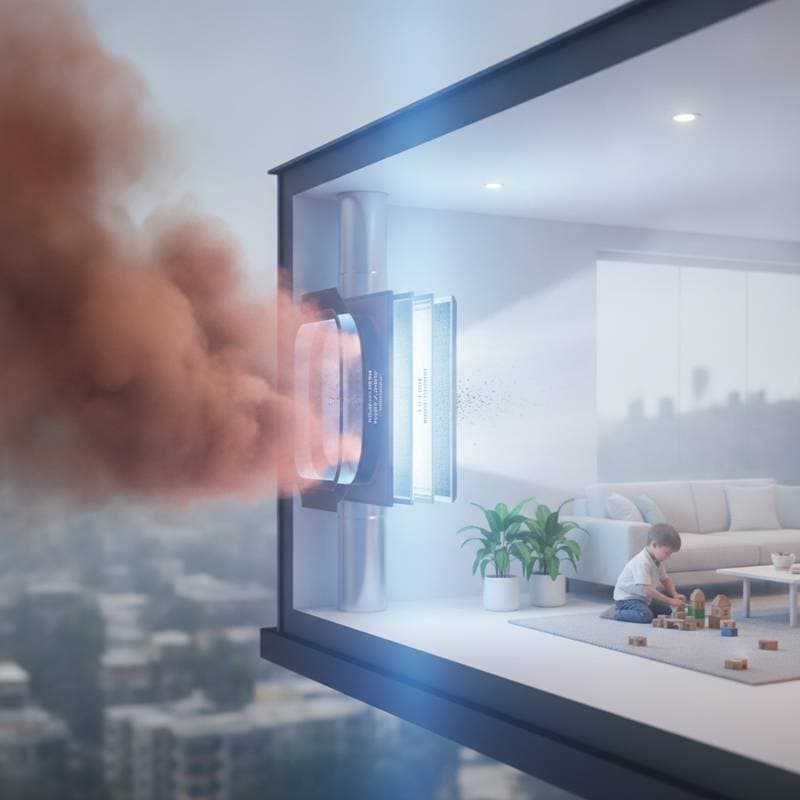
Electric heating eliminates combustion inside the living space. This change removes carbon monoxide, nitrogen dioxide, and soot from indoor air.
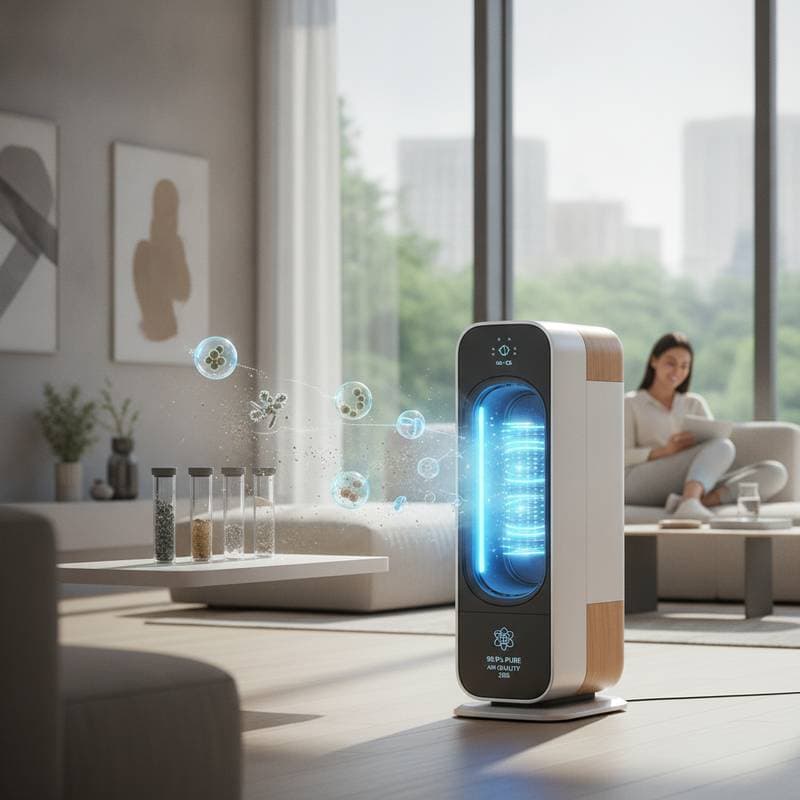
Residents with asthma or allergies frequently report fewer respiratory irritants after the switch. Because no flame is present, the risk of gas leaks disappears entirely.
When paired with rooftop solar or a green energy tariff, electric radiators operate with zero direct emissions at the point of use. This compatibility supports both personal sustainability goals and broader state clean energy targets.
Electric Radiators Compared with Heat Pumps
Both technologies avoid fossil fuels, yet they serve different needs.
Electric radiators convert electricity directly into heat. They suit supplemental warmth in specific rooms or smaller properties where zoning matters most.
Heat pumps move existing warmth from outside air or ground into the home. They provide both heating and cooling and achieve higher efficiency across an entire house, though upfront installation costs remain higher.
Many households combine the two systems. A central heat pump handles primary conditioning while electric radiators supply extra heat in home offices, bathrooms, or additions.
Installation and Safety Practices
Plug in models require little more than an available outlet. Hardwired units demand a dedicated circuit sized to the load and must follow local electrical codes.
A licensed electrician verifies panel capacity, installs proper disconnects, and confirms grounding. Manufacturer guidelines specify clearances and mounting heights that maintain both performance and safety.
Never alter factory wiring or bypass safety features. Professional installation protects both the equipment warranty and household occupants.
What to Expect in Coming Years
Sensor technology and adaptive controls will continue to improve. Future models will learn occupancy patterns, adjust output in real time, and coordinate with battery storage to avoid peak rate periods.
These advances will further lower operating costs while maintaining steady comfort. The trajectory indicates electric radiators will remain a mainstream choice rather than a niche alternative.
Common Questions Answered
Are electric radiators expensive to operate?
Strategic use keeps costs manageable. Because nearly all electricity converts to heat and zoning limits runtime to occupied spaces, total expense depends mainly on local rates and usage habits.
Can multiple units heat an entire house?
Yes in smaller or well insulated homes. Larger properties often pair radiators with a heat pump for balanced coverage across all floors.
Is professional installation required?
Plug in units can be set up by the owner. Hardwired models need a qualified electrician to ensure code compliance and safe connections.
What is the typical service life?
Quality units last fifteen to twenty years. With few moving parts, they often exceed the durability of gas systems that experience burner and blower wear.
How do they affect the environment?
Electric radiators produce no on site emissions. When supplied by renewable sources they rank among the cleanest residential heating methods available.
Next Steps for Homeowners
Assess insulation levels, electrical service capacity, and daily heating patterns before selecting equipment. A certified HVAC contractor can model energy use and recommend the right mix of units and controls.
The decision affects monthly expenses, indoor air quality, and long term property value. Thoughtful planning positions any home for reliable comfort as heating technology advances.