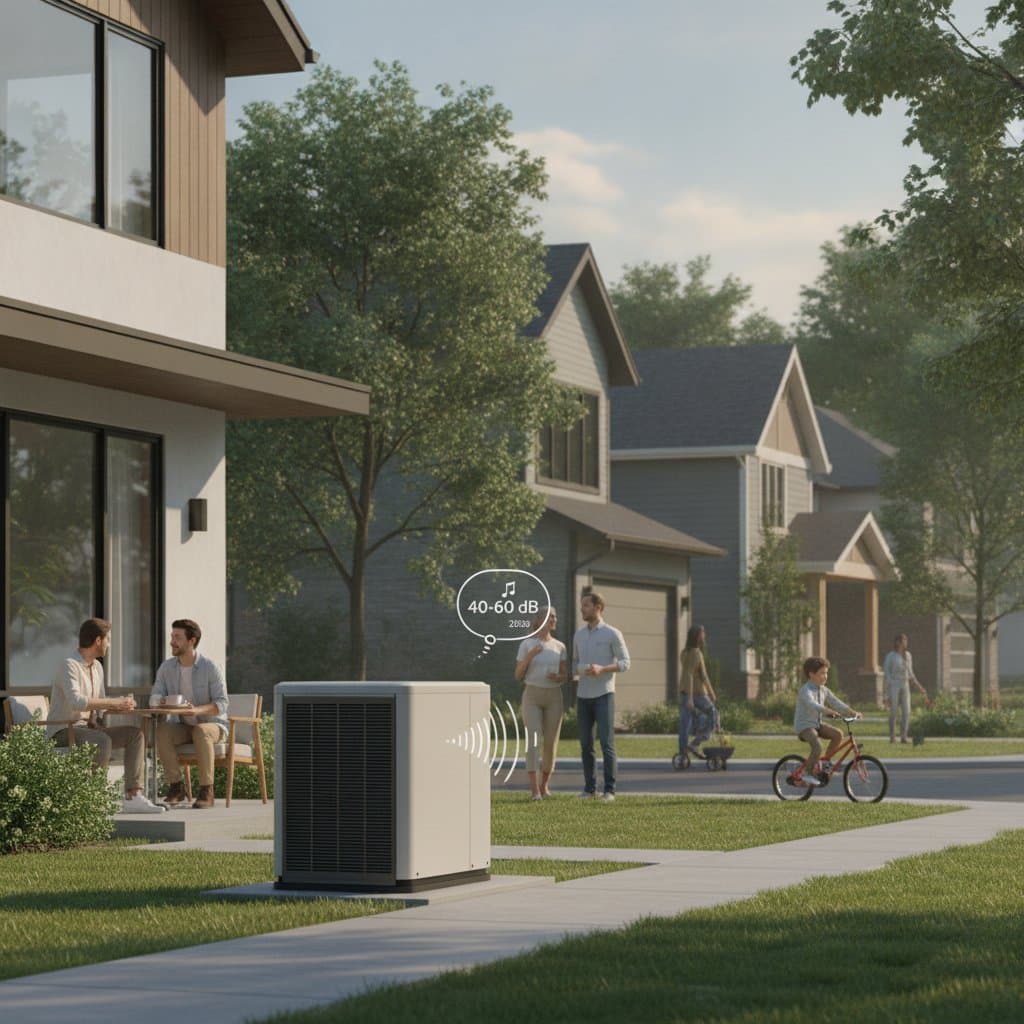
Heat Pump Noise Limits Drop to 40-60 Decibels in 2026
New regulations taking effect in 2026 set stricter noise standards for outdoor heat pump units in residential areas. These changes require units to operate between 40 and 60 decibels depending on location and distance from property lines. Homeowners planning installations or replacements benefit from understanding the requirements early to select compliant equipment and avoid later modifications.
| Key Information | Quick Summary |
|---|---|
| Purpose of Noise Rules | Reduce outdoor heat pump noise in residential areas |
| Typical Noise Limit | Around 40 to 60 decibels depending on location and distance |
| Affected Systems | New outdoor heat pumps and replacement installations |
| Compliance Responsibility | Homeowner and licensed HVAC installer |
| Solution Options | Quieter models, acoustic barriers, professional placement |
Average Heat Pump Noise Levels
Modern heat pumps produce varying sound levels based on model and setup. Most residential units generate between 50 and 70 decibels during operation. The updated standards push manufacturers to deliver systems that remain below 60 decibels at measured distances from neighboring properties.
Premium units often satisfy the thresholds through built-in insulation and variable-speed components. Older systems may require added measures such as vibration isolation or repositioning. A professional assessment identifies whether an existing installation aligns with the incoming guidelines.
Key Factors That Affect Heat Pump Noise
Multiple elements determine whether a heat pump meets the new limits. Proper attention to these details supports both regulatory compliance and daily comfort.
Unit Size and Capacity
Correct sizing matches the equipment capacity to the home heating and cooling load. Oversized units cycle more often and generate additional sound. Accurate load calculations prevent excess noise while preserving performance.
Brand and Build Quality
Higher-quality models incorporate insulated compressor housings and vibration dampeners. These features reduce sound output without sacrificing efficiency. Investing in such designs lowers the risk of future retrofit costs.
Installation Placement
Strategic positioning keeps the outdoor unit away from bedrooms and sound-reflective walls. Installers can add landscaping or barriers to absorb noise. Proper setbacks from property lines further support compliance.
Energy Efficiency and Fan Speed
Variable-speed compressors adjust output to match demand and run at lower speeds during mild weather. Reduced fan operation lowers noise and energy use simultaneously. This capability aids year-round adherence to sound regulations.
Maintenance and Age
Regular service addresses loose parts and debris that increase sound. Cleaning coils and securing components maintains quiet performance. Systems older than ten years often benefit from targeted upgrades to meet current expectations.
Types of Heat Pumps and Their Typical Noise Levels
Different heat pump categories present distinct sound profiles. Selection of the appropriate type simplifies compliance efforts.
- Air-source models typically range from 50 to 70 decibels, though inverter-driven versions operate more quietly.
- Ductless mini-split systems frequently stay under 50 decibels and suit targeted zone applications.
- Ground-source units keep most equipment underground, resulting in minimal audible output.
- Hybrid configurations combine a furnace with a heat pump; outdoor noise depends on the heat pump portion.
Signs Your Heat Pump Might Violate Noise Limits
Certain indicators suggest a system may exceed upcoming thresholds. Addressing these early prevents neighbor complaints or required changes.
- Persistent humming or rattling during cycles
- Reports from adjacent properties about audible disturbance
- Noticeable vibration through nearby structures
- Equipment lacking modern sound-reduction features
- Altered noise after recent repairs
A qualified technician can perform decibel measurements and recommend solutions such as acoustic enclosures or relocation.
The Heat Pump Installation Process and Noise Compliance
Professional installation ensures both efficiency and adherence to sound standards. The sequence includes several key steps.
- Site evaluation identifies optimal placement that respects setbacks and minimizes sound travel.
- Equipment selection matches capacity and noise ratings to project needs.
- Mounting incorporates vibration isolators on a stable base.
- Connections avoid airflow restrictions that could create additional sound.
- Post-startup testing confirms measured levels fall within limits.
- Final adjustments refine fan settings or add barriers as needed.
Heat Pump Labor Costs
Labor expenses represent 30 to 50 percent of total project cost. The amount varies with system complexity and any added sound-control measures. Acoustic barriers or isolation pads increase the initial investment yet reduce the likelihood of later compliance expenses.
Frequently Asked Questions About Heat Pump Noise Rules
How can I make my existing heat pump quieter?
Sound blankets around the compressor, rubber vibration pads, and acoustic fencing each reduce transmitted noise. Routine cleaning and component tightening further lower operational sound.
Will all new heat pumps meet the updated noise limits?
Many current models already incorporate design updates to satisfy lower thresholds. Verification of published decibel ratings remains necessary before purchase.
Do indoor components affect outdoor noise levels?
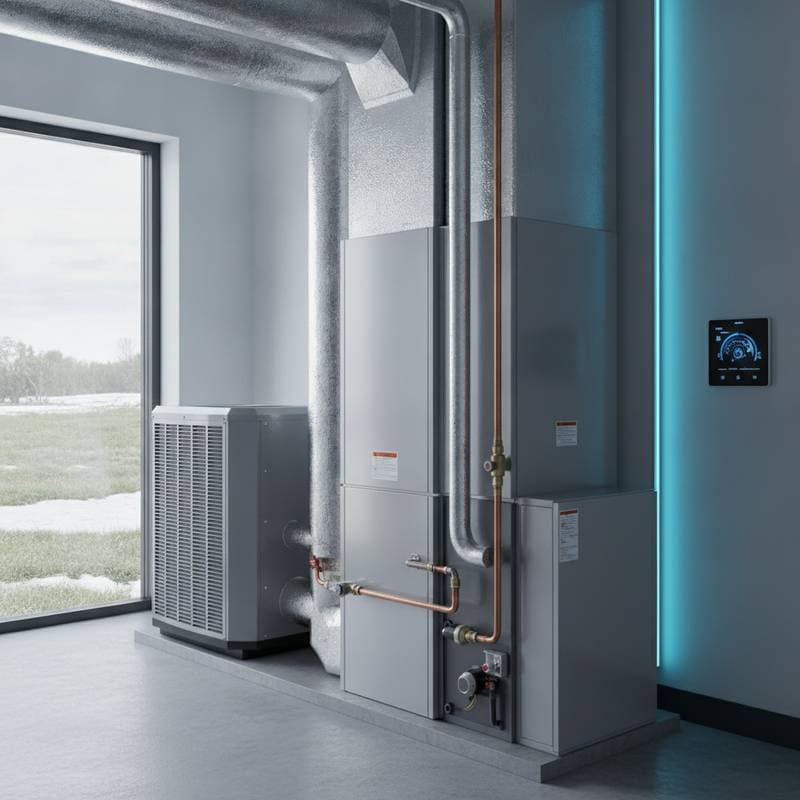
Indoor air handlers produce minimal exterior sound. Proper refrigerant line insulation prevents vibration transfer that could increase outdoor noise.
Planning for Compliance in Your Home
Selecting appropriately rated equipment and engaging a licensed installer positions the project for success under the 2026 standards. Ongoing maintenance preserves quiet operation and efficiency. Early attention to placement and sound control measures supports both regulatory requirements and comfortable living conditions.