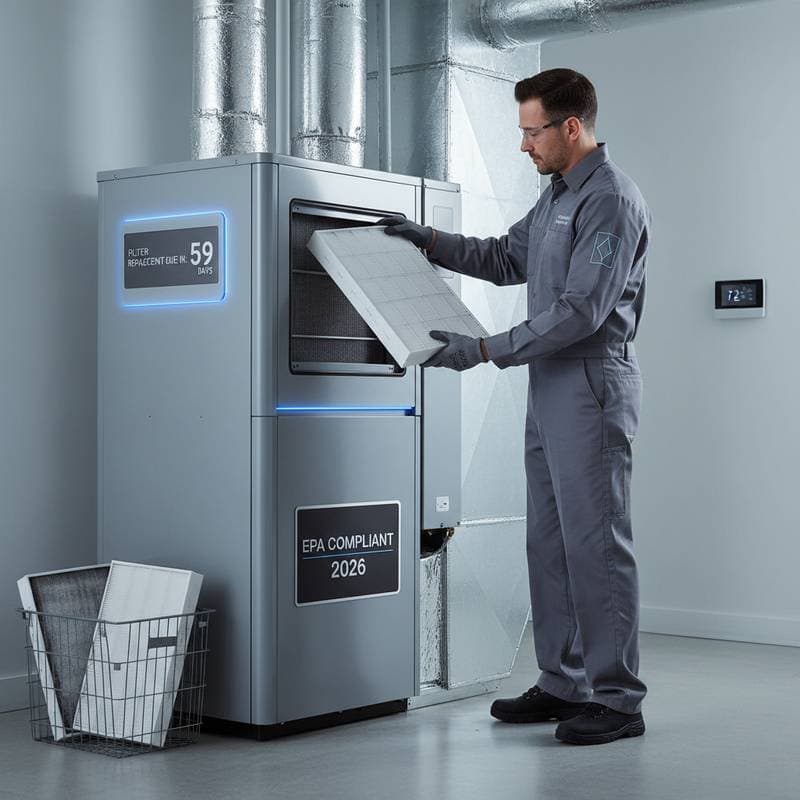
New EPA Rule on HVAC Filter Replacement
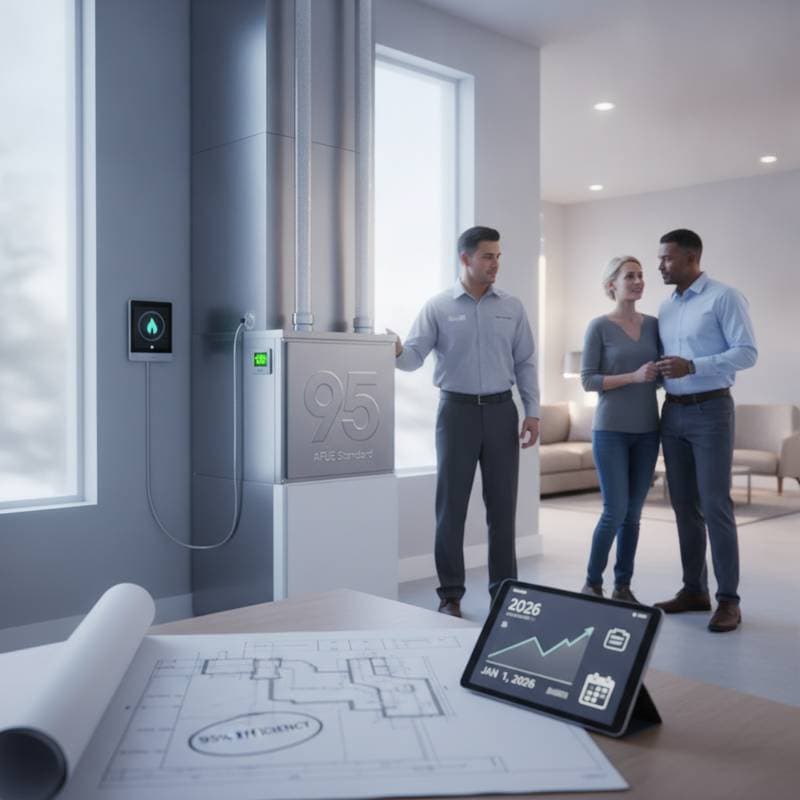
The Environmental Protection Agency requires homeowners and property managers to replace HVAC air filters every 60 days. This regulation targets improved indoor air quality, lower energy use, and longer equipment life. The following sections explain the requirements, associated costs, filter choices, and steps for compliance.
| Requirement | Details |
|---|---|
| New EPA Rule | HVAC filters must be replaced every 60 days |
| Applies To | Residential and commercial HVAC systems |
| Purpose | Improve indoor air quality, reduce energy consumption, and extend equipment life |
| Non-Compliance Risk | Reduced efficiency, poor air quality, and potential fines |
| Recommended Filter Rating | Minimum MERV 8 or higher for residential systems |
Average Costs for Filter Replacement
Filter replacement expenses vary by type, size, and whether a technician performs the work. Homeowners typically spend between 15 and 80 dollars on the filter itself. Professional service that includes labor and inspection ranges from 75 to 150 dollars.
| Filter Type | Average Filter Cost | Replacement Cost with Labor |
|---|---|---|
| Basic Fiberglass Filter | 10 to 20 dollars | 75 to 90 dollars |
| Pleated Filter (MERV 8-11) | 20 to 40 dollars | 90 to 120 dollars |
| High-Efficiency Filter (MERV 12-16) | 40 to 80 dollars | 120 to 150 dollars |
Frequent changes every 60 days deliver measurable gains in air quality and efficiency that offset the recurring expense.
Factors That Influence Filter Costs
Several variables determine the total outlay required to meet the 60-day schedule.
Filter Type and Quality
Fiberglass filters trap only large dust particles at low cost. Pleated and electrostatic models capture smaller allergens and cost more. Higher MERV ratings improve filtration yet require verification that the system can maintain proper airflow.
Household Conditions
Pets, smoking, or dusty surroundings accelerate filter loading. Replacement must occur at or before the 60-day mark to satisfy the regulation and preserve performance.
System Size and Operating Hours
Larger systems need bigger filters that carry higher prices. Continuous operation saturates filters faster than intermittent use.
Professional Service Fees
Technicians charge 60 to 120 dollars per hour. A standard visit that combines filter replacement with system inspection totals 75 to 150 dollars and includes checks for leaks, coil condition, and drain function.
Available Filter Options
Selection of the correct filter balances cost, filtration level, and equipment compatibility.
Fiberglass Filters
- Low purchase price and simple installation
- Limited particle capture that may require earlier replacement in dusty homes
Pleated Filters
- Improved capture of pollen and fine dust across multiple MERV ratings
- Moderate cost with possible airflow restriction if mismatched to the system
Electrostatic Filters
- Washable design that reduces recurring purchases
- Higher initial cost and required cleaning every 60 days
HEPA Filters
- Removal of 99 percent of airborne contaminants
- Potential incompatibility with residential blowers without professional adjustment
Indicators That Replacement Is Due
Watch for these performance changes before the 60-day interval arrives:
- Noticeably weaker airflow from supply registers
- Unexpected increases in monthly energy charges
- Rapid dust accumulation on surfaces after cleaning
- Worsening allergy or respiratory symptoms indoors
- Unusual fan noise caused by restricted airflow
Replace the filter at the first sign of any issue.
Step-by-Step Replacement Procedure
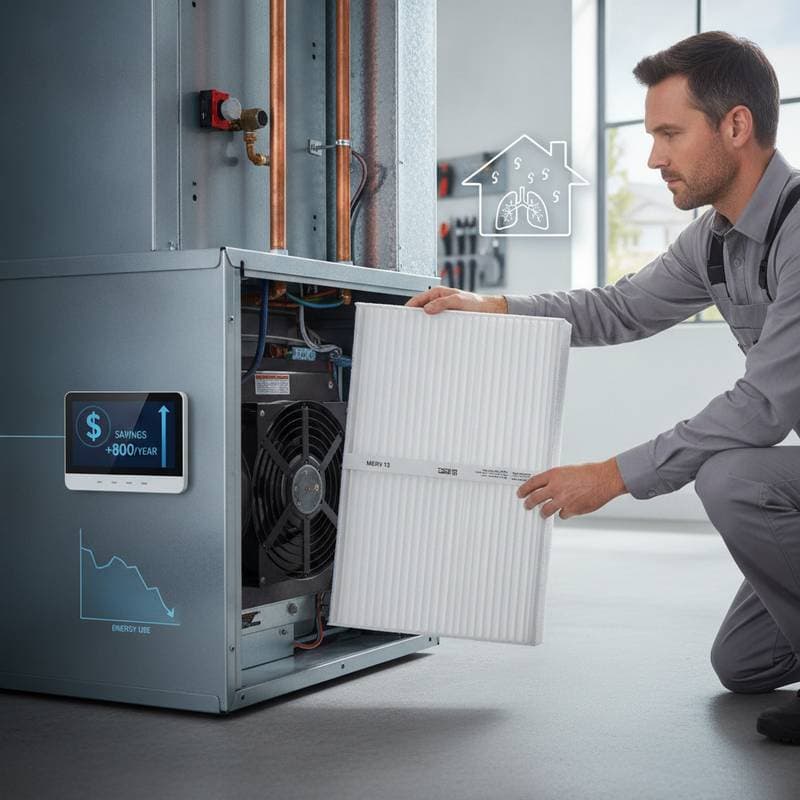
- Shut off power to the HVAC system at the thermostat or breaker.
- Open the filter access panel, usually located near the air handler or return duct.
- Remove the old filter and note its size and orientation.
- Insert a new filter of matching dimensions and MERV rating, aligning arrows with airflow direction.
- Close the panel, restore power, and confirm steady airflow.
- Record the replacement date and dispose of the used filter according to local guidelines.
Complex systems benefit from a professional visit to confirm correct filter selection.
Professional Maintenance Pricing
Licensed technicians provide filter changes plus diagnostic checks. Most charge between 60 and 120 dollars per hour. A combined service call averages 75 to 150 dollars and covers airflow measurement, coil inspection, and drain cleaning.
Purpose of the 60-Day Requirement
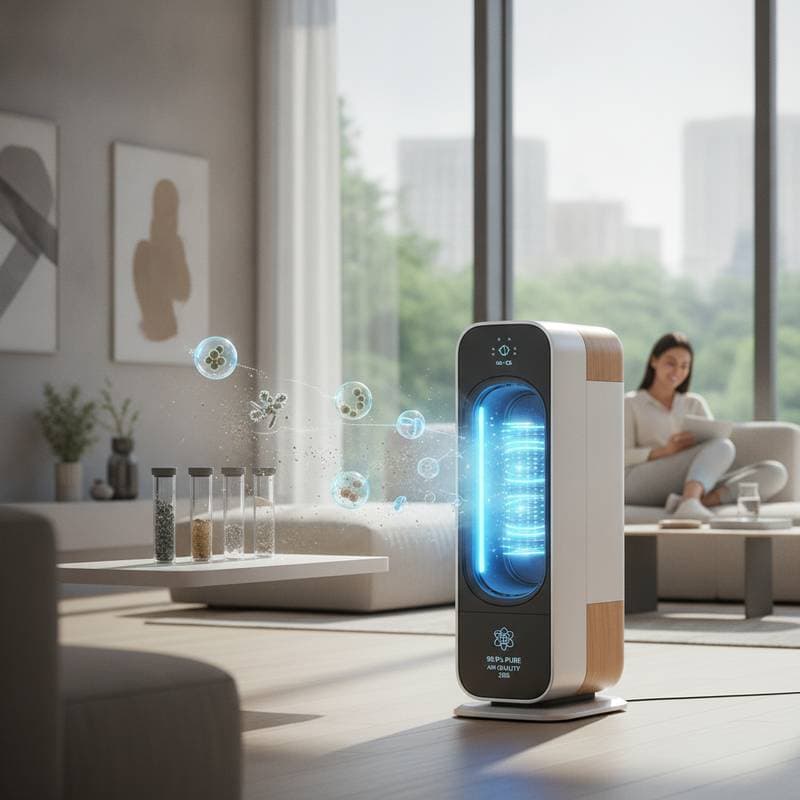
The regulation addresses indoor air quality, energy consumption, and equipment longevity. Clean filters reduce the workload on fans and compressors, lowering utility costs and carbon output. Consistent replacement also prevents dust accumulation on coils that shortens system life.
Common Questions About the Rule
How often must filters be changed?
Replacement is required every 60 days for all forced-air residential and commercial systems.
What occurs if the schedule is missed?
Delayed changes produce poorer air quality, higher energy use, and possible equipment strain.
Are washable filters acceptable?
Washable filters satisfy the rule when cleaned thoroughly at each 60-day interval and when cleaning records are maintained.
Which MERV rating is appropriate?
Most homes operate efficiently with MERV 8 to 11 filters. Higher ratings suit allergy concerns only after system compatibility is verified.
Does the rule cover every HVAC system?
The requirement applies to all residential and commercial forced-air units. Specialty systems may carry additional specifications.
Can homeowners perform the task themselves?
Homeowners may replace filters provided they follow the correct size, rating, and schedule.
Will more frequent changes raise energy costs?
Regular replacement lowers energy consumption by restoring proper airflow.
Maintaining Compliance Year-Round
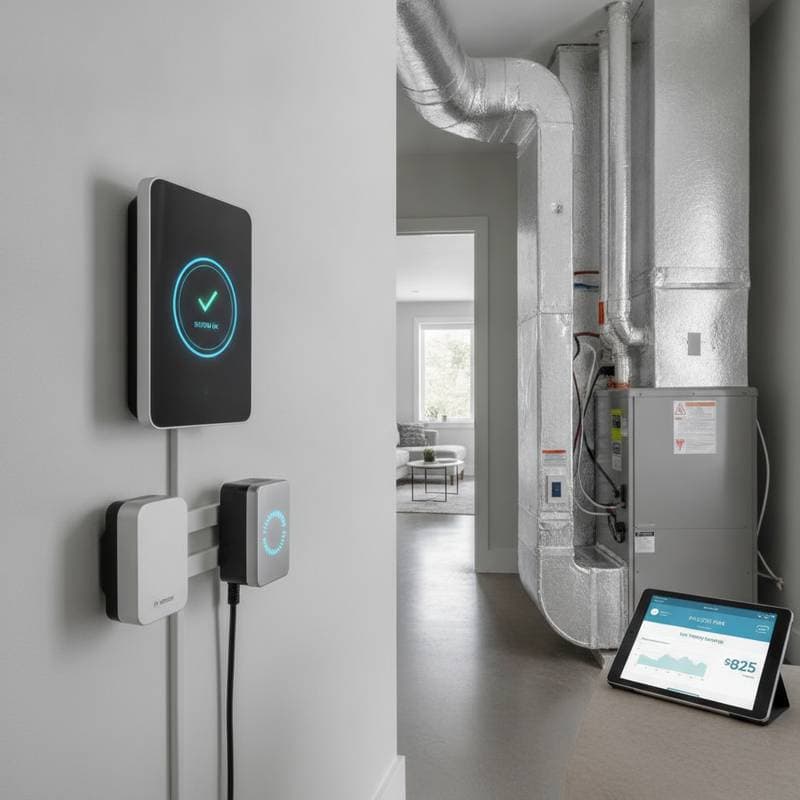
Set recurring calendar reminders or enroll in automatic filter shipment programs. Consistent attention to this interval protects air quality, controls operating expenses, and supports equipment reliability throughout every season.