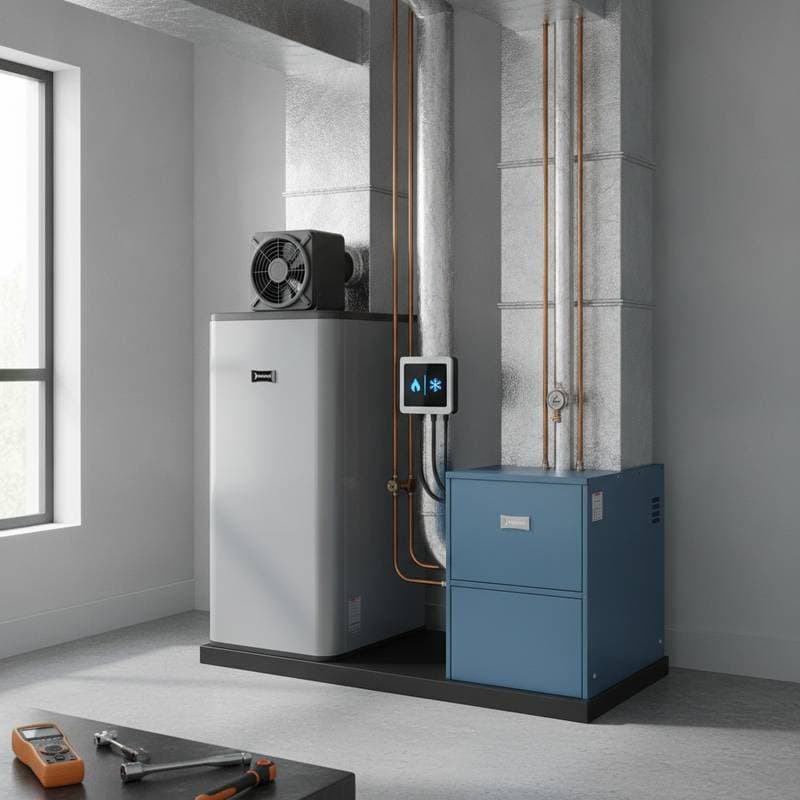
Dual-Fuel HVAC Systems Reduce Heating Costs
Homeowners facing rising winter energy expenses often find that dual-fuel HVAC systems provide a practical solution. These setups pair an electric heat pump with a gas furnace to maintain comfort while lowering overall operating costs. Many users report heating bill reductions of up to 38 percent after installation. The sections below explain system operation, cost-saving mechanisms, selection criteria, and implementation steps.
System Components and Operation
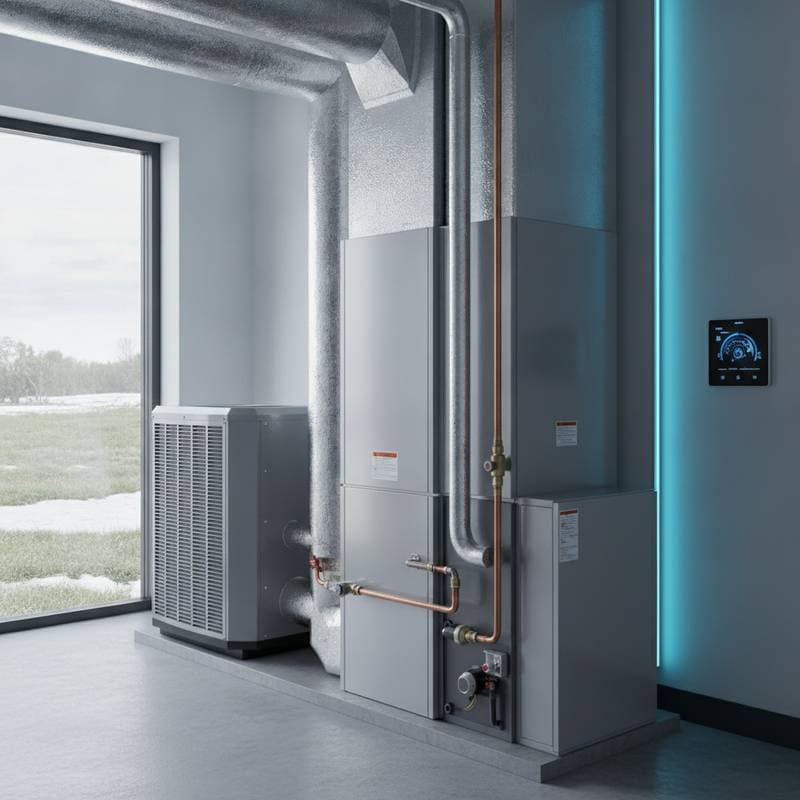
A dual-fuel HVAC configuration integrates an electric heat pump for primary heating and cooling with a gas furnace reserved for extreme cold. The heat pump manages moderate conditions by transferring heat rather than generating it. When outdoor temperatures fall below the heat pump efficiency threshold, the furnace activates automatically.
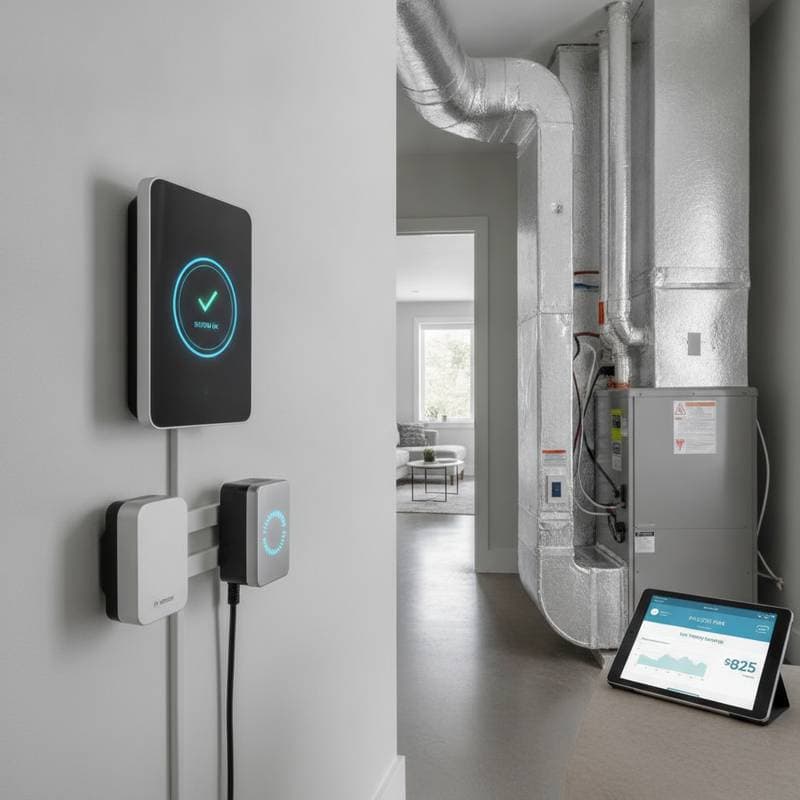
Control occurs through a thermostat that monitors external conditions and indoor demand. The transition between modes remains seamless for occupants. This approach ensures each energy source operates only within its optimal range.
Mechanisms Behind Cost Reduction
Dual-fuel designs lower expenses through several coordinated strategies. Heat pumps deliver high efficiency during mild weather by moving existing heat instead of creating new heat. Automatic fuel selection prevents unnecessary gas consumption during periods when electricity proves more economical.
Equipment longevity improves because neither component runs continuously under suboptimal conditions. Reduced gas usage also decreases utility charges and environmental impact. Homeowners in climates with variable winters typically achieve the largest savings compared with single-fuel alternatives.
Indicators for System Replacement
Several observable conditions suggest a dual-fuel upgrade may deliver value. Rising monthly energy statements often signal declining equipment performance. Systems older than ten years frequently lack modern efficiency features.
Regions that experience mild winters punctuated by brief cold periods align well with hybrid operation. Property owners seeking long-term reliability alongside reduced utility costs represent additional candidates for evaluation.
Cost Determinants and Planning
Initial investment depends on equipment capacity, efficiency ratings, and installation complexity. Larger residences require higher-output units that increase upfront pricing yet ensure adequate coverage. Higher-efficiency models command greater initial outlays but accelerate payback through ongoing savings.
Labor expenses vary with existing ductwork condition and required electrical modifications. Available utility rebates and tax incentives can offset portions of the total project cost. A site inspection by a qualified technician yields the most accurate projection.
Performance Comparison
Dual-fuel arrangements outperform conventional single-fuel systems across multiple metrics. Fuel flexibility maintains comfort during temperature extremes while limiting operating expenses. Balanced runtime extends service life for both the heat pump and furnace.
Traditional gas furnaces consume fossil fuels regardless of outdoor conditions. Standalone heat pumps lose efficiency once temperatures drop sharply. Hybrid designs combine the strengths of each technology without retaining their individual weaknesses.
Installation Sequence
Professional installation follows a defined sequence. Technicians first assess ductwork, insulation, and current equipment to determine proper sizing. Equipment selection then proceeds according to performance goals and budget parameters.
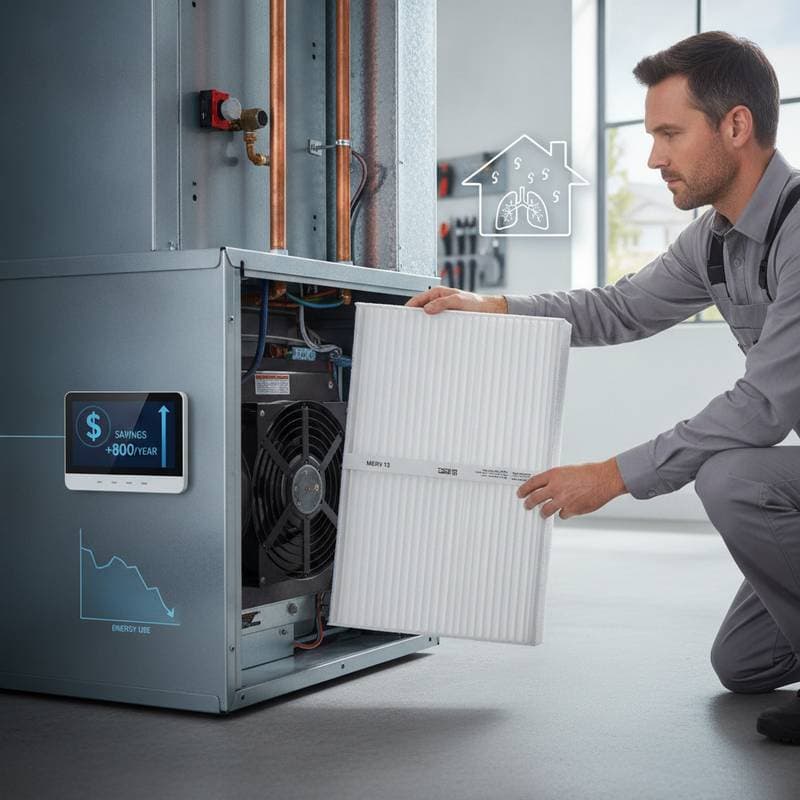
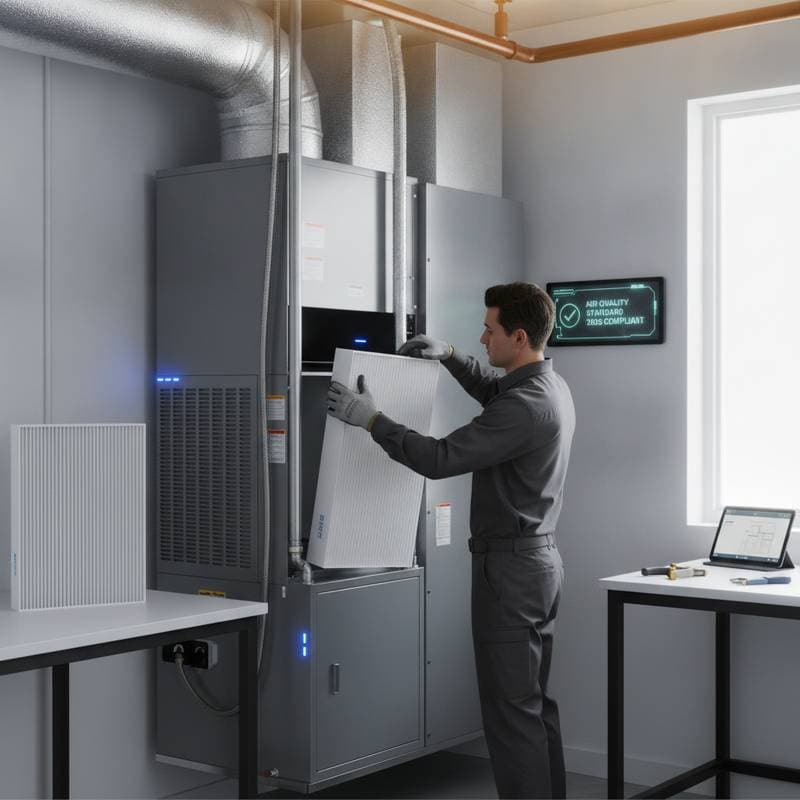
Physical installation includes mounting the heat pump, integrating the furnace, and configuring controls. Final testing confirms reliable mode switching and code compliance. Homeowners receive guidance on filter replacement and annual service scheduling.
Operational Questions
Mode switching logic
A control board evaluates outdoor temperature against efficiency curves. Once gas operation becomes the lower-cost option, the system shifts without manual intervention.
Return on investment
Upfront costs exceed those of basic furnaces or heat pumps alone. Long-term energy reductions and extended equipment life generally recover the differential within several years for most households.
Compatibility with existing furnaces
Technicians can sometimes add a heat pump to a functional furnace. Compatibility depends on age, condition, and ductwork configuration determined during inspection.
Expected service life
Regular maintenance supports ten or more years of reliable operation for each major component. Annual professional tune-ups and timely filter changes preserve efficiency.
Suitability for cold climates
Hybrid systems function in colder regions, though the furnace operates more frequently. The heat pump continues to handle milder days to minimize overall fuel consumption.
Next Steps for Homeowners
Schedule a professional load calculation and equipment assessment to determine whether a dual-fuel configuration matches your property requirements. This evaluation clarifies potential savings and identifies available incentives before purchase decisions.