How Dual-Fuel HVAC Systems Reduce Energy Costs
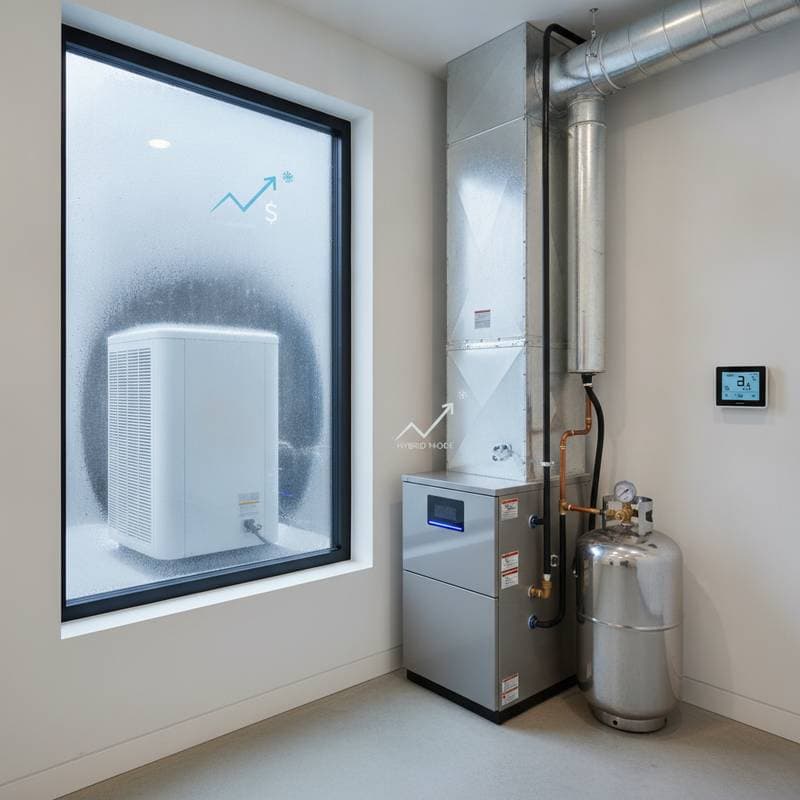
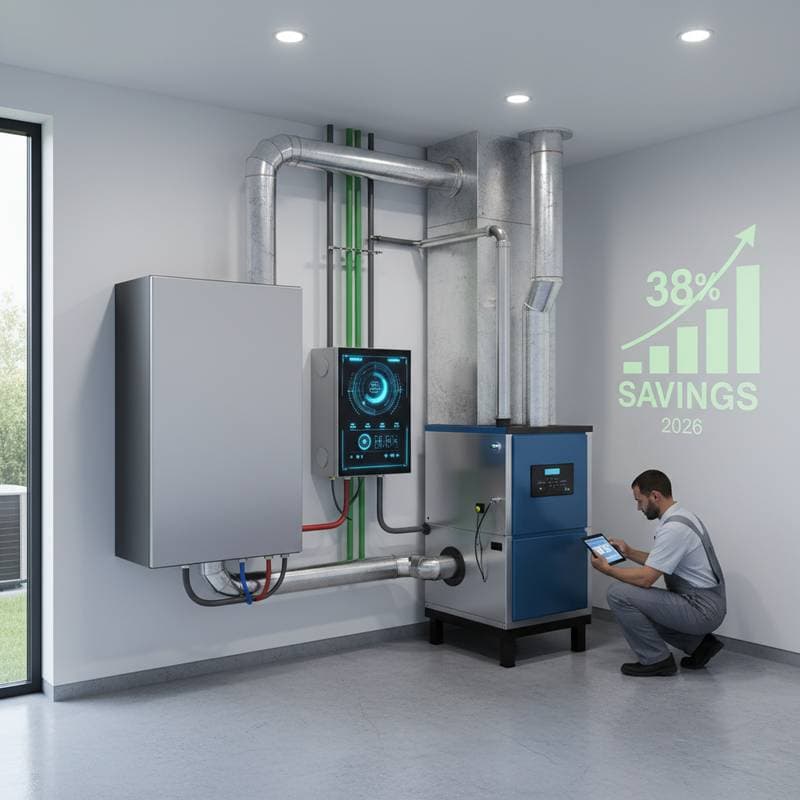
Homeowners seek reliable methods to lower utility expenses while preserving indoor comfort. A dual fuel HVAC system pairs an electric heat pump with a gas furnace. The combination automatically selects the most efficient fuel source based on outdoor conditions and can reduce annual heating and cooling costs by up to 38 percent compared with conventional equipment.
This guide outlines system operation, cost ranges, and practical steps for installation and upkeep. Readers also receive targeted questions to pose during contractor consultations.
Typical Installation Costs for Dual-Fuel Systems
Installed prices for a complete dual fuel HVAC system generally fall between 6500 and 12500 dollars. Final figures depend on home size, required capacity, and the condition of existing ductwork. Although initial outlays exceed those of single-fuel units, reduced monthly bills typically recover the difference within three to five years.
| System Type | Average Installed Cost | Efficiency Rating | Best For |
|---|---|---|---|
| Basic Dual-Fuel System | 6500 to 8000 dollars | Standard | Small to mid-size homes |
| Mid-Tier Hybrid System | 8000 to 10000 dollars | High | Homes in moderate climates |
| Premium Variable-Speed System | 10000 to 12500 dollars | Highest | Large homes or variable climates |
Key Factors That Influence Total Project Cost
System Size and Capacity
Accurate sizing begins with a professional load calculation. Oversized or undersized equipment raises operating costs and shortens service life.
Equipment Brand and Efficiency Ratings
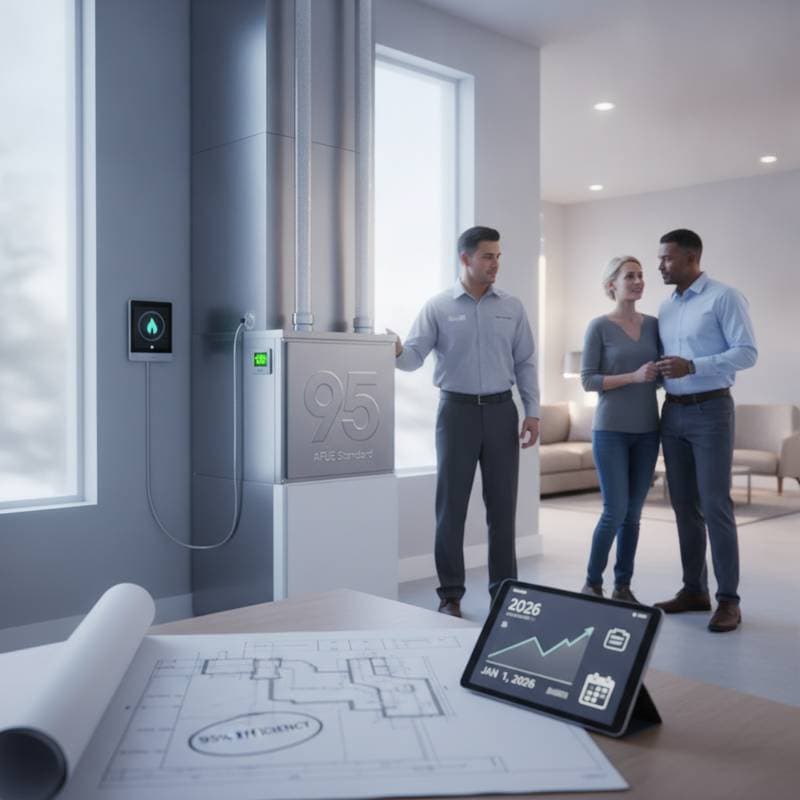
Higher SEER and AFUE values increase purchase price yet produce measurable reductions in energy use over time. Contractors can model expected savings for each available model.
Labor and Site Conditions
Ductwork repairs, electrical upgrades, or propane tank installation add to labor charges. Homes already served by natural gas lines avoid the extra expense of tank placement.
Available Rebates and Incentives
Utility programs and federal tax credits frequently offset several hundred dollars of the total investment. Homeowners should request current incentive lists before signing contracts.
Common Questions About Dual-Fuel Performance
How long does a dual-fuel HVAC system last?
Properly maintained units operate for 15 to 20 years. Scheduled inspections and timely filter replacement preserve both efficiency and longevity.
Is the investment justified in fluctuating climates?
Regions that experience mild shoulder seasons and cold winters benefit most. The heat pump handles moderate loads while the furnace activates only during peak cold spells.
How often should service occur?
Technicians recommend two visits per year. Spring maintenance prepares the cooling circuit and fall maintenance readies the heating circuit.
Will existing ductwork support the new system?
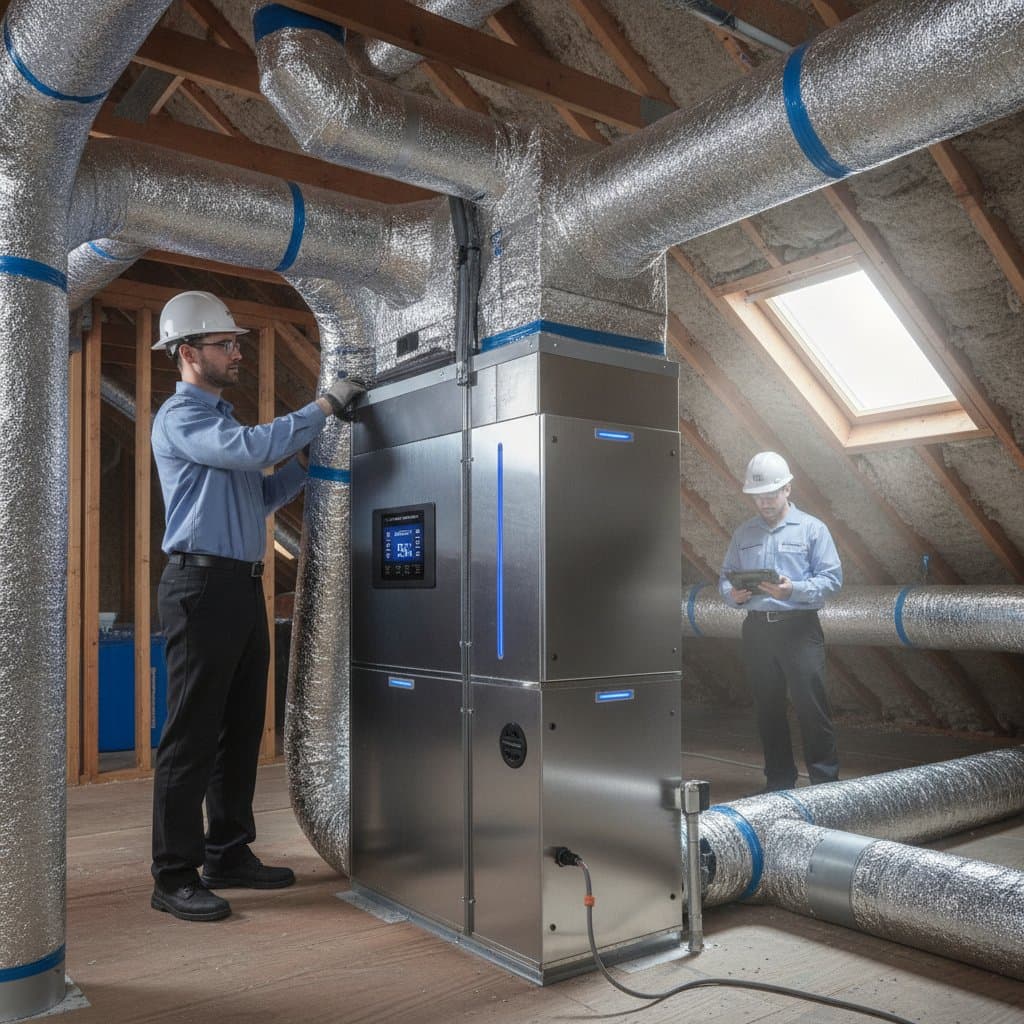
Most residences require only minor adjustments. A qualified technician measures airflow and recommends modifications when static pressure exceeds design limits.
Questions to Ask Before Signing a Contract
- What capacity and efficiency ratings suit this home and climate zone?
- Which brands provide the strongest warranty coverage for local conditions?
- How many days will installation require and what disruption should residents expect?
- Which rebates or tax credits apply and who handles the paperwork?
- What parts and labor warranty terms are included?
- Which routine maintenance tasks keep efficiency at rated levels?
- Can the present thermostat and ductwork integrate without replacement?
- What percentage reduction in energy use is projected compared with current equipment?
Steps to Secure Reliable Quotes and Long-Term Value
Obtain written proposals from at least three licensed contractors. Compare line-item pricing, efficiency data, and warranty language side by side. Verify that each proposal includes a Manual J load calculation and a clear maintenance schedule. Once installed, follow the recommended service intervals to protect both performance and savings.