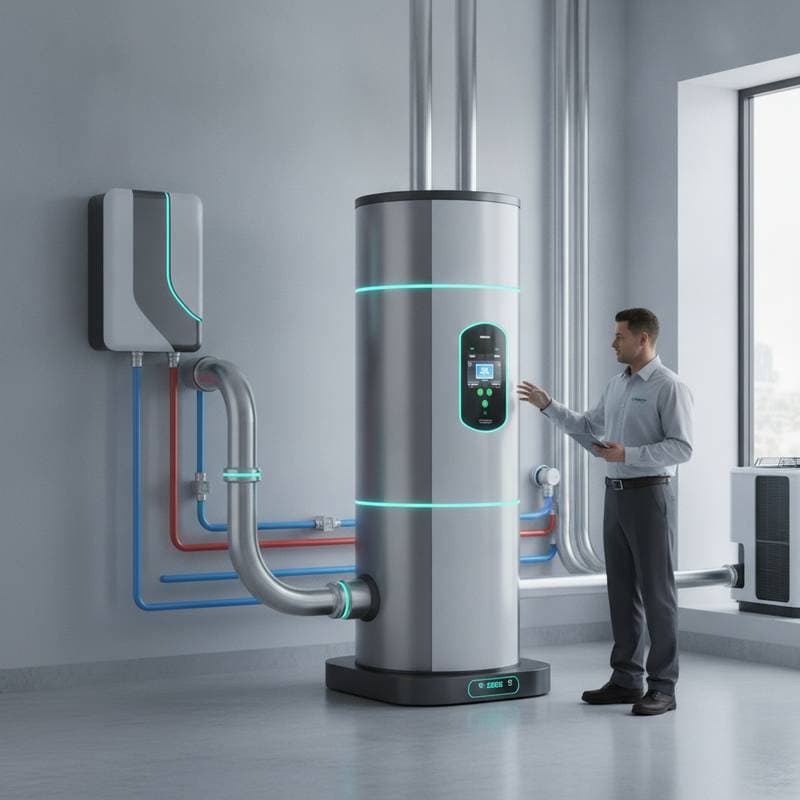
14 Cities Enforce All Electric Heating Boiler Bans by 2027
What the Shift to All Electric Heating Means for Homeowners
Fourteen major cities now require all electric heating in new buildings and renovations. This effectively bans gas and oil boilers by 2027. The change supports lower emissions and better efficiency. Homeowners need to understand new standards, compare system costs, and evaluate electric options.
This guide covers the impact of these bans, effects on heating expenses, and preparation steps for the transition.
Average Costs for Switching to Electric Heating
Costs for changing from gas or oil boilers to electric systems depend on home size, labor, and equipment type. The following table shows typical ranges.
| System Type | Average Installation Cost | Details |
|---|---|---|
| Electric Furnace | $3,000 to $7,000 | Works for most homes with existing ductwork |
| Air Source Heat Pump | $5,000 to $12,000 | Offers high efficiency and cooling capability |
| Ground Source Heat Pump | $10,000 to $25,000 | Provides strong long term savings through underground loops |
| Electric Baseboard Heaters | $1,500 to $4,000 | Suits small areas or added warmth |
Electric systems may cost more upfront than boiler replacements. They often lower operating and maintenance expenses later. Heat pumps stand out for efficiency and dual heating and cooling functions.
Factors Affecting Conversion Expenses
Several elements determine the full cost of an electric heating upgrade.
- System type: Heat pumps cost more at first but deliver higher efficiency.
- Home size and layout: Larger or multi level homes may need zoned setups.
- Electrical capacity: Older properties often require panel upgrades.
- Labor rates: Prices differ by location and installer skill.
- Insulation quality: Strong insulation lowers the needed system capacity.
- Rebates and incentives: Utilities frequently provide support for efficient upgrades.
Combining rebates with improvements like duct sealing or added insulation helps control expenses.
All Electric Heating FAQs
What happens if a city bans new boiler installations?
Regulations prevent new gas or oil boiler installations in these cities. Current systems can stay until they need replacement. New construction or major renovations must use electric heating.
Is electric heating more expensive to run?
Operating costs vary with local electricity prices and system efficiency. Efficient heat pumps frequently cut monthly expenses versus older boilers, particularly with renewable sources or special rate plans.
How long do electric heating systems last?
Electric furnaces and baseboard heaters typically operate for 15 to 20 years. Heat pumps often last 10 to 15 years with proper care. Ground source systems can exceed 20 years for the indoor components.
Are there comfort differences between electric and gas systems?
Electric systems provide steady heat without combustion. Heat pumps maintain even temperatures and improve humidity control. Some users notice less dryness in the air compared to gas heating.
Preparing Your Home for Electric Heating
Questions to Discuss with an Installer
- Which electric heating options fit my home best?
- Does my electrical panel need upgrades for the new equipment?
- Which local rebates or incentives apply?
- How much time will the installation require?
- What operating costs can I expect versus my current boiler?
- Can the system connect to solar power later?
- What warranties and service options are available?
- Will the upgrade enhance indoor air quality?
Next Steps for Homeowners Facing Boiler Bans
Contact local contractors for assessments. Review utility programs for financial support. Plan upgrades during renovations to minimize disruption. These actions position homes for reliable, efficient electric heating.