8 States Enforcing HVAC Electrification in 2026
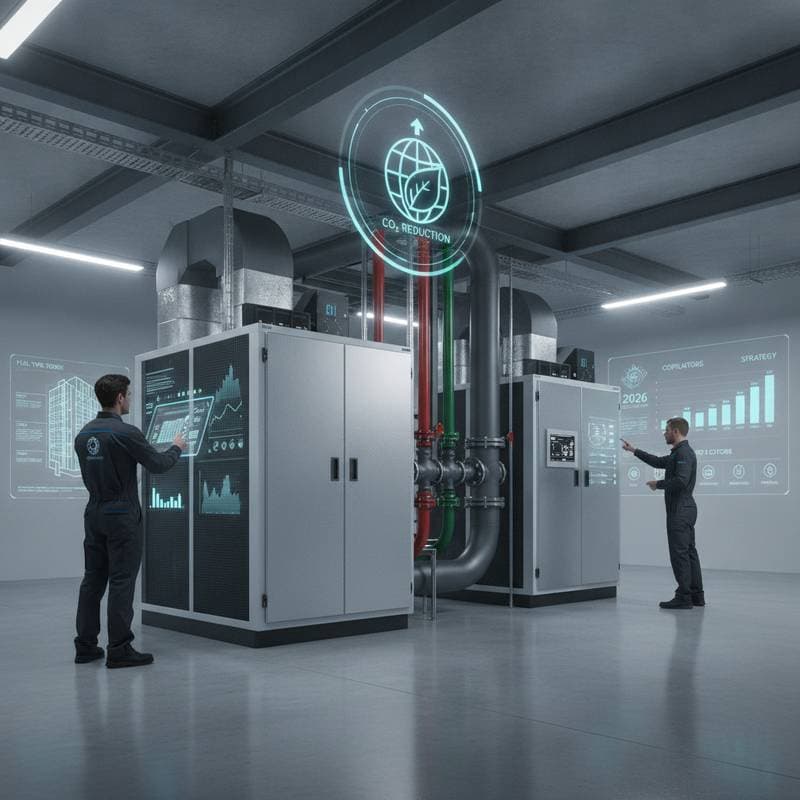
Several states will enforce full or partial HVAC electrification requirements beginning in 2026. New buildings and major renovations must install electric heat pumps or similar systems instead of gas furnaces. The goal centers on reduced carbon emissions and decreased reliance on fossil fuel heating. Homeowners and builders in affected states benefit from early planning for the transition.
- California updates statewide building codes to require all electric new construction.
- New York implements a statewide mandate that prohibits gas hookups in new homes.
- Washington revises building energy codes to require electric heat in new buildings.
- Massachusetts runs municipal pilot programs that prioritize electric first construction.
- Colorado sets energy performance standards with incentives for electric systems.
- Maryland updates climate building codes to prefer electric options.
- Oregon revises state energy codes to ensure buildings are heat pump ready.
- Vermont applies a clean heat standard that offers incentives for electrification.
These policies shape HVAC selections, energy expenses, and long term home performance. Clear understanding of electrification supports informed decisions ahead of the deadlines.
Average Cost of HVAC Electrification
Project costs for conversion from a gas furnace to an electric heat pump depend on system type, home size, and local labor rates. A complete home electrification project ranges from 10000 dollars to 22000 dollars. This total covers equipment, installation, and necessary electrical upgrades.
- Air source heat pump: 8000 dollars to 15000 dollars.
- Ductless mini split: 5000 dollars to 12000 dollars.
- Ground source heat pump: 18000 dollars to 35000 dollars.
- Electrical panel upgrade: 1500 dollars to 3000 dollars.
- Removal of gas furnace: 1000 dollars to 2500 dollars.
Electric heat pumps often deliver lower operating costs and reduced maintenance needs compared with gas systems.
Key Factors That Affect HVAC Electrification Price
Multiple variables determine final project cost. Awareness of these elements supports accurate budgeting and identification of potential savings.
Home Size and Layout
Larger homes demand greater heating and cooling capacity, which requires larger units or additional indoor components. Multi story homes or those with complex ductwork extend installation time and raise labor expenses.
Type of Heat Pump
Air source heat pumps represent the most common and affordable choice. Ground source systems achieve high efficiency yet require excavation that increases total cost. Ductless systems suit homes without existing ducts but add expense when multiple rooms need coverage.
Electrical System Upgrades
Older homes frequently require panel or service line replacement to accommodate added electrical load. These upgrades add several thousand dollars yet provide a lasting improvement to overall electrical safety.
Climate Zone
Colder regions may need high efficiency cold climate models. These units employ advanced compressors and refrigerants that sustain performance in low temperatures, though they carry higher initial prices.
Labor and Regional Pricing
Labor rates differ significantly by location. Areas with strict codes or high demand for qualified electricians incur greater installation fees. Multiple contractor quotes help secure competitive pricing.
Types of Electric HVAC Systems
Electrification standards allow several system choices. Each option presents distinct advantages suited to particular home conditions.
Air Source Heat Pumps
These units move heat between indoor and outdoor air. They install easily, operate efficiently, and deliver both heating and cooling.
-
Lower installation cost than geothermal systems.
-
Suitable performance across most climate zones.
-
Year round comfort from a single system.
-
Reduced efficiency during extreme cold.
-
Possible need for backup heat in older homes.
Ductless Mini Split Systems
Mini splits employ separate air handlers for individual rooms. They fit homes that lack ductwork and allow targeted conditioning of specific spaces.
-
High operational efficiency.
-
Zoned temperature control.
-
No requirement for duct installation.
-
Higher cost when multiple rooms are served.
-
Visible indoor units on walls.
Ground Source Heat Pumps
Ground source systems draw on stable underground temperatures. They achieve exceptional efficiency at the expense of higher upfront installation costs.
-
Superior efficiency ratings.
-
Extended equipment lifespan.
-
Quiet daily operation.
-
High installation expense.
-
Need for adequate land area for ground loops.
Hybrid Systems
Hybrid units pair an electric heat pump with a backup gas furnace. They provide operational flexibility and can limit energy costs where electricity rates are high.
-
Reliable function in varied climates.
-
Efficient performance under changing conditions.
-
Gradual transition option for existing gas homes.
-
Continued use of fossil fuel backup.
-
Increased installation complexity.
Signs You Need to Transition to Electrification
Gas systems approaching replacement age or local code updates signal the right moment to plan an upgrade.
- Furnace age exceeds ten years.
- Repeated service calls or uneven temperatures occur.
- Gas energy bills continue to rise.
- Local codes begin to require electric options.
- Carbon footprint reduction is a priority.
- Affordable natural gas access is unavailable.
Early preparation positions homeowners to capture rebates and avoid rushed installation expenses.
The HVAC Electrification Process
Residents in the eight affected states follow a standard sequence when completing an upgrade.
- A licensed HVAC professional assesses current equipment, electrical capacity, and insulation.
- System selection matches home size and climate to the most efficient heat pump option.
- An electrician completes any required panel upgrade to meet code.
- The existing gas furnace and lines are disconnected and removed safely.
- The new electric system is installed, connected, and tested.
- Airflow, pressure, and temperatures are balanced for peak efficiency.
- Inspectors confirm compliance with state and local energy codes.
HVAC Labor Costs for Electrification
Labor accounts for 30 to 50 percent of total project cost. Certified contractors charge 75 dollars to 150 dollars per hour. Full home conversions typically incur 4000 dollars to 8000 dollars in labor alone.
- Access conditions for ductwork or crawl spaces.
- Extent of electrical rewiring and panel work.
- Specific system type selected.
- Permit and inspection requirements.
Contractors experienced with electrification deliver compliant, high performance results.
Frequently Asked Questions About HVAC Electrification
What does HVAC electrification mean?
HVAC electrification replaces gas furnaces and similar equipment with electric heat pumps. The change reduces emissions and raises building energy performance.
Why are states enforcing HVAC electrification?
States adopt these rules to lower greenhouse gas emissions and reach clean energy targets. Renewable powered electric systems decrease dependence on natural gas.
Will I be required to replace my existing furnace?
Current rules apply mainly to new construction and major renovations. Replacement becomes necessary only when an existing furnace fails and local codes mandate an electric substitute.
Are heat pumps efficient in cold climates?
Modern cold climate models maintain strong performance in freezing conditions through improved compressors and refrigerants.
What incentives are available for electrification?
States and utilities provide rebates, tax credits, and financing that can lower installation costs by several thousand dollars.
How long does a heat pump last?
Air source models operate 12 to 20 years. Geothermal systems exceed 25 years with routine maintenance.
Should I upgrade my insulation before electrifying?
Improved insulation reduces the required system capacity and lowers long term energy use. An energy audit identifies the most cost effective insulation improvements before equipment selection.
Planning Your Electrification Upgrade
Homeowners in the eight states gain advantage by scheduling an energy audit, confirming electrical capacity, and reviewing current rebates. These steps produce a compliant, efficient system that controls future energy costs.