Understanding Cold-Climate Heat Pumps
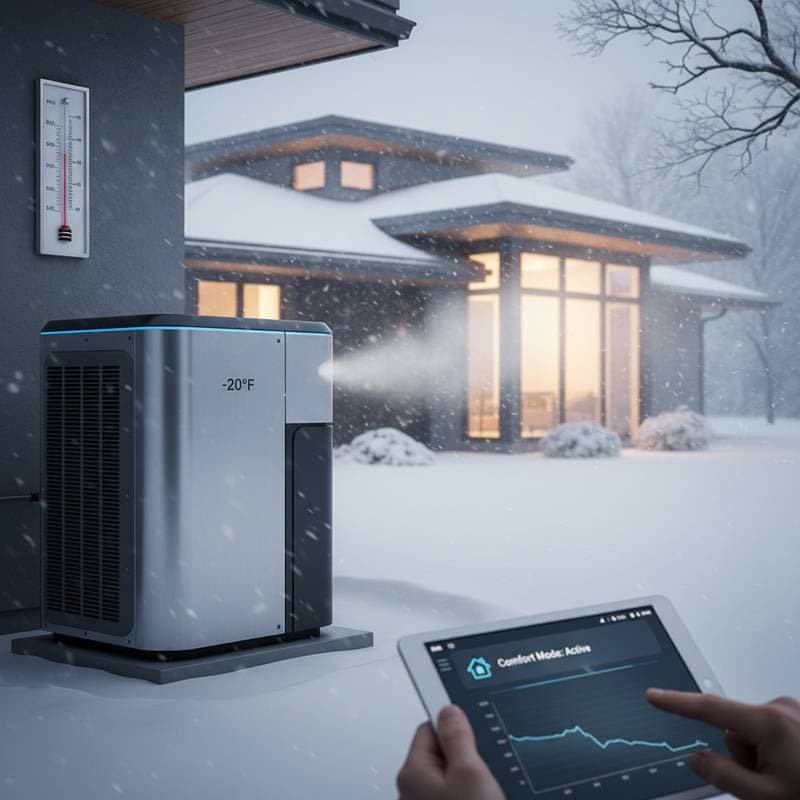
Traditional heat pumps often struggle in frigid weather, losing efficiency as temperatures plummet. Cold-climate heat pumps address this limitation through engineering innovations that maintain performance in extreme cold. These systems extract heat from outdoor air even at -20°F or lower, offering a dependable solution for regions with severe winters.
The core advantage lies in their ability to reduce reliance on supplemental heating. Homeowners in northern climates previously depended on gas furnaces or electric resistance heaters during peak cold snaps. With cold-climate models, such backups become optional, leading to lower utility bills and fewer emissions.
Efficiency ratings highlight their superiority. These units often achieve heating seasonal performance factors (HSPF) exceeding 10, meaning they produce more than three times the heat energy compared to the electricity they consume. This performance holds steady across a wide temperature range, unlike standard heat pumps that falter below freezing.
Key Features Driving Reliability
Advanced components set cold-climate heat pumps apart. Inverter-driven compressors adjust speed dynamically to match heating demands, preventing the on-off cycling that wastes energy in conventional systems. Low-temperature refrigerants, such as R-410A or newer eco-friendly alternatives, enable heat extraction from air that feels bitterly cold.
Variable-speed fans further enhance operation. They optimize airflow to minimize frost buildup on outdoor coils, a common issue in icy conditions. Some models incorporate defrost cycles that activate briefly to clear ice without interrupting indoor warmth.
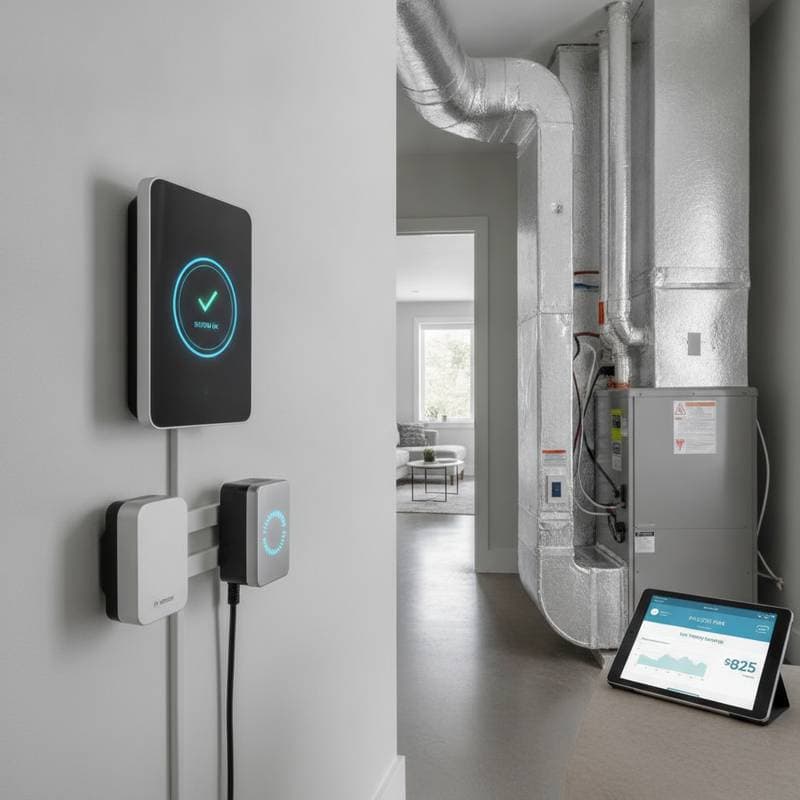
Smart technology integrates seamlessly. Built-in sensors monitor outdoor temperatures and adjust operations accordingly. Many systems connect to home automation platforms, allowing remote control and predictive maintenance alerts. This connectivity ensures consistent performance and alerts owners to potential issues before they escalate.
System Types and Sizing Considerations
Air-source heat pumps dominate the cold-climate category, drawing heat from ambient air. Ground-source, or geothermal, variants offer even greater efficiency by tapping stable underground temperatures, though they require more upfront investment for excavation. Ductless mini-splits provide zoned heating, ideal for homes without existing ductwork.
Proper sizing prevents underperformance. A unit too small strains to heat the space, while an oversized one cycles inefficiently. Professionals calculate needs based on home square footage, insulation quality, window efficiency, and local climate data. For a typical 2,000-square-foot home in a cold region, a 3- to 4-ton system often suffices.
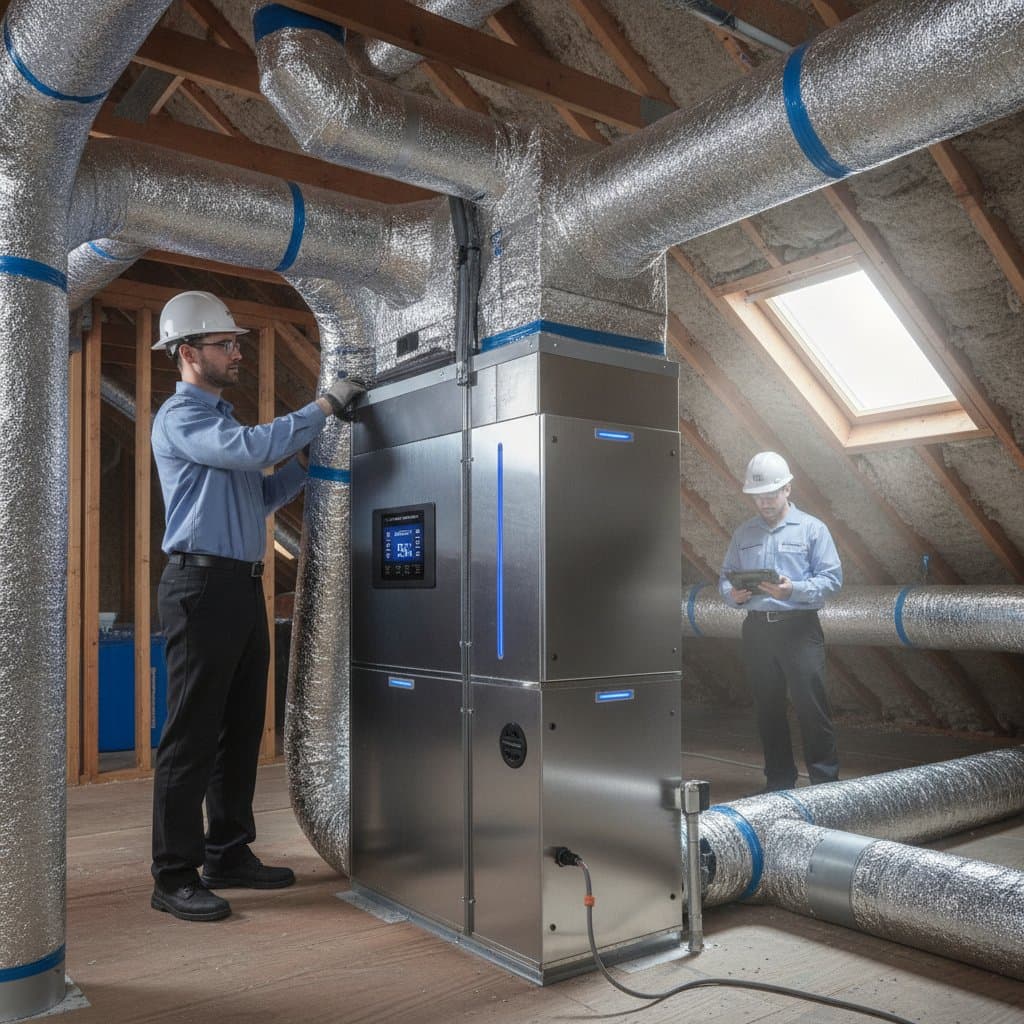
Installation factors influence longevity and efficiency. Certified technicians assess site conditions, such as wind exposure for outdoor units and airflow paths for indoor components. They ensure refrigerant lines insulate adequately to prevent heat loss. Choosing a certified installer with experience in cold-climate systems ensures proper setup and long-term reliability.
Costs, Incentives, and Return on Investment
Initial costs for cold-climate heat pumps range from $9,000 to $15,000, including installation. Factors like system capacity, home modifications, and regional labor rates affect the total. Ductless options may start lower, around $5,000 for a single-zone setup, while geothermal systems can exceed $20,000.
Federal incentives offset expenses. The Inflation Reduction Act provides tax credits up to $2,000 for qualifying heat pumps, plus rebates through programs like ENERGY STAR. State and utility rebates further reduce out-of-pocket costs, often covering 30 percent or more.
Long-term savings justify the investment. These systems cut heating bills by 30 to 50 percent compared to oil or propane furnaces. Payback periods typically span 5 to 10 years, depending on energy prices and usage patterns. Beyond finances, they lower carbon footprints, aligning with sustainability goals.
Frequently Asked Questions About Cold-Climate Heat Pumps
How do cold-climate heat pumps work in freezing temperatures?
Cold-climate heat pumps employ advanced inverter compressors and specialized refrigerants to pull heat from outdoor air during extreme cold. The refrigerant circulates through evaporator coils outside, absorbing available thermal energy despite low temperatures. This heat undergoes compression to raise its intensity, then moves indoors via the condenser for distribution through ducts or air handlers.
Do I still need a backup heating source?
Many cold-climate systems operate independently in subzero weather, eliminating the need for backups. However, some installations include a small electric strip heater or gas furnace for rare extreme events. Dual-fuel configurations switch automatically between the heat pump and backup, prioritizing the most efficient option based on temperature and cost.
How energy efficient are these systems?
These heat pumps boast high efficiency metrics, with heating seasonal performance factors (HSPF2) above 10 and seasonal energy efficiency ratios (SEER2) exceeding 18 for cooling. Such ratings indicate they generate three to four units of heat per unit of electricity, even under harsh conditions. This outperforms traditional systems and contributes to significant annual savings.
Are cold-climate heat pumps noisy?
Contemporary designs prioritize quiet operation through variable-speed fans and compressors that modulate rather than start and stop abruptly. Outdoor units register sound levels around 50 decibels, comparable to a quiet conversation or refrigerator hum. Indoor air handlers produce minimal noise, often below 30 decibels, ensuring undisturbed home environments.
How long do cold-climate heat pumps last?
Expect a lifespan of 15 to 20 years with diligent care. Factors like quality installation, moderate usage, and routine servicing extend durability. Harsh environments may shorten life slightly, but robust construction withstands corrosion and wear better than older models.
Can a cold-climate heat pump provide cooling too?
Yes, these units function as full air-source heat pumps, offering cooling in warmer months. The refrigeration cycle reverses, extracting indoor heat and expelling it outside. High SEER2 ratings ensure efficient performance, making them versatile for year-round climate control.
What maintenance do they require?
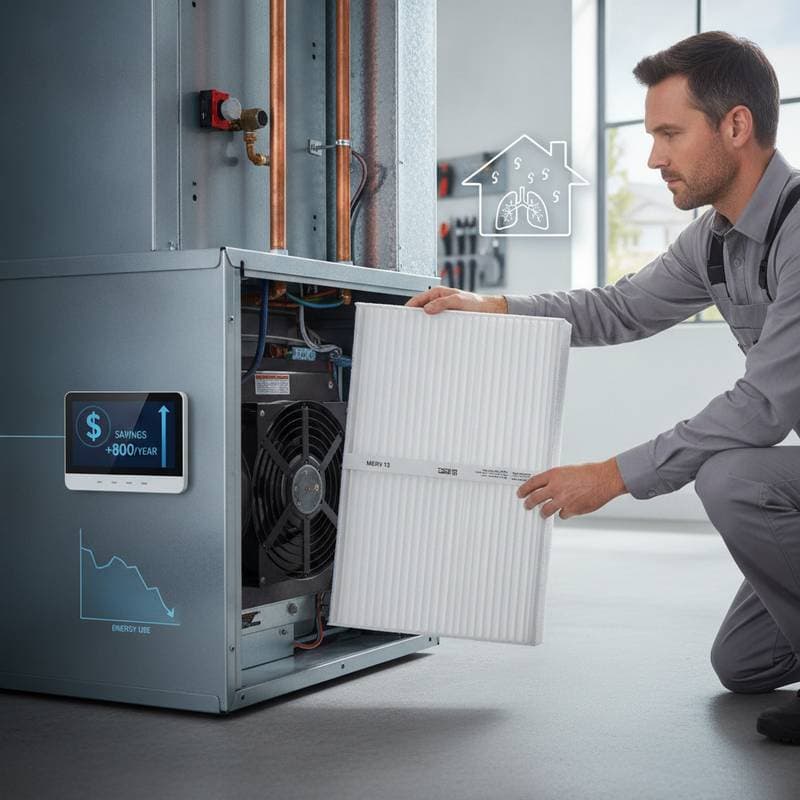
Routine tasks include replacing air filters every one to three months and clearing debris from outdoor coils seasonally. Professionals check refrigerant charges and electrical connections annually. Such upkeep preserves efficiency, upholds warranties, and prevents costly repairs.
Steps to Upgrade Your Heating System
Residents facing prolonged harsh winters benefit greatly from installing a cold-climate heat pump. These units supply steady warmth below zero, surpassing outdated furnaces or boilers in efficiency and reliability. They enhance indoor comfort while trimming energy expenses over time.
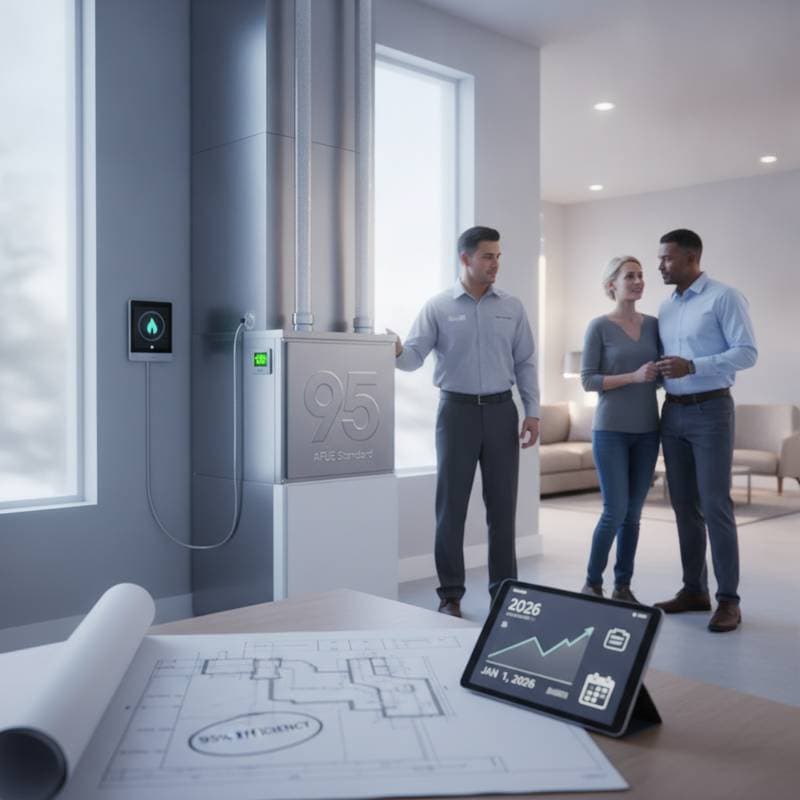
Start by consulting certified HVAC specialists experienced in cold-climate installations. Request assessments from at least three professionals to compare quotes and approaches. Verify credentials through organizations like NATE or ACCA to guarantee expertise.
During evaluation, discuss your home's specifics: current heating setup, insulation levels, and energy goals. Technicians will recommend suitable models and calculate potential savings. Proceed with installation during milder seasons to minimize disruption.
Post-installation, monitor performance through the system's diagnostics. Schedule annual maintenance to sustain peak operation. This upgrade not only modernizes your home but also positions it for future energy independence and environmental responsibility.