Reduce Heating Costs by 38 Percent with Dual-Fuel Hybrid Systems
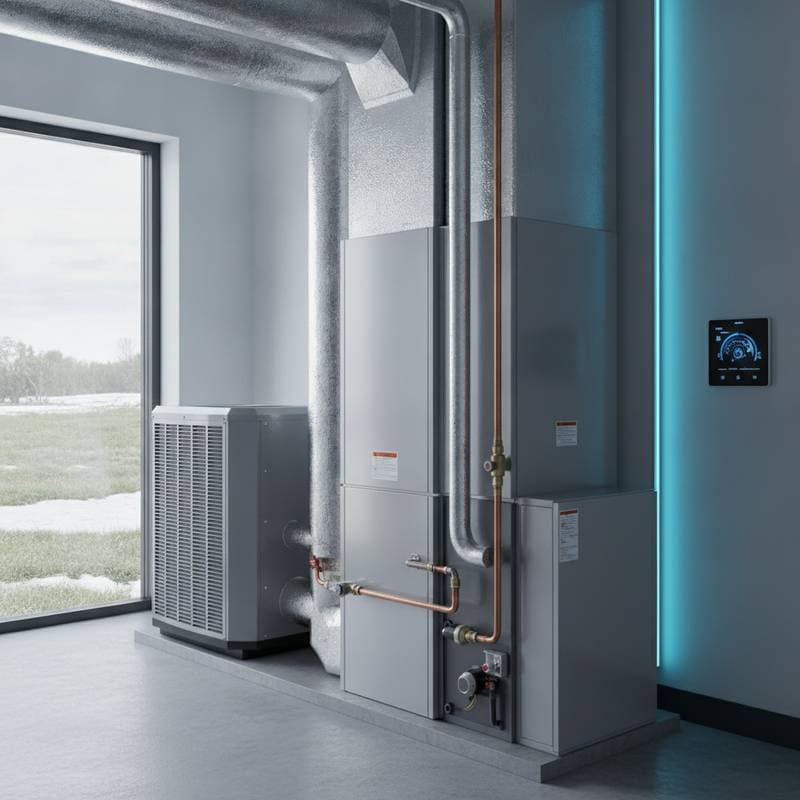
Homeowners seeking to decrease heating expenses while maintaining consistent comfort often find dual-fuel hybrid systems to be an effective solution. These systems enable reductions in heating costs by as much as 38 percent when compared to traditional furnaces. This article details the operation of dual-fuel hybrids, associated expenses, and the reasons behind their substantial energy savings.
| Item | Average Cost |
|---|---|
| National Average Cost | $8,000 - $12,000 |
| Typical Price Range | $6,500 - $14,000 |
| Extreme High-End | $16,000+ |
| Extreme Low-End | $5,500 |
Factors Influencing the Cost of Dual-Fuel Hybrid Systems
Multiple elements determine the expense of installing a dual-fuel hybrid system. Gaining insight into these components allows for precise budgeting and informed choices.
System Size and Capacity
Larger homes demand greater heating capacity from the system. Dual-fuel setups measure cooling in tons and heating in BTUs. Selecting an oversized unit leads to energy inefficiency, whereas an undersized one results in inadequate warmth. Engage a professional to perform a load calculation for an optimal fit.
Brand and Equipment Quality
Systems from established brands featuring superior compressors and efficient furnaces command higher initial prices. Such options typically operate with less noise and offer extended durability. More affordable brands deliver reliable performance when installed correctly, though they might omit features like variable-speed motors that enhance comfort.
Energy Efficiency Ratings
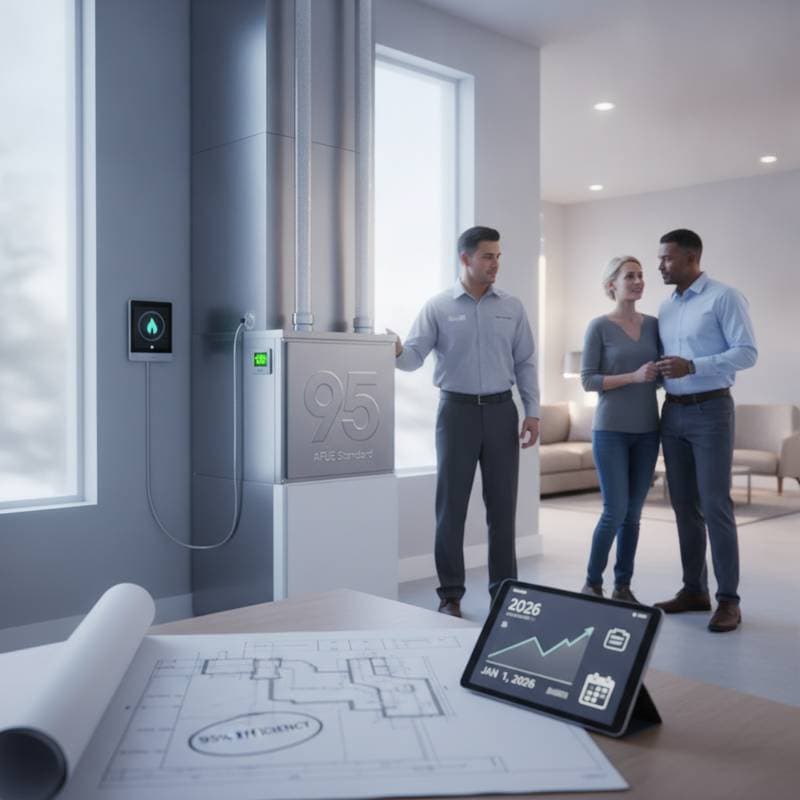
Examine SEER2 ratings for cooling efficiency and AFUE ratings for furnace performance. Elevated ratings indicate reduced energy consumption. Systems achieving SEER2 ratings exceeding 16 and AFUE ratings above 95 percent yield notable decreases in utility expenses throughout the year.
Installation Complexity
Projects requiring new ductwork, gas line modifications, or electrical enhancements incur elevated labor fees. Residences with pre-existing compatible infrastructure demand minimal adjustments, thereby lowering overall expenditures.
Local Climate Considerations
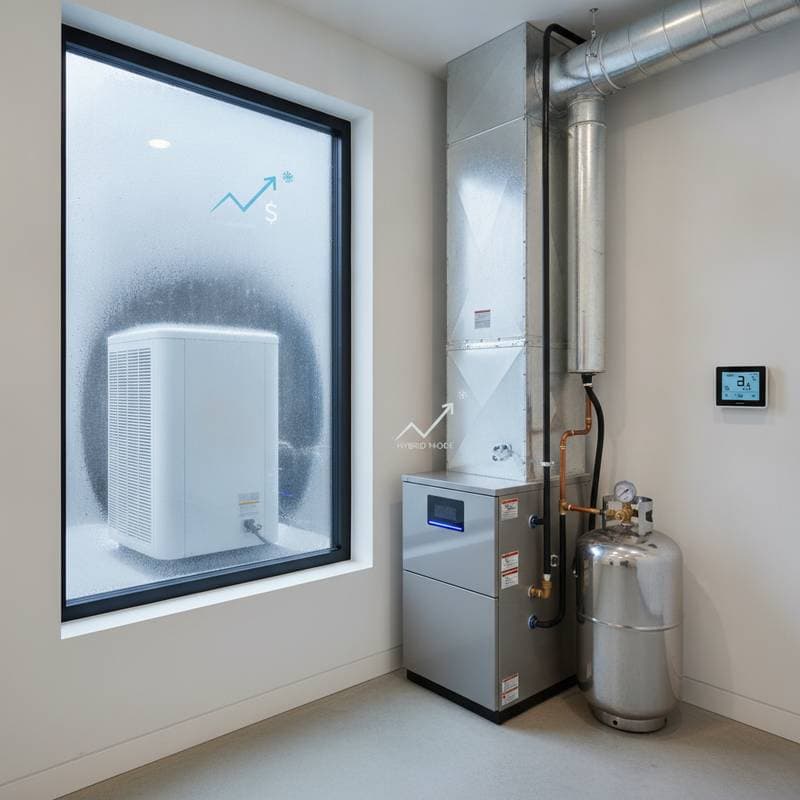
In temperate areas, the heat pump component operates predominantly, delivering cost-effective electric heating. Harsher winters shift reliance toward the gas furnace. This interplay between electricity and gas usage impacts both immediate savings and ongoing operational costs.
Indicators That Suggest Upgrading to a Dual-Fuel System
Observe your current heating setup for performance issues or escalating expenses, which may signal the need for a hybrid upgrade. Common indicators include the following:
- Inconsistent temperatures across different rooms
- Progressively higher heating bills each season
- Frequent cycling or excessive noise from the furnace
- Heat pump inefficiency during subfreezing conditions
- Aging equipment approaching the end of its service life
- Desire to minimize environmental impact while preserving indoor comfort
Labor Expenses for Dual-Fuel System Installation
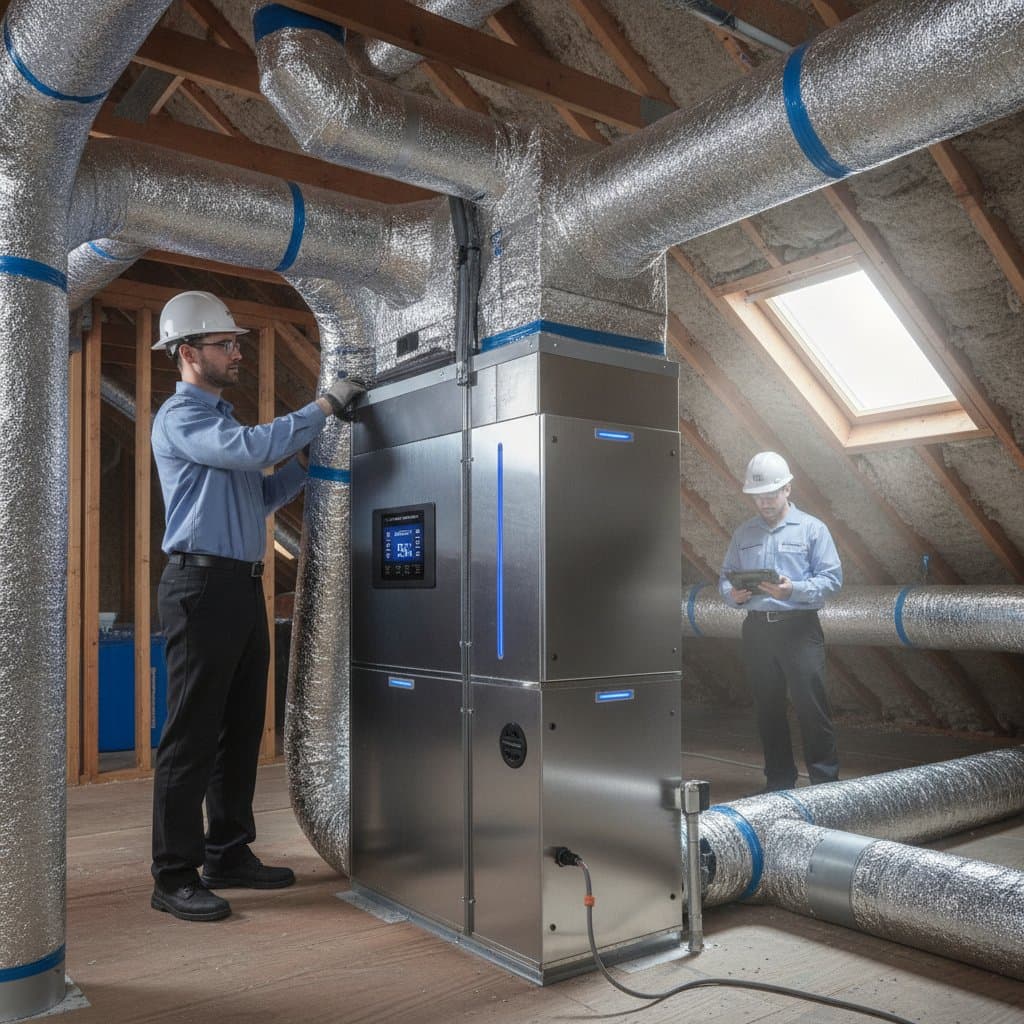
Installation labor for dual-fuel hybrids generally falls between $2,000 and $4,000. This fee covers several essential tasks:
- Dismantling and removal of existing equipment
- Positioning and securing both the heat pump and furnace units
- Connecting electrical wiring and gas lines
- Modifying ductwork as necessary
- Conducting thorough testing and calibration
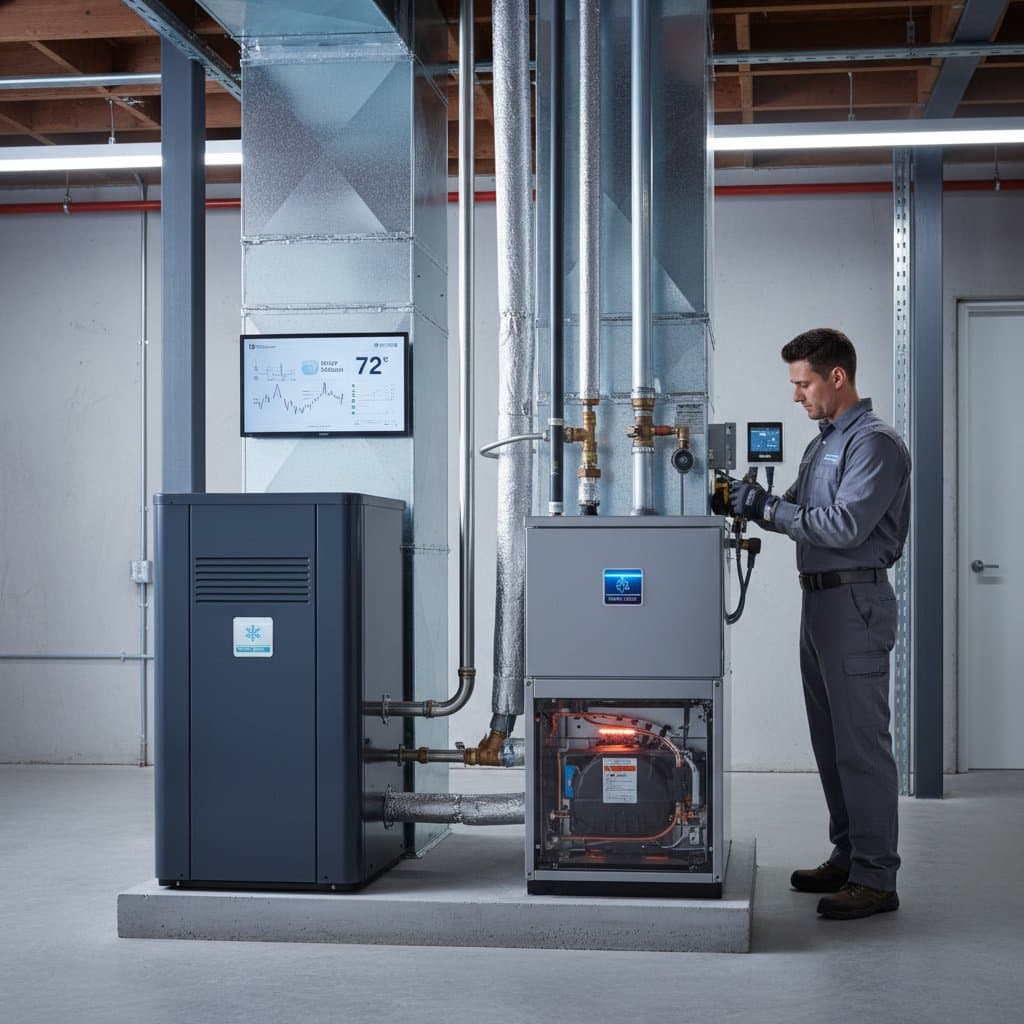
Select a certified HVAC technician to oversee the process. Expert installation maximizes efficiency and longevity, preventing issues that could diminish savings or accelerate wear.
Frequently Asked Questions on Dual-Fuel Hybrid Systems
How Does a Dual-Fuel System Determine Fuel Switching?
An integrated outdoor temperature sensor paired with thermostat controls manages the transition. When ambient temperatures fall below a designated threshold, the system activates the gas furnace to supplement or replace the heat pump, ensuring optimal performance.
Is Compatibility Possible with Existing Ductwork?
Most installations integrate seamlessly with current ducts, provided they are appropriately sized and sealed. A qualified contractor evaluates the duct system prior to proceeding.
Does the System Provide Cooling Capabilities?
The heat pump functions as an air conditioner during warmer months, delivering comprehensive heating and cooling from a unified setup.
What Level of Energy Bill Savings Is Realistic?
Homeowners typically achieve up to 38 percent reductions relative to standalone gas furnaces. Actual savings vary based on regional energy prices, weather patterns, and equipment efficiency.
Do Dual-Fuel Systems Promote Environmental Benefits?
These systems reduce natural gas consumption by prioritizing electric heat pumps for milder conditions, thereby decreasing overall carbon emissions from the household.
What Maintenance Do Dual-Fuel Systems Require?
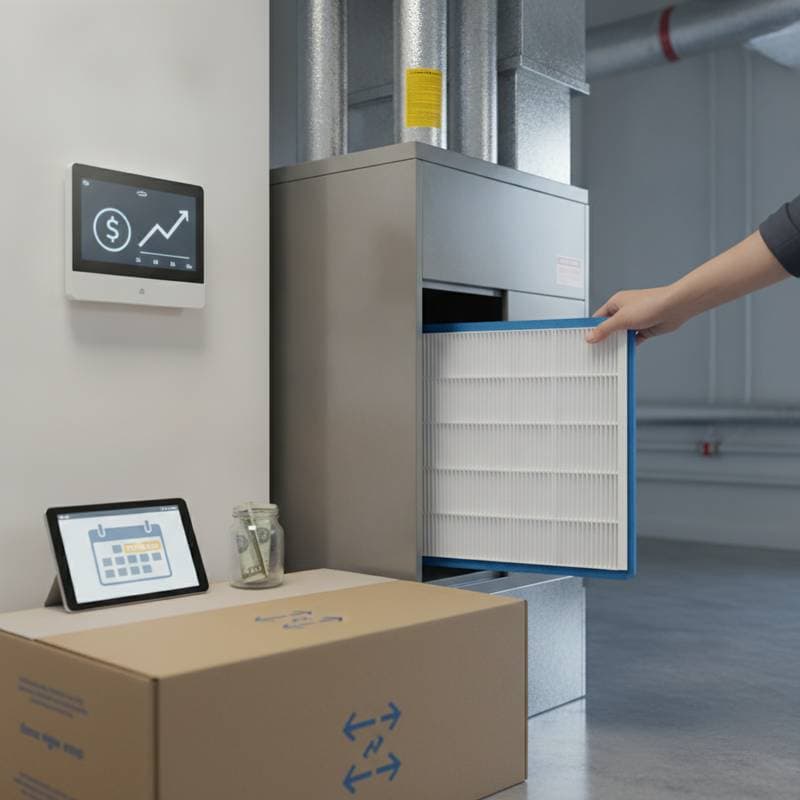
Routine care mirrors that of conventional HVAC units. Arrange biannual professional tune-ups to sustain peak operation of both components.
Steps to Achieve Energy Savings Through Hybrid Heating
Transitioning to a dual-fuel hybrid system positions homeowners for reliable comfort and financial benefits. Begin by assessing your current setup against the indicators outlined earlier. Consult local HVAC experts to obtain tailored quotes and efficiency projections. With proper selection and installation, this upgrade delivers lasting reductions in heating costs and environmental impact.