Breakthrough Heat Pump Technology for Extreme Cold
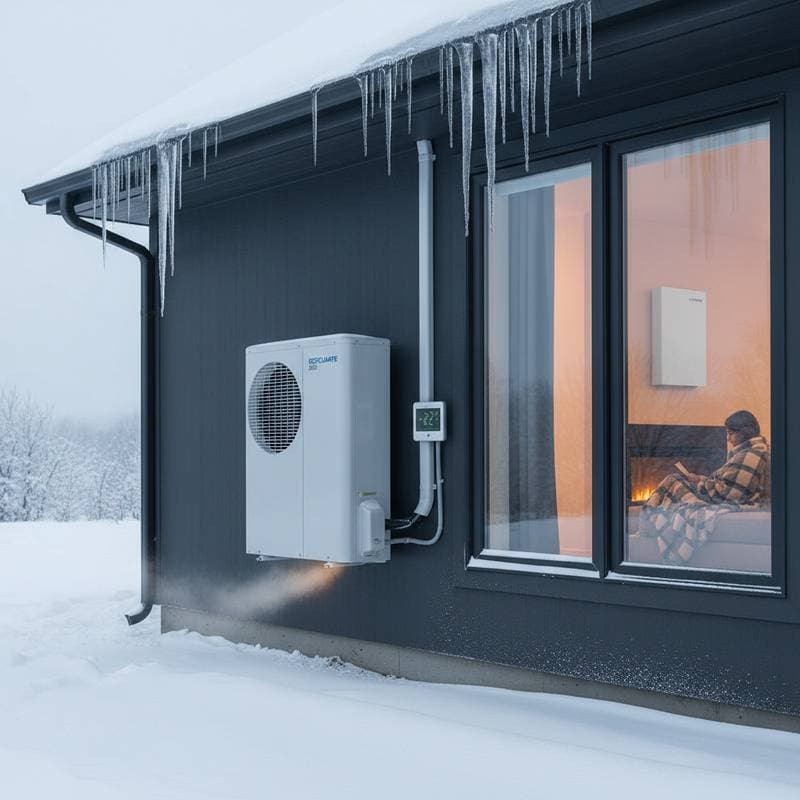
Modern heat pump systems now deliver reliable heating performance at outdoor temperatures as low as minus 22 degrees Fahrenheit. These units rely on advanced refrigerants, variable speed compressors, and intelligent defrost cycles to extract usable heat from cold air. Homeowners in regions with severe winters gain an efficient electric alternative to furnaces and boilers.
| Feature | Description |
|---|---|
| Lowest Operating Temperature | As low as -22 degrees Fahrenheit |
| Average Heating Efficiency | 300 percent or higher |
| Energy Source | Electricity only |
| Ideal For | Cold or mixed climates |
| Lifespan | 15 to 20 years |
| Estimated Cost Range | 8000 to 14000 dollars installed |
Average Installed Costs for Cold Climate Models
Cold climate heat pumps carry higher upfront prices than standard air source units because of specialized components and engineering. Installed costs typically fall between 8000 and 14000 dollars. Final pricing depends on home size, required capacity, and added features such as smart controls or dual fuel capability.
Cost Comparison by System Type
| System Type | Average Installed Cost | Typical Efficiency |
|---|---|---|
| Standard Air Source Heat Pump | 6000 to 10000 dollars | SEER2 15 to 17, HSPF2 8 to 9 |
| Cold Climate Heat Pump | 8000 to 14000 dollars | SEER2 18 to 22, HSPF2 10 to 12 |
| Ductless Mini Split Cold Ready | 4000 to 9000 dollars per zone | SEER2 20 plus, HSPF2 11 plus |
Higher efficiency ratings reduce monthly energy use. The savings often recover the initial investment over several heating seasons.
Variables That Influence Total Project Cost
Multiple factors determine the final price of a cold climate heat pump installation. Awareness of these elements supports accurate budgeting.
Capacity and Home Size
Equipment capacity is rated in tons. Smaller residences may require a two ton unit while larger properties need four or five tons. Accurate sizing through a professional load calculation prevents inefficiency and comfort issues.
Brand Selection and Component Quality
Premium manufacturers charge more for robust compressors and durable materials. These models operate more quietly and sustain output during subzero conditions.
Efficiency Ratings
Look for high SEER2 and HSPF2 values. Variable speed inverter technology maintains steady temperatures while minimizing electricity consumption.
Installation Requirements
Existing ductwork reduces labor time. Homes without ducts or those converting from boilers require additional work. Ductless systems simplify placement yet may need multiple indoor units for whole house coverage.
Available System Configurations
Several designs suit extreme winter conditions.
- Air source cold climate heat pump: compatible with existing ducts and straightforward to install, though capacity may decline below minus 22 degrees Fahrenheit.
- Ductless mini split: provides zoned comfort and quiet operation, yet multiple heads raise expense in large homes.
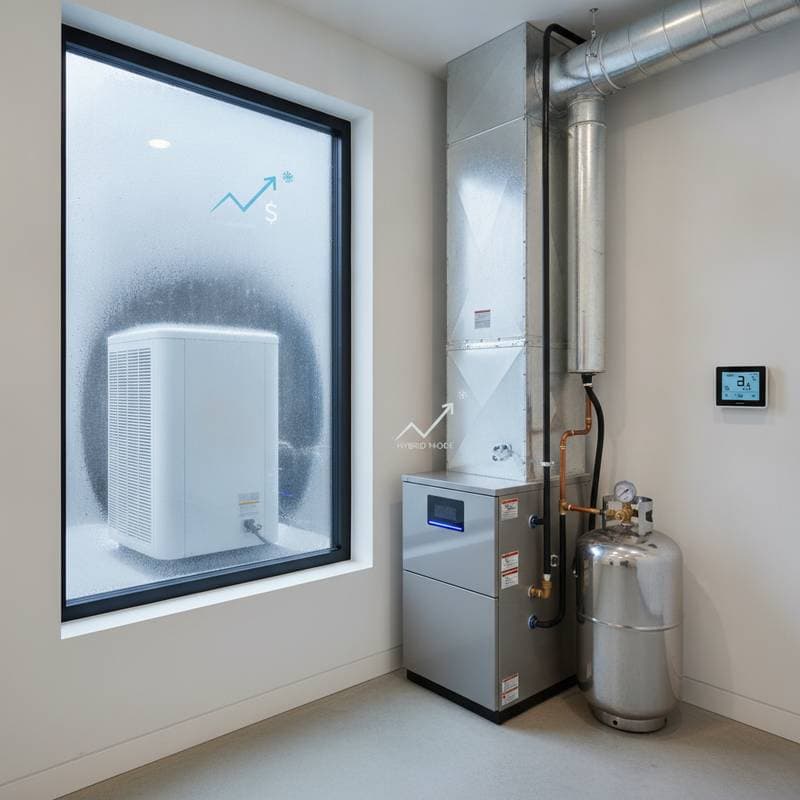
- Dual fuel combination: pairs heat pump efficiency with furnace backup, requiring both gas and electric service.
Indicators That Point Toward Replacement
Consider a cold climate heat pump when current equipment shows these patterns:
- Repeated service calls or weak heat delivery
- Temperature differences between rooms
- Rising utility costs each winter
- Heating system older than ten years
- Interest in lowering household emissions
Installation Sequence
- Perform a whole home energy assessment to calculate loads.
- Select equipment that matches size, efficiency goals, and budget.
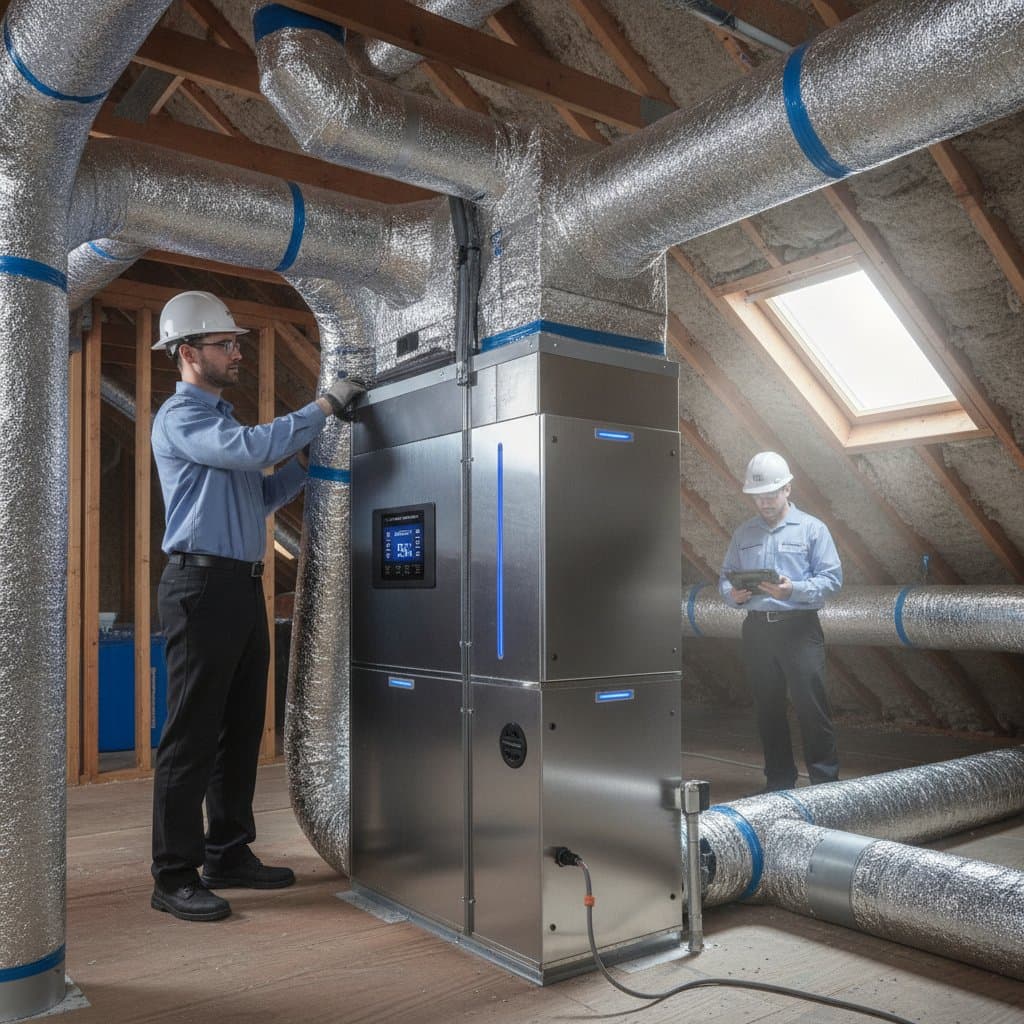
- Inspect and prepare ductwork for proper airflow.
- Mount outdoor and indoor components.
- Charge refrigerant and verify operation.
- Calibrate controls and review maintenance steps with the homeowner.
Frequently Asked Questions
How does a heat pump extract heat below zero?
Enhanced vapor injection compressors and specialized refrigerants allow the system to capture and concentrate heat energy from very cold outdoor air before releasing it indoors.
Is auxiliary heat required?
Many installations include electric resistance or gas backup for rare periods below minus 22 degrees Fahrenheit. In most climates the heat pump alone meets demand for the majority of the season.
Are these systems loud during operation?
Variable speed compressors and fans adjust output gradually, producing only a low continuous sound rather than abrupt on off cycles.
Will operating costs decrease?
Because the equipment moves existing heat instead of generating it through combustion, it can supply three times more thermal energy than the electricity consumed, often lowering monthly bills.
What is the expected service life?
With scheduled maintenance these systems commonly operate 15 to 20 years while retaining rated performance.
Can the same unit provide summer cooling?
All heat pumps reverse operation to deliver air conditioning, supplying year round comfort from one piece of equipment.
Planning Your Upgrade
Schedule a load calculation with a qualified contractor, compare efficiency ratings across models, and review available incentives before final selection.