8 States Ban Electric Heat Strips for Heat Pumps by 2026
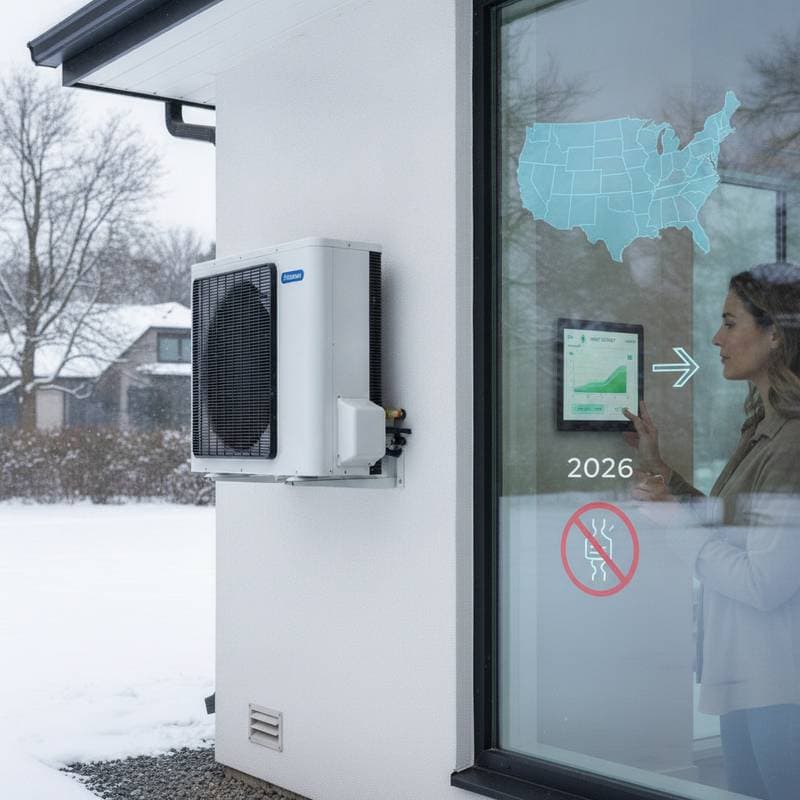
Homeowners across the country encounter new energy rules that affect heating systems. Eight states will ban electric heat strips for heat pumps by 2026. This guide explains the change, its reasons, and preparation steps for efficient home heating.
What Electric Heat Strips Do
Electric heat strips serve as backup elements inside many heat pumps. They activate when outdoor temperatures fall too low for the heat pump to extract sufficient warmth from the air. These strips consume large amounts of electricity through direct resistance, unlike the main heat pump cycle.
States now restrict these components to cut energy waste and ease pressure on power grids during peak demand.
Reasons for the Statewide Restrictions
Regulators target electric resistance heat because it ranks among the least efficient heating methods. The policy supports several goals.
- States promote high-efficiency equipment that delivers comfort with lower power use.
- Utilities avoid sudden demand spikes that occur when many systems engage resistance backup during cold weather.
- Reduced resistance heating lowers emissions from power plants that rely on fossil fuels.
- Manufacturers accelerate development of advanced compressors and refrigerants.
The rules focus on new installations and major replacements rather than systems already in service.
Effects on Homeowners
Existing heat pumps with electric strips remain usable. New installations must meet updated efficiency standards without sole reliance on resistance backup.
Contractors will specify compliant equipment. Older models may exit the market. Replacement parts for legacy units could become scarce later. Long-term energy costs typically decline with higher-efficiency systems.
Stronger Heating Alternatives
Several proven options replace electric heat strips while preserving comfort.
Cold-Climate Heat Pumps
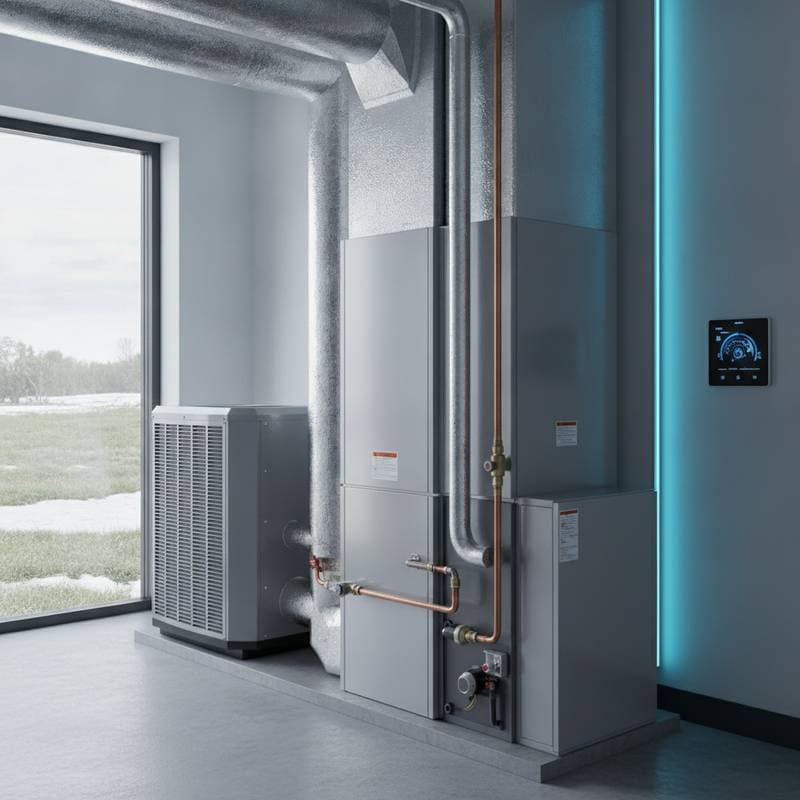
These units maintain capacity at low temperatures through improved compressors and refrigerants. Many operate effectively below freezing without resistance support.
Dual-Fuel Configurations
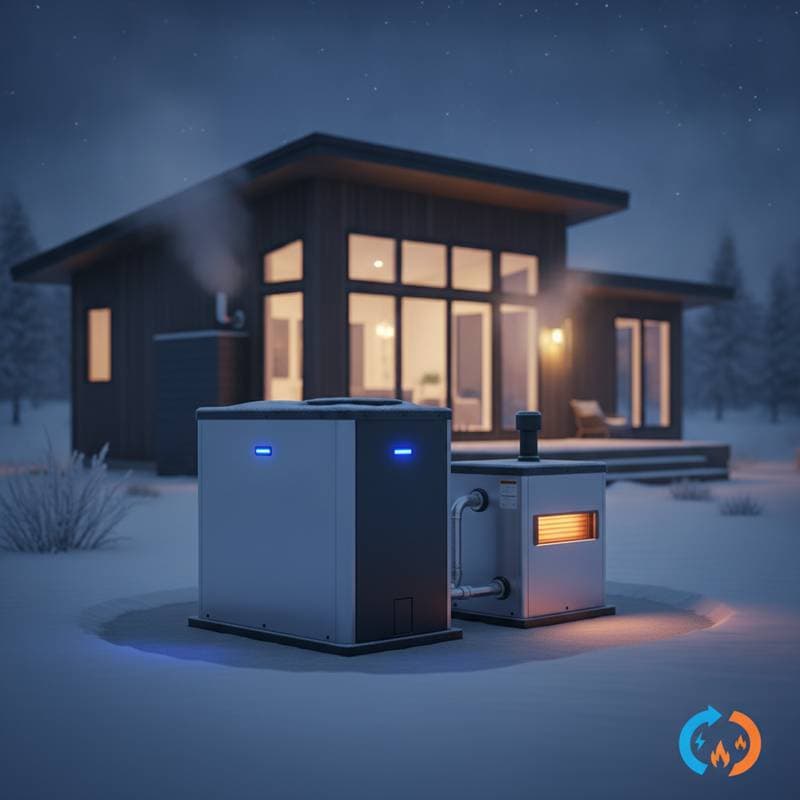
A heat pump pairs with a gas furnace. The heat pump manages moderate conditions. The furnace engages only during extreme cold.
Variable-Speed Models
Compressors adjust output continuously to match the home load. This approach reduces energy use and temperature swings.
Hydronic and Geothermal Systems
Water-based or ground-source designs transfer heat without resistance elements. They require higher initial investment and professional design.
Selection Factors for Your Home
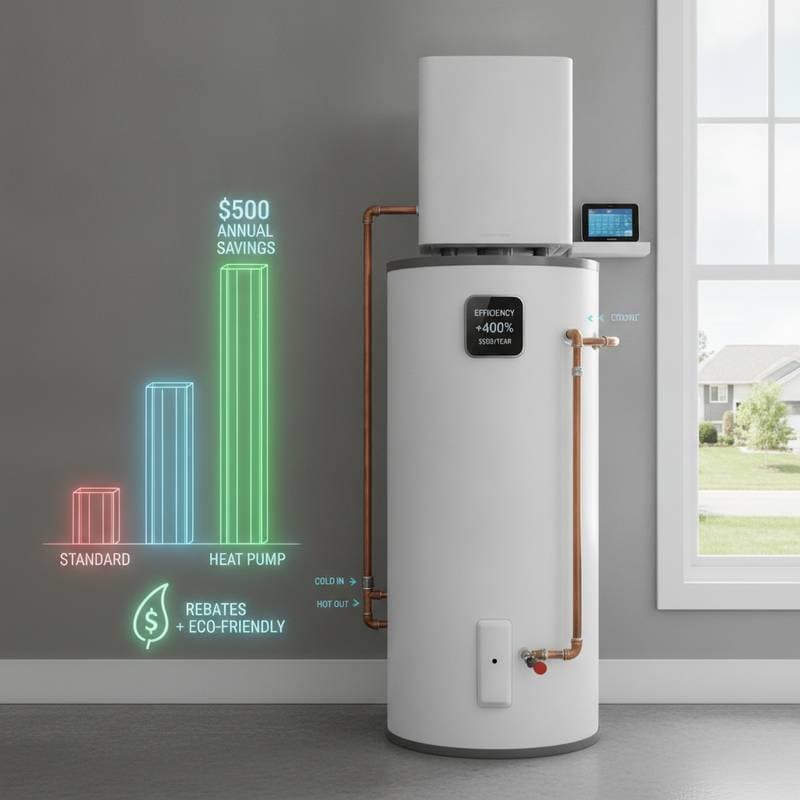
Climate, home size, insulation quality, and available fuel sources guide the choice. Cold regions often favor dual-fuel or geothermal setups. Moderate areas suit advanced electric heat pumps. Local rebates and tax credits frequently offset upgrade costs.
Preparation Steps for Homeowners
Schedule a professional evaluation of your current system and insulation. Review utility and state incentive programs that support compliant equipment. Maintain filters and coils on the existing unit to preserve efficiency until replacement. Begin research early if the system approaches the end of its service life.
Professional Installation Requirements
Only licensed technicians should handle refrigerant lines, electrical work, and system sizing. Homeowners can safely change filters and clear outdoor debris. Proper installation ensures code compliance, warranty coverage, and safe operation.
Upgrade Process Overview
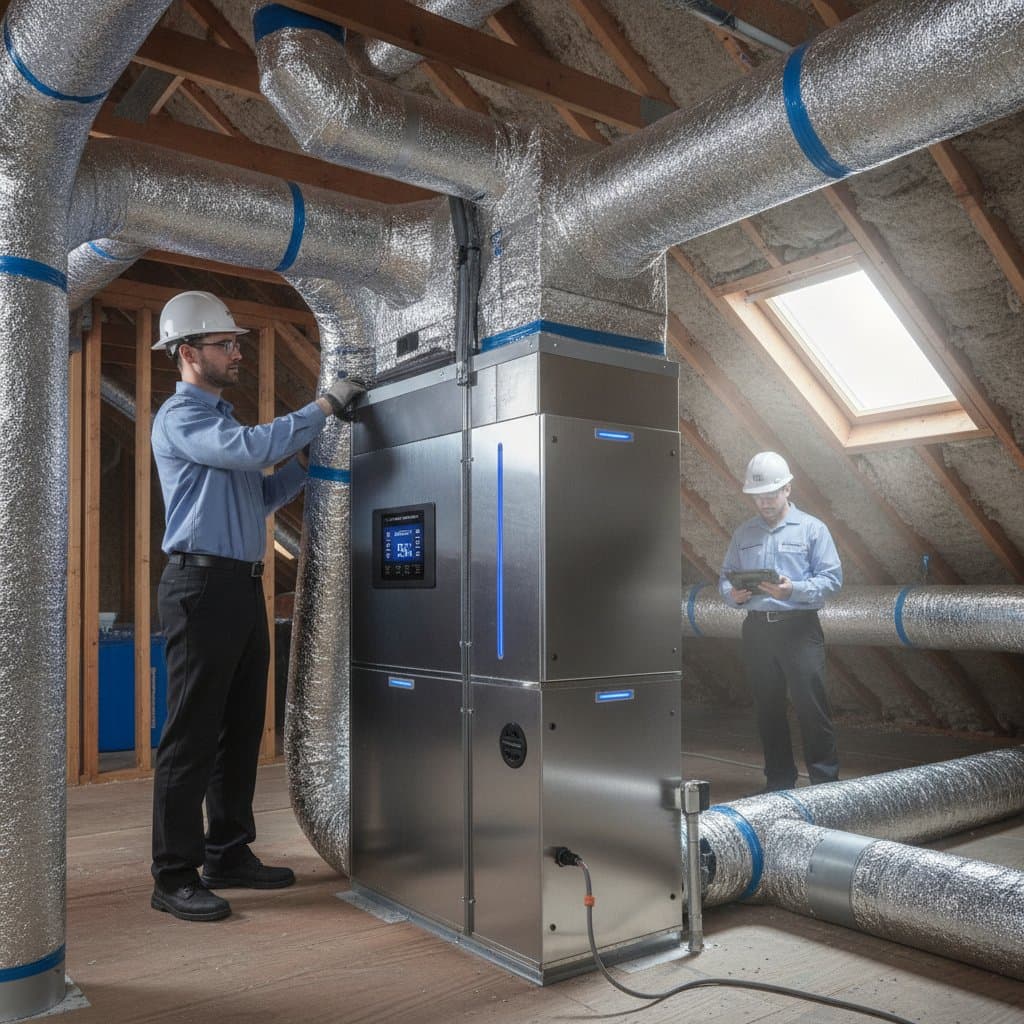
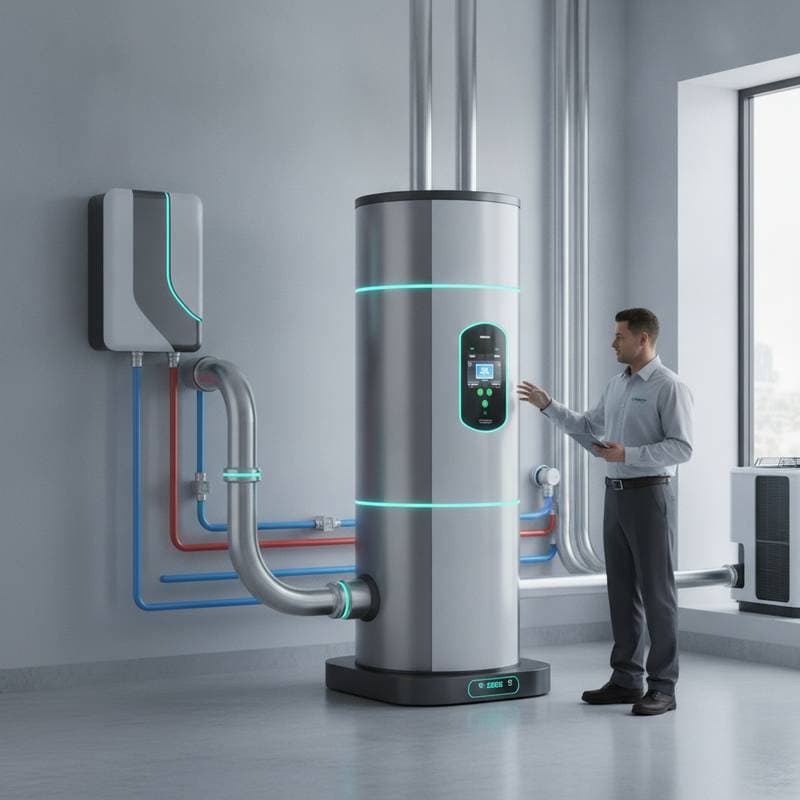
A technician performs a load calculation and insulation assessment. You review equipment options that meet state standards. The contractor removes the old unit, installs the new system, and verifies performance. Final testing confirms efficiency and control settings.
Answers to Common Questions
Electric heat strips face phase-out because they draw far more power than modern alternatives. Current systems may stay in place, yet planning an upgrade avoids future parts shortages. Cold-climate heat pumps deliver reliable heat in freezing conditions. Higher-efficiency equipment usually reduces monthly bills after incentives are applied.
Next Actions for Efficient Heating
Consult a qualified contractor to identify the best compliant system for your property. Take advantage of available rebates to control upfront costs while securing lower operating expenses and steady comfort.