How 2026 Carbon-Neutral Furnaces Reduce Emissions by 85 Percent
The Shift to Low-Emission Home Heating
Home heating technology advances in 2026 with carbon-neutral furnaces that cut emissions by up to 85 percent relative to conventional gas models. These systems integrate renewable fuels, precise combustion controls, and verified offsets to maintain comfort while lowering environmental impact. Homeowners gain reduced energy costs over time along with compliance for emerging regulations.
This guide details the mechanisms behind the reductions, associated costs, installation considerations, and maintenance practices. It also provides steps for selecting qualified contractors.
Technologies That Deliver the 85 Percent Reduction
Emission cuts result from fuel changes, efficiency gains, and offset programs. The following components work together to achieve the target.
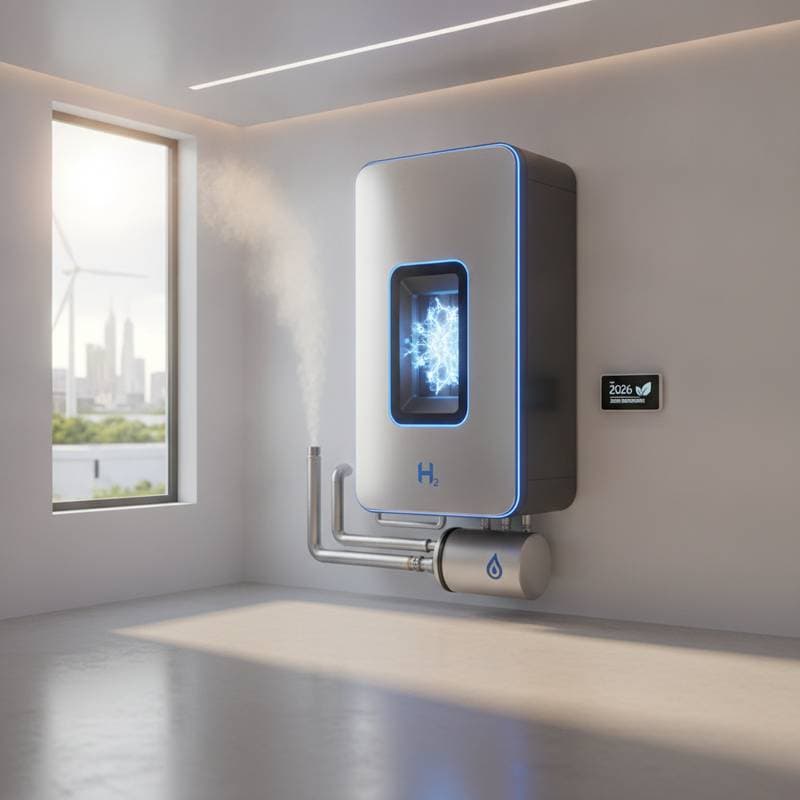
- Hydrogen-ready burners allow direct substitution of natural gas with renewable hydrogen. Combustion yields only water vapor.
- Renewable gas integration incorporates biogas or synthetic methane from organic sources. These fuels maintain a closed carbon cycle when sourced responsibly.
- Smart combustion sensors monitor and adjust fuel-to-air ratios continuously. Optimal ratios minimize waste and incomplete combustion.
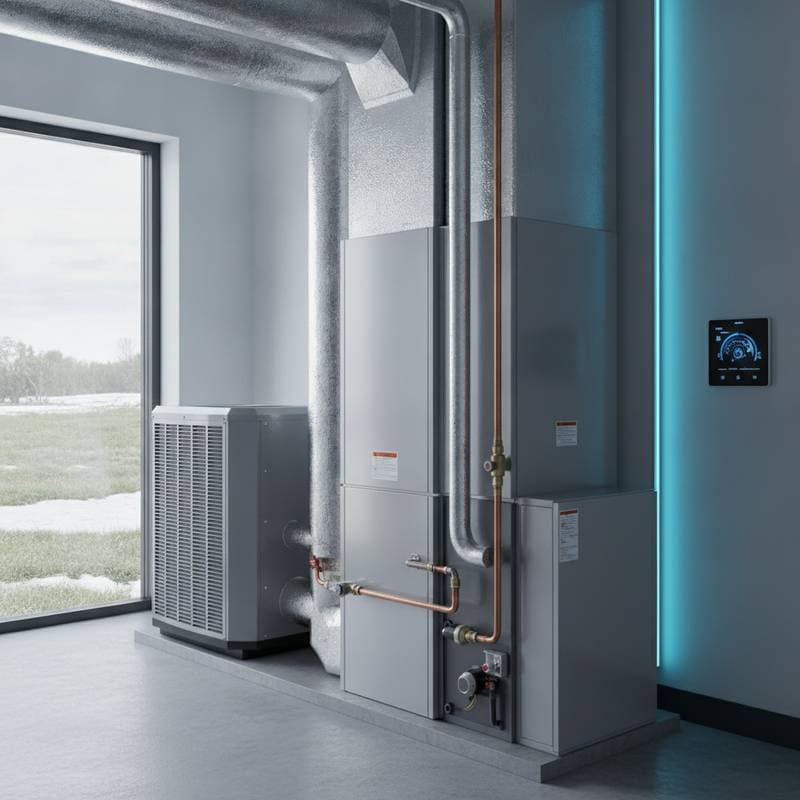
- Integrated heat pumps operate in hybrid configurations. The electric component manages heating during moderate temperatures using renewable grid power where available.
- Offset partnerships neutralize residual emissions through certified programs that verify carbon removal or avoidance.
Cost Factors for Carbon-Neutral Furnace Installation
Total project expenses depend on several variables. Accurate budgeting requires evaluation of each element.
- Fuel type and regional availability determine equipment premiums. Hydrogen-compatible models cost more initially yet align with expanding utility infrastructure.
- System capacity must match home size in BTU output. Oversized units raise both purchase and operating expenses.
- Installation complexity increases when ductwork, venting, or electrical service requires modification.
- Higher efficiency ratings involve advanced heat exchangers that command greater upfront investment yet reduce long-term fuel use.
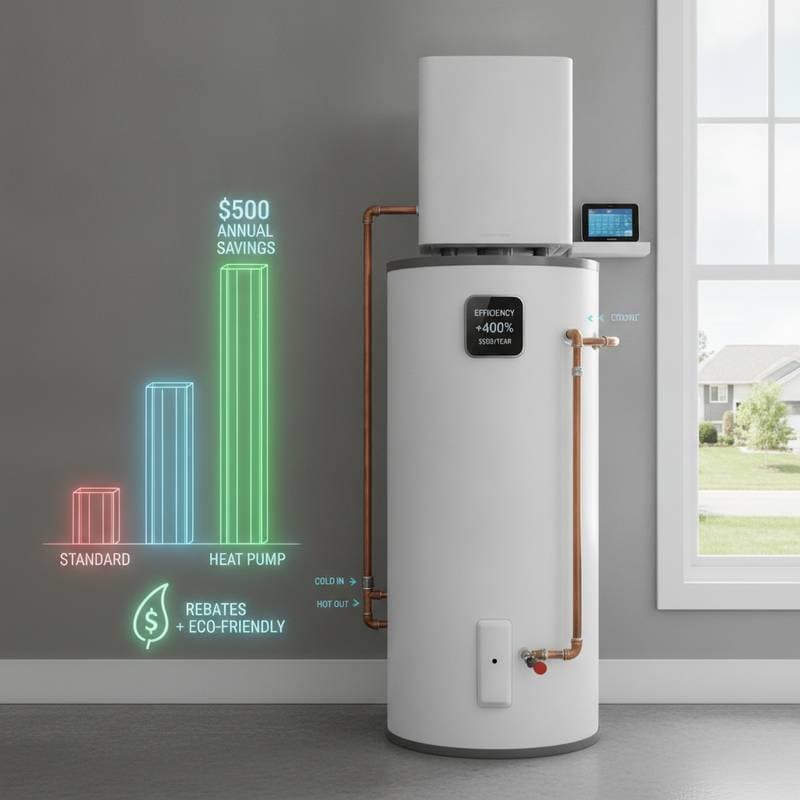
- Available rebates from government or utility programs offset initial outlays for qualifying equipment.
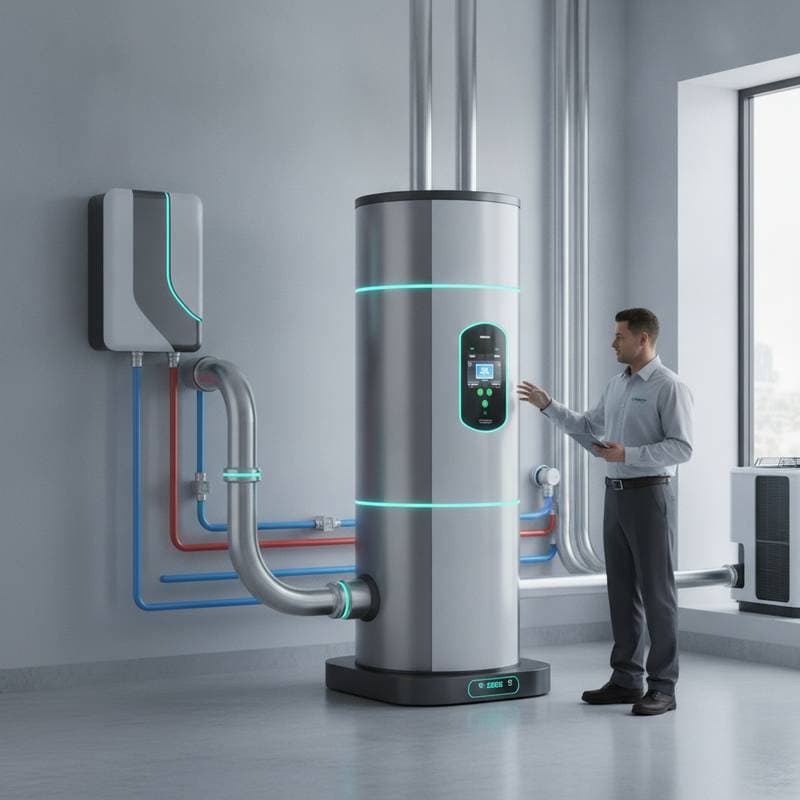
- Smart controls add sensors and connectivity that improve performance monitoring at modest added cost.
Environmental and Operational Advantages
- Direct carbon output drops by as much as 85 percent during operation.
- Cleaner combustion reduces indoor particulates and combustion byproducts.
- Pairing with on-site renewables or biogas decreases dependence on fossil sources.
- Systems satisfy forthcoming emission standards without later modifications.
- Certified installations often increase resale appeal among buyers seeking sustainable features.
Maintenance Requirements and Service Life
These furnaces follow maintenance patterns similar to high-efficiency gas units, with added attention to sensors and controls. Annual professional service preserves rated performance.
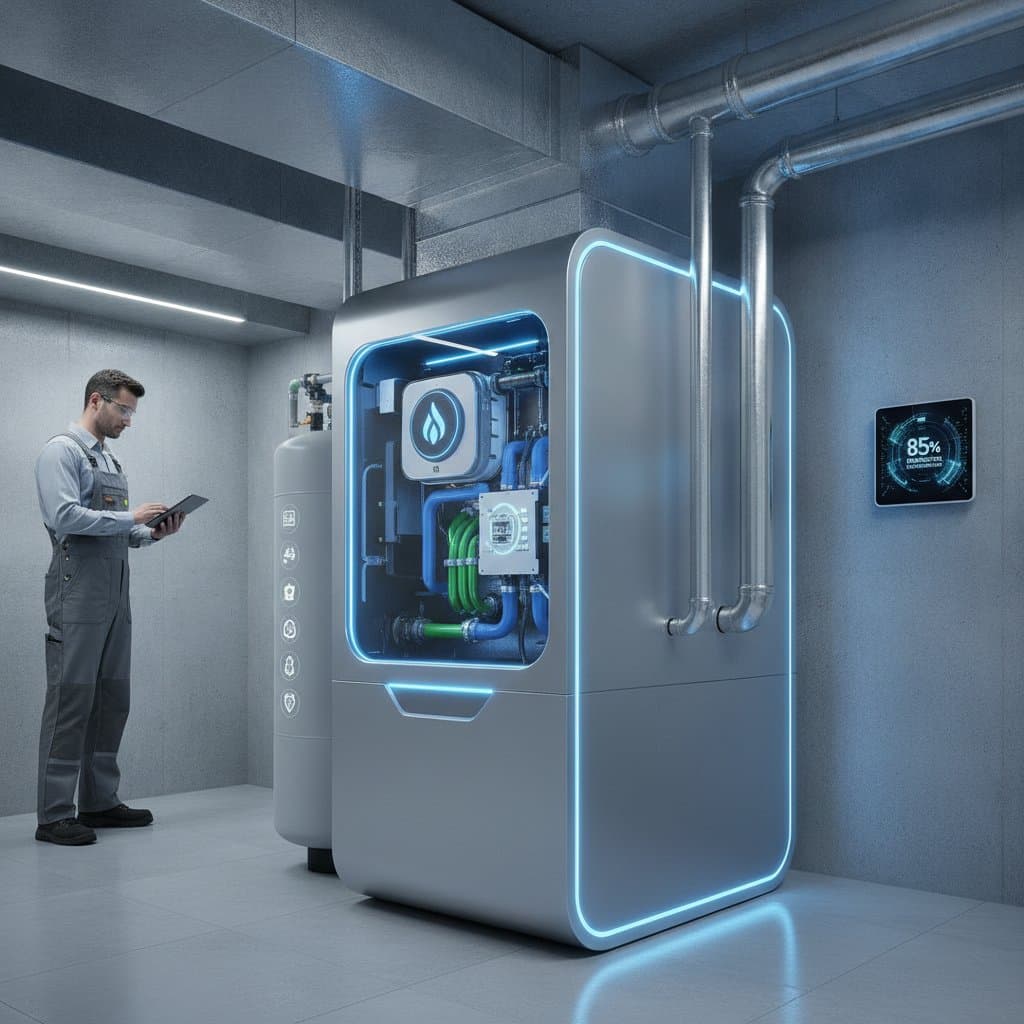
Routine tasks include burner inspection, connection leak checks, sensor calibration, software verification, and filter replacement. Properly serviced units operate 15 to 20 years. Early-alert monitoring reduces unplanned repairs.
Common Questions About Carbon-Neutral Furnaces
How long does installation require?
Most projects finish in one to three days. Hybrid or hydrogen models may extend the timeline when fuel lines or electrical upgrades are needed.
What is the expected service life?
Regular maintenance supports 15 to 25 years of operation. Electronic components may require periodic updates to sustain efficiency.
Are these systems entirely emission-free?
No heating appliance eliminates all emissions. The 85 percent figure addresses direct operational output. Remaining emissions receive balancing through verified offset programs.
Can existing furnaces receive carbon-neutral upgrades?
Some units accept hydrogen burner retrofits or control modules. Full replacement frequently proves more economical and ensures future compatibility.
Do the systems perform in cold climates?
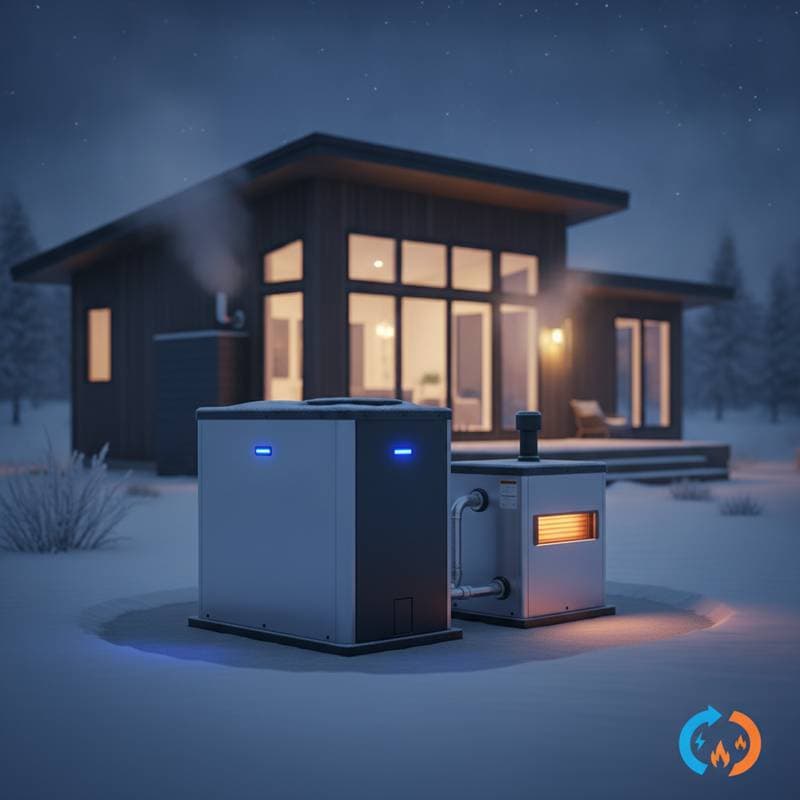
Hybrid designs switch automatically between heat-pump and backup modes. This arrangement maintains efficiency across wide temperature ranges.
How can homeowners confirm local renewable fuel support?
Contact the utility provider directly. Many regions operate pilot programs that expand renewable gas availability.
Steps to Obtain Installation Quotes
Request proposals from multiple licensed contractors experienced with advanced heating equipment. Compare scope, sizing calculations, and warranty terms before selection.
Key questions include certification for hydrogen systems, recommended models for the stated reduction target, sizing methodology, inclusion of ancillary work, maintenance recommendations, rebate assistance, component lifespan, smart-control integration, post-installation verification, and warranty details.
Planning a Sustainable Heating Upgrade
Selection of a 2026 carbon-neutral furnace supports both household comfort and broader emission goals. The combination of fuel innovation and efficiency measures produces measurable reductions while positioning homes for evolving energy standards. Homeowners who evaluate incentives and work with qualified installers secure reliable performance and long-term value.