How Dual-Fuel Heat Pumps Achieve Annual Savings of $840
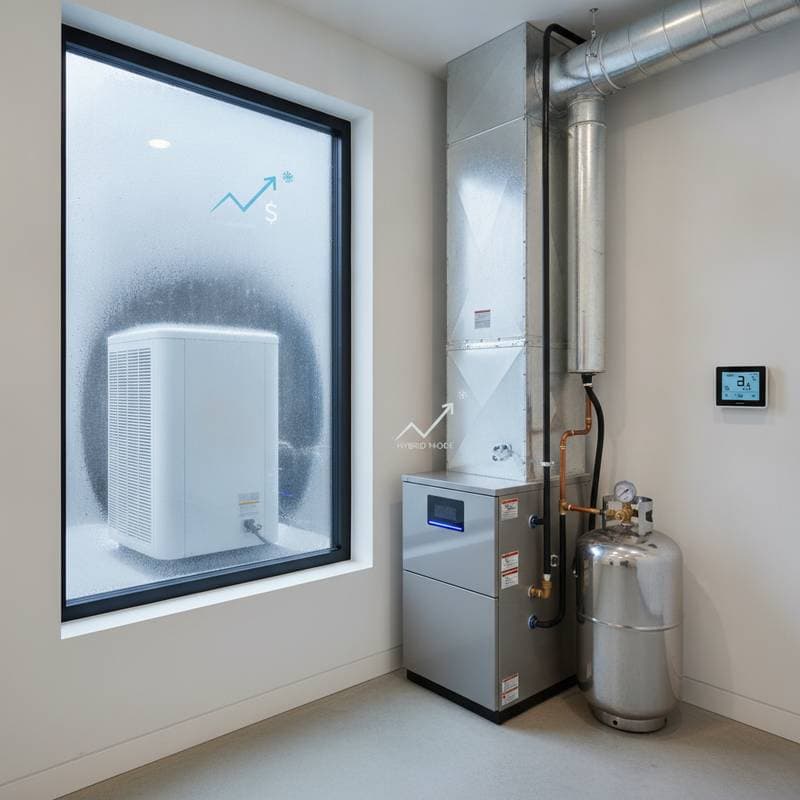
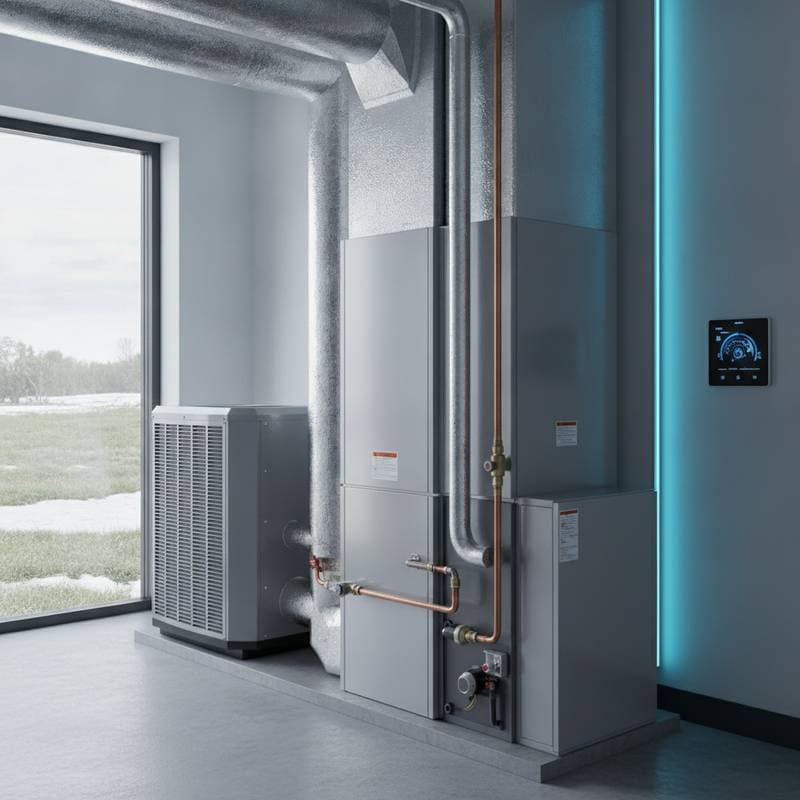
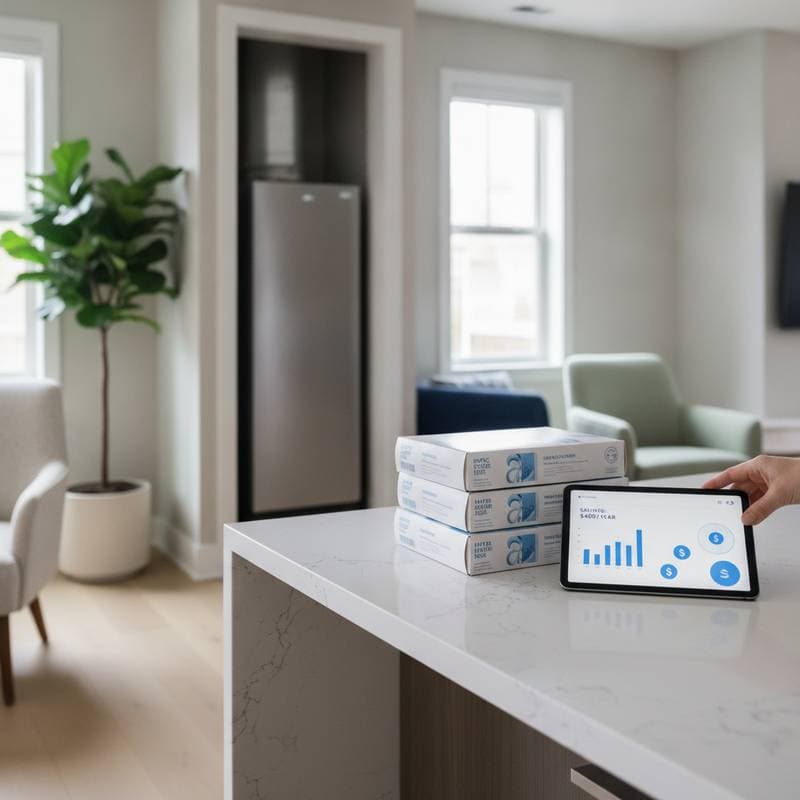
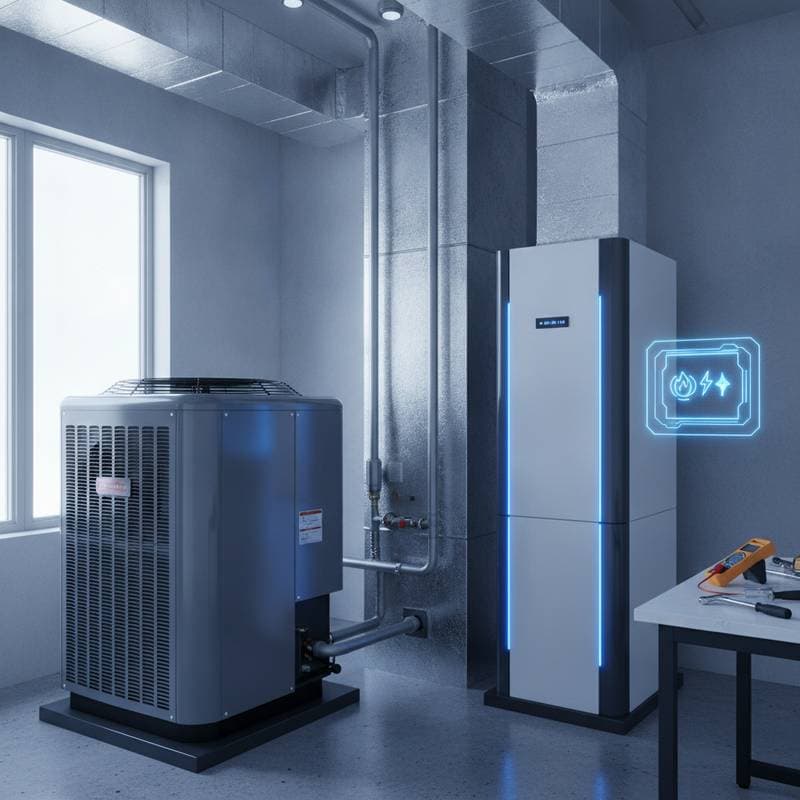
Homeowners seeking lower heating expenses and consistent indoor comfort frequently consider dual-fuel heat pumps. These hybrid systems pair an electric heat pump with a gas furnace and switch between sources based on outdoor conditions. The approach yields average annual savings of $840 compared with conventional heating equipment.
This overview covers system operation, cost variables, and evaluation steps for residential applications.
Typical Installed Cost of a Dual-Fuel Heat Pump
Equipment and professional installation for a dual-fuel heat pump range from $6,500 to $12,500. Pricing varies with unit capacity, efficiency level, and regional labor rates. Although the initial outlay exceeds that of a single-technology system, reduced energy consumption usually recovers the difference within several years.
| System Type | Average Installed Cost | Suitable Home Size | Key Features |
|---|---|---|---|
| Basic Dual-Fuel System | $6,500 – $8,000 | Up to 1,800 sq. ft. | Single-stage operation, standard efficiency |
| Mid-Range System | $8,000 – $10,500 | 1,800 – 2,500 sq. ft. | Variable-speed blower and compressor |
| High-Efficiency System | $10,500 – $12,500 | Over 2,500 sq. ft. | High SEER and HSPF ratings with advanced controls |
Operating expenses remain lower than continuous furnace use throughout the heating season.
Factors That Affect Dual-Fuel Heat Pump Cost and Savings
Multiple variables determine both upfront price and long-term returns.
- System capacity must match the square footage and insulation profile of the residence.
- Higher SEER and HSPF ratings improve efficiency yet raise purchase price.
- Natural gas generally costs less than propane and influences both installation and operating economics.
- Local labor rates and contractor expertise affect total project cost.
- Existing duct condition may require sealing or replacement, adding expense.
- Smart thermostats enhance control but increase initial investment.
Homeowners can reduce net cost through available rebates, scheduled professional service twice yearly, and correct sizing at the outset.
Service Life and Performance Expectations
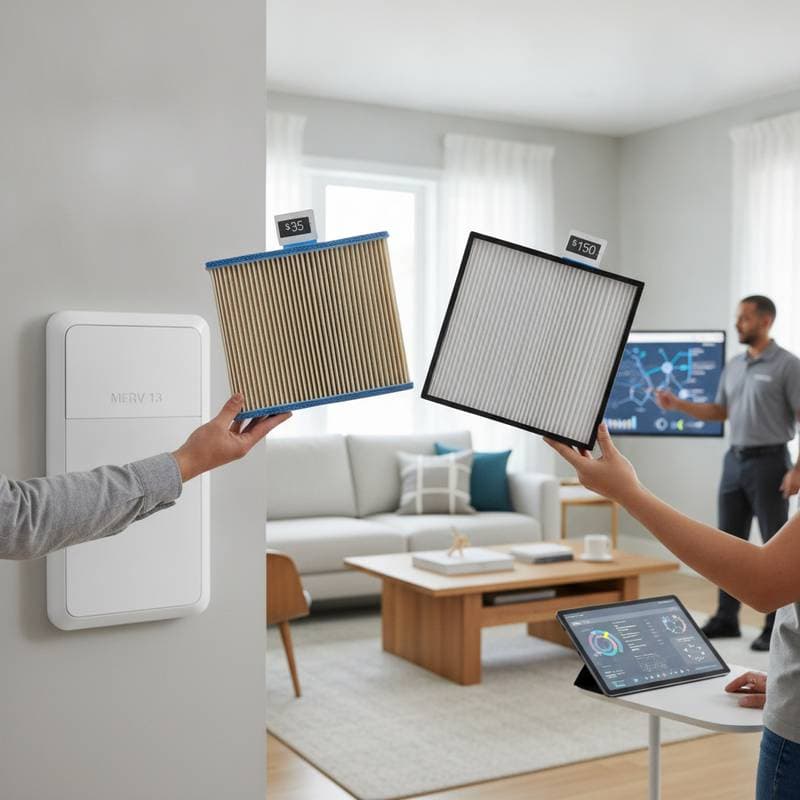
Regular maintenance supports a typical service life of 15 to 20 years. The heat pump section may require earlier replacement, while the furnace component often continues longer. Seasonal inspections and timely filter changes help sustain efficiency and comfort.
Suitability Across Climate Zones
Regions with cold winters and moderate electricity rates realize the greatest value. The hybrid design supplies efficient electric heat during mild weather and switches to gas during extreme cold, maintaining steady performance and lowering emissions.
Comparison with Conventional Heat Pumps
Standard heat pumps operate on electricity alone and lose capacity below freezing. Dual-fuel configurations add a gas furnace for supplemental heat, preserving both warmth and efficiency when temperatures drop sharply.
Integration with Existing Furnaces
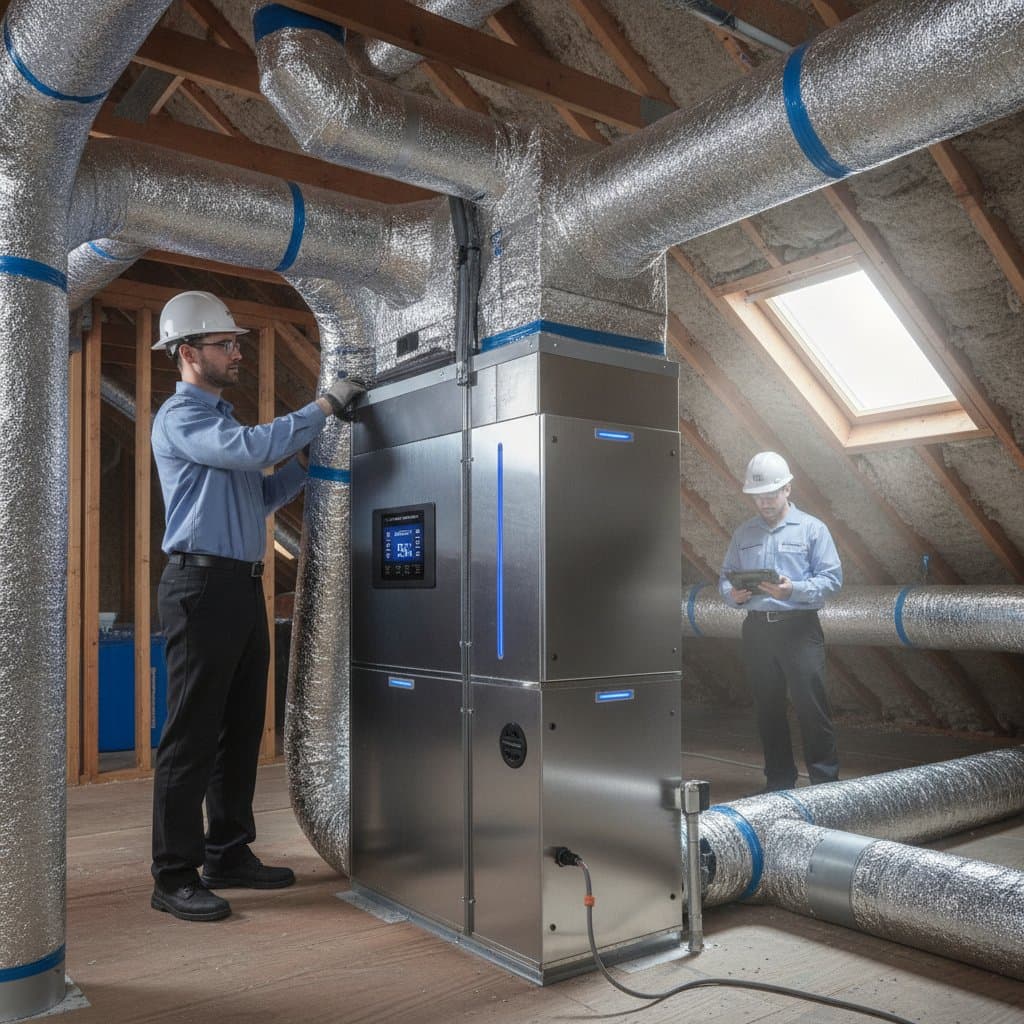
A compatible heat pump can frequently be connected to an existing furnace. A qualified technician evaluates compatibility and determines whether retrofit or full replacement offers the better economic outcome.
Questions for Prospective Installers
- Which capacity matches the thermal load of the home?
- Will the current furnace integrate successfully with a heat pump?
- Which efficiency ratings suit local climate conditions?
- Which rebates or tax credits apply to the selected equipment?
- How many days will installation require?
- What warranty terms cover parts and labor?
- What maintenance schedule supports peak performance?
- Can a line-item breakdown of materials and labor be provided?
- How will monthly energy costs change after installation?
- Are annual service plans available?
Selecting Equipment for Long-Term Value
Proper sizing, efficiency rating, and maintenance planning determine whether a dual-fuel installation meets both comfort and budget goals. Homeowners who address these elements obtain reliable operation and measurable annual savings.