2026 Heat Pump Noise Cap: 45dB Rules You Need to Know
Planning an upgrade to your HVAC system requires awareness of emerging regulations. The 2026 heat pump noise cap limits outdoor units to 45 decibels, establishing a benchmark for quiet operation. This standard aims to curb noise pollution in residential settings and enhance community well-being. Review the following details to prepare effectively, achieve compliance, and choose suitable equipment for your property.
What Is the 45dB Heat Pump Noise Cap?
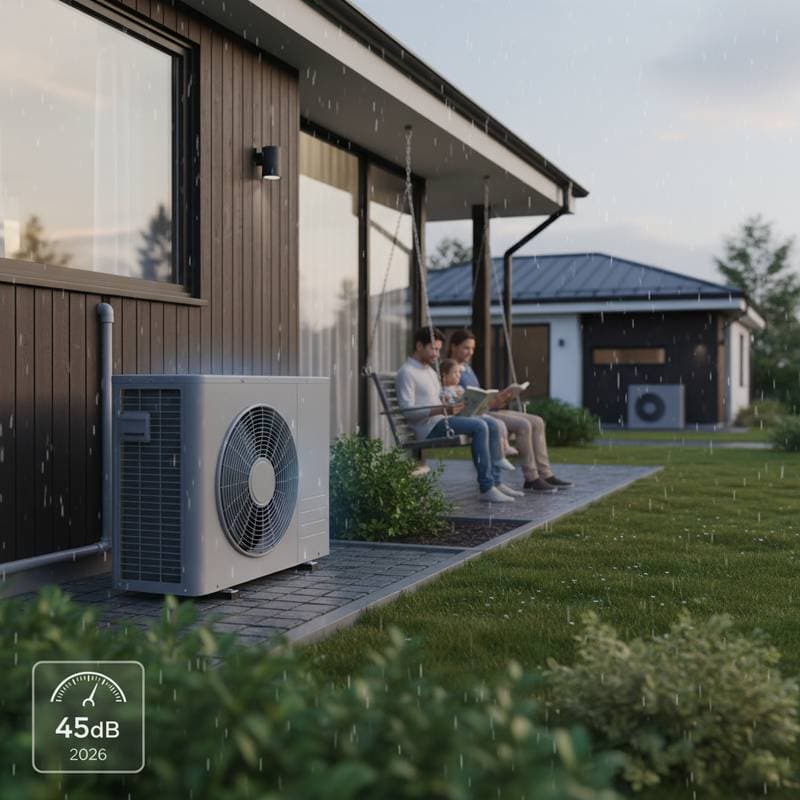
The 45dB heat pump noise cap mandates that outdoor units produce no more than 45 decibels when assessed at a designated distance from the property boundary. This level equates to the subtle sound of a quiet library or light rain. In contrast, legacy heat pumps often generate 55 to 70 decibels, levels that may disturb quiet urban or suburban environments.
This regulation supports wider goals of energy conservation and ecological balance by prompting the development of advanced, low-noise systems. Manufacturers respond by integrating superior sound mitigation into designs that maintain robust heating and cooling capabilities. Compliance ensures seamless integration into noise-sensitive areas.
Why Noise Regulations Matter
Communities increasingly address noise pollution from mechanical systems. Persistent sounds from HVAC units, such as humming or rattling, interfere with rest, elevate tension, and spark disputes among residents. Authorities enforce stricter guidelines for exterior equipment to safeguard public health and tranquility.
Key benefits include:
- Preservation of daily comfort through minimized auditory disturbances.
- Stimulation of technological advancements in sound-suppressing HVAC components.
- Avoidance of penalties or project setbacks via adherence to zoning laws.
- Elevation of real estate appeal through serene surroundings.
Systems exceeding current noise thresholds present an opportunity for modernization under the new rules.
How Heat Pump Noise Is Measured
Decibels (dB) quantify sound intensity on a logarithmic scale, where each 10dB increment doubles the apparent volume. A 55dB unit thus sounds approximately twice as loud as a 45dB counterpart.
Compliance assessments involve:
- Positioning a calibrated sound level meter a few feet from the unit.
- Conducting tests under standard runtime scenarios.
- Capturing data across heating and cooling modes.
- Accounting for surrounding ambient sounds to isolate equipment output.
Engage a certified HVAC specialist to evaluate your setup against the 45dB threshold and identify potential modifications.
Common Causes of Excessive Heat Pump Noise
Elevated noise often stems from identifiable mechanical or positional issues. Addressing these sources enables targeted improvements without full replacement.
Primary contributors encompass:
- Compressor vibrations arising from insecure mounting, which transmit through structures.
- Deteriorated fan or motor components, leading to rattles, whines, or irregular hums.
- Unsecured enclosure panels or fasteners that intensify operational resonances.
- Refrigerant imbalances producing bubbling or whistling effects.
- Proximity to solid surfaces like walls, which amplify echoes.
Schedule a diagnostic visit from a licensed technician to pinpoint and resolve these elements, ranging from reinforcements to repositioning.
Key Factors Affecting Heat Pump Noise Levels
Design choices and setup decisions significantly determine acoustic performance. Focus on these elements when evaluating or installing new equipment to align with the 45dB standard.
-
Compressor Type: Opt for variable-speed or inverter models that modulate operation, minimizing high-decibel surges.
-
Fan Blade Design: Select units with aerodynamic blades that facilitate smooth airflow and curtail turbulent noise.
-
Cabinet Insulation: Prioritize enclosures lined with acoustic-absorbing materials to dampen internal vibrations.
-
Mounting Surface: Secure the unit on anti-vibration pads to prevent sound conduction into foundations or barriers.
-
Distance and Barriers: Position equipment away from living areas and incorporate natural or structural screens to diffuse propagation.
-
Maintenance Routine: Implement scheduled servicing to eliminate debris accumulation and component degradation.
Optimizing these aspects ensures the system operates below the noise limit while delivering reliable efficiency.
Choosing a Quiet Heat Pump
Seek out units designated as low-noise or ultra-quiet, with specifications confirming operation at or below 45dB, typically rated in dBA. Industry leaders already produce compliant models tailored for residential use.
Essential features include:
- Variable-speed compressors that adapt to load demands quietly.
- Integrated sound barriers within the housing.
- Vibration-isolating mounts constructed from durable rubber.
- Optimized fan geometries for reduced air resistance.
- Intelligent controls that fine-tune performance to avoid unnecessary output.
Partner with an experienced HVAC contractor to match selections to your property's dimensions, regional climate, and usage patterns, verifying both acoustic and energetic compliance.
The Installation Process and Compliance Steps
Correct placement profoundly influences noise output, even for inherently quiet units. Professionals follow structured protocols to satisfy the 45dB criterion.
Typical procedures cover:
-
Site Evaluation: Survey the exterior to identify optimal spots distant from sleeping quarters and adjacent properties.
-
Base Preparation: Construct a stable, isolated foundation to curb ground-transmitted vibrations.
-
Distance Measurement: Verify adherence to setback rules from boundaries and structures.
-
Line and Ductwork Connection: Route refrigerant and power lines meticulously, balancing airflow to prevent turbulence.
-
Sound Testing: Perform post-installation readings to validate levels and refine as required.
Select established installers to guarantee regulatory alignment and long-term system integrity.
DIY Noise Reduction vs. Hiring a Pro
Homeowners may attempt basic mitigations for existing units, but complex repairs demand expertise to prevent hazards.
Safe self-maintenance options involve:
- Removing obstructions like foliage or litter from the unit's vicinity.
- Securing any accessible loose fittings.
- Adding cushioned supports beneath the base for minor shakes.
- Adjusting nearby vegetation to avoid sound reflection.
Professional intervention is essential for:
- Component inspections and replacements, such as motors or compressors.
- Refrigerant system diagnostics and corrections.
- Application of internal acoustic treatments.
- Unit relocation to enhance sound distribution.
Persistent unusual noises signal potential risks; consult specialists promptly to ensure safe, compliant resolutions.
How the 45dB Rule Affects Homeowners and Contractors
This regulation reshapes decisions for residents and service providers alike, fostering proactive adaptations.
Homeowners encounter:
- Incentives to modernize outdated, noisy installations.
- Enhanced marketability for properties with compliant, serene systems.
- Improved interpersonal dynamics in shared spaces.
- Cost savings from efficient, low-decibel technologies.
Contractors must adapt through:
- Updated training in acoustic evaluation techniques.
- Curated inventories of qualifying equipment.
- Informed discussions on site-specific noise management.
Such shifts promote superior outcomes and sustained satisfaction.
Frequently Asked Questions
What happens if my heat pump exceeds 45dB?
Exceeding the limit may necessitate interventions like acoustic shielding, repositioning, or unit exchange. Authorities offer directives, while contractors execute verified fixes.
How can I determine my heat pump's decibel level?
Locate the dBA rating on the equipment label or manual. Absent that, request on-site measurement by a technician using precise instruments.
Will replacement be required for compliance?
Adjustments or add-ons may suffice for some units. For aged or markedly loud systems, substitution often proves the most viable path.
Do all new heat pumps meet the 45dB standard?
Prominent brands target this benchmark, yet verification of individual ratings remains crucial. Discuss options with installers to confirm suitability.
Can landscaping mitigate heat pump noise?
Affirmative; thoughtful shrubbery or enclosures absorb waves effectively. Preserve ventilation space, and seek professional input for optimal arrangements.
Steps to Achieve Compliance and Comfort
The 45dB cap advances residential acoustics, integrating quiet efficiency into everyday life. Early assessment of your current setup positions you for smooth transitions.
Explore compliant alternatives if noise persists or equipment ages. Collaborate with HVAC experts for tailored evaluations, selections, and implementations.
Attain lasting serenity through informed choices, aligning your home with progressive standards for enhanced well-being.