Why Hydrogen Furnaces Will Transform Home Heating by 2026
Home heating systems face a pivotal evolution as environmental concerns and energy efficiency demands intensify. Homeowners increasingly seek alternatives to traditional gas furnaces that maintain reliable warmth while minimizing environmental impact. Hydrogen furnaces emerge as a promising solution, delivering the performance of gas heating with virtually no carbon emissions. This article explores the fundamentals of hydrogen furnaces, their operational principles, advantages, and practical considerations for adoption in the coming years.
Understanding Hydrogen Furnaces
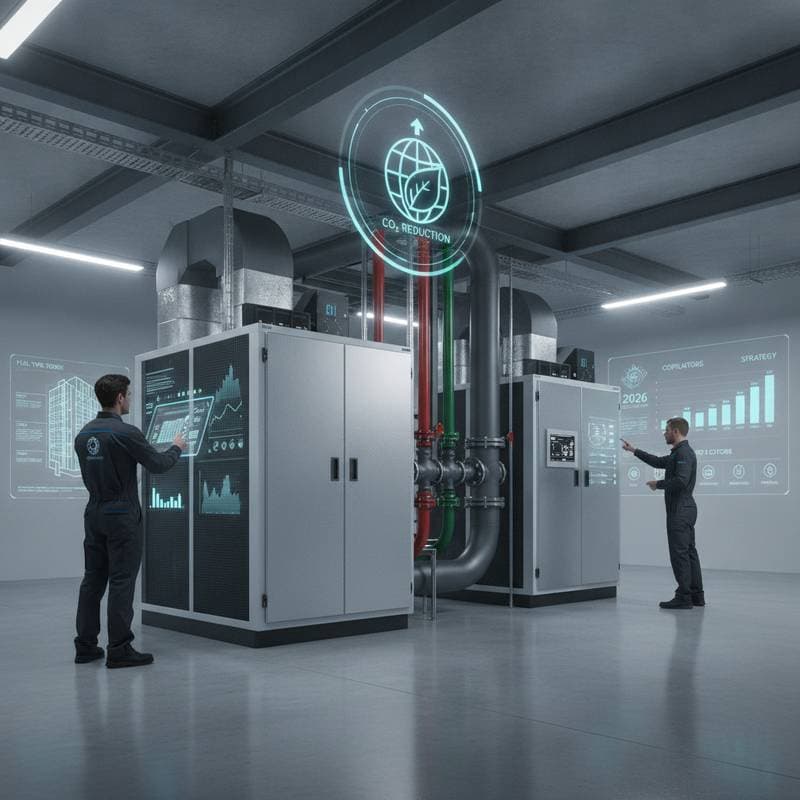
A hydrogen furnace operates by combusting hydrogen gas to generate heat, replacing natural gas or propane as the fuel source. The combustion process combines hydrogen with oxygen from the air, yielding heat and water vapor as the sole byproduct. This reaction produces no carbon dioxide or other greenhouse gases, positioning hydrogen furnaces among the cleanest heating technologies.
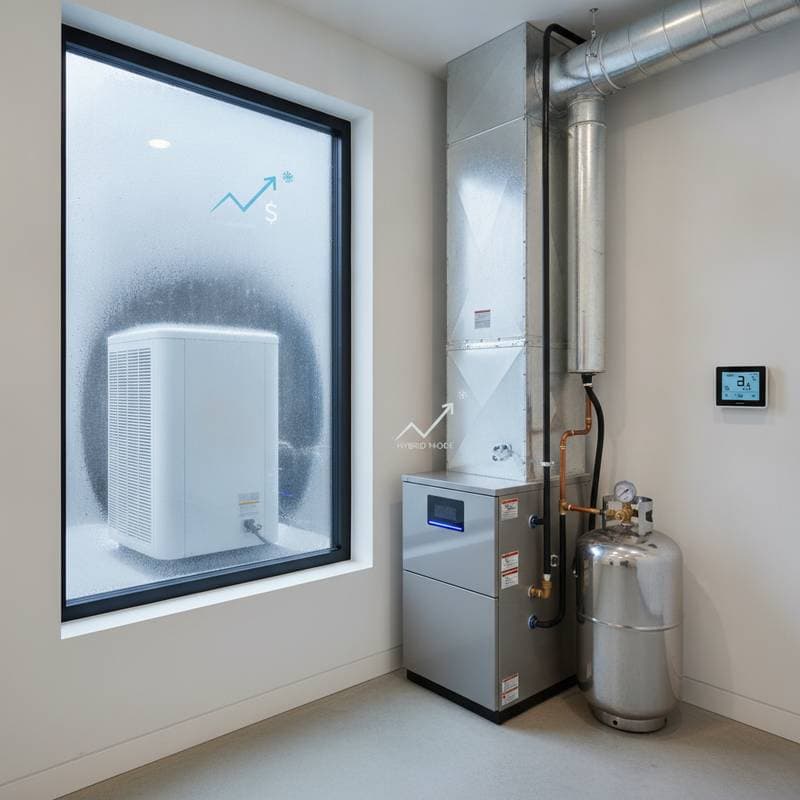
These systems closely resemble conventional gas furnaces in design and installation footprint. The primary distinctions involve the fuel delivery mechanism and the combustion chamber, engineered to handle hydrogen's unique properties. Engineers design hydrogen furnaces for seamless integration into existing ductwork and venting systems, often requiring only minor adjustments to facilitate a straightforward upgrade.
The Importance of Hydrogen Heating Technology
Homeowners prioritize heating solutions that align with sustainability goals without compromising daily comfort. Hydrogen heating addresses this need by leveraging a versatile fuel that originates from abundant sources. Production methods include electrolysis, where electricity from renewable sources such as solar panels or wind turbines splits water into hydrogen and oxygen, resulting in a carbon-neutral fuel cycle.
This approach extends beyond ecology to economic stability. As global hydrogen production scales, supply chains mature, potentially lowering fuel costs and shielding households from volatility in fossil fuel markets. Hydrogen furnaces thus support long-term energy independence while preserving the even heat distribution familiar from gas systems.
Indicators That a Hydrogen Furnace Suits Your Home
Evaluate your current heating setup to determine readiness for this technology. Consider these key signals that suggest a hydrogen furnace could enhance your home:
- The existing furnace exceeds ten years in age or demands repeated repairs, indicating inefficiency.
- Reducing household carbon emissions ranks as a priority for environmental responsibility.
- Local utilities or regulations promote renewable energy adoption, including hydrogen distribution networks.
- Compliance with emerging energy codes requires a forward-looking heating solution.
Planning ahead allows homeowners to align furnace replacements with the rollout of hydrogen infrastructure, avoiding premature investments in outdated systems.
Elements Influencing Hydrogen Furnace Expenses
Budgeting for a hydrogen furnace involves multiple considerations, akin to other heating system installations. Although precise pricing evolves with market development, anticipate these factors shaping the overall cost:
- Unit Capacity: Homes with greater square footage necessitate larger units, which command higher prices to ensure adequate coverage and performance.
- Integration Requirements: Modifications to piping, exhaust systems, or electrical controls may arise, depending on the home's configuration; a site survey provides clarity.
- Fuel Infrastructure Proximity: Areas with established hydrogen supply lines benefit from reduced delivery expenses.
- Performance Ratings: Units with superior efficiency ratings involve higher initial outlays but yield savings through optimized fuel consumption.
- Financial Incentives: Government programs, utility rebates, and tax credits frequently subsidize clean energy installations, easing the financial burden.
Consult a certified HVAC specialist experienced in emerging technologies for a tailored cost assessment, factoring in your home's specifics.
Comparing Hydrogen Furnaces to Conventional Gas Furnaces
Emissions Profile
Emissions represent the core divergence between these systems. Gas furnaces release carbon dioxide, nitrogen oxides, and particulates during operation, contributing to air quality challenges. Hydrogen furnaces, by contrast, emit only water vapor, drastically cutting pollution and supporting climate objectives.
Operational Efficiency
Developers engineer hydrogen furnaces to achieve efficiency comparable to or exceeding that of advanced gas models. These units provide steady, zone-specific heating through integrated zoning capabilities. Smart thermostats and automated adjustments further enhance performance by modulating output based on real-time occupancy and weather data.
Safety Protocols
Hydrogen shares flammability with natural gas, yet rigorous engineering mitigates risks. Systems incorporate multi-layer safeguards, including infrared leak sensors, pressure regulators, and fail-safe shutoff valves. Compliance with international safety codes ensures installations withstand potential hazards, with certified technicians verifying integrity post-setup.
Steps in Hydrogen Furnace Installation
Professional installation mirrors that of gas furnaces, adapted for hydrogen compatibility. Engage a qualified technician to navigate the process:
- Initial Evaluation: The expert measures home dimensions, assesses insulation quality, and calculates heat loss to select an appropriately sized unit.
- Compatibility Review: Inspect existing ducts, vents, and supply lines; recommend upgrades if hydrogen flow demands alterations.
- Unit Placement and Connection: Secure the furnace in the designated space, link fuel and electrical components, and configure controls.
- Operational Verification: Conduct combustion analysis, pressure tests, and leak detection to confirm system reliability.
- User Training: Demonstrate controls, maintenance schedules, and troubleshooting basics to empower informed operation.
Adhering to manufacturer guidelines preserves warranties and upholds safety, particularly given hydrogen's distinct handling needs.
Essential Maintenance for Hydrogen Furnaces
Upkeep parallels gas furnace routines, with targeted emphases on hydrogen-specific elements. Schedule annual professional servicing to include:
- Hydrogen leak detection via specialized electronic sensors.
- Examination of burners, igniters, and heat exchangers for wear.
- Clearance of vents and ducts to maintain unobstructed airflow.
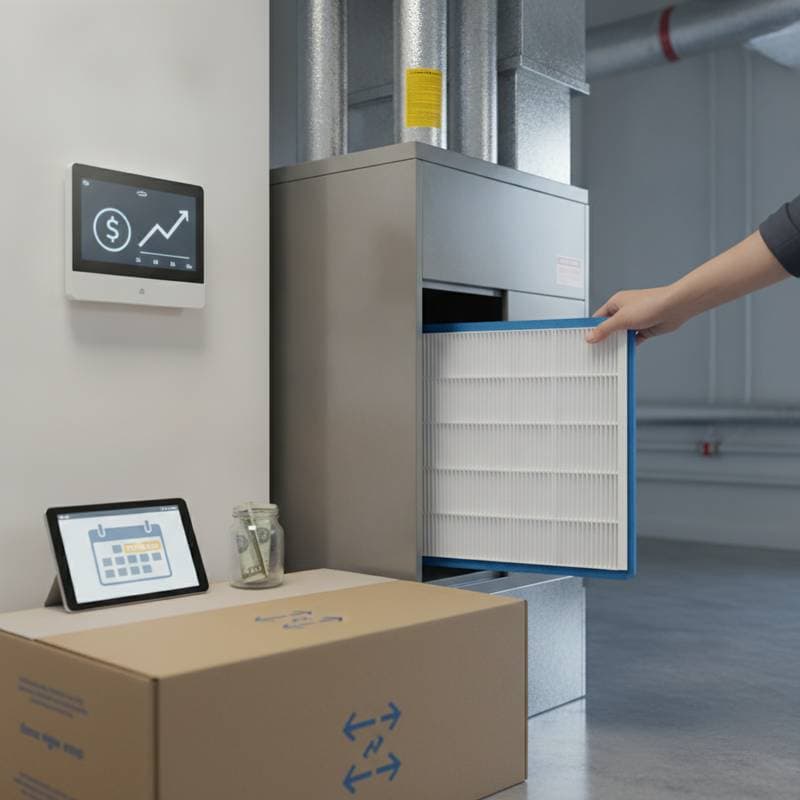
- Filter inspection and replacement to sustain air quality.
- Calibration of safety interlocks and monitoring devices.
Homeowners should monitor for unusual odors or performance dips and avoid DIY interventions on fuel-related parts. Routine care extends system lifespan and efficiency.
Common Questions About Hydrogen Furnaces
Does Hydrogen Heating Pose Risks to Residential Settings?
Hydrogen heating proves safe in homes when professionals handle design, installation, and upkeep. Built-in features like rapid-response detectors and emergency isolation valves address flammability concerns effectively.
Is Conversion of a Gas Furnace to Hydrogen Feasible?
Certain modern gas furnaces support retrofitting for hydrogen, contingent on design specifications. A technician evaluates compatibility, potentially involving component swaps or recalibrations.
Do Hydrogen Furnaces Lower Heating Expenses?
Efficiency gains in hydrogen systems minimize fuel use, potentially trimming bills as hydrogen pricing stabilizes. Savings vary by local supply rates and home energy profile.
When Can Homeowners Access Hydrogen Furnaces?
Technological maturation and infrastructure expansion signal residential availability by 2026 in select markets, with broader rollout following pilot successes.
What Upkeep Do Hydrogen Furnaces Require?
Annual professional tune-ups, alongside monthly filter checks and visual inspections, ensure optimal function and safety.
Embracing Sustainable Heating Innovations
Hydrogen furnaces bridge the gap between proven comfort and environmental stewardship, offering gas-like reliability with negligible emissions. Homeowners gain from reduced ecological impact and potential cost efficiencies as this technology matures. Collaborate with HVAC experts to integrate hydrogen heating, securing a resilient, future-proof home environment.