8 Essential DIY Spring Maintenance Steps to Safeguard Your AC Against Breakdowns
As temperatures rise, a reliable air conditioning system becomes essential for comfort. Spring offers an ideal opportunity to prepare the unit for intense summer operation. Performing targeted maintenance extends equipment longevity, optimizes energy use, and minimizes the chance of unexpected failures. The following eight DIY steps provide practical guidance to maintain peak performance throughout the season.
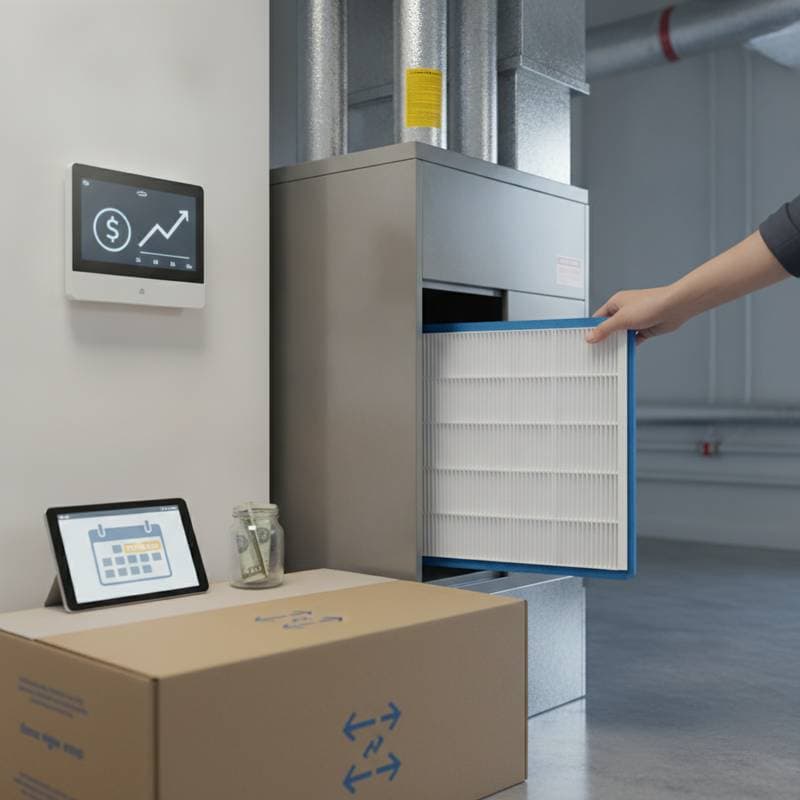
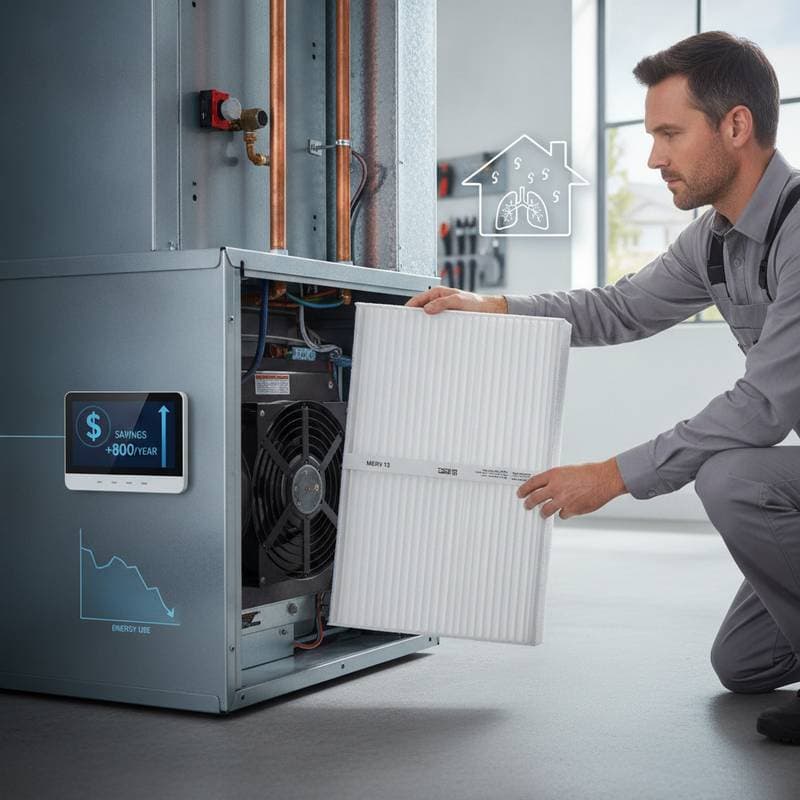
Step 1: Replace or Clean the Air Filter
The air filter serves as a critical barrier in the HVAC system, capturing dust and allergens. A dirty filter impedes airflow, compelling the unit to operate under strain and potentially overheat. Regular attention to this component preserves system health and indoor air quality.
How to proceed:
- Identify the filter location, typically near the return air duct or within the indoor unit.
- Extract the filter and examine it for accumulated dirt and particles.
- Install a new disposable filter every one to three months, depending on usage.
- For reusable types, rinse with lukewarm water, allow complete drying, and reinstall securely.
This routine ensures unrestricted airflow and eases the workload on the compressor.
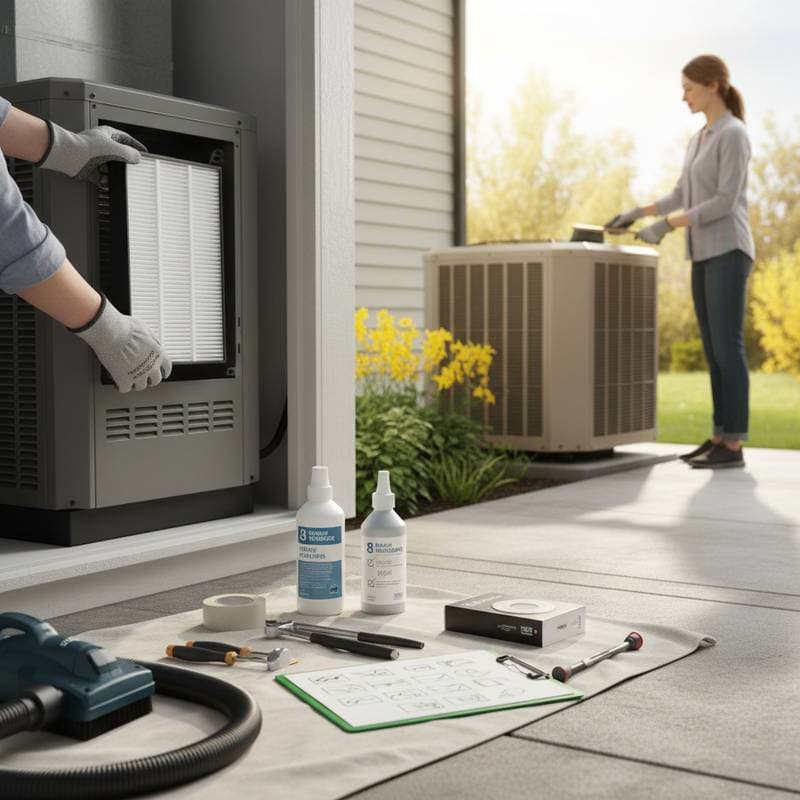
Step 2: Clear Debris from the Outdoor Unit
The outdoor condenser unit requires a clear environment to dissipate heat effectively. Leaves, dirt, and vegetation can obstruct airflow, leading to reduced cooling capacity and increased energy consumption. Removing such obstructions supports efficient operation.
How to proceed:
- Turn off power to the unit at the breaker for safety.
- Sweep away leaves, grass clippings, and other debris from the base and sides.
- Trim back nearby shrubs or plants to maintain at least two feet of clearance.
- Use a garden hose with gentle spray to rinse the exterior fins, avoiding high pressure.
A debris-free unit promotes better heat exchange and prevents strain during peak loads.
Step 3: Inspect and Clean the Condenser Coils
Condenser coils facilitate heat release from the refrigerant. Accumulated grime hinders this process, causing the system to labor excessively and lose efficiency. Cleaning restores optimal thermal transfer.
Simple cleaning method:
- First, remove surrounding debris as outlined in Step 2.
- Use a soft-bristled brush to dislodge surface dirt from the coils.
- Apply a specialized coil cleaner for stubborn buildup, following product instructions.
- Rinse carefully with low-pressure water to avoid bending the fins.
This maintenance enhances cooling performance and averts premature component wear.
Step 4: Calibrate the Thermostat
The thermostat regulates system cycles to maintain desired temperatures. Inaccurate settings result in uneven cooling or excessive runtime, impacting comfort and bills. Proper calibration ensures precise control.
**How to proceed:**n- Verify the thermostat displays the correct room temperature using a separate thermometer.
- For programmable models, set schedules that align with occupancy patterns.
- Replace batteries if the display fades or readings seem off.
- If digital, reset to factory defaults per the manual if calibration options exist.
An accurate thermostat optimizes runtime and contributes to energy conservation.
Step 5: Inspect Ductwork for Leaks or Damage
Duct systems deliver conditioned air to living spaces. Leaks or damage can dissipate up to 30 percent of cooled air, diminishing effectiveness and raising costs. Thorough inspection identifies issues early.
How to inspect:
- Examine accessible ducts for gaps, loose joints, or visible tears.
- Run the system and use your hand to detect escaping air at connections.
- Apply mastic sealant or foil tape to seal minor leaks securely.
- For extensive networks, note areas for professional evaluation.
Well-sealed ducts maximize air delivery and support consistent indoor temperatures.
Step 6: Examine Electrical Connections
Secure electrical connections prevent intermittent power issues that could trigger shutdowns. Loose wires or corroded terminals heighten risks of failure during operation. Visual checks identify potential hazards.
How to proceed:
- Disconnect power before any inspection.
- Inspect wiring at the unit for fraying, looseness, or corrosion.
- Tighten visible connections with appropriate tools, avoiding over-tightening.
- Clean terminals with a dry cloth if dust accumulates.
Reliable electrical integrity safeguards against disruptions and extends system reliability.
Step 7: Inspect the Condensate Drain Line
The condensate drain line expels moisture from the evaporator coil. Blockages lead to water overflow, fostering humidity and mold within the home. Routine clearing maintains dryness.
How to check:
- Find the PVC line exiting the indoor unit.
- Look for signs of algae, sludge, or obstructions along its path.
- Flush the line with a solution of equal parts vinegar and water.
- Confirm the endpoint drains properly outdoors or into a designated pan.
A functional drain line averts water-related damage and preserves air quality.
Step 8: Test System Operation
Final testing verifies overall functionality after maintenance. This step confirms balanced performance and catches overlooked problems before summer heat arrives.
How to proceed:
- Restore power and set the thermostat to cool mode.
- Listen for unusual noises and monitor for steady airflow from vents.
- Check that temperatures drop evenly across rooms.
- Run the system for 15-30 minutes and observe for any irregularities.
Comprehensive testing assures readiness and highlights needs for expert intervention.
Maximize AC Longevity and Efficiency
Implementing these steps fortifies your air conditioning system against summer challenges. Consistent maintenance not only prevents breakdowns but also lowers energy expenses and enhances comfort. For complex issues, consult a qualified technician to complement your efforts and ensure comprehensive care.