UV-C Air Purifiers: Achieve Superior Allergy Control in 2026
Allergy season presents challenges for many homeowners, with symptoms such as sneezing, itchy eyes, and sinus pressure disrupting daily life. UV-C air purifiers represent an innovative approach to combating indoor allergens. This guide details the operation of UV-C purification, its effectiveness against common irritants, and essential considerations for integrating it into an HVAC system. Homeowners gain insights into fostering cleaner air and sustained relief from allergies year-round.
Understanding UV-C Air Purifiers
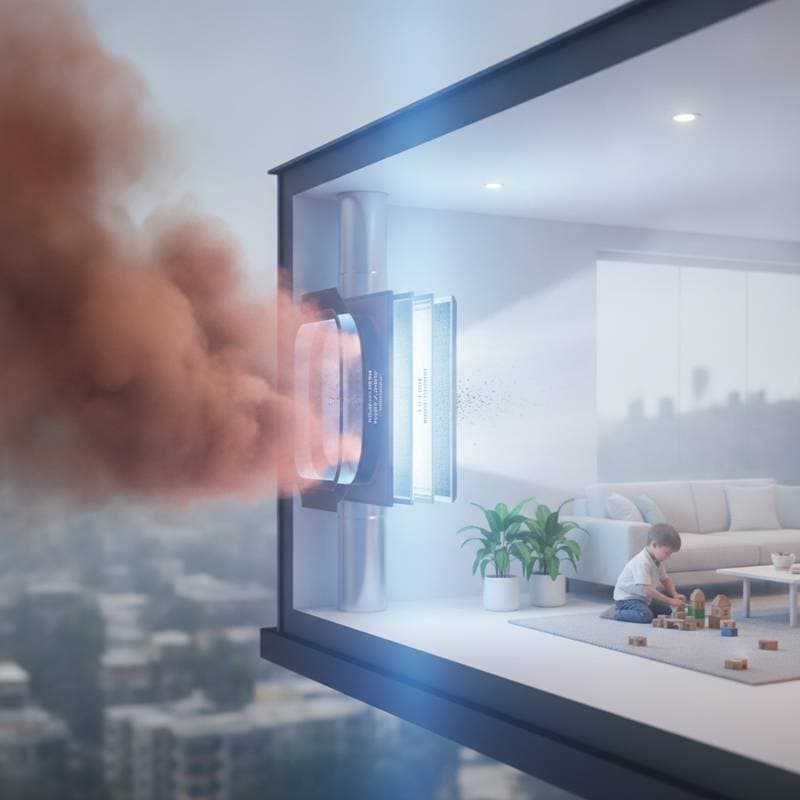
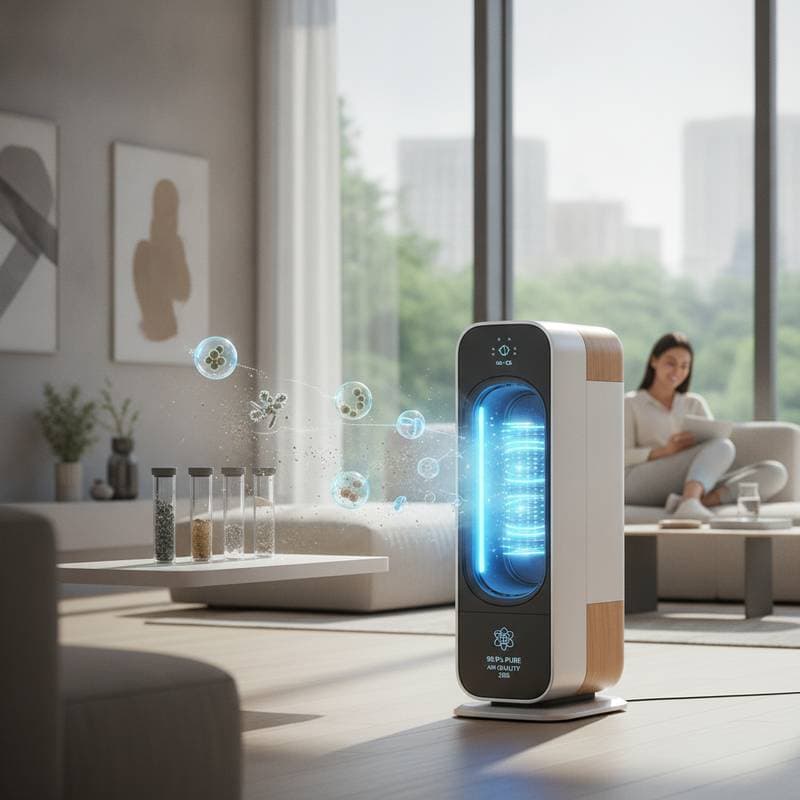
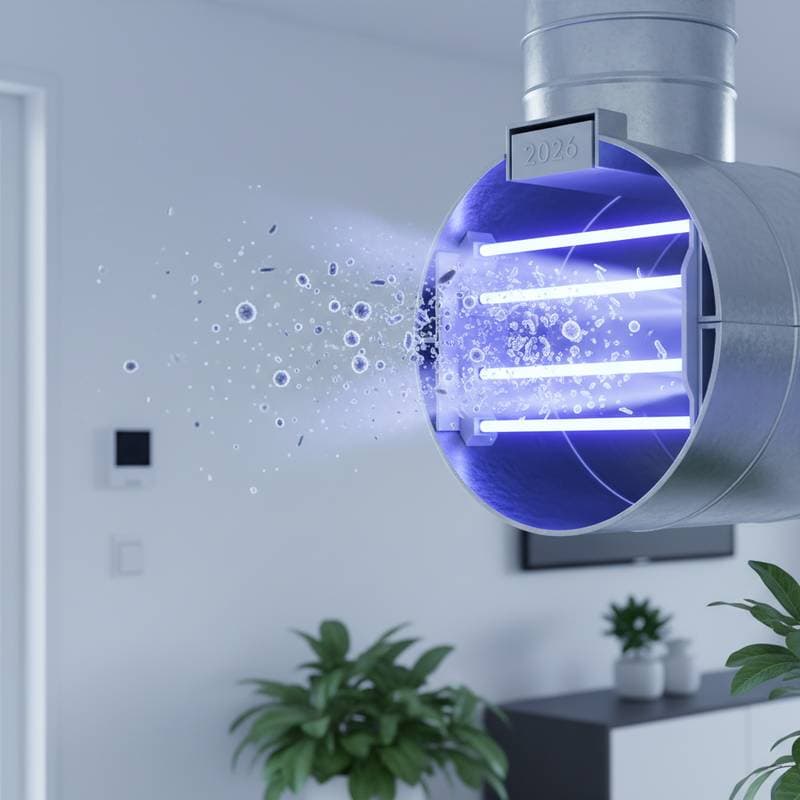
A UV-C air purifier employs ultraviolet light to disinfect air circulating through the HVAC system. The UV-C wavelength specifically targets and disrupts the DNA of microorganisms. As air flows past the purifier, bacteria, viruses, mold spores, and similar airborne contaminants become inactivated, preventing their spread into occupied spaces.
This process operates at a microscopic level without chemicals or additives. The unit functions silently within existing air handlers or ductwork. For individuals with allergies or respiratory conditions, UV-C technology delivers tangible improvements in air quality and overall well-being.
Benefits of UV-C Purification for Allergy Management
Indoor allergens like pollen, pet dander, and dust mites accumulate within HVAC components. Standard filters capture larger particles, yet finer ones often evade capture. UV-C purification provides an additional layer of microbial destruction, addressing limitations of filtration alone.
Key advantages include the following:
- Neutralization of airborne allergens and pathogens through UV-C exposure, which breaks down organic irritants.
- Prevention of mold and mildew growth on coils and ducts, thereby reducing allergy-aggravating spores.
- Elevation of general air quality, leading to decreased asthma triggers and sinus discomfort.
- Optimization of HVAC performance by minimizing biological accumulations, which supports efficient airflow.
Paired with effective filtration, UV-C systems create a markedly healthier indoor atmosphere.
Indicators That UV-C Purification May Benefit Your Home
Homeowners uncertain about the need for UV-C technology should evaluate specific symptoms and conditions. Persistent indoor allergy reactions among residents signal potential air quality issues. Musty odors emanating from vents suggest microbial presence.
Other relevant signs encompass visible dust accumulation despite regular cleaning, mold visibility near duct outlets, rapid filter clogging, and exposure to pets or high-pollen environments. Recognition of these factors underscores the value of UV-C integration for enhanced comfort and symptom reduction.
Integration of UV-C Purifiers into HVAC Systems
UV-C purifiers connect seamlessly to central heating and cooling setups. Professional installation positions the unit adjacent to the evaporator coil or within ductwork, ensuring consistent air exposure. The ultraviolet lamp activates continuously, degrading pollutants as air passes over it.
The operational sequence proceeds as follows:
- Air intake draws in dust, pollen, and particulates from the home.
- Filtration stage captures substantial debris within the filter material.
- UV-C illumination engages, targeting and dismantling bacteria, mold, and viruses.
- Treated air returns to living areas, delivering reduced allergen levels.
Activation occurs automatically with HVAC fan operation, requiring no ongoing oversight.
Factors Influencing UV-C Air Purifier Expenses
Costs for UV-C air purifiers vary based on system specifications and home configurations. Whole-home installations for central HVAC exceed those of standalone units in price, yet offer comprehensive coverage. Lamp durability affects initial and replacement investments, with premium options sustaining higher efficacy longer.
Installation demands influence totals, particularly in homes with constrained access or aging equipment. Ongoing maintenance, including bulb changes and checks, contributes to lifetime expenses while preserving functionality. Reputable brands provide extended warranties and support, justifying higher upfront costs.
Typical ranges span several hundred dollars for entry-level systems to over one thousand for advanced whole-home solutions. Local variations and contractor rates apply, necessitating detailed quotes for accurate planning.
Evaluating DIY Versus Professional Installation
Tasks Suitable for Homeowners
- Review available products and confirm compatibility with existing HVAC components.
- Swap UV-C bulbs according to manufacturer timelines.
- Maintain air filters through timely cleaning or replacement to complement purifier efficiency.
Tasks Requiring Expert Assistance
- Connect the UV-C lamp to the HVAC electrical system.
- Secure the unit within ducts or coil proximity.
- Assess airflow patterns and lamp alignment for optimal contaminant exposure.
Maintenance Procedures for UV-C Purification Systems
Annual professional evaluations confirm lamp output integrity and system performance. Bulb replacement follows manufacturer guidelines, as intensity diminishes over time despite visible illumination. Gentle cleaning of lamp housings removes obstructing dust, adhering to specified protocols.
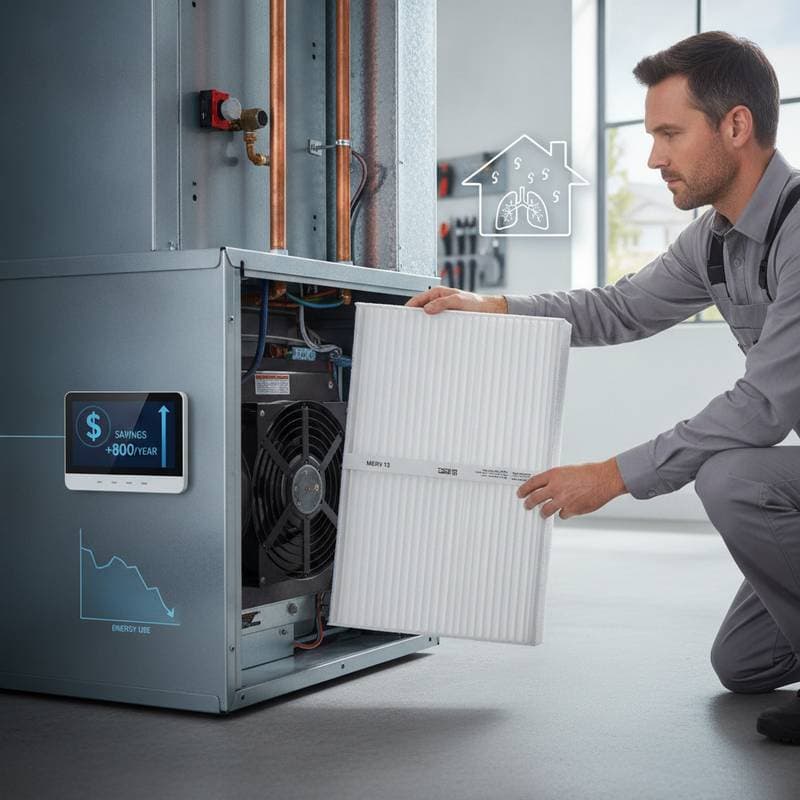
Filter upkeep remains critical, as clogs strain the purifier and disrupt air balance. Consistent adherence to these steps ensures sustained sanitization and system reliability.
Frequently Asked Questions
Do UV-C Air Purifiers Address Odors?
UV-C systems mitigate odors by eliminating the organic sources responsible. Although the light does not mask scents, it progressively diminishes musty or persistent smells through particle destruction.
Are UV-C Purifiers Safe for Households with Children and Pets?
Properly installed within HVAC enclosures, UV-C purifiers pose no risk. The design prevents direct ultraviolet exposure in living areas, maintaining safety for all occupants.
What Is the Typical Lifespan of UV-C Bulbs?
Bulbs generally endure one year of operation before efficacy declines. Adherence to replacement schedules guarantees continued sanitization effectiveness.
Can UV-C Purifiers Alleviate Seasonal Allergy Symptoms?
UV-C technology effectively curbs seasonal allergies by inactivating airborne triggers and microbes. This reduction in indoor irritants eases symptom severity during peak periods.
Does UV-C Purification Impact Energy Consumption?
Energy demands remain low, as the lamp runs concurrently with the HVAC fan. Operational costs approximate those of a conventional light bulb, avoiding significant bill increases.
Steps to Secure Cleaner Indoor Air
UV-C air purifiers deliver consistent sanitization within HVAC frameworks, targeting elusive allergens beyond filter capabilities. Homeowners seeking reduced symptoms and improved respiratory health benefit from professional consultation. Experts assess needs, select appropriate models, perform secure installations, and optimize system performance for enduring results.